TL;DR
- Tennis is a high-intensity intermittent sport with substantial heat exposure and tournament-density demands — fundamentally different from steady-state endurance or strength training. The supplement framework matches that profile: aggressive hydration and electrolytes, repeated-effort buffering, recovery for back-to-back matches, and tournament-week resilience.
- The match-day foundation: aggressive electrolyte and fluid intake (24-32oz per hour in heat), 30-60g carbs per hour during long matches, modest pre-match caffeine, recovery protein and carbs immediately after.
- Off-court training stack: creatine 3-5g daily (explosive power, court coverage), whey protein 1.6-2.0g/kg daily, pre-workout for actual gym sessions (not match days), foundation micronutrients. Tennis players benefit substantially from off-court resistance training.
- Tournament-week priorities: protein and carbs aggressively post-match, sleep optimization, anti-inflammatory support (omega-3, tart cherry), hydration recovery, magnesium for cramping prevention. Cumulative recovery is the central challenge.
- Skip: "tennis-specific" supplement products at premium prices, energy drink overuse on match day, pre-workout megadosing pre-match (crash risk for long matches), banned substances for competitive juniors and college players.
"Supplements for tennis players" is a search where the available content often misses what makes tennis unique among sports. The honest framework: tennis combines high-intensity intermittent demands (5-10 second points with 20-25 second rest, repeated for 1-3+ hours), substantial heat exposure (most tennis is played outdoors in warm conditions), tournament density (multiple matches per day or back-to-back tournament days), and the requirement for sustained cognitive focus and precise motor control across hours. The supplement framework that fits has to address all of these simultaneously — not just one. A 60-90 minute hard tennis match can burn 600-900 calories, deplete substantial glycogen, produce significant sweat losses (often 1-2L per hour in heat), and demand repeated near-maximal efforts where buffering and recovery between points matters. Tournament play extends these demands across days, with the cumulative recovery deficit becoming the primary performance limiter by day 3-5. The framework isn't dramatically different from other intermittent sports (squash, badminton, soccer, basketball) but tennis's specific combination of tournament density and individual nature makes recovery particularly critical — you can't substitute teammates when you're depleted. This guide covers the on-court foundation, off-court training stack, tournament-week priorities, junior and older player considerations, hot weather management, and what to skip in tennis-specific supplement marketing. The framework supports recreational players, USTA league competitors, juniors, college players, and aspiring competitive amateurs.
Why tennis has unique nutritional demands
Understanding what to supplement for requires understanding what tennis actually demands physiologically:
1. Match duration: Recreational matches typically 60-90 minutes. Competitive matches commonly 1.5-3 hours. Five-set Grand Slam matches can extend 4-5 hours. Tournament play often involves multiple matches per day or consecutive day matches.
2. Intermittent intensity profile: 5-10 second high-intensity efforts (points) with 20-25 second between-point recovery and 90-second changeover rest. Tennis-specific physiological research documents the alternating anaerobic-aerobic demands that distinguish tennis from steady-state endurance or strength training.
3. Heat exposure: Most tennis played in warm-to-hot conditions. Court surfaces (especially hard courts) reflect heat. Even mild dehydration of 1-2% body mass measurably impairs cognitive performance, reaction time, and motor coordination — the exact attributes tennis requires.
4. Substantial sweat losses: Match sweat losses commonly reach 1-2 liters per hour in heat. Sodium losses can exceed 1g per hour for heavy sweaters. Cramping and performance decline are direct consequences of inadequate replacement.
5. Glycogen depletion: Long matches deplete substantial muscle glycogen. Without adequate carb intake during and between matches, explosive court coverage and stroke power decline.
6. Cognitive demand: Tennis requires sustained focus across hundreds of points. Decision-making (shot selection, court positioning, opponent reading) happens in milliseconds and persists for hours. Mental fatigue accumulates and compromises performance.
7. Tournament density: Major tournaments require 4-7 matches across 1-2 weeks; club and USTA tournaments often involve 2-3 matches per day. Cumulative recovery becomes the primary performance limiter.
8. Year-round play: Unlike seasonal sports, competitive tennis players play year-round with limited off-season. Sustained training and recovery framework matters more than peak-week optimization.
What this means for supplements:
The supplement framework that fits tennis combines elements from endurance sport (hydration, sustained carbs), strength sport (creatine, protein for muscle preservation), and team sport (recovery for repeated efforts, tournament density). No single "tennis-specific" formulation captures this; the framework has to address each demand component.
The match-day foundation
Aggressive hydration and electrolytes
24-32oz per hour in heat · sodium-heavyTennis players sweat substantially. The ACSM position stand on fluid replacement recommends structured intake during prolonged exercise, with sodium critical for performance and cramping prevention. For tennis specifically:
• 16-20oz fluid per hour in mild conditions
• 24-32oz fluid per hour in heat (85°F+)
• 1000-1500mg sodium per hour for heavy sweaters in heat
• Pre-hydrate the night before and morning of important matches
• Drink at every changeover (every 2 games)
• Don't wait until thirsty
Quality electrolyte products work; XWERKS Motion provides sodium, magnesium, potassium plus 25g highly-branched cyclic dextrin (Cluster Dextrin) per serving — a low-osmolality carb form research-supported for gentler GI tolerance during sustained activity. Critical for long matches and tournament play.
Sustained carbohydrate fuel
30-60g carbs per hour during matches over 60 minutesFor matches under 60 minutes, pre-match carbs typically suffice. For longer matches, during-match carb intake supports sustained performance:
• Matches 60-90 minutes: 30-45g carbs per hour
• Matches 90+ minutes: 45-60g carbs per hour
• Tournament back-to-back matches: aggressive carb intake between matches
• Sources: bananas, dates, sports drinks, gels, Cluster Dextrin powder
• Combine with electrolytes; don't separate hydration and carbs
For tournament play: pre-mix Cluster Dextrin (low-osmolality, gentle on stomach, sustained release) into your hydration bottle. The combination of fuel + hydration in one product simplifies execution during long matches and back-to-back matches. See our best carbs before workout guide for the broader pre-match framework, and how many carbs per day for daily intake context.
Pre-match caffeine
3-6mg/kg, 30-60 minutes beforeCaffeine has substantial research support for tennis-relevant performance. The ISSN position stand on caffeine and exercise performance documents reliable benefits at 3-6mg/kg body weight (200-400mg for most adults). Tennis-specific caffeine research documents improvements in service speed, reaction time, and groundstroke performance.
• 200-300mg caffeine 30-60 minutes pre-match
• Coffee, caffeine pills, or pre-workout (test in practice first)
• Avoid heavy caffeine for matches over 2 hours (crash risk)
• For tournament play: moderate, sustained caffeine across the day vs single heavy dose
• Test response in practice matches before tournament use
Pre-match nutrition framework
Pre-match nutrition timing matters substantially. Full guide in our pre-match nutrition for tennis. Quick framework:
2-3 hours before match (substantial meal): 50-80g carbs + 25-40g protein + modest fat. Examples: oatmeal + fruit + eggs/whey shake; chicken + rice + vegetables; pasta with lean protein and tomato sauce.
30-60 minutes before match (snack window): 25-35g easily-digested carbs. Banana with peanut butter, energy bar, smoothie. Skip if you ate substantial meal 2-3 hours prior.
Immediately before match: Coffee or modest caffeine, 8-16oz water, optional small banana or sports drink.
Tournament days with multiple matches: Substantial breakfast 3 hours before first match; lighter snack between matches (30-50g carbs + 15-25g protein); full meal between morning and afternoon matches if time allows; aggressive hydration throughout.
During-match fueling
Changeover routine
Sip every changeover, fuel every otherTennis's structured changeover breaks (90 seconds every 2 games) create natural windows for fueling:
• Every changeover: 4-8oz electrolyte drink
• Every other changeover: small carb intake (banana piece, gel, dates)
• Set break (extended): substantial electrolyte and carb intake; possibly snack
• In heat: cooling towel, ice packs to neck/groin between games
• Don't overload — overconsumption causes GI distress during play
Three-set vs five-set strategy
Match length determines aggression• Best-of-three matches (under 2 hours typical): Pre-match fueling typically suffices. During-match focus on hydration and electrolytes.
• Best-of-three extended matches (2-3 hours): 30-45g carbs per hour during play; aggressive hydration.
• Best-of-five matches (3-5 hours): 45-60g carbs per hour; multiple electrolyte sources; possible mid-match substantial snack at long set break.
• Tournament back-to-back matches: Aggressive between-match recovery (covered in separate recovery for tennis guide).
Post-match recovery
For matches under 60 minutes with no upcoming matches: standard meal within 1-2 hours covers needs. For longer matches, tournament play, and back-to-back matches: aggressive post-match nutrition matters substantially.
The basic post-match framework:
• Within 60 minutes: 25-40g protein + 60-100g carbs
• Aggressive rehydration (replace 150% of estimated fluid loss)
• Substantial dinner 2-4 hours later
• Adequate sleep that night
The updated research on the post-workout "anabolic window" supports a wider 2-4 hour window for meaningful recovery nutrition — don't panic about precise minutes, but do prioritize protein and carbs within 1-2 hours.
For comprehensive tournament recovery: see recovery supplements for tennis. For the carb side: best carbs after workout.
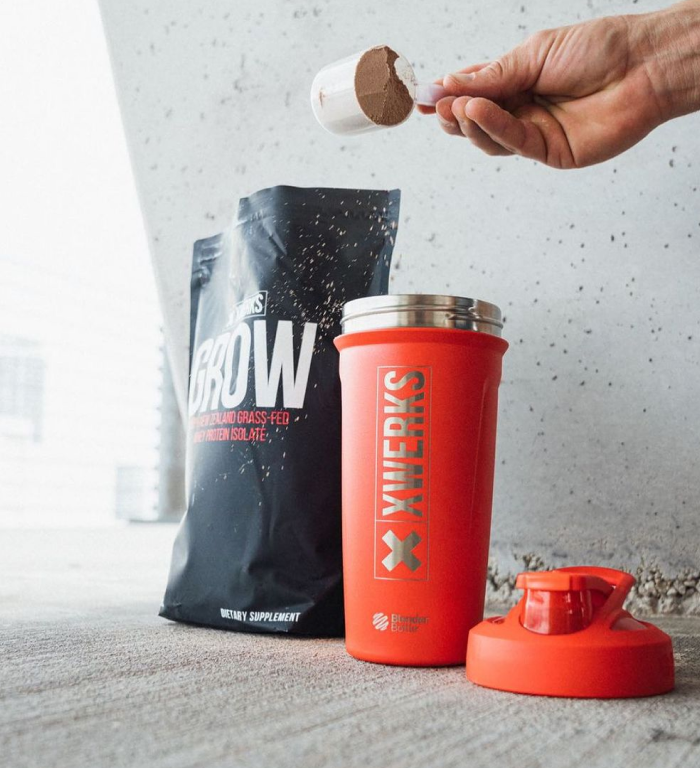
XWERKS Grow (25g NZ grass-fed whey isolate) immediately post-match + XWERKS Motion (carbs + electrolytes) addresses the protein-carb-hydration trinity. Add a substantial whole-food meal 1-2 hours later.
Off-court training stack
Creatine for explosive power
3-5g daily monohydrateTennis demands repeated explosive efforts — court coverage, change-of-direction speed, serving power, groundstroke power. The ATP-PCr energy system that powers these efforts is exactly what creatine supports. The ISSN position stand on creatine documents extensive research support for high-intensity intermittent performance.
For tennis specifically:
• 3-5g creatine monohydrate daily (loading optional)
• Take any time — consistency matters more than timing
• Maintain indefinitely; no cycling required
• Particularly valuable for serve speed, court coverage, late-match power preservation
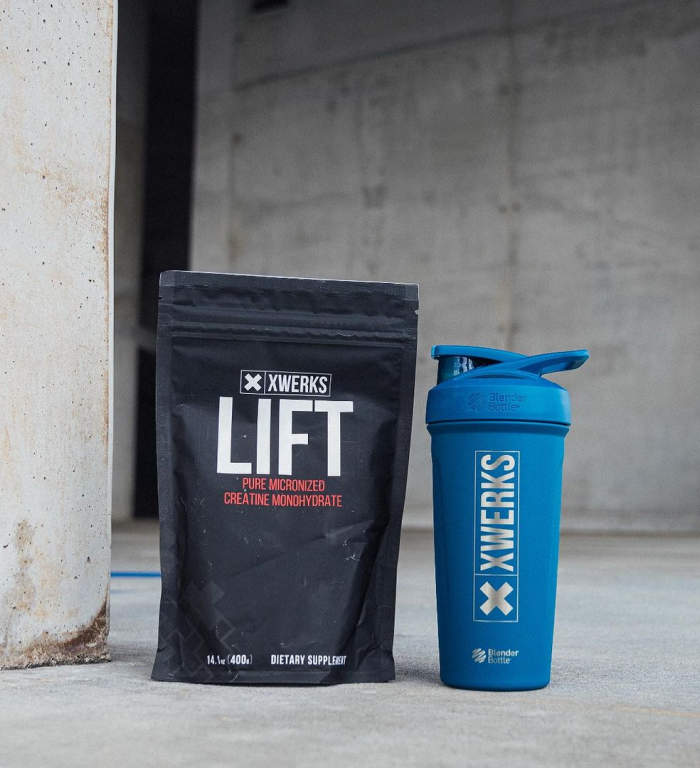
XWERKS Lift provides 5g pure creatine monohydrate per serving. Standard, research-supported dose. See our best creatine for easy digestion guide for form selection.
Protein for muscle preservation and recovery
1.6-2.0g/kg dailyTennis players benefit from above-RDA protein intake. The Phillips and Van Loon review of dietary protein for athletes supports 1.4-2.0g/kg for active populations, with higher end for those training intensely or in tournament cycles.
• Daily target: 1.6-2.0g/kg for active competitive players
• Distribute across 4-5 meals at 25-40g per serving
• Per-meal threshold: 25-40g triggers maximum muscle protein synthesis
• Whey isolate (XWERKS Grow) fills gaps efficiently
• Higher targets (2.0-2.4g/kg) during fat loss phases
For complete daily intake context, see carbs vs protein for muscle building. For whole-food protein content, see how much protein in an egg.
Pre-workout for off-court training
Save heavy stims for gym, not match dayTennis players benefit from off-court resistance training (rotational power, lower body strength, core stability, conditioning). Pre-workout supplements support these gym sessions effectively. However, heavy pre-workouts on match day are problematic: the 60-90 minute peak effect curve doesn't align with 2-3 hour matches; beta-alanine flushing and acute jitters compromise stroke precision; older players face cardiovascular concerns with heavy stim doses.
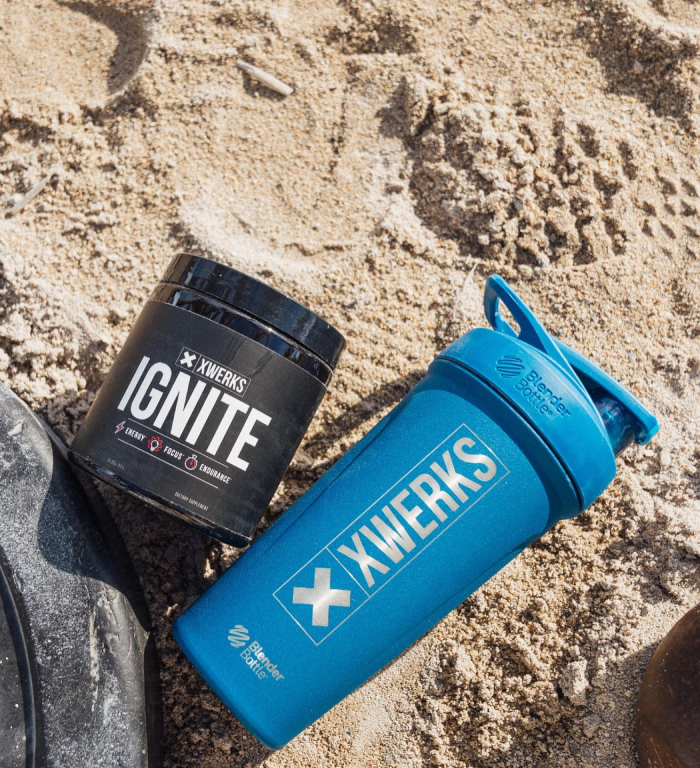
For off-court gym sessions: standard pre-workout 30 minutes before training works well. XWERKS Ignite provides 150mg caffeine (moderate, not heavy) plus 3g citrulline malate, 1.5g beta-alanine, 2g L-tyrosine, and 500mg rhodiola — cognitive support alongside training stimulus.
For match day: stick with coffee or modest caffeine pre-match, save heavy pre-workouts for gym days.
Foundation micronutrients
Don't skip the basicsBoring but essential:
• Vitamin D (1000-2000 IU daily): Widely deficient; supports bone, immune, muscle
• Magnesium (200-400mg): Supports cramping prevention, sleep, recovery
• Fish oil/omega-3 (2-4g EPA+DHA): Established cardiovascular and anti-inflammatory effects
• Zinc: Supports immunity (relevant during travel/tournament weeks) and testosterone
• Iron (women especially): Many female athletes mildly deficient; affects endurance
Consider foundation micronutrients before exotic compounds. Most performance "plateaus" relate more to sleep, basic micronutrient adequacy, and training consistency than missing premium supplements.
Tournament-week priorities
Tournament play (USTA tournaments, college events, multi-day junior tournaments, club championships) produces cumulative recovery deficit that becomes the primary performance limiter by day 3-5. The framework prioritizes:
Aggressive between-match nutrition: Within 30-60 minutes of each match, 25-40g protein + 60-100g carbs. Don't wait for the "big meal" — immediate replacement matters substantially.
Sleep optimization: 8-9 hours during tournament weeks. The cumulative sleep debt across 4-7 days kills performance more than any single nutritional element. Magnesium, ashwagandha (XWERKS Ashwa), and sleep hygiene practices matter. See our sleep hacking guide.
Anti-inflammatory support: Tart cherry juice, omega-3s, adequate sleep all support recovery from the cumulative inflammatory load of multiple matches. Avoid high-dose NSAIDs which can compromise adaptation and have GI risks.
Hydration recovery: Replace 150% of estimated fluid loss; track body weight pre/post-match for accurate fluid loss assessment.
Cramping prevention: Adequate sodium during matches (often 1000-1500mg per hour in heat), magnesium supplementation, sleep, and hydration all contribute. Cramping during matches is typically multifactorial (sodium loss, fatigue, neuromuscular factors).
Mental recovery: Tournament focus depletes cognitive reserves. Adequate sleep, modest caffeine, and stress management between matches matter for sustaining decision quality.
Comprehensive tournament-recovery framework in our recovery supplements for tennis guide.
Junior player considerations (under 18)
The basics matter most
Hydration, real food, sleepJunior tennis players (USTA juniors, high school, top juniors competing in national tournaments) often face overwhelming supplement marketing. The honest framework: basics matter substantially more than exotic supplements at this stage.
• Hydration and electrolytes: Essential, particularly for tournament play in heat
• Real food: Whole-food meals provide growing athletes with more comprehensive nutrition than supplement stacks
• Sleep: Critical for development and recovery; 9-11 hours for junior players
• Modest caffeine if used: Coffee or low-dose pre-workouts; avoid heavy stim products
• Whey protein for gap-filling: Quality whey isolate works for juniors who struggle to hit protein targets
• Foundation micronutrients: Vitamin D commonly deficient; magnesium supports sleep
Avoid for juniors:
• Heavy stimulant pre-workouts (cardiovascular concerns, banned compounds risk)
• Testosterone-boosting supplements (banned, inappropriate for developing athletes)
• "Performance enhancement" products with proprietary blends
• Diet pills, fat burners, extreme weight loss products
For competitive juniors facing drug testing in major tournaments: choose third-party tested products (NSF Certified for Sport, Informed Sport). Cross-contamination from manufacturing is a real risk.
Older player considerations (40+)
Recovery and muscle preservation
Higher protein, creatine, careful pre-workoutsOlder recreational and competitive tennis players (USTA 40+, 50+, 65+ leagues; senior tournaments) face age-related performance challenges that supplements partially address:
• Higher protein intake (1.8-2.0g/kg): The PROT-AGE Study Group recommendations support higher protein for older athletes due to anabolic resistance
• Creatine 3-5g daily: Robust research support for muscle preservation in older adults when combined with resistance training
• Sleep prioritization: Sleep quality declines with age; magnesium and ashwagandha support sleep; particularly important for tournament play
• Modest caffeine, careful pre-workouts: Cardiovascular concerns warrant lower stim doses; coffee at moderate doses safer than heavy pre-workouts
• Joint health basics: Fish oil 2-4g daily; collagen 10-20g for trial; mobility work
• Hormone support consideration: Natural testosterone support relevant for older male players; see our ultimate guide to naturally raising testosterone and how to increase testosterone
Hot weather adjustments
The cramping risk reality
Sodium adequacy is the primary leverTennis cramping in heat is one of the most common performance failures. Research on exercise-associated muscle cramping identifies sodium loss through sweat as the primary driver — sodium adequacy is the main lever.
For hot-weather tennis (Florida, Arizona, Texas, southern California; summer matches in any climate):
• Increase fluid to 24-32oz per hour
• Increase sodium to 1000-1500mg per hour
• Pre-cool before match (cold water, cooling vests)
• Cooling at every changeover (towels, ice)
• Watch for cramping signals (calf, hamstring, forearm — stop before full cramp if possible)
• Magnesium supplementation supports prevention
• Adequate sleep night before reduces cramping risk
What to skip in tennis supplement marketing
• "Tennis-specific" products at premium prices: Standard quality supplements produce same outcomes. Tennis branding rarely reflects formulation differences.
• Pre-workout megadosing pre-match: Heavy pre-workouts (300mg+ caffeine) crash 90-120 minutes after intake. Used pre-match, you'll fade in the second/third set when matches matter most.
• Energy drink overuse on match days: Combination of high caffeine + sugar typically produces blood sugar spike-and-crash. Coffee + electrolyte drink + carbs separately works better.
• "Tennis recovery" formulas at premium prices: Standard whey + carbs + electrolytes provide same outcomes.
• Banned substances for competitive players: Some pre-workouts and "natural T-boosters" contain ingredients on WADA, ITF, and NCAA banned lists. Particularly concerning for college and tour players.
• Heavy testosterone-support products for juniors: Inappropriate for developing athletes; banned in junior competition.
• "Anti-inflammatory" miracle products: Most exceed evidence. Omega-3, tart cherry, adequate sleep cover most realistic recovery support.
• Ephedrine and DMAA-containing fat burners: Cardiovascular risks plus banned status in competition.
• Excessive protein doses (50g+ per meal): Above 40g per meal, MPS response plateaus. Distribute protein across meals instead.
• Salt tablets without strategy: Sodium during matches is essential; random salt tablet consumption can cause GI distress. Use sports drinks with calculated sodium content for systematic intake.
Common questions about supplements for tennis players
"Should I take pre-workout before a match?"
Avoid heavy pre-workouts before matches. Coffee or modest caffeine (200-300mg) typically works better. The 60-90 minute peak effect curve of pre-workouts doesn't align with 2-3 hour matches, and beta-alanine flushing/acute jitters can compromise stroke precision. Save pre-workouts for off-court gym sessions.
"What should I drink during a match?"
Electrolyte sports drink with carbohydrates. XWERKS Motion combines sodium, potassium, magnesium with 25g Cluster Dextrin. For long matches (90+ min) or tournament play: 24-32oz per hour with 30-60g carbs per hour.
"How much protein do I need as a tennis player?"
1.6-2.0g/kg body weight daily for competitive players. Distribute across 4-5 meals at 25-40g each. Higher (1.8-2.0g/kg) during heavy training cycles or tournament weeks.
"Will creatine help my tennis game?"
Yes — supports the explosive intermittent demands of tennis (court coverage, serving power, late-match power preservation). Daily 3-5g monohydrate works through chronic muscle saturation. See best creatine for easy digestion for form selection.
"How do I prevent cramping during matches?"
Sodium adequacy is the primary intervention. 1000-1500mg sodium per hour during play in heat, plus magnesium supplementation, adequate hydration, and good sleep. Pickle juice has folk-remedy support for acute cramping; sodium prevents most cramping.
"What's the best supplement for tournament recovery?"
The combination matters more than any single product. Within 60 minutes post-match: 25-40g protein + 60-100g carbs + aggressive hydration. Sleep optimization is the most underrated recovery tool. See our recovery supplements for tennis guide.
"Are tennis-specific products worth the premium?"
Generally no. Quality general supplements (whey isolate, creatine, electrolytes, foundation micronutrients) cover the actual demands of tennis at lower cost than niche "tennis-branded" products.
"What about banned substances for competitive juniors and college players?"
Real concern. Some pre-workouts and natural T-boosters contain WADA/ITF/NCAA banned ingredients. Cross-contamination from manufacturing is a documented risk. Choose NSF Certified for Sport or Informed Sport tested products for competitive players.
The Bottom Line
Tennis is a high-intensity intermittent sport with substantial heat exposure and tournament-density demands — fundamentally different from steady-state endurance or strength training. The supplement framework matches that profile.
The match-day foundation: aggressive electrolyte and fluid intake (24-32oz per hour in heat), 30-60g carbs per hour during long matches, modest pre-match caffeine, recovery protein and carbs immediately after.
Off-court training stack: creatine 3-5g daily for explosive power, whey protein 1.6-2.0g/kg daily, pre-workout for actual gym sessions (not match days), foundation micronutrients (vitamin D, magnesium, fish oil).
Tournament-week priorities: aggressive between-match nutrition, sleep optimization, anti-inflammatory support, hydration recovery, cramping prevention through adequate sodium. Cumulative recovery is the central challenge.
Junior players: basics matter substantially more than exotic supplements. Hydration, real food, sleep, modest caffeine, foundation micronutrients. Avoid heavy stim products and testosterone-related supplements.
Older players (40+): higher protein (1.8-2.0g/kg), creatine for muscle preservation, sleep prioritization, careful pre-workouts due to cardiovascular concerns, joint health basics.
Hot weather: double sodium intake, increased fluid, pre-cooling and cooling at changeovers, watch cramping signals.
Skip: "tennis-specific" supplement products at premium prices, energy drink overuse on match day, pre-workout megadosing pre-match, banned substances for competitive juniors and college players, "miracle anti-inflammatory" products.
The honest framework: hydration + carbs during matches + recovery protein and carbs immediately after + foundation training stack + sleep optimization. Boring, effective, and substantially better than the "tennis-branded" alternatives.
Dig deeper: recovery supplements for tennis · pre-match nutrition tennis · best carbs before workout · best carbs after workout · how many carbs per day · best creatine for easy digestion · naturally raise testosterone · hack your sleep
The On-Court Foundation
For sustained energy and hydration across matches and tournament play: XWERKS Motion combines 25g Cluster Dextrin (low-osmolality sustained-release carb) with sodium, potassium, and magnesium electrolytes per serving. The intra-match fuel and hydration solution that supports back-to-back matches and prevents the cramping that wrecks tournament weeks.
Shop Motion