TL;DR
- Tennis recovery is unusually demanding because tournament play stacks 2-3 matches per day or back-to-back tournament days. The cumulative recovery deficit becomes the primary performance limiter by day 3-5 — not single-match fatigue.
- The immediate post-match foundation: 25-40g protein + 60-100g carbs + aggressive rehydration within 60 minutes. For long matches and tournament play, this matters substantially more than single-match outcomes suggest.
- Sleep is the most underrated recovery tool: 8-9 hours during tournament weeks. Magnesium, ashwagandha, and sleep hygiene practices substantially affect next-day performance.
- Research-supported recovery interventions: tart cherry (anti-inflammatory), omega-3 (anti-inflammatory), creatine (recovery support), modest caffeine (cognitive recovery), foundation micronutrients. Avoid high-dose NSAIDs which compromise adaptation.
- Skip: "tennis recovery" branded products at premium prices, exotic recovery formulas with proprietary blends, NSAID stacking for inflammation, ice bath obsession without evidence basis, expensive recovery technologies (compression boots, theraguns) before basic recovery is dialed in.
"Recovery supplements for tennis" is a search where tournament players, USTA league competitors, college players, and serious junior players need substantively different framing than single-match recreational players. The honest reality: tennis recovery is unusually demanding because tournament play stacks matches across days in a way that few other sports do. A USTA tournament might involve 2-3 matches per day. College tennis tournaments often pack 3-4 matches into 2 days. Junior tournaments commonly schedule consecutive day matches. The cumulative recovery deficit by day 3-5 of tournament play becomes the primary performance limiter — not single-match fatigue. Players who execute single-match recovery well but neglect cumulative tournament-week recovery typically see substantial performance decline late in events. The framework that fits tennis combines elements from team sport recovery (frequent matches), endurance recovery (substantial glycogen depletion), and strength sport recovery (muscle damage from explosive efforts). The supplement and lifestyle interventions that produce real recovery support are well-established: aggressive immediate post-match nutrition, sleep optimization, anti-inflammatory support through diet and key supplements, hydration replacement, and sodium adequacy. The exotic recovery products marketed at premium prices typically don't add meaningful value beyond these foundations. This guide covers immediate post-match recovery, between-match recovery during tournaments, sleep optimization, anti-inflammatory support, supplement-specific recovery effects, age-specific considerations, and what to skip in tennis recovery marketing.
Immediate post-match recovery
For matches under 60 minutes with no upcoming matches: standard meal within 1-2 hours typically covers needs. For longer matches and any tournament context, immediate post-match nutrition matters substantially:
Within 60 minutes post-match:
• 25-40g protein (whey isolate, lean meat, eggs, Greek yogurt)
• 60-100g carbs (rice, sweet potato, bananas, sports drinks, Cluster Dextrin)
• Aggressive rehydration (replace 150% of estimated fluid loss)
• Sodium replacement to match estimated losses
The updated research on the post-workout "anabolic window" supports a wider 2-4 hour window for meaningful muscle protein synthesis effects — don't panic about precise minutes — but for tennis tournament play with another match potentially hours later, faster post-match nutrition produces real practical advantages.
Practical execution:
• Whey shake + banana + rice cakes immediately post-match
• Then full meal 1-2 hours later
• For tournament days with another match in 2-4 hours: prioritize easily-digestible carbs and modest protein; avoid heavy meals before next match
• For tournament days with next match next day: substantial dinner with protein, carbs, vegetables
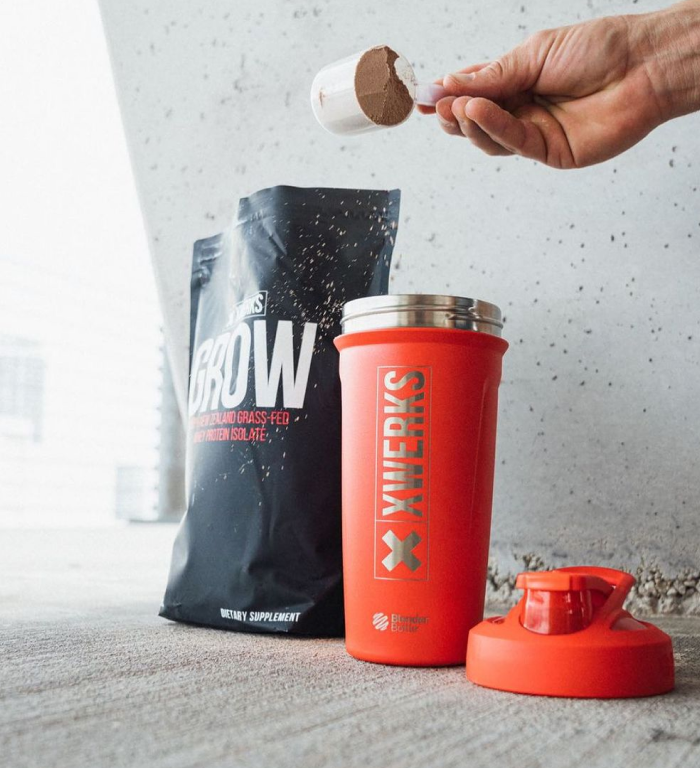
For comprehensive post-match carb framework, see our best carbs after workout guide. XWERKS Grow (25g NZ grass-fed whey isolate) + XWERKS Motion (25g Cluster Dextrin + electrolytes) addresses the protein-carb-hydration trinity in two products.
Tournament-week framework
Same-day back-to-back matches
2-4 hour gap typicalUSTA tournaments and junior tournaments commonly schedule 2-3 matches per day. The recovery framework between same-day matches:
Immediately post-first-match (within 30 minutes):
• Aggressive rehydration (16-32oz electrolyte drink)
• Easily digestible carbs (banana, dates, rice cakes, fruit)
• Modest protein (20-25g whey shake or similar)
• Cooling down (active recovery walk, light stretching)
30-60 minutes after first match:
• Modest meal if 3+ hours until next match (chicken + rice + vegetables, sandwich, easily-digestible balanced meal)
• If less than 2 hours: continued small frequent intake instead of full meal
• Continue hydration and electrolyte intake
30-60 minutes before second match:
• Pre-match snack (banana, energy bar, modest carbs)
• Rehydrate again
• Avoid heavy food close to match start
Practical reality: Most tournament players underexecute between-match recovery. Even modest improvement in this window meaningfully affects second-match performance.
Consecutive tournament days
8-9 hour windows for recoveryMost tournaments schedule consecutive day matches with 16-24 hour windows for recovery. The framework:
Within 60 minutes post-match (day 1):
• 25-40g protein + 60-100g carbs immediately
• Aggressive hydration (track body weight to estimate fluid loss)
Substantial dinner (2-4 hours post-match):
• 35-40g protein + substantial carbs + vegetables
• Continue hydration
• Avoid heavy alcohol (compromises sleep and recovery)
Pre-bed (optional):
• Slow-digesting protein (cottage cheese, casein) supports overnight recovery
• Magnesium supports sleep quality
• Optional ashwagandha for stress and sleep support
Day 2 morning:
• Substantial breakfast 3 hours before first match
• Continue hydration aggressively
• Foundation supplements (creatine, vitamin D, omega-3, multivitamin)
Multi-day tournament weeks (4-7+ days)
Cumulative recovery is the challengeCollege tournaments, USTA national events, and extended tournament weeks produce cumulative recovery deficit that becomes the central performance challenge. The framework:
• Maintain immediate post-match nutrition every day — don't slack as the week progresses
• Sleep prioritization: 8-9 hours minimum; the cumulative sleep debt is the largest performance variable across tournament weeks
• Active recovery on "off" days: Light hitting, swimming, cycling — not full rest, not heavy training
• Sodium adequacy: Cumulative sodium losses across multiple days require deliberate replacement
• Anti-inflammatory support: Omega-3, tart cherry, adequate sleep all support recovery from cumulative inflammatory load
• Mental recovery: Stress management, modest social activity, time away from competition focus between matches
• Massage or self-massage: Foam rolling, percussion devices for sore muscles between matches; light massage if available
• Modest caffeine, careful timing: Don't compound caffeine debt across days; keep caffeine moderate and avoid late-day doses that compromise sleep
Sleep optimization
Sleep affects nearly every aspect of athletic recovery. Walker's review on sleep and athletic performance documents effects on reaction time, decision-making, motor coordination, and recovery — all critical for tennis. Tournament-week sleep deprivation predicts performance decline more reliably than most other variables.
The framework:
• 8-9 hours nightly during tournament weeks
• Consistent bedtime and wake time across the tournament week
• Cool, dark, quiet sleep environment
• Limit caffeine after 1-2pm on match days
• Avoid heavy alcohol — even modest amounts compromise sleep quality
• Wind-down routine 30-60 minutes before bed
• Limit screens 30-60 minutes before sleep
Sleep-supporting supplements:
• Magnesium (200-400mg before bed): Supports relaxation and sleep quality. Magnesium glycinate or threonate forms typically tolerated better than oxide.
• Ashwagandha (600-1500mg): Research supports cortisol reduction and stress management effects. XWERKS Ashwa provides 1,500mg Withania somnifera per serving. Particularly valuable during high-stress tournament weeks.
• L-theanine (100-200mg): Supports calm focus; may improve sleep quality
• Glycine (3g before bed): Modest sleep quality support
• Melatonin (0.3-1mg low-dose): Useful for travel and time-zone adjustment; high doses (5-10mg) often produce next-day grogginess
For comprehensive sleep optimization framework, see our sleep hacking guide.
Anti-inflammatory support
Tart cherry juice
8-12oz juice or concentrate equivalentTart cherry has the most consistent research support for athletic recovery among popular "natural" recovery aids. Bell et al.'s systematic review on tart cherry supplementation documents reductions in muscle soreness, inflammatory markers, and recovery time across multiple studies.
• 8-12oz tart cherry juice (Montmorency variety)
• Or equivalent concentrate (1-2oz mixed with water)
• Twice daily during tournament weeks
• Pre-match dose may support performance; post-match dose supports recovery
Effects are modest but consistent. Reasonable addition during heavy tournament play; not a critical foundation supplement.
Omega-3 fatty acids
2-4g EPA+DHA dailyOmega-3 fatty acids (EPA and DHA) have well-established anti-inflammatory effects. Cardiovascular and anti-inflammatory benefits are documented; some research supports modest recovery benefits in athletes.
• 2-4g EPA+DHA daily (combined dose)
• Higher EPA ratio for inflammation; balanced for general health
• Quality matters: choose third-party tested, mercury-tested products
• Take with food to reduce GI distress and burping
• Foundation supplement for daily intake, not just tournament weeks
For older players especially, omega-3 supports both recovery and broader cardiovascular health.
Curcumin (turmeric extract)
500-1000mg with bioavailability enhancerCurcumin has anti-inflammatory effects with modest research support for recovery applications. Bioavailability is the limiting factor — plain turmeric powder absorbs poorly; curcumin extracts with piperine (black pepper extract) or phytosome formulations absorb better.
• 500-1000mg curcumin with piperine or phytosome formulation
• Take with fat-containing meal for better absorption
• Reasonable trial during heavy training/tournament periods
• Avoid before drug-tested events (some products may contain impurities)
The temptation to use ibuprofen or other NSAIDs routinely for tournament recovery is understandable but problematic:
• Research shows NSAIDs may compromise muscle protein synthesis and training adaptation
• GI distress and ulcer risk from regular use
• Cardiovascular concerns with chronic use
• Acute pain treatment occasionally is fine; daily use during tournaments isn't
• Use for acute injury management as needed, not as routine recovery aid
Use food-based and supplement-based anti-inflammatory support (omega-3, tart cherry, curcumin) plus adequate sleep and recovery practices instead of NSAID stacking.
Supplement-specific recovery effects
Whey protein isolate
25-40g post-match · fast-digestingThe fast digestion and high leucine content of whey isolate make it particularly valuable for post-match recovery. Phillips and Van Loon document the muscle protein synthesis advantages of fast-digesting protein for post-exercise recovery.
• 25-40g within 60 minutes post-match
• Combined with carbs for full recovery support
• Whole-food protein works at slower digestion if shake isn't practical
• During tournaments, convenient shake form supports adherence
XWERKS Grow provides 25g NZ grass-fed whey isolate per scoop. New Zealand grass-fed whey is generally cleaner than typical commercial whey.
Carbohydrate replenishment
60-100g post-match · substantial daily intakeGlycogen depletion from long matches and tournament play requires aggressive replenishment. The carb-protein synergy supports both recovery and next-match performance.
• 60-100g carbs within 60 minutes post-match
• Continued substantial carb intake at meals
• Daily carb target during tournament weeks: 5-7g/kg body weight
• For 70kg player: 350-490g daily during tournament weeks
For broader carb framework, see how many carbs per day and best carbs after workout.
Creatine for recovery
3-5g daily · chronic intakeCreatine supports recovery between matches and training sessions through multiple mechanisms: faster glycogen replenishment when combined with carbs, supported muscle protein synthesis, reduced muscle damage markers in some research. The ISSN position stand on creatine documents recovery benefits beyond performance enhancement.
For tennis specifically:
• 3-5g creatine monohydrate daily
• Take any time — consistency matters more than timing
• Particularly valuable during tournament weeks for recovery support
• Long-term use, not cycled
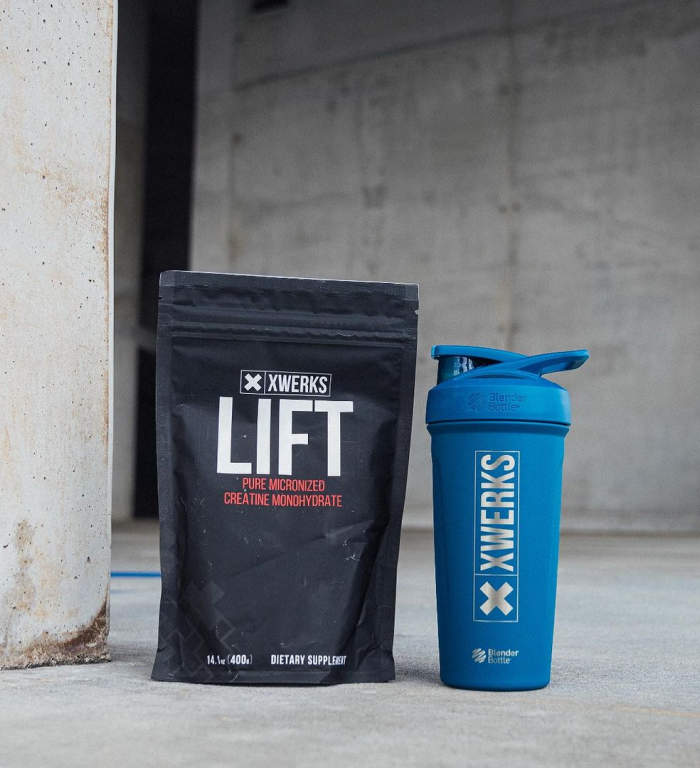
See best creatine for easy digestion for form selection. XWERKS Lift provides 5g pure creatine monohydrate per serving.
Magnesium for cramping prevention
200-400mg daily · glycinate or threonate formsMagnesium adequacy supports cramping prevention, sleep quality, and recovery. Many adults have suboptimal intake.
• 200-400mg daily total intake
• Glycinate or threonate forms typically tolerated better than oxide
• Take with dinner or before bed
• Particularly valuable during tournament weeks (heavy sweating depletes magnesium)
• Consider higher intake (400-600mg) during heat tournament play
Active recovery practices
Supplements support recovery; lifestyle practices drive most of it:
Active recovery on "off" days: Light hitting, swimming, cycling, walking. Not heavy training; not full rest. The light blood flow accelerates recovery vs. complete inactivity.
Cold immersion / contrast therapy: Mixed research support. Some research suggests cold immersion may reduce muscle soreness but may also blunt training adaptation if used routinely. Reasonable for tournament recovery; problematic for routine training adaptation.
Compression garments: Modest research support. May reduce perceived soreness; effect on actual recovery markers is modest.
Foam rolling and self-massage: Reduces perceived soreness; supports range of motion. Genuine value for tournament recovery.
Massage: Modest evidence-based recovery effects; subjective benefits often substantial. Consider during heavy tournament weeks if available.
Hot tubs/saunas: May support recovery through heat acclimation effects (relevant for heat tournaments). Avoid immediately post-match in heat.
Stretching: Modest evidence for recovery effects; valuable for mobility maintenance.
Junior player recovery
Sleep, food, and basics
9-11 hours sleep · real foodJunior tennis players (USTA juniors, high school, top juniors competing in national tournaments) often face overwhelming pressure to use exotic recovery products. The honest framework: basics matter substantially more than exotic supplements at this stage.
• Sleep: 9-11 hours nightly during tournament weeks; this is the single most important recovery variable for junior athletes
• Real food meals: Whole-food meals provide growing athletes with comprehensive nutrition that supplement stacks don't replace
• Hydration and electrolytes: Essential, particularly for tournament play in heat
• Quality whey protein: For gap-filling daily protein intake
• Foundation micronutrients: Vitamin D, fish oil, magnesium
• Modest caffeine if used: Coffee or low-dose pre-workouts; avoid heavy stim products and energy drinks
Avoid for juniors:
• Heavy stimulant pre-workouts
• Testosterone-boosting supplements (banned, inappropriate for developing athletes)
• "Performance enhancement" products with proprietary blends
• NSAIDs as routine recovery aid
• Diet pills, fat burners, extreme weight loss products
For competitive juniors facing drug testing in major tournaments: choose third-party tested products (NSF Certified for Sport, Informed Sport).
Older player recovery (40+)
Recovery declines with age — framework adjusts
Higher protein, more sleep, hormonal contextOlder recreational and competitive tennis players (USTA 40+, 50+, 65+ leagues) experience slower recovery than younger players. The framework adjusts accordingly:
• Higher protein intake (1.8-2.0g/kg): The PROT-AGE Study Group recommendations support higher protein for older athletes due to anabolic resistance
• Sleep prioritization (8-9 hours): Sleep quality declines with age; magnesium and ashwagandha support sleep; particularly important for tournament play
• Creatine 3-5g daily: Robust research support for muscle preservation in older adults
• Anti-inflammatory support: Omega-3, tart cherry particularly relevant for older players managing chronic inflammation
• Joint health basics: Fish oil 2-4g daily; collagen 10-20g for trial; mobility work
• Hormone support consideration: Natural testosterone support relevant for older male players. See our ultimate guide to naturally raising testosterone and how to increase testosterone
• Active recovery emphasis: Light activity between match days more important for older players than complete rest
What to skip in tennis recovery marketing
• "Tennis recovery" branded products at premium prices: Standard whey + carbs + electrolytes provide same outcomes as proprietary recovery formulas.
• Exotic recovery formulas with proprietary blends: Often standard ingredients (whey, BCAAs, electrolytes) at premium pricing with marketing-driven branding.
• Routine NSAID use for tournament recovery: Compromises adaptation, GI risks, cardiovascular concerns. Use food and supplement-based anti-inflammatory support instead.
• Ice bath obsession without evidence basis: Modest research support; may compromise training adaptation if used routinely. Reasonable for tournament recovery; problematic for routine training adaptation.
• Expensive recovery technology before basics are dialed: Compression boots, percussion devices, infrared saunas, cryotherapy chambers — reasonable additions if affordable but irrelevant if sleep, nutrition, and hydration aren't optimized first.
• BCAA supplements for recovery: Whey protein contains BCAAs in optimal context. Standalone BCAA supplements are largely redundant for adequate-protein eaters.
• "Cellular hydration" or "electrolyte concentrate" premium products: Standard sports drinks or quality electrolyte powders provide same outcomes.
• Recovery-specific testosterone products: Many contain banned ingredients. Inappropriate framing for routine recovery; recovery is not primarily a hormonal optimization problem.
• "Anti-inflammatory miracle" products: Most exceed evidence beyond what omega-3, tart cherry, and adequate sleep provide.
• High-dose melatonin (5-10mg): Often produces next-day grogginess. Low-dose (0.3-1mg) is research-supported; mega-doses common in marketing aren't.
Common questions about tennis recovery
"What's the most important recovery practice?"
Sleep, by a substantial margin. 8-9 hours during tournament weeks affects performance more than any specific supplement or recovery technology. Combined with adequate protein and hydration, sleep covers most of what recovery requires.
"Should I use ice baths after matches?"
Reasonable during tournament weeks for symptomatic recovery; problematic for routine training adaptation. The same anti-inflammatory effects that reduce soreness may blunt training adaptation. Use for tournament play, not routine training recovery.
"How much protein after a match?"
25-40g within 60 minutes for tournament play and back-to-back matches. For single recreational matches: regular meal within 1-2 hours covers needs.
"Are recovery shakes worth it?"
For tournament play: yes — portability and fast digestion support immediate post-match nutrition when full meals aren't practical. For single recreational matches: regular meal works fine.
"What about BCAAs for recovery?"
Largely redundant if you eat adequate protein. Whey protein contains BCAAs in optimal context. Standalone BCAA supplementation provides marginal additional benefit beyond adequate dietary protein for most players.
"How do I prevent cramping in tournaments?"
Sodium adequacy is the primary intervention (1000-1500mg per hour during play in heat). Combined with magnesium supplementation, adequate hydration, and good sleep — cramping is typically multifactorial. Pickle juice has folk-remedy support for acute cramping; sodium prevents most cramping.
"Is tart cherry juice worth using?"
Modest research support for recovery and sleep effects. Reasonable addition during tournament weeks. Not a critical foundation supplement; foundations (whey, carbs, sleep) matter more.
"What should I do during the off-day between tournament days?"
Light active recovery (walking, swimming, light hitting) supports better next-day performance than complete rest. Maintain hydration, eat substantial meals, prioritize sleep. Avoid heavy training on tournament off-days.
The Bottom Line
Tennis recovery is unusually demanding because tournament play stacks 2-3 matches per day or back-to-back tournament days. The cumulative recovery deficit becomes the primary performance limiter by day 3-5 — not single-match fatigue.
Immediate post-match foundation: 25-40g protein + 60-100g carbs + aggressive rehydration within 60 minutes. For long matches and tournament play, this matters substantially more than single-match outcomes suggest.
Tournament-week framework: aggressive between-match nutrition, sleep optimization (8-9 hours), anti-inflammatory support, hydration recovery, sodium adequacy for cramping prevention. Maintain through the entire week — don't slack as the week progresses.
Sleep is the most underrated recovery tool: 8-9 hours during tournament weeks. Magnesium, ashwagandha, and sleep hygiene practices substantially affect next-day performance.
Research-supported recovery interventions: tart cherry, omega-3 fatty acids (foundation supplement), creatine, modest caffeine timing, foundation micronutrients, magnesium for cramping prevention.
Junior players: sleep (9-11 hours), real food, basics matter substantially more than exotic supplements. Avoid heavy stim products and testosterone-related supplements.
Older players (40+): higher protein (1.8-2.0g/kg), creatine for muscle preservation, sleep prioritization, anti-inflammatory support, joint health basics, hormone support consideration.
Skip: "tennis recovery" branded products at premium prices, exotic recovery formulas with proprietary blends, NSAID stacking for routine inflammation, ice bath obsession without evidence basis, expensive recovery technology before basics are dialed in, BCAA supplements as recovery solution, high-dose melatonin.
The honest framework: immediate post-match nutrition + sleep + foundation supplements + adequate sodium and hydration + active recovery practices. Boring, effective, and substantially better than premium-priced "recovery formulas" with marketing-driven branding.
Dig deeper: supplements for tennis players · pre-match nutrition tennis · best carbs after workout · best creatine for easy digestion · hack your sleep · naturally raise testosterone · how many carbs per day
The Tournament Recovery Stack
For tennis players prioritizing tournament-week recovery: XWERKS Grow (25g NZ grass-fed whey isolate, fast-digesting for immediate amino acid availability) + XWERKS Motion (25g Cluster Dextrin + electrolytes for fast glycogen replenishment without GI distress). The protein-carb-hydration trinity for back-to-back matches and multi-day tournament play.
Shop Grow