TL;DR
- Optimal post-workout carbs depend on session intensity and timing of next training. Hard sessions and back-to-back training days warrant aggressive post-workout carb intake; moderate sessions need less.
- Post-workout carb targets: 1.0-1.2g/kg body weight after hard sessions; 0.5-0.8g/kg after moderate sessions. Combine with 25-40g protein for optimal recovery.
- Best post-workout carb sources: white rice, sweet potato, banana, oats, fruit, sports drinks (intra-workout combined post-workout), pasta, bread. Both fast-digesting (immediate post-workout) and substantial whole foods (subsequent meal) work.
- The "anabolic window" is wider than originally believed — protein and carbs in the 30-60 minute post-workout window optimize recovery, but the broader 2-4 hour window still supports adaptation. Don't panic about precise minutes-after-workout timing.
- Skip: skipping post-workout carbs to "burn fat" (compromises recovery and next session), excessive simple sugars without protein (misses the protein-carb synergy), mass-gainer products with excessive sugar, "post-workout cleanse" trends.
"Best carbs after workout" is one of the most-searched recovery nutrition questions — driven by athletes wanting to optimize recovery, gym-goers questioning whether post-workout fueling matters, and active adults trying to maximize training adaptation. The honest framework: post-workout carbs serve specific purposes (glycogen replenishment, protein synthesis support, recovery optimization) that matter most for hard training and back-to-back sessions. The "anabolic window" was once positioned as a critical 30-minute window after training where missing nutrition compromised gains; Schoenfeld and Aragon's updated review has substantially widened this window to 2-4 hours of meaningful muscle protein synthesis support. The implication: don't panic about precise minutes-after-training timing, but do prioritize getting carbs and protein within the broader post-workout period. The carb amount matters more than timing precision for most contexts. Aggressive post-workout carb intake (1.0-1.2g/kg) optimizes glycogen replenishment after hard sessions; modest intake (0.5-0.8g/kg) suffices after moderate sessions; combining with adequate protein (25-40g) supports muscle recovery. The "skip carbs to burn fat" framing common in some fitness culture works against recovery and subsequent training quality. This guide covers post-workout carb targets, the best food sources for different post-workout contexts, the protein-carb synergy, timing considerations, and what to skip in post-workout fueling marketing.
Post-workout carb targets
Post-workout carb amount depends primarily on session intensity and your body size:
After hard training sessions (1.0-1.2g/kg body weight):
• 60kg athlete: 60-72g carbs
• 70kg athlete: 70-84g carbs
• 80kg athlete: 80-96g carbs
• 90kg athlete: 90-108g carbs
Hard sessions = high-intensity training, long endurance sessions (60+ minutes), heavy resistance training, brick workouts, or sessions where you finish substantially fatigued. Aggressive post-workout carbs replenish glycogen and support recovery for next session. The ACSM/AND/DC joint position on nutrition and athletic performance documents 1.0-1.2g/kg per hour for the first 4 hours as the framework for aggressive glycogen replenishment.
After moderate training sessions (0.5-0.8g/kg body weight):
• 60kg athlete: 30-48g carbs
• 70kg athlete: 35-56g carbs
• 80kg athlete: 40-64g carbs
• 90kg athlete: 45-72g carbs
Moderate sessions = typical recreational training, 45-60 minute strength workouts, easy aerobic sessions. Modest carbs handle recovery; massive intake isn't necessary.
After easy sessions (0.3-0.5g/kg or skip):
Low-intensity activity (walking, easy yoga, light recreational activity) doesn't deplete glycogen substantially. Minimal additional post-workout carbs needed beyond regular meal pattern.
The body-weight scaling matters. A 90kg athlete needs more post-workout carbs than a 60kg athlete after similar sessions. Don't apply the same numbers across different body sizes. See our how many carbs per day guide for daily intake context.
Best post-workout carb sources
White rice
~45g carbs per cup cooked · fast glycogen replenishmentWhite rice is the bodybuilding/athlete classic for post-workout carbs. Easy to digest, fast glycogen replenishment, well-tolerated by stressed digestive systems after hard training. Pair with chicken or whey shake for protein.
Brown rice provides modestly better nutrition but slower digestion. White rice's faster digestion is actually an advantage immediately post-workout.
Sweet potato
~25g carbs per medium · sustained energySweet potato provides quality carbs plus vitamin A, potassium, and fiber. Slightly slower-digesting than white rice but well-tolerated post-workout. Excellent for both immediate post-workout and meal-based recovery.
Banana
~27g carbs per medium · convenienceEasy-to-eat post-workout carb source. Provides quick-digesting carbs plus potassium for electrolyte replacement. Pair with whey shake for the classic post-workout combo. Travel-friendly and convenient when meal prep isn't immediate. See how many carbs in a banana for detailed nutrition.
Oats
~30g carbs per cup cooked · nutrition densityOatmeal provides quality carbs plus beta-glucan fiber, modest protein, and minerals. Slightly slower-digesting than rice or banana — good for substantial post-workout meal rather than immediate post-workout. Works particularly well as breakfast after morning training.
Pasta
~40g carbs per cup cooked · classic fuelSubstantial carb source for post-workout meals after hard training. Easy to combine with protein (chicken, ground beef, lean meats) and tomato-based sauce. Whole-wheat or regular pasta both work for fueling purposes.
Bread (especially white bread or sourdough)
~15-30g carbs per slice · fast optionWhite bread or sourdough digests faster than whole-wheat varieties. 2-3 slices with peanut butter, jam, or as sandwich basis provide substantial post-workout carbs. Fast and convenient option.
Sports drinks and fast-absorbing fluids
~15-25g carbs per 8-12oz · immediate optionSports drinks consumed during late workout or immediately after provide fast glycogen replenishment plus electrolyte replacement. Useful when solid food isn't appealing immediately post-workout.
Cluster Dextrin powder mix
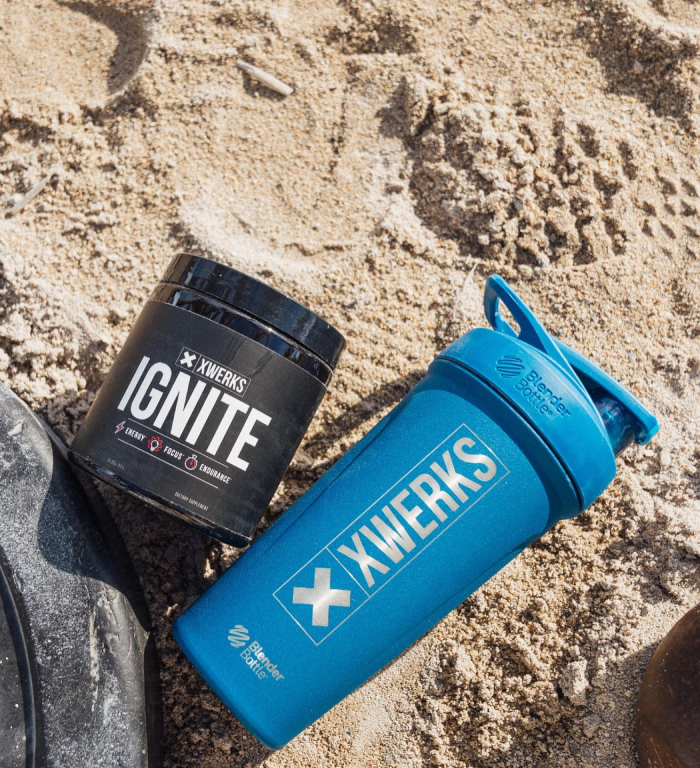
~25g carbs per serving · low-osmolality optionHighly-branched cyclic dextrin (Cluster Dextrin) provides substantial post-workout carbs without GI distress. XWERKS Motion works for both intra-workout and immediate post-workout fueling. The low osmolality means tolerated when sensitive stomachs reject other options after hard training.
Fruit (general)
15-30g carbs per serving · varietyApples (~25g), pears (~25g), grapes (~15g/cup), berries (~15-20g/cup), pineapple (~22g/cup), watermelon (~12g/cup), oranges (~15g). Various fruits provide post-workout carbs plus vitamins and antioxidants. Easy to combine with Greek yogurt, cottage cheese, or whey shake. See glycemic index vs glycemic load for fruit GI/GL context.
Honey or maple syrup
~17g carbs per tbsp · concentratedConcentrated quick-absorbing carbs. Add to oatmeal, yogurt, or post-workout shake. Useful when you need additional carb intake without adding bulk.
Bagels
~50g carbs per medium bagel · substantialOne medium bagel provides substantial post-workout carbs. Top with peanut butter, cream cheese, or as base for breakfast sandwich. Particularly useful when needing aggressive post-workout fueling for back-to-back training days.
The protein-carb synergy
Post-workout carbs and protein produce additive recovery effects. Phillips and Van Loon's review of dietary protein for athletes documents the foundational role of post-exercise protein for muscle protein synthesis; co-ingestion research extends this framework:
Carbs replenish glycogen. Muscle glycogen depleted during training is replenished from blood glucose, with insulin signaling driving uptake. Higher carb intake (within reasonable limits) supports faster glycogen restoration.
Protein supports muscle protein synthesis. Damage to muscle proteins during training requires repair through protein synthesis. Adequate post-workout protein (25-40g) provides amino acids for the synthesis process.
The synergy: Insulin produced in response to carb intake also supports protein utilization. Combining carbs and protein produces better protein synthesis than protein alone in some contexts. The "carbs for glycogen, protein for muscle" simplification works as a starting framework. See our carbs vs protein for muscle building guide for the complete both/and framework.
Practical application:
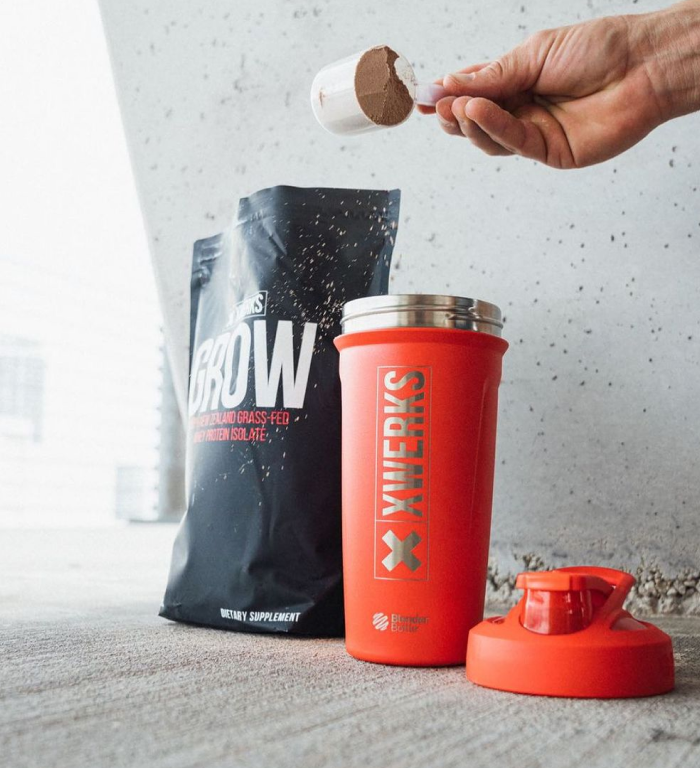
• Post-workout shake: 25-40g whey protein isolate (XWERKS Grow) + 30-60g carbs from fruit, banana, or carb powder.
• Post-workout meal: Quality protein source (chicken, fish, eggs, lean beef) + substantial carb source (rice, sweet potato, pasta) + vegetables. See how much protein in an egg for protein content reference.
• Combined fluids: Some athletes prefer post-workout shake combining whey + carbs + electrolytes for portable, immediate recovery support.
Carb-protein ratio: Approximately 2-4:1 carbs-to-protein works for most contexts (e.g., 50g carbs + 25g protein, or 80g carbs + 25g protein). Higher carb ratios for endurance athletes; lower for strength/hypertrophy contexts. Don't obsess over the precise ratio — adequate intake of both matters more than perfect ratio.
Timing considerations — the wider "anabolic window"
The "anabolic window" concept has evolved substantially:
Old framework (largely outdated): 30-minute window after training where missing post-workout nutrition compromised gains. Created urgency around immediate post-workout shakes and snacks.
Current framework: 2-4 hour window where protein synthesis is elevated, per Schoenfeld and Aragon's updated review. Getting nutrition within this broader window optimizes recovery; precise minutes-after-workout timing matters less than originally believed.
What current research supports:
• 30-60 minute window: Modest advantage for getting protein and carbs in this period, particularly after hard training. Faster glycogen replenishment, immediate amino acid availability.
• 1-2 hour window: Still supports recovery effectively. Most athletes can comfortably eat a meal within this window.
• 2-4 hour window: Continued recovery benefit, particularly for muscle protein synthesis. The window remains "open" longer than originally believed.
• Pre-workout meal effects: If you ate a substantial meal 2-3 hours before training, amino acids are still circulating during and after training. The "must eat immediately post-workout" urgency is less when pre-workout nutrition was adequate. See our best carbs before workout guide for the pre-training framework.
Total daily intake matters most. Hitting daily protein target (1.6-2.2g/kg) and adequate carbs (matching activity level) drives most adaptation. Precise post-workout timing produces modest additional optimization beyond the foundational adequate intake.
Practical recommendation: Don't panic about precise timing, but do prioritize getting protein and carbs within 1-2 hours after training. For back-to-back training days or hard sessions, faster post-workout fueling provides advantages. For routine moderate training, broader timing windows work fine.
Post-workout strategies by context
Hard strength training
25-40g protein + 50-80g carbs within 30-60 minutesAfter heavy lifting sessions: whey isolate shake + banana + rice cakes, or full meal with chicken + rice + vegetables. Carbs support glycogen; protein supports muscle protein synthesis. Both matter for adaptation.
Long endurance sessions (60+ minutes)
25-40g protein + 80-120g carbs within 30-60 minutesAfter long endurance training (running, cycling, triathlon training): aggressive carb replenishment for glycogen restoration plus protein for muscle preservation. Combine sports drink during cool-down, recovery shake immediately, full meal within 1-2 hours.
HIIT and CrossFit-style training
25-40g protein + 50-80g carbs within 30-60 minutesHIIT depletes glycogen substantially despite shorter session duration. Treat similarly to heavy strength training for post-workout fueling. Mixed-modal training warrants aggressive recovery support.
Moderate cardio (30-45 minutes)
20-25g protein + 30-50g carbs at next mealModerate cardio sessions don't typically deplete glycogen aggressively. Post-workout fueling can wait for normal next meal. No need for special post-workout shake; standard meal pattern handles recovery.
Tournament play (tennis, etc.)
Aggressive immediate post-match recoveryTennis and intermittent sport tournament play stacks matches across days. Aggressive post-match recovery (25-40g protein + 60-100g carbs within 60 minutes) supports next-match performance. See our recovery supplements for tennis guide for the comprehensive tournament-recovery framework.
Two-a-day training
Aggressive post-workout fueling for both sessionsAthletes training twice daily need aggressive post-workout fueling after each session to support glycogen replenishment for the next session. 1.0-1.2g/kg carbs + 25-40g protein within 30-60 minutes after each session. Without aggressive intake, the second session quality suffers.
Back-to-back training days
Match recovery to next-day demandHard training followed by another hard training day next morning: aggressive post-workout fueling supports recovery. Hard training followed by rest day: less aggressive fueling acceptable. The next session matters as much as the previous session for fueling decisions. Combined with quality sleep — see our sleep hacking guide — produces best recovery outcomes.
Late-evening training
Modest carbs, prioritize proteinTraining late evening (after dinner) before sleep: lower-carb option may be appropriate. Modest carbs (25-40g) with substantial protein (25-40g) supports recovery without producing excessive caloric load before sleep. Cottage cheese or casein protein with fruit works well. See carb backloading for the broader evening-carb framework.
Weight loss / cutting phases
Maintain post-workout carbs even in deficitDuring weight loss, post-workout is a particularly poor time to skip carbs. Post-workout carb intake supports training quality and muscle preservation during deficit. Reduce carbs at other times of day before reducing post-workout carbs. The post-workout carbs likely produce more benefit than calories spent. See how many carbs to lose belly fat and carb cycling for fat loss for fat loss frameworks.
Sample post-workout meals and shakes
Quick post-workout shake
~25g protein · ~60g carbs · 5-10 minutesWhey isolate (1 scoop, 25g protein) + 1 banana (27g carbs) + 1 cup oat milk (15g carbs) + 1 tbsp honey (17g carbs). Blend or shake. Total: ~60g carbs, 25g protein. Fast, portable, well-tolerated.
Substantial post-workout shake
~30g protein · ~80g carbs · for hard sessionsWhey isolate (1 scoop, 25g protein) + 1 cup rolled oats (30g carbs) + 1 banana (27g carbs) + 1 tbsp peanut butter (4g protein) + 2 tbsp honey (34g carbs). Blend. Total: ~80g carbs, 30g protein. Substantial recovery option.
Classic post-workout meal
~35g protein · ~70g carbs · sit-down option5oz grilled chicken (35g protein) + 1.5 cups white rice (68g carbs) + vegetables + some olive oil. Total: ~70g carbs, 35g protein. The bodybuilding classic for post-workout meals.
Greek yogurt parfait
~25g protein · ~50g carbs · breakfast option1 cup Greek yogurt (17g protein) + 1/2 cup granola (30g carbs) + 1 cup berries (15g carbs) + 1 tbsp honey (17g carbs) + 1 tbsp peanut butter (4g protein). Total: ~50g carbs, 25g protein. Particularly good after morning training.
Egg-based post-workout breakfast
~30g protein · ~60g carbs · whole-food option3 large eggs (18g protein) + 2 slices whole-grain toast (30g carbs) + 1 banana (27g carbs) + 1 tbsp peanut butter (4g protein, 8g carbs). Total: ~65g carbs, 30g protein. Substantial whole-food breakfast.
Pasta-based post-workout meal
~35g protein · ~80g carbs · substantial1.5 cups pasta cooked (60g carbs) + 4oz lean ground beef or chicken (30g protein) + tomato sauce (10g carbs) + parmesan + vegetables. Total: ~80g carbs, 35g protein. Particularly good for endurance athletes after long training.
What to skip in post-workout fueling
• Skipping post-workout carbs to "burn fat": Compromises glycogen replenishment for next session and supports muscle catabolism. Counterproductive for body composition goals beyond producing modest immediate fat oxidation.
• Excessive simple sugars without protein: Sugar-only post-workout (sodas, candy, juice without protein) replenishes glycogen but misses the protein-carb synergy for recovery.
• Mass-gainer products with excessive sugar: Some "post-workout" products provide 100-200g carbs with substantial added sugar. Total daily caloric balance matters; mass-gainers can produce unwanted fat gain when needed protein and modest carbs work better.
• "Post-workout cleanse" trends: Various trendy products marketed for post-workout "detoxification" or "recovery enhancement" beyond actual nutrition. Mostly marketing without evidence support. Real food and quality whey suffice.
• Avoiding post-workout protein for "fasted recovery": The fasted training trend doesn't extend favorably to fasted recovery. Hard training without subsequent protein compromises muscle preservation and adaptation.
• Obsessive 30-minute window panic: The window is wider than originally believed (2-4 hours). Don't sacrifice quality of food choice for impossible immediate timing.
• Heavy fat immediately post-workout: Fat slows digestion and slows protein/carb absorption. Save fattier foods for subsequent meals; immediate post-workout window favors faster-digesting options.
• "Post-workout supplements" beyond actual nutrition: Various "recovery formulas" with proprietary blends and anti-inflammatory claims. Whole foods plus quality whey produce same outcomes.
• Skipping post-workout carbs during keto for "ketosis preservation": Some keto practitioners avoid post-workout carbs to maintain ketosis. This compromises training adaptation. If pursuing keto, accept the training quality trade-offs or include strategic post-workout carb cycling. See our low carb vs keto difference guide for context.
Common questions about post-workout carbs
"Do I really need carbs after workout?"
For hard training: yes, substantially. For moderate training: less critical but supports recovery. For easy sessions (walking, light yoga): minimal additional post-workout carbs needed. Match intake to training demand.
"What about training fasted?"
Some athletes train fasted (early morning before breakfast). This is fine for short or moderate sessions. Post-workout protein and carbs become particularly important after fasted training to break the fasted state and support recovery. Don't extend fasting through the post-workout window if training fasted.
"Should I have post-workout carbs if I'm trying to lose fat?"
Yes — fat loss is driven by total caloric deficit, not by post-workout carb avoidance. Post-workout carbs support training quality and muscle preservation during deficit, both of which support better long-term body composition outcomes. Reduce calories at other times rather than skipping post-workout fueling.
"How much protein should I have post-workout?"
25-40g for most adults. Higher amounts don't produce proportionally better recovery (muscle protein synthesis maxes out around 30-40g per dose for most people). Whey isolate provides 24g per typical scoop, sufficient for the post-workout dose.
"Are dextrose, maltodextrin, or Cluster Dextrin best for post-workout?"
All work for post-workout glycogen replenishment. Dextrose (pure glucose) absorbs fastest. Maltodextrin similar absorption to glucose. Cluster Dextrin (highly-branched cyclic dextrin) has lower osmolality (gentler on stomach) and sustained release. For athletes with sensitive stomachs after hard training, Cluster Dextrin (XWERKS Motion) is often best-tolerated.
"Can I just eat a regular meal instead of a post-workout shake?"
Yes — regular meals work fine when timing allows. The advantage of shakes is portability and faster digestion when eating immediately post-workout. The advantage of meals is more complete nutrition. Most athletes use both: shake immediately post-workout, full meal 1-2 hours later.
"Do post-workout carbs cause fat gain?"
No, when counted within total daily caloric needs. Post-workout is actually the time when carb intake is most efficiently used for glycogen replenishment rather than fat storage. The "carbs cause fat gain" framing applies to caloric surplus generally, not to post-workout timing specifically.
The Bottom Line
Optimal post-workout carbs depend on session intensity and timing of next training. Hard sessions and back-to-back training days warrant aggressive post-workout carb intake; moderate sessions need less.
Post-workout carb targets: 1.0-1.2g/kg body weight after hard sessions; 0.5-0.8g/kg after moderate sessions; 0.3-0.5g/kg or skip after easy sessions. Combine with 25-40g protein for optimal recovery.
Best post-workout carb sources: white rice, sweet potato, banana, oats, fruit, sports drinks, pasta, bread, Cluster Dextrin powder. Both fast-digesting (immediate post-workout) and substantial whole foods (subsequent meal) work for different scenarios.
The protein-carb synergy: Post-workout protein and carbs produce additive recovery effects beyond either alone. Carbs replenish glycogen; protein supports muscle protein synthesis; insulin signaling supports both processes.
The "anabolic window" is wider than originally believed. 2-4 hours of meaningful muscle protein synthesis support; don't panic about precise minutes-after-workout timing. Total daily intake matters most for adaptation.
Practical timing: 25-40g protein + appropriate carbs within 1-2 hours after training. For back-to-back training days or hard sessions, faster post-workout fueling provides advantages. For routine moderate training, broader timing windows work fine.
Skip: skipping post-workout carbs to "burn fat" (compromises recovery and next session), excessive simple sugars without protein, mass-gainer products with excessive added sugar, "post-workout cleanse" trends, obsessive 30-minute window panic, heavy fat immediately post-workout.
Match strategy to training: hard sessions get aggressive carbs + protein; moderate sessions get modest amounts; easy sessions handled by regular meal pattern; two-a-day and back-to-back training warrants more aggressive recovery fueling.
Dig deeper: best carbs before workout · healthy carbs · protein for marathon runners · how many carbs per day · carbs vs protein for muscle building · glycemic index vs glycemic load · recovery supplements for tennis · protein for golfers · hack your sleep
Post-Workout Recovery Stack
For optimal post-workout recovery: XWERKS Grow (25g NZ grass-fed whey protein isolate, fast-digesting for immediate amino acid availability) + XWERKS Motion (25g Cluster Dextrin for fast glycogen replenishment without GI distress). The complete carb-protein recovery framework for hard training and back-to-back sessions.
Shop Grow