TL;DR
- The best pre-workout carb depends on how long before training you're eating. Three windows, three different answers.
- 2-3 hours before: a real meal — oatmeal with fruit and protein, rice with chicken, pasta with lean protein. 40-80g carbs.
- 30-60 minutes before: an easy-to-digest snack — banana with peanut butter, dates, rice cakes with honey, Greek yogurt. 20-40g carbs, low fat and fiber.
- 5-15 minutes before: fast-absorbing fluid or low-fiber food — sports drink, Cluster Dextrin, a banana, a date or two. 15-25g carbs.
- Skip: high-fat or high-fiber food close to training, large meals under 2 hours out, and treating a pre-workout supplement as a substitute for actual fuel.
"What are the best carbs before a workout?" has one honest answer: it depends on how much time you have to digest. The same banana that's perfect 30 minutes out is an odd choice three hours out, and the rice-and-chicken meal that fuels a great session at three hours will sit in your stomach at thirty minutes. Everything else — training type, intensity, body size — adjusts the amount. Timing decides the form. This guide covers the three windows, what to eat in each, how training type shifts the numbers, and what to avoid.

The three timing windows
| Window | Carb amount | Form | Fat & fiber |
|---|---|---|---|
| 2-3 hours before | 40-80g | Full meal, whole foods | Fine in moderation |
| 30-60 minutes before | 20-40g | Snack, easy to digest | Keep low |
| 5-15 minutes before | 15-25g | Liquid or low-fiber | Minimal |
Digestion takes time, and blood flow during exercise is redirected away from the gut toward working muscle. Food still in your stomach when training starts causes discomfort, reflux, and — during high-intensity work — genuine GI distress.
So the longer your runway, the more complex the food can be. Fat and fiber slow gastric emptying, which is helpful for sustained energy at three hours and a liability at fifteen minutes. The joint ACSM, Academy of Nutrition and Dietetics, and Dietitians of Canada position stand on nutrition and athletic performance recommends 1-4g/kg of carbohydrate in the 1-4 hours pre-exercise, with the amount scaling to how much time you have.
For how different carb sources behave, see our glycemic index vs glycemic load guide.
Window 1 — 2-3 hours before
Oatmeal with fruit and protein
~55g carbs · ~30g protein1 cup cooked oats (~30g carbs), 1 banana (~27g carbs), plus a scoop of whey isolate or 2-3 eggs. Sustained carbohydrate energy plus protein for muscle support, and oats' fiber produces stable blood sugar. Works for any training type.
Rice with chicken and vegetables
~50-60g carbs · ~30-35g protein1 cup rice (~45g carbs), 4-5oz chicken breast, vegetables. The athlete classic — reliable, well tolerated, balanced. White rice digests slightly faster than brown if you're at the shorter end of this window.
Pasta with lean protein and tomato sauce
~50-60g carbs · ~25-30g protein1 cup cooked pasta (~40g carbs), 4oz chicken or lean beef, tomato-based sauce. The familiar pre-event meal for endurance athletes. Tomato sauce is gentle on digestion.
Whole-grain toast with peanut butter and banana
~55g carbs · ~12g protein2 slices toast (~30g carbs), 2 tbsp peanut butter, 1 banana (~27g carbs). Simple to prepare. The peanut butter's fat slows digestion, so keep this at the full 2-3 hours rather than cutting it close.
Sweet potato with eggs
~30g carbs · ~18g protein1 medium sweet potato (~25g carbs), 3 eggs. Lower carb than the others here — add a second potato or a side of fruit for longer sessions. The fat from eggs (and avocado, if you add it) puts this at the longer end of the window. See how much protein in an egg.
Burrito bowl with rice, beans, and chicken
~65g carbs · ~35-40g protein1 cup rice, 1/2 cup black beans, 4oz grilled chicken, salsa, vegetables. Practical takeout option. The beans add real fiber, so give this the full window.
Window 2 — 30-60 minutes before
Banana with peanut butter
~30g carbs · ~4g protein1 medium banana plus 1 tbsp peanut butter. The default pre-workout snack for good reason — quick-digesting carbs and potassium, with just enough fat to blunt the blood sugar curve without slowing things down.
Medjool dates
~18g carbs eachEach Medjool date is roughly 18g of carbohydrate, so 2 dates lands near 35g — a full snack-window serving. Add a small handful of almonds if you want a little protein and fat alongside. Concentrated, easy to digest, and genuinely travel-proof.
Rice cakes with honey or jam
~30-40g carbs · minimal fat2 rice cakes (~14g carbs) with 1-2 tbsp honey or jam. About as fast-digesting as solid food gets. Good when you want carbs without protein or fat slowing absorption.
Greek yogurt with honey and berries
~35g carbs · ~17g protein1 cup nonfat Greek yogurt, 1 tbsp honey, 1/2 cup berries. The protein-forward option — yogurt's slow-digesting casein provides sustained amino acid availability through the session.
Small bowl of oatmeal
~30g carbs · ~5g protein1/2 cup cooked oats, 1/2 cup berries, drizzle of honey. The scaled-down version of the meal-window option — less volume and fiber makes it work at shorter notice.
A quality bar
~25-35g carbs · ~5-10g proteinWhole-food bars built on dates, nuts, and dried fruit work well here. Read the ingredients — plenty of "fitness" bars are confectionery with a protein claim attached.
Window 3 — 5-15 minutes before
Cluster Dextrin
~25g carbs · low osmolalityHighly branched cyclic dextrin has very low osmolality, so it clears the stomach quickly without the heaviness of standard maltodextrin or simple sugars. XWERKS Motion provides 25g per serving plus electrolytes, and doubles as intra-workout fuel if the session runs long. Particularly useful if you have a sensitive stomach.
Sports drink
~15-25g carbs per 8-12ozQuick-absorbing simple sugars plus electrolytes, in the fastest-digesting form there is. Check the label — zero-sugar versions don't contain the carbohydrate that makes a sports drink useful for fueling.
A banana
~27g carbsFast-digesting carbs plus potassium, and you can eat it in the car. Well tolerated by almost everyone. Detail in how many carbs in a banana.
1-2 dates, or a tablespoon of honey
~18-36g carbsConcentrated, rapid, and small enough to get down right before you start. Honey can go straight in water as a homemade sports drink.
How training type shifts the numbers
Strength training and HIIT
30-50g carbs 1-2 hours before. Enough to support intensity without sitting heavy under a heavy bar or during intervals. Pair with 25-40g protein. HIIT in particular stresses the gut more than steady-state work, so keep fat low close to the session. See carbs vs protein for muscle building.
Endurance sessions over 60 minutes
50-80g carbs 2-3 hours before, plus fueling during the session (commonly 30-90g/hour, built up through training). See carbs for marathon runners and carbs for triathletes.
Sessions under 45 minutes
Short sessions don't deplete glycogen much. Pre-workout carbs are useful but not critical, and plenty of trained people perform fine on very little. Don't overthink fueling for a 40-minute session.
Early morning training
Rarely time for a full meal. A banana, small oatmeal, or sports drink 30-45 minutes before covers most sessions without waking up an hour early. Some people train fasted comfortably in the morning — it works for easy and moderate work, and tends to cost you on high-intensity sessions.
Evening training
Dinner usually is the pre-workout meal. Training 2-4 hours after eating typically needs nothing extra. If the gap is longer, a small snack 30-60 minutes out fills it. See carb backloading.
Intermittent sports and long low-intensity days
Tennis, soccer, and similar sports have their own pre-match framework — see pre-match nutrition for tennis and supplements for tennis players. A 4-5 hour golf round is a different problem again: supplements for golfers and pre-workout for golf.
What to skip
• High-fat or high-fiber food close to training. Both slow gastric emptying. Save avocado, nuts, fatty meats, and large volumes of raw vegetables for the 2-3 hour window or after.
• Large meals under 2 hours out. Match meal size to the digestion time you actually have.
• Sugar-heavy energy drinks with high caffeine. The combination produces jitters and crashes. Real food or a proper sports drink works better.
• Treating a pre-workout supplement as fuel. Caffeine masks fatigue; it doesn't provide substrate. Hard sessions need carbohydrate.
• Very large protein doses right before training. 15-25g is fine. A 50g shake immediately pre-session slows digestion for no benefit.
• New foods before important sessions. Test everything in ordinary training first.
• Fruit juice as your main pre-workout carb. Concentrated sugar without fiber tends toward spike-and-crash. Whole fruit does the same job more steadily.
The evidence for fasted training producing better fat loss than fed training is weak once calories and protein are matched. What fasted training more reliably does is reduce performance on high-intensity work — which can mean less total work done and less adaptation over time.
For easy or short sessions, training fasted is genuinely fine if you prefer it. For hard sessions, most people perform better with some carbohydrate beforehand, including during a fat loss phase. See how many carbs to lose belly fat for the broader framing.
The rest of the pre-workout picture
Hydration: The ACSM position stand on fluid replacement recommends drinking in the hours before exercise — commonly cited as roughly 16-20oz in the 1-2 hours pre-training, more for long sessions or heat.
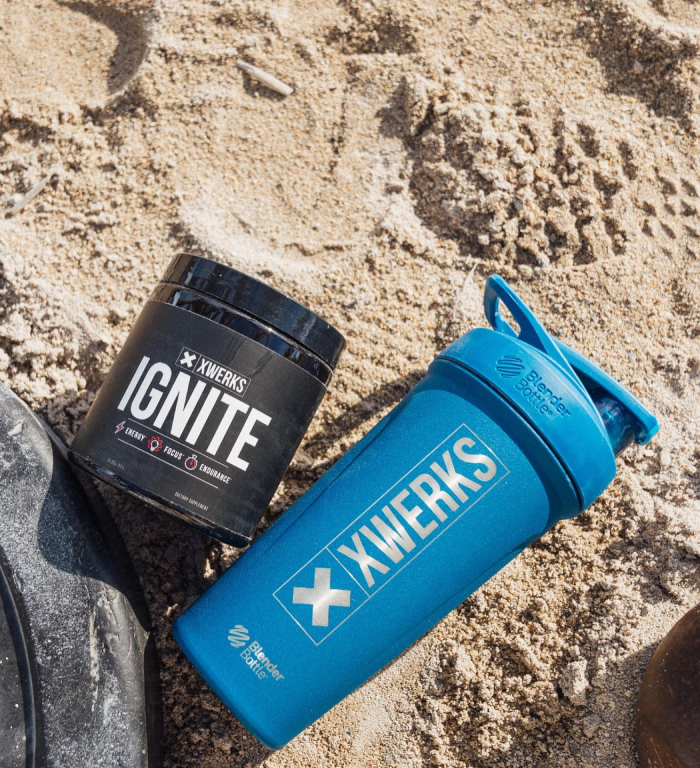
Caffeine (optional): 3-6mg/kg body weight 30-60 minutes before is the researched range per the ISSN position stand on caffeine. XWERKS Ignite provides 150mg alongside citrulline, tyrosine, and beta-alanine. Higher doses don't scale proportionally and add side effects.
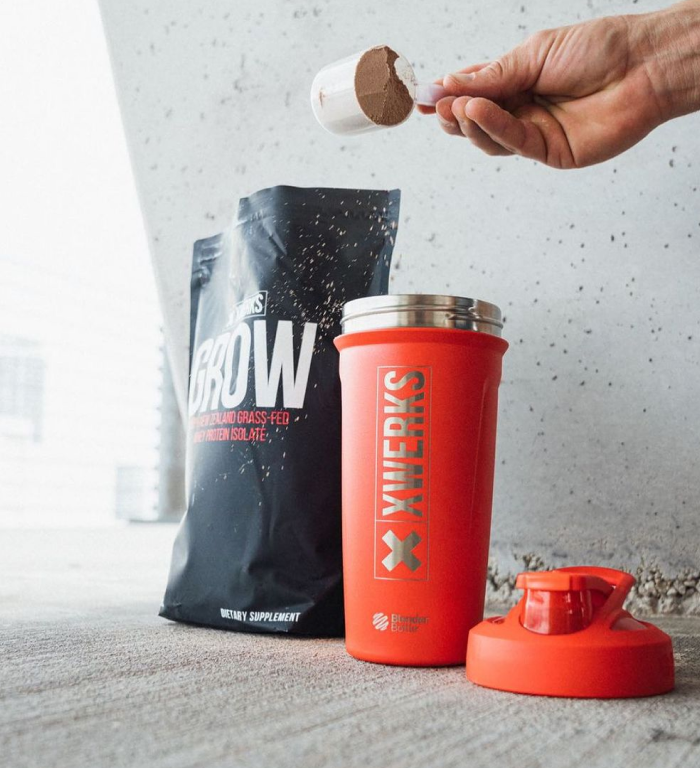
Protein: 15-25g before training supports muscle protein synthesis without slowing you down. Whey isolate (XWERKS Grow) digests quickly.
Electrolytes: Sodium especially, for sweaty or hot-weather sessions.
Creatine: Chronic, not acute — 3-5g daily saturates muscle stores. There's no benefit to timing it pre-workout specifically.
Common questions
How many carbs should I eat before a workout?
30-60g one to two hours before moderate training; 50-80g two to three hours before long endurance work; 20-30g in the 30-45 minute window. Scaled by body size, roughly 0.5-1g/kg in the 1-2 hour window. See how many carbs per day for daily context.
Can I just drink coffee instead of eating?
For short sessions, caffeine alone is often enough. For long or hard sessions it isn't — caffeine doesn't supply energy substrate. Black coffee plus a banana is the practical combination.
Do pre-workout carbs count toward my daily total?
Yes. They're part of daily intake, not extra. Distribute your daily carb target across meals including the pre-workout one.
Can a pre-workout supplement replace pre-workout carbs?
No. Caffeine, beta-alanine, and citrulline enhance training; they don't fuel it. The supplement enhances, the carbs power.
The Bottom Line
Timing decides the form; training type decides the amount. A meal at 2-3 hours (40-80g), a snack at 30-60 minutes (20-40g), fluid or low-fiber food at 5-15 minutes (15-25g).
Fat and fiber are the variables to manage. Both slow digestion — useful three hours out, a liability fifteen minutes out.
Fasted training is fine for easy work and tends to cost you on hard sessions. The fat-loss advantage doesn't hold up once calories and protein are matched.
Don't overthink routine training. Oatmeal, a banana, rice, eggs — ordinary food at sensible timing handles almost everything. Save precise carb math for competition.
Dig deeper: best carbs after workout · healthy carbs · how many carbs per day · glycemic index vs glycemic load · carb backloading