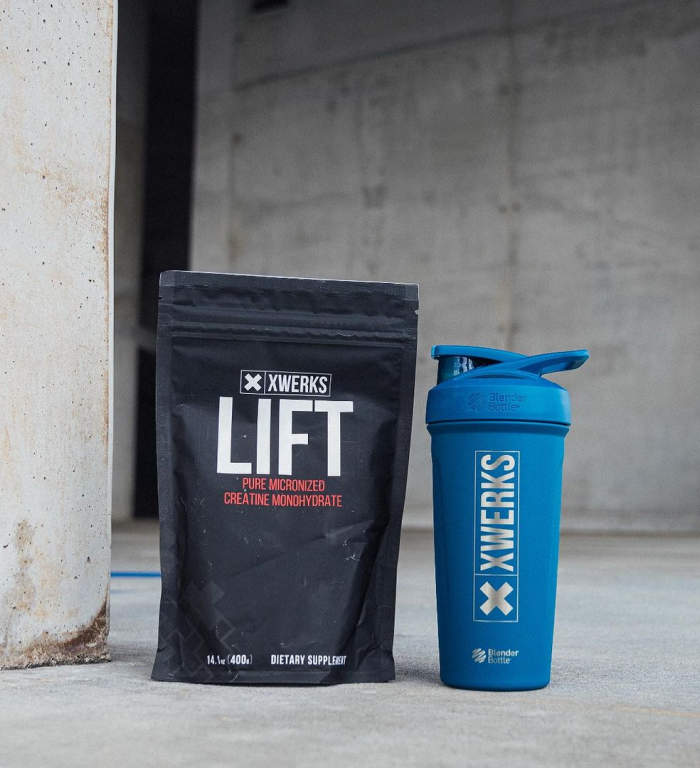


Whey protein powder generally gives you control over mixing and portion size; a ready-to-drink shake buys convenience in a sealed serving. In the two products compared here, XWERKS Grow Chocolate costs $2.30 per 25 g protein, while Orgain's 20 g Clean Protein Shake in Creamy Chocolate Fudge costs about $3.75 per equivalent 25 g. The ready-to-drink option still makes sense when preparation or cleanup is the obstacle.
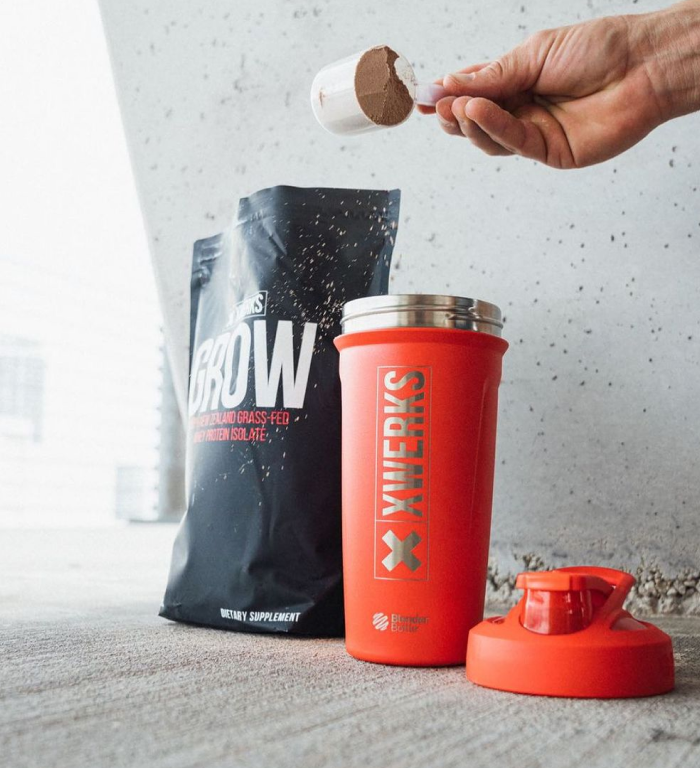
XWERKS sells Grow. This is a worked comparison of two named products, using manufacturer prices and labels checked October 9, 2026. It is not proof that every powder is cheaper than every ready-to-drink shake, or that protein in a carton is lower quality.
What are you paying for in each format?
With powder you buy a dry protein ingredient to prepare; with a ready-to-drink shake you buy a finished drink, packaging and preparation convenience. Those differences can justify different choices on different days.
Grow is whey protein isolate. The Orgain carton examined here lists milk protein concentrate. “Ready-to-drink” describes the format, not a particular protein source; a carton can contain milk protein, whey, plant protein or another formulation. Grow; Orgain Clean Protein Shake.
Comparing a powder category with a liquid category therefore takes two steps. First compare the actual ingredients and protein amount. Then decide what convenience is worth in the setting where you plan to use it.
How do the labels and prices compare?
Grow Chocolate supplies more protein per labeled serving in this example, while the Orgain carton arrives ready to drink. The following table keeps the products and flavors explicit.
| Metric | XWERKS Grow Chocolate | Orgain Clean Protein Shake, Creamy Chocolate Fudge |
|---|---|---|
| One-time package price | $69 | $35.99 |
| Servings in package | 30 | 12 cartons |
| Protein per serving | 25 g | 20 g |
| Calories per serving | 110 | 130 |
| Total carbohydrate | 1 g | 11 g |
| Total fat | 0.5 g | 2 g |
| Cost per labeled serving | $2.30 | About $3.00 |
| Cost per equivalent 25 g protein | $2.30 | About $3.75 |
Sources: Grow Chocolate nutrition panel and price and Orgain's Creamy Chocolate Fudge label and 12-carton price. Grow is compared mixed with water. Milk, fruit or other additions change its nutrition and cost. Tax, shipping and discounts are excluded.
How do you calculate the cost of equal protein?
Divide package price by servings, then multiply the serving cost by 25 divided by grams of protein per serving. This puts products with different protein amounts on the same comparison basis.
For Grow Chocolate, $69 ÷ 30 × 25 ÷ 25 = $2.30 per 25 g protein. For the Orgain example, $35.99 ÷ 12 × 25 ÷ 20 = approximately $3.75. The equivalent portion for Orgain is 1.25 cartons; the calculation is a comparison tool, not an instruction to leave a quarter-carton open.

The difference is about $1.45 per equivalent 25 g in this snapshot. Across 30 equal-protein occasions, that would be approximately $43.47 using unrounded calculations. Actual spending depends on pack sizes, discounts and whether you use a full carton or a different amount of powder.
An RTD with a larger protein serving or a lower sale price can narrow or reverse the comparison. Recalculate using the product you actually buy rather than assuming the example settles the entire category.
When is the ready-to-drink premium worthwhile?
A ready-to-drink shake can be worth the higher unit cost when it removes a preparation step that would otherwise stop you from using the product. Convenience is a real feature, even though it is not a muscle-building ingredient.
An unopened shelf-stable carton can be convenient for an office drawer, travel day or a location without a clean shaker. Follow the package's storage directions, especially after opening. The advantage is having a finished serving available, not a guarantee that every RTD keeps indefinitely in a hot car.
Powder is often easier to store in larger quantities at home and lets you adjust the serving or recipe. That flexibility also brings a water source, container and cleanup requirement. Include those steps honestly when deciding which format fits a busy day.
Do extra ingredients make an RTD worse?
A longer ingredient list does not by itself show that a ready-to-drink shake is worse. Evaluate what the ingredients do, whether you tolerate them and whether the nutrition fits your goal.
Orgain's examined label includes milk protein concentrate, cocoa, agave, oil, stabilizing ingredients and sweeteners. Grow Chocolate includes whey protein isolate, cocoa, natural flavors, xanthan gum and stevia. Both products contain milk. Their formulas differ, but neither ingredient count alone establishes a health outcome. Manufacturer ingredient lists; Grow ingredients.
For calorie tracking, compare the complete recipe. A Grow shake with milk and nut butter is a different food from Grow mixed with water. Conversely, a carton with additional carbohydrate or fat may fit someone's snack plan better than a leaner shake. “Fewer calories” is useful only when that matches the job.
Which format should you choose for different situations?
Choose powder for repeatable preparation at home and an RTD when immediate access matters more than minimizing cost per gram. A mixed approach can be more practical than committing to one format everywhere.
| Situation | Likely better fit | Reason |
|---|---|---|
| Daily shake at home | Powder | Easy access to water, a container and cleaning |
| Office backup with no mixing setup | Shelf-stable RTD, stored as directed | A sealed serving is already prepared |
| Smoothie or recipe | Powder | Easy to incorporate into the food you are making |
| Minimal initial purchase commitment | Compare local package options | Small cartons may cost less upfront than a large powder bag |
| Milk-protein allergy | Neither of these examples | Both examined products contain milk |
If your normal food intake already meets your needs, either format may be optional. Read protein powder for beginners before making a daily shake automatic.
Questions about powder and ready-to-drink shakes
The protein source, nutrition label and use case matter more than whether a shake comes as powder or in a carton. These answers address the main comparison traps.
Is a ready-to-drink shake the same as whey isolate?
A ready-to-drink shake is not necessarily whey isolate; “ready-to-drink” describes preparation and packaging. Check the ingredient list to identify the actual protein source.
Is one Grow scoop always 25 g protein?
Grow Chocolate is listed at 25 g protein per serving. Peanut Butter is listed at 23 g, so use the selected flavor's label for calculations.
Can I mix powder in advance for convenience?
Protein powder can be mixed in advance, but the prepared shake must be stored according to its ingredients and storage directions. A homemade mixed shake should not be assumed to have the shelf stability of a sealed commercial carton.
Where can I learn about the protein source itself?
See whey isolate versus concentrate for a separate comparison of protein ingredients rather than drink formats.