

Protein Powder for Beginners: The Complete Starter Guide
TL;DR
- Protein powder is just a convenient, concentrated source of dietary protein — it's a food supplement, not a drug or a steroid. It helps you hit your daily protein target when whole food is inconvenient.
- For most beginners, whey protein isolate is the best starting point: high quality, fast-absorbing, low in lactose, and effective for muscle building and recovery.
- Start with one scoop (~25g protein) per day, mixed in water or milk — typically after a workout or whenever you'd otherwise miss protein.
- Look for a short, clean ingredient list: protein, natural flavor, a natural sweetener, an emulsifier. Avoid proprietary blends, artificial junk, and underdosed "protein" products padded with fillers.
- You don't need protein powder to be healthy or build muscle — but it's one of the easiest, most affordable tools for hitting your protein goals.
If you're new to fitness or nutrition, the protein powder aisle is genuinely overwhelming — dozens of types, confusing claims, and prices all over the map. The good news: protein powder is far simpler than the marketing makes it seem. At its core, it's just concentrated dietary protein in a convenient form. This beginner's guide explains what protein powder actually is, which type to start with, how to use it, what to look for on a label, and how to avoid the common rookie mistakes — so you can buy your first tub with confidence.

What is protein powder, really?
Protein powder is simply protein that's been extracted from a food source (most commonly milk, but also peas, eggs, beef, or rice), purified, dried, and flavored. It's a food, not a drug. A scoop of whey protein is closer to a glass of concentrated milk protein than to anything pharmaceutical. It won't make you "bulky" by itself, it isn't a steroid, and you don't need to be an athlete to use it.
Its job is simple: help you hit your daily protein target conveniently. Most people — especially those who are active — benefit from more protein than they typically eat, and getting it all from whole food can be time-consuming and expensive. A scoop of protein powder delivers 25g of high-quality protein in seconds, anywhere.
Why protein matters (the beginner version)
Protein is the macronutrient your body uses to build and repair tissue — including muscle. It's also the most satiating macronutrient (it keeps you full), which makes it valuable whether your goal is building muscle, losing fat, or just feeling better day to day. For active people, the general target is roughly 1.6–2.0g of protein per kg of bodyweight per day; even general-health guidelines put the minimum well above what many people actually eat. Protein powder simply makes reaching your number easier.
Which protein powder should a beginner choose?
There are several types, but for most beginners the decision is simple. Here's the quick landscape:
| Type | Best for | Notes |
|---|---|---|
| Whey isolate | Most beginners | High quality, fast-absorbing, low lactose, lean. The recommended starting point. |
| Whey concentrate | Budget-focused | Slightly less pure, more lactose, a bit cheaper. Fine but less ideal for sensitive stomachs. |
| Casein | Slow-release / bedtime | Digests slowly. A niche choice, not a necessary first protein. |
| Plant (pea, rice, blend) | Vegan / dairy-free | Good if you avoid dairy; blend multiple sources for a complete amino profile. |
How to read a protein label (the 30-second version)
Check protein per serving
Look for ~20–30g of protein per scoop. Be wary of products where the protein number is low relative to the scoop size — that often means fillers.
Scan the ingredient list — shorter is better
The best protein powders have short lists: the protein source, natural flavor, a natural sweetener (stevia or monk fruit), and an emulsifier (like sunflower lecithin). Long lists full of unpronounceable additives, artificial colors, and gums are a red flag.
Avoid proprietary blends
If a label hides ingredient amounts inside a "proprietary blend," you can't tell how much of anything you're getting. Transparent, fully-disclosed labels are always better. (More on this in our proprietary blends guide.)
Look for third-party testing & quality sourcing
Third-party testing and quality sourcing (e.g. grass-fed whey from countries with strict dairy standards) signal a product that's what it claims to be. Worth a small premium for peace of mind.
How to use protein powder as a beginner
Start with one scoop a day
You don't need multiple shakes. One scoop (~25g protein) per day is a great start — add more only if you're struggling to hit your daily target through food.
Mix it simply
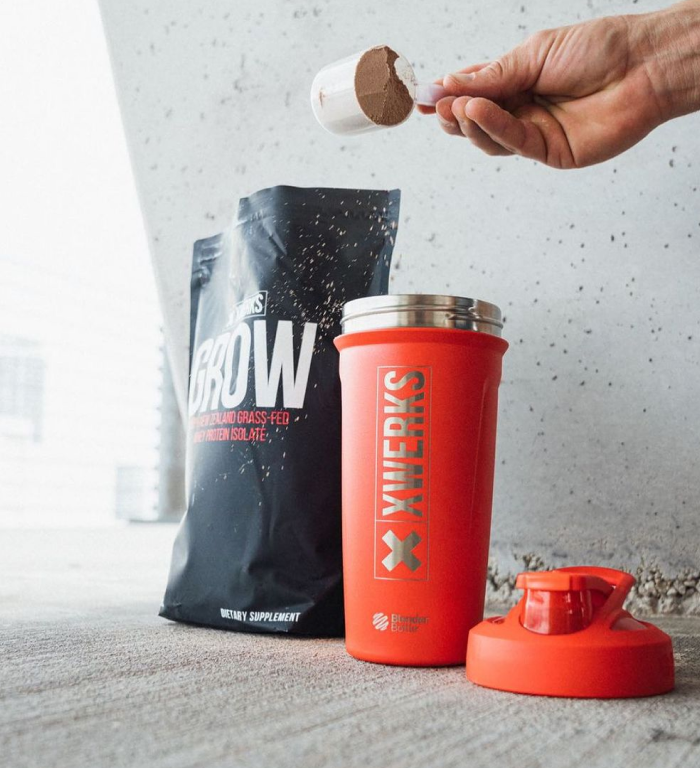
A scoop in 8–10 oz of water or milk, shaken in a shaker bottle, is all you need. Milk adds creaminess and a few extra grams of protein; water keeps it lean and light. A quality isolate like Grow mixes clean without a blender.
Time it for convenience, not magic
After a workout is a popular and practical time — but the exact timing matters far less than your total daily protein. Have your shake whenever it best helps you hit your number: morning, post-workout, between meals, or before bed.
Treat it as a supplement, not a meal replacement
Protein powder supplements a good diet — it doesn't replace whole foods, which provide fiber, micronutrients, and other benefits a shake doesn't. Build your nutrition on real food first, and use protein powder to fill the gaps.
Common beginner mistakes to avoid
Buying based on hype or flavor claims alone. A clean label and quality sourcing matter more than aggressive marketing or a trendy brand.
Assuming more is better. Drinking three shakes a day won't build extra muscle if you've already hit your protein target. One scoop to fill a gap is usually plenty.
Choosing the cheapest option with a long ingredient list. Bargain proteins are often padded with fillers and cheap sweeteners. A clean isolate is worth the modest premium.
Expecting it to do the work. Protein powder supports training and a good diet — it doesn't replace them. Results come from consistent training, adequate total protein, and time.
The Bottom Line
Protein powder is a simple, convenient food supplement — concentrated dietary protein that helps you hit your daily target when whole food is inconvenient. It's not a drug, not a shortcut, and not required, but it's one of the easiest tools for reaching your protein goals.
For most beginners, start with a clean whey isolate: high quality, fast-absorbing, low lactose, short ingredient list. One scoop (~25g) a day in water or milk is a perfect starting point.
Read the label: 20–30g protein per serving, a short clean ingredient list, no proprietary blends, and quality sourcing. XWERKS Grow — grass-fed whey isolate, four ingredients — is exactly the kind of straightforward first protein this guide recommends.
Further Reading
References
1. Jäger R, et al. International Society of Sports Nutrition position stand: protein and exercise. J Int Soc Sports Nutr. 2017;14:20.
2. Morton RW, et al. A systematic review, meta-analysis and meta-regression of the effect of protein supplementation on resistance training-induced gains. Br J Sports Med. 2018;52:376-384.
3. Hoffman JR, Falvo MJ. Protein — which is best? J Sports Sci Med. 2004;3(3):118-130.