Under-recovery describes a mismatch between the demands on you and your opportunity to recover. Overtraining syndrome is a more specific clinical problem involving prolonged loss of performance that cannot be explained by another cause. One exhausting workout, a sore muscle, or a low wearable score cannot tell you which is happening.
The useful first step is to look at your recent training, sleep, food intake, life stress, and performance together. Persistent or unexplained fatigue deserves medical assessment, not a harder workout to “test” your resilience.
Under-recovery, overreaching, and overtraining: what is the difference?
These terms describe different situations, not interchangeable labels for feeling tired. “Under-recovery” is everyday coaching language, not a standardized diagnosis. It can describe inadequate recovery after training or a broader mismatch that includes work, travel, illness, or insufficient food.
The joint European College of Sport Science and American College of Sports Medicine consensus distinguishes short-term functional overreaching from nonfunctional overreaching and overtraining syndrome. The distinction depends partly on what happens after recovery, making it difficult to classify in advance.
| Term | What it means | Practical implication |
|---|---|---|
| Under-recovery | Recovery resources are not matching current demands. | Review the whole week, not just gym volume. |
| Functional overreaching | A temporary performance dip followed by improvement after adequate recovery. | A planned overload only proves useful if recovery and adaptation follow. |
| Nonfunctional overreaching | A longer performance decline without the intended training benefit. | Reassess the program and seek professional input rather than adding more work. |
| Overtraining syndrome | Prolonged maladaptation and underperformance after other explanations are excluded. | Requires clinical evaluation and an individualized recovery plan. |
Think of recovery duration as context, not a stopwatch diagnosis. A sports-medicine practical review describes functional overreaching resolving over days to weeks, nonfunctional overreaching over weeks to months, and overtraining syndrome over months. Definitions and thresholds vary across publications. Do not wait for a particular number of weeks before seeking help.
Which signs are worth paying attention to?
A repeated drop in your usual performance, especially alongside changes in fatigue, mood, or sleep, matters more than an isolated bad day. Compare similar sessions: the same exercise, load, rest periods, and conditions. For endurance work, compare pace or power at a similar effort and account for heat or terrain.
A scoping review of overtraining diagnosis found no gold-standard diagnostic test. Symptoms and proposed biomarkers overlap with other conditions. A raised resting heart rate, lower HRV, or a cortisol result does not independently establish overtraining syndrome. Wearables can help you notice a change; they cannot determine its cause.
For a simple training record, note the work completed and how difficult it felt. Our RPE and RIR guide explains effort tracking. You do not need to perform a maximum-effort test every time you feel tired.
Could the problem be under-fueling or something else?
Yes. Fatigue and declining performance have multiple possible explanations. The overtraining consensus specifically calls for excluding medical conditions, infections, and nutritional problems. A clinician may consider issues such as iron deficiency or thyroid disease according to your history and examination; buying a broad hormone panel is not a substitute for that assessment.
Low energy availability means too little dietary energy remains to support normal body functions after exercise demands. The 2023 IOC consensus on Relative Energy Deficiency in Sport (REDs) describes health and performance consequences from problematic, prolonged or severe low energy availability in both female and male athletes. Its symptoms can overlap with overtraining.
New menstrual disruption, repeated bone-stress injuries, unintentional weight loss, or difficulty eating enough warrant professional attention. These are clues for assessment, not a home diagnostic checklist. A sports dietitian can help evaluate intake alongside a clinician. Simply adding protein while overall food and carbohydrate intake remain inadequate may miss the problem.
What should you change when recovery starts slipping?
For mild, recent fatigue without concerning symptoms, reduce the immediate demand and review the basics. This is a practical check-in, not a treatment protocol for suspected overtraining syndrome:
- Remove optional hard work. Avoid adding intervals, extra sets, or personal-record attempts while performance is declining. Review the combined load if you lift and do endurance training; our cardio and lifting guide covers scheduling tradeoffs.
- Protect sleep opportunity. Keep a consistent routine and allow enough time in bed. The athlete sleep consensus favors individual needs over a universal number. Persistent insomnia, daytime sleepiness, or unrefreshing sleep deserves attention.
- Make meals reliable. Check whether missed meals, restrictive dieting, or increased training have changed your intake. Include carbohydrate and protein foods rather than treating a shake as a complete recovery strategy.
- Count non-training demands. A program that worked during a quiet month may be too demanding during night shifts, travel, or major stress.
Worked example: A lifter adds two hard running sessions while a new shift schedule reduces sleep. Their usual squat sets become harder across several workouts. A useful response is to stop adding work, review the new runs and sleep schedule, and record how they feel during easier activity. Calling it “overtraining” from the squat numbers alone would skip important context. If the decline persists or daily functioning is affected, arrange an assessment.
When should you get medical help?
Seek assessment when fatigue or performance loss persists despite reducing training, is worsening, has no clear explanation, or affects ordinary daily activities. Do not assume an illness or injury is merely a recovery issue. The Cleveland Clinic's overtraining guidance emphasizes provider-directed rest and a gradual return matched to the individual. There is no universal seven-day reset or fixed percentage reduction that treats everyone.
Get urgent medical care for severe or unexpectedly intense muscle pain, marked weakness, or tea- or cola-colored urine after exertion. These can be signs of rhabdomyolysis, which needs testing and prompt care; they are not symptoms to manage with a deload or supplement. See the CDC's symptom guidance.
Can supplements fix under-recovery?
A supplement can fill a specific dietary gap, but it cannot diagnose or treat overtraining syndrome. Recovery decisions should start with the demands you are placing on yourself, adequate food, sleep, and clinical care when indicated. Feeling more alert after a stimulant does not demonstrate that you have recovered.
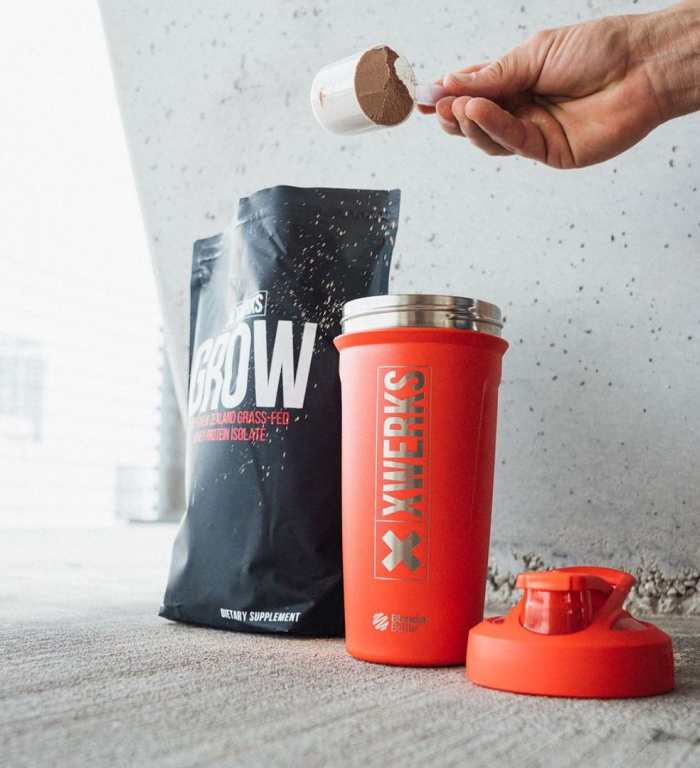
If convenience is making it difficult to include protein in meals, XWERKS Grow is a whey protein isolate option. It contains milk; check your selected flavor's ingredients, allergens, and serving information. It is not a complete meal or an overtraining treatment, and the guidance above is not evidence that Grow prevents overtraining syndrome.