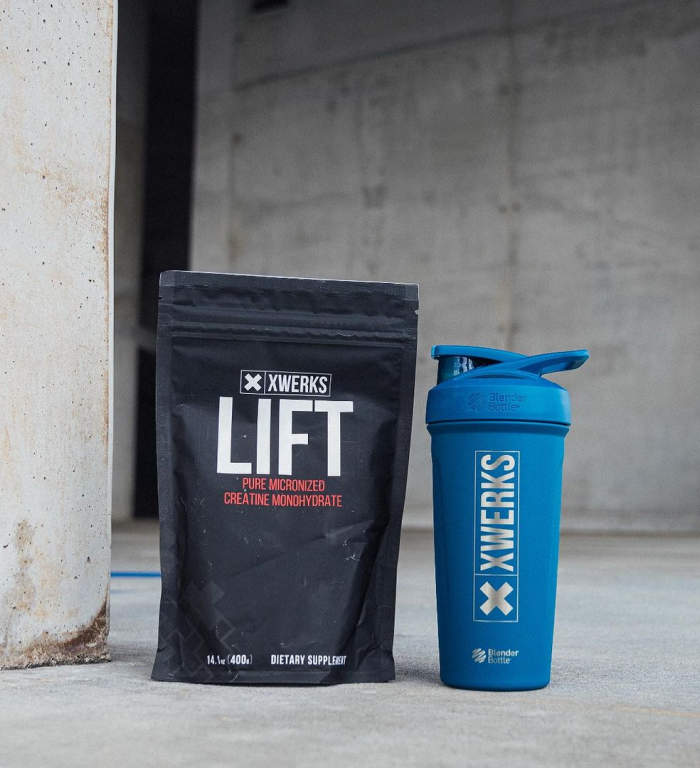


The best sports drink for a pickleball tournament depends on actual playing time, heat, meal access and what you already get from food. Water can be enough for shorter play with normal meals; a carbohydrate drink becomes more useful when repeated matches make eating difficult. A long day on the tournament schedule is not necessarily a long continuous workout.
XWERKS sells Motion, the carbohydrate drink discussed here. This guide matches drink types to tournament situations rather than claiming a pickleball trial has established one product as the winner. The recommendations are practical applications of sports-nutrition and hydration guidance, not pickleball-specific product-test results.
Which drink should you choose for your tournament day?
Choose water for a simple fluid need, an electrolyte-focused drink when sodium replacement is the priority, and a carbohydrate drink when liquid fuel solves a meal or snack problem. One bottle does not have to perform every role.
| Tournament situation | Useful starting approach | Question to ask |
|---|---|---|
| A few short matches with a full meal break | Water plus normal meals and snacks | Do I actually need additional liquid calories? |
| Hot conditions with substantial sweating | An individualized fluid and sodium plan | How much sodium does the selected drink contain? |
| Repeated matches with little time to eat | A familiar carbohydrate drink or easy snack | What can I comfortably consume between matches? |
| Long gaps followed by more play | A meal or snack, with drinks adjusted to conditions | Am I fueling active play or simply sipping all afternoon? |
The ACSM joint position statement emphasizes matching food and fluid strategies to the training or competition situation. Applying that principle to pickleball means considering the day's pattern instead of copying a marathon fueling plan. Nutrition and Athletic Performance.
How is a tournament different from a normal session?
A pickleball tournament creates uncertainty about breaks, so the useful nutrition plan includes options rather than a rigid drink schedule. You may finish quickly, play several close matches or wait much longer than expected.
Pack a familiar snack that does not depend on a concession stand being open. Keep plain water available even if you bring a flavored sports drink. A cooler or insulated bag can make the food and drinks more pleasant to use, while any perishable foods still need appropriate temperature control.
Consider two hypothetical players at the same six-hour event. One plays several short matches with a long lunch break; the other plays repeated demanding matches with brief gaps. The identical event duration does not justify identical carbohydrate intake. Record actual court time and eating opportunities when evaluating what worked afterward.
When does XWERKS Motion make sense?
Motion makes sense when a drink is a convenient way to add carbohydrate between or during repeated bouts of play. Motion's label image lists 25 g Cluster Dextrin and 3 g BCAAs per scoop, with 34 mg sodium, 80 mg calcium and 35 mg magnesium. Motion product label.
Motion is therefore best considered a fuel option that contains some electrolytes, rather than a stand-alone high-sodium solution for every hot tournament. The product's BCAAs do not replace a meal or supply the complete protein of a whey shake.
Follow the current package directions and use a concentration you have already tried. The product page directs mixing a scoop with 8–12 fl oz of water. Do not assume that forcing several scoops into a small bottle improves the plan; carbohydrate intake and fluid intake need to make sense together. Check the package for total carbohydrate and allergens; the label image lists soy.
Why does sodium deserve a separate check?
The word “electrolytes” does not tell you how much sodium a sports drink supplies. Read the milligrams per serving and calculate what the amount you actually drink provides.
One labeled Motion scoop supplies 34 mg sodium; two scoops supply 68 mg by arithmetic. That information does not establish a personal sodium target. Sweat losses vary, and food or another drink may already contribute sodium to the day's plan. Motion label.
The NATA fluid-replacement statement recommends individualizing hydration and avoiding both underdrinking and overdrinking. Use experience in similar conditions to refine a plan, and seek sports-dietitian guidance if you routinely struggle with long, hot events. NATA statement.
Our guide to sweat rate versus sweat sodium explains why the amount you sweat and its sodium concentration are separate measurements. Neither can be inferred from how salty a sports drink tastes.
What should you pack for a full tournament day?
For a pickleball tournament, pack water access, familiar food and any planned drink mix to handle short breaks, long delays and changing weather. The following checklist is a planning example, not a prescribed intake schedule.
| Item | Purpose | Practical check |
|---|---|---|
| Plain water | Adjust fluid intake independently of fuel | Know where refills are available |
| Familiar carbohydrate drink or snack | Fuel when a meal is inconvenient | Use an option already tested in play |
| A meal option for longer breaks | Avoid relying on drinks all day | Choose something comfortable before activity |
| Cooler or insulated carrier as needed | Maintain appropriate storage | Keep perishable foods cold |
| A simple note on bottle contents | Avoid confusing water, fuel and other drinks | Label bottles before leaving home |
If you use caffeine elsewhere, include that in the plan too. Buying a sports drink does not create a need to add pre-workout or an energy drink. Keep the number of unfamiliar products low on competition day.
How do you know whether your drink choice worked?
Evaluate a tournament drink by whether the plan was practical, comfortable and appropriate for the day's demands. Winning or losing alone cannot identify whether a particular drink was effective.
After the event, note the number of matches, approximate active time, heat, meal breaks and any stomach discomfort. Record how much drink remained unused. Those observations can help distinguish a packing mistake from a product that does not fit your preferences.
Change one manageable part of the routine during a later practice session. For example, try a different snack timing or clearer bottle labeling before changing several products at once. Treat persistent or unusual fatigue as a reason to review the broader situation, rather than automatically buying a stronger drink.
Questions about pickleball sports drinks
Pickleball tournament nutrition should fit the player and the match schedule. These answers help separate fuel needs from product marketing.
Does every pickleball player need a carbohydrate drink?
Not every pickleball player needs a carbohydrate drink; liquid carbohydrate is a convenience option when repeated play limits eating. Shorter sessions with adequate meals may not need one.
Is Motion the same as a zero-calorie electrolyte drink?
XWERKS Motion is not a zero-calorie electrolyte drink; Motion contains carbohydrate from Cluster Dextrin. A zero-calorie electrolyte drink is designed for a different job, so compare the labels rather than treating the categories as interchangeable.
Should I drink the same amount during every match?
A fixed match-by-match amount ignores differences in match length, weather and individual needs. Keep fluids accessible and use a plan developed under similar conditions.
What if I play twice in one day?
Between two pickleball sessions in one day, use the gap to reassess food, fluid and recovery needs. The guide to carb drinks for two-a-day workouts provides additional planning context.