

TL;DR
- Runners need a tighter, more focused supplement framework than general gym-goers because of running-specific issues — iron deficiency risk, GI tolerance constraints, electrolyte demands, muscle preservation during high-volume training, and bone density concerns.
- Tier 1 (every runner): protein (1.4-1.8g/kg daily), vitamin D3 (2,000-4,000 IU), omega-3 (2-3g EPA+DHA), iron if indicated by ferritin testing. The foundation that matters regardless of mileage.
- Tier 2 (most serious runners): creatine (3-5g daily), pre-workout for hard sessions, intra-workout carbs for runs over 60-90 minutes, magnesium (200-400mg evening). The performance and recovery additions.
- Tier 3 (specific situations): electrolyte supplementation during heat training, beta-alanine loading for HIIT/track athletes, ashwagandha for high-volume training stress, glucosamine/turmeric for joint support in older runners.
- Skip: kitchen-sink "endurance stacks" with 15+ ingredients at sub-clinical doses, "fat-burner" pre-workouts with secondary stimulants, energy gels positioned as primary fueling without considering glycogen needs, expensive proprietary blends without disclosed individual amounts.
"Supplements for running" is one of the most-searched questions in endurance fitness — and one of the most poorly answered. Most ranking articles fall into one of two failure modes: generic "everyone should take vitamin D" listicles that don't address running-specific needs, or overly elaborate stacks recommending 12+ supplements at sub-clinical doses that produce token effects across many ingredients rather than meaningful benefits from any. The honest picture: runners need a focused, tier-based supplement framework built around the specific physiological challenges running creates. Iron deficiency is more common in runners than non-athletes due to repeated foot-strike hemolysis and elevated iron needs. GI tolerance during sustained running constrains which supplements can be taken pre-run vs. post-run. Electrolyte losses during long runs create acute needs that don't apply to gym-goers. Muscle preservation during high-volume training matters because high-mileage runners lose muscle without intervention. Bone density concerns matter more for runners than for general fitness audiences. This guide covers a three-tier supplement framework — foundation supplements every runner benefits from, performance supplements for serious runners, and situational supplements for specific contexts (heat training, HIIT focus, older runners). The framework lets you build appropriate supplementation regardless of whether you're running 15 miles per week or training for ultra distances.
Why runners need a different supplement approach
Several factors make runners' supplement needs different from gym athletes or general population:
1. Foot-strike hemolysis and iron loss. Each foot strike causes mechanical destruction of red blood cells in the feet — accumulated over thousands of foot strikes per long run, this contributes to iron loss. Combined with elevated iron needs from increased red blood cell production for oxygen transport, runners face higher iron deficiency risk than non-athletes. Research documents iron-deficiency anemia rates of 5-15% in distance runners vs. 2-5% in general population.
2. GI tolerance constraints during running. Running redirects blood flow away from the gut more than any other endurance sport. Supplements that are tolerated fine for lifters can produce GI urgency mid-run. Beta-alanine, high citrulline doses, and certain stimulant combinations have higher GI risk for runners than gym athletes.
3. Electrolyte losses during sustained running. Hot-weather running, long runs, and high-intensity intervals produce sweat losses of 500-1,500ml per hour with sodium losses of 500-1,500mg per hour. These acute electrolyte demands don't apply to typical gym training but become critical during running.
4. Muscle preservation during high-volume training. 40-80+ mile weeks combined with typical runner caloric intake often produces muscle loss without intervention. The classic "runner's body" — lean but with reduced muscle mass — partially reflects undertrained protein and inadequate recovery support.
5. Bone density risk. Distance running is associated with bone density concerns, particularly for high-mileage athletes, female runners with energy availability issues, and aging runners. Calcium, vitamin D, and bone-supporting protocols matter more for runners than for resistance-training athletes who get bone-loading from heavy lifts.
6. Glycogen depletion patterns. Running depletes muscle glycogen faster than equivalent-intensity gym work. Daily carb needs are higher; intra-workout fueling becomes essential for sessions over 60-90 minutes; recovery carb timing matters.
Tier 1: Foundation supplements every runner benefits from
These are the foundational supplements that benefit virtually every runner — from casual 3-runs-per-week recreational athletes through competitive marathon and ultra runners. The "if you only take a few supplements, take these" tier.
Whey protein isolate
25-35g per serving · 1.4-1.8g/kg daily totalMost runners chronically underconsume protein. Current research supports 1.4-1.8g/kg body weight daily for high-volume endurance athletes — meaningfully higher than the 1.0-1.2g/kg older endurance recommendation. Higher protein supports muscle preservation during high-volume training, recovery between sessions, immune function during heavy training blocks, bone density, and prevention of relative energy deficiency in sport (RED-S).
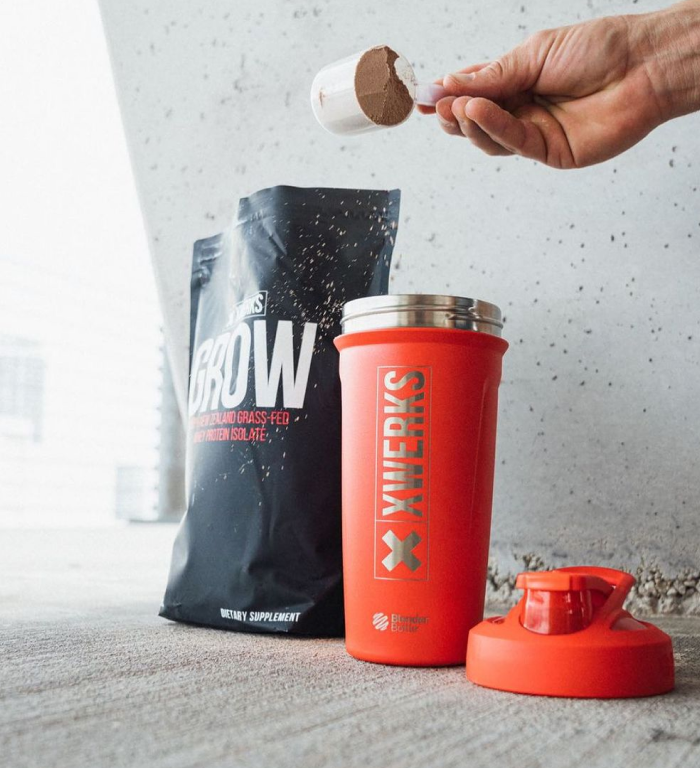
Whey isolate is particularly valuable post-run — fast-digesting, complete amino acid profile, high leucine content for muscle protein synthesis, low volume for use when running suppresses appetite. XWERKS Grow for NZ grass-fed whey isolate. See our protein for marathon runners guide for the deep dive.
Vitamin D3
2,000-4,000 IU dailyRoughly 40% of adults are vitamin D deficient. For runners specifically, vitamin D supports bone health, immune function (critical during high-volume training when immunosuppression is real), muscle function, and overall recovery. Vitamin D deficiency correlates with increased injury rates in distance runners.
Test 25(OH)D blood level periodically; supplement to maintain 40-60 ng/mL. Higher doses (5,000+ IU) for severely deficient individuals; consult physician for personalized dosing if testing shows substantial deficiency.
Omega-3 fatty acids (EPA + DHA)
2-3g daily of combined EPA + DHAReduces training-induced inflammation, supports cardiovascular health, supports recovery between sessions. Particularly relevant for high-mileage runners managing accumulated inflammatory load. Research supports modest performance benefits and clearer recovery improvements at 2-3g daily of combined EPA + DHA from quality fish oil or algae-based sources.
Quality matters: third-party tested products (USP, IFOS) have verified EPA/DHA content and contaminant testing. Cheap fish oil products can have rancidity issues that undermine the benefits.
Iron (if indicated by ferritin testing)
Test before supplementingIron is critical for oxygen transport and endurance performance. Runners face higher iron deficiency risk than non-athletes — but iron supplementation should be guided by blood testing rather than assumption. Test serum ferritin (iron storage) and hemoglobin annually for high-volume runners; semi-annually for women with heavy menstrual losses.
Optimal ferritin for athletic women: 50+ ng/mL. For men: 50+ ng/mL minimum. Many runners function with ferritin below 30 ng/mL even with normal hemoglobin — this represents subclinical iron deficiency that affects performance.
Don't self-supplement high-dose iron without testing. Too much iron is also a problem; iron supplementation can mask other conditions. If testing shows depletion, work with your physician to determine appropriate iron form (ferrous sulfate, ferrous bisglycinate, etc.) and dose.
Tier 2: Performance supplements for serious runners
The next tier of supplements — meaningful additions for runners with regular weekly training, race goals, or who want to optimize performance and recovery beyond foundation supplements alone. Most committed runners benefit from this tier; casual runners can skip without significant downside.
Creatine monohydrate
3-5g daily, every dayCounterintuitive but research-backed. Most distance runners assume creatine "is for lifters" and skip it. The research supports benefits for running economy (modest improvements), recovery between sessions, late-race anaerobic effort (final kick, surges), muscle preservation during high-volume training, cognitive function during long efforts, and bone density support.
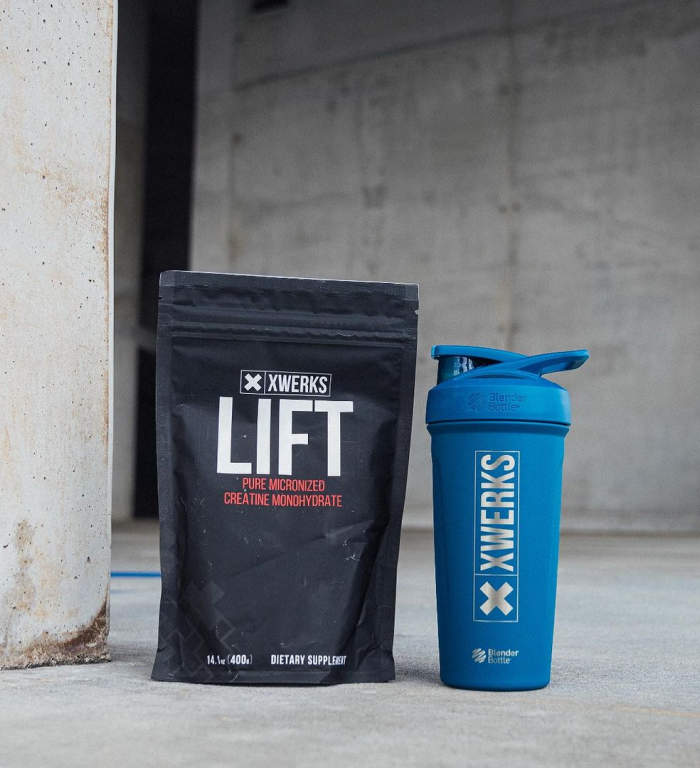
The water weight concern (1-2 lbs intracellular water in first 2-3 weeks) is overstated — the performance benefits typically more than offset the small theoretical pace cost. XWERKS Lift for powder, Build for gummies. See our creatine for marathon runners guide for the full case.
Pre-workout (training days, race day)
150-300mg caffeine · scaled to body weightThe most-researched ergogenic for endurance running. Guest 2021 ISSN position stand documents 2-4% endurance improvements at 3-6mg/kg caffeine doses. For runners specifically, target moderate caffeine (3-5mg/kg) to avoid cardiovascular load compounding sustained running.
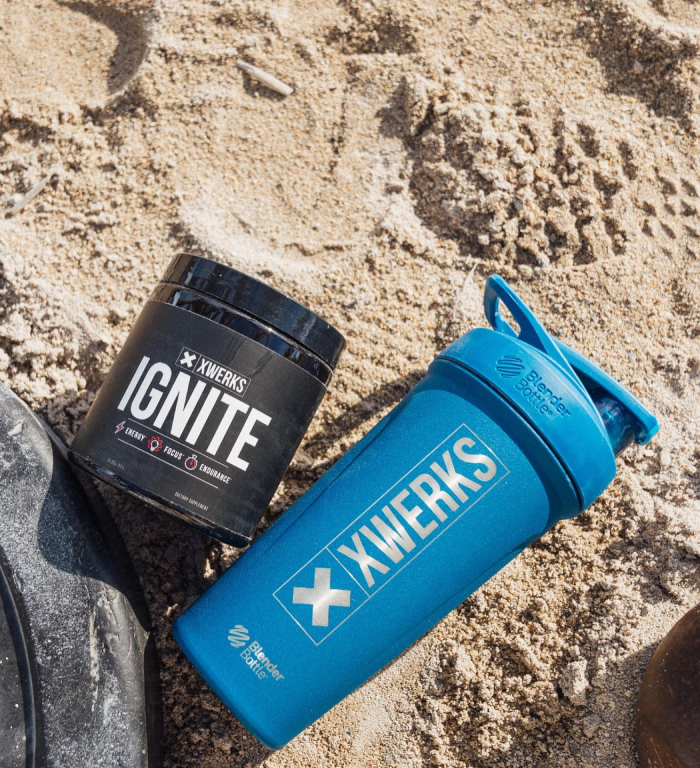
Look for: moderate caffeine (150-250mg), citrulline (3-6g), L-tyrosine (1-2g for sustained focus), low beta-alanine (under 2g per serving to avoid GI issues during long runs). XWERKS Ignite for moderate-stim runner-appropriate dosing. See our pre-workout for running guide.
Intra-workout carbs (for runs over 60-90 minutes)
30-60g per hour · up to 90g for marathon-pace effortsSustained running depletes muscle glycogen faster than equivalent-intensity gym work. Sessions over 60-90 minutes benefit from intra-workout carb fueling — extends performance, prevents the "wall," and supports race-pace efforts.
Highly-branched cyclic dextrin (Cluster Dextrin) is particularly valuable for runners — low osmolality means GI-friendly delivery, sustained release vs. spike-and-crash patterns of simple sugars. XWERKS Motion with 25g Cluster Dextrin + electrolytes. See our carbs for marathon runners guide.
Magnesium glycinate
200-400mg eveningMany runners are chronically magnesium-insufficient. Magnesium supports muscle function, sleep quality, recovery, and electrolyte balance. The glycinate form is well-absorbed and unlikely to cause GI issues. Particularly relevant for runners with poor sleep, frequent cramping, or persistent muscle tightness.
Tier 3: Situational supplements for specific contexts
The third tier of supplements — useful in specific situations but not universally beneficial across all runners. Choose based on your specific training context, goals, or life-phase factors.
Electrolyte supplementation (during heat training)
500-1,000mg sodium per hour during sustained efforts in heatHot-weather training requires aggressive electrolyte replacement — sweat losses can reach 2-3L per hour with sodium losses approaching 1-2g per hour. Plain water during long runs in heat creates hyponatremia risk; electrolyte supplementation prevents this.
Sources: electrolyte drink mixes (LMNT, Liquid I.V., Nuun), salt tablets, or comprehensive intra-workout products combining carbs + electrolytes. See our hot weather training supplementation guide for the detailed protocol.
Beta-alanine (for HIIT/track athletes)
3-6g daily total · loaded over 4-6 weeksBeta-alanine's lactate buffering specifically benefits 1-4 minute high-intensity efforts. Most relevant for runners doing significant interval work, track training, or 800m-5K racing. Less critical for marathon and ultra-distance training where the work is sub-threshold.
The tingling sensation (paresthesia) is normal at higher doses and fades with consistent use. Most pre-workouts contain 1.5-2g beta-alanine; track athletes targeting full clinical doses add standalone beta-alanine to hit 3-6g daily total.
Ashwagandha (for high-volume training stress)
300-600mg standardized extract dailyAdaptogenic herb with research support for cortisol reduction and stress resilience. Particularly valuable for runners managing high training volumes plus outside life stress (work, family, life demands). Chandrasekhar 2012 documented 27.9% cortisol reduction at 300mg twice daily. Lopresti 2019 confirmed stress score improvements.
Quality matters: standardized extracts (KSM-66 or similar 5%+ withanolide concentration) are well-studied. XWERKS Ashwa for 1,500mg Withania somnifera 30:1 extract.
Joint support (glucosamine, turmeric, omega-3)
For older runners or those with joint concernsAging runners (40+) and runners with documented joint issues may benefit from joint-supporting supplements. Glucosamine sulfate (1,500mg daily) has modest research support for joint comfort. Turmeric/curcumin (500-1,500mg daily of standardized extract with bioavailability enhancers) supports inflammatory pathway management. Omega-3 already in Tier 1 contributes here as well.
Effects are gradual and modest — these aren't dramatic interventions. Combined with appropriate training load management, mobility work, and weight management, they're a reasonable addition for runners managing accumulated joint stress.
Calcium and vitamin K2 (for bone density support)
For high-mileage runners, female runners, aging runnersBone density is a real concern for distance runners. Most adults get adequate calcium from diet (dairy, leafy greens, fortified products) but high-mileage runners and those with restricted diets may benefit from supplementation. Vitamin K2 supports calcium directing to bones rather than soft tissues.
For most runners, focus on dietary calcium first; supplement only if intake is consistently below 1,000-1,200mg daily. K2 supplementation (100-200mcg MK-7 daily) supports bone health alongside vitamin D and calcium.
Caffeinated gels (for race day specifically)
25-50mg caffeine in single-serving gelsFor long-distance race days (half-marathon and beyond), caffeinated gels at strategic mile markers provide acute caffeine top-up alongside intra-race carbs. Test in training before relying on for races. Common protocol: caffeinated gel at mile 16-18 of a marathon for closing-mile mental focus.
Probiotics (for runners with GI issues)
Multi-strain products at 10+ billion CFUSome runners experience chronic GI sensitivity that affects training and racing. Probiotic supplementation may support gut health and reduce GI distress during running. Research is mixed but the downside risk is minimal. Worth trying for runners with persistent GI issues; not necessary for runners without GI complaints.
Tongkat Ali (for aging male runners)
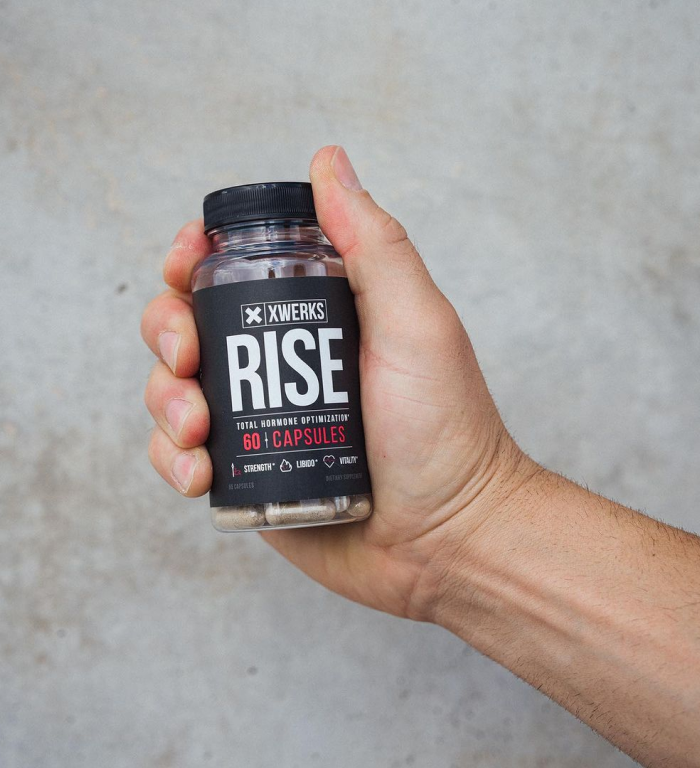
200-400mg standardized extract dailyAging male runners face age-related testosterone decline that can affect recovery, muscle preservation, and motivation. Tongkat Ali has research support for testosterone and cortisol modulation in stressed and aging populations. Particularly relevant for male runners 40+ noticing recovery issues, energy decline, or motivation challenges. XWERKS Rise for 400mg standardized Tongkat Ali + zinc + boron + shilajit.
What to skip
• Kitchen-sink "endurance stacks" with 15+ ingredients: Token amounts of everything, effective doses of nothing. Five well-dosed ingredients beat fifteen at marketing-display amounts. Common pattern in expensive "endurance formulas" that combine modest amounts of multiple ingredients.
• "Fat-burner" pre-workouts with yohimbine, synephrine, higenamine: Secondary stimulants compound cardiovascular load during sustained running. Anxiety-inducing for race-day-nervous runners. Not appropriate for endurance training.
• Energy gels positioned as primary fueling without considering glycogen needs: Gels work but are expensive ($3-4 each); using gels exclusively for daily training is cost-prohibitive. Use Cluster Dextrin or other powder-based intra-workout products for daily training; reserve gels for race days and longest sessions.
• Expensive proprietary blends without disclosed individual amounts: "Endurance matrix" or "performance complex" listed at total weight without individual ingredient amounts. Hides underdosing. Avoid in favor of transparent-label alternatives.
• Self-supplementing iron without testing: Iron deficiency requires diagnosis. Self-supplementing high-dose iron without ferritin testing can mask serious conditions and create iron overload risk. Always test before supplementing.
• Taking pre-workout for every easy run: Builds caffeine tolerance rapidly, disrupts sleep, costs more than necessary. Reserve pre-workout for harder sessions; coffee or nothing for easy runs.
• Mega-doses of single supplements: "More is better" doesn't apply to most supplements. Vitamin D at 10,000 IU daily, B12 mega-doses, excessive zinc — unnecessary at best, potentially harmful at worst. Stick to research-backed dose ranges.
• "Anti-aging" supplement stacks marketed to older runners: NMN, NAD+, resveratrol, and similar trending compounds have weak research support at supplement doses. The fundamental anti-aging interventions for runners (consistent training, adequate protein, sleep, stress management, vitamin D, omega-3) outperform exotic supplement protocols.
• "Hydrogen water" and similar gimmicks: Trending products with weak research support at supplement-relevant doses. Expensive marketing positioned as breakthrough nutrition; rarely worth the premium.
• BCAAs as a separate supplement when consuming adequate protein: BCAAs are part of complete protein. Runners hitting 1.4-1.8g/kg daily protein get adequate BCAAs from food and whey. Standalone BCAA supplementation is largely unnecessary if protein intake is adequate.
Building your runner supplement framework
Don't try to start every recommended supplement at once. Build the framework gradually:
Month 1: Tier 1 foundation only.
• Add whey protein isolate (1.4-1.8g/kg daily target via diet + 1-2 shakes)
• Vitamin D3 (2,000-4,000 IU daily)
• Omega-3 (2-3g EPA+DHA daily)
• Get blood work — ferritin, hemoglobin, vitamin D, comprehensive metabolic panel
• Address iron deficiency if indicated by testing
Month 2-3: Add Tier 2 performance supplements based on training demands.
• Creatine monohydrate (3-5g daily) — if not contraindicated
• Pre-workout for hard sessions (avoid every-day usage)
• Intra-workout carbs for runs over 60-90 minutes
• Magnesium glycinate (200-400mg evening) if sleep/recovery issues
Month 4+: Add Tier 3 situational supplements based on specific needs.
• Electrolyte supplementation if hot-weather training
• Beta-alanine if doing significant interval/track work
• Ashwagandha if high-stress training periods
• Joint support if older or with joint concerns
• Tongkat Ali for aging male runners
The gradual build approach lets you assess what actually helps. Starting everything simultaneously makes it impossible to know which supplements are producing benefits vs. which are passive baseline.
Supplement framework by runner type
Casual recreational runner (15-25 miles/week)
Focus on Tier 1 foundation only: protein adequate to needs (1.2-1.4g/kg daily), vitamin D, omega-3. Iron testing if symptomatic. Magnesium if sleep is poor. Skip Tier 2-3 supplements unless specific issues arise. Most casual runners overcomplicate supplementation; foundation is sufficient.
Half-marathon and marathon trainee (25-50 miles/week)
Full Tier 1 + most of Tier 2: Foundation supplements + creatine for recovery + pre-workout for harder sessions + intra-workout carbs for long runs. Ashwagandha during peak training blocks. See our marathon-specific protein and marathon carbs guides for distance-specific deep dives.
Ultra runner (50+ miles/week, ultra-distance racing)
Comprehensive Tier 1-3 framework: All foundation + all performance + heavy emphasis on situational supplements (electrolytes for any hot-weather work, comprehensive intra-workout fueling, ashwagandha for stress management, joint support, possibly tongkat ali for aging males). Ultra runners face the highest training demands and benefit from the most comprehensive supplementation.
Track and short-distance runner (5K-10K focus)
Tier 1 + targeted Tier 2-3: Foundation supplements + beta-alanine (loaded chronically for the 1-4 minute work characteristic of 5K racing) + pre-workout for race-pace and interval sessions + creatine (more relevant than for long-distance runners). Intra-workout fueling matters less than for marathon runners.
Trail runner
Tier 1 + selective Tier 2-3: Foundation + creatine + intra-workout fueling for long sessions + electrolytes (trail conditions often hot or extended) + joint support given uneven terrain stress + selective pre-workout use.
Female runner
Tier 1 with iron emphasis + selective Tier 2-3: Foundation supplements with particular attention to iron status (test annually; many female runners have subclinical deficiency despite normal hemoglobin) + creatine (research strongly supports benefits for women including bone density during perimenopause) + magnesium (often deficient in active women) + calcium and K2 considerations for bone health. See our creatine for women guide.
Aging male runner (40+)
Tier 1-3 with masters athlete emphasis: Foundation + creatine (particularly valuable for muscle preservation against age-related decline) + tongkat ali for testosterone support (XWERKS Rise) + joint support + magnesium for sleep + omega-3 at higher dose for cardiovascular and joint support. Aging runners benefit from the most comprehensive supplementation tier.
Aging female runner (perimenopause/postmenopause)
Tier 1-3 with hormone-shift emphasis: Foundation + creatine (strong evidence base for postmenopausal women) + ashwagandha for cortisol management during hormonal transition + calcium and K2 for bone density + magnesium for sleep + iron testing (particularly during perimenopausal heavy bleeding episodes). Older female runners face compounded supplement needs from running plus hormonal transitions.
The honest economics of runner supplementation
Runner supplementation costs vary substantially based on which tier you commit to. The honest math:
Tier 1 foundation only: $40-60/month. Whey protein (~$25/month at one shake daily), vitamin D3 (~$5/month), omega-3 (~$15/month), iron only if needed. Most cost-effective and produces meaningful benefits for virtually every runner.
Tier 1 + Tier 2 performance: $80-150/month. Adds creatine (~$10/month), pre-workout (~$30-50/month for moderate use), intra-workout carbs (~$15-25/month based on long run frequency), magnesium (~$5-10/month). Returns scale with training volume and race goals.
Tier 1-3 comprehensive: $150-300+/month for high-volume runners. Adds situational supplements based on individual needs. Worth it for ultra runners, marathon racers with goal performances, or runners with specific issues that targeted supplementation addresses.
The cost-benefit reality: Tier 1 supplements have the best ROI by far. Tier 2 produces meaningful additional benefits for serious runners. Tier 3 produces incremental benefits for specific situations. Beyond Tier 3, additional supplements typically produce diminishing returns at increasing cost.
Most runners overcomplicate supplementation, spending money on Tier 3 supplements while missing Tier 1 fundamentals. The ranked-priority approach (foundation first, build from there) prevents this pattern.
Pre-run vs post-run supplement timing
Pre-run (60-90 minutes before)
Pre-workout · light carb mealPre-workout (if using) 60-90 min before for caffeine peak during early miles. Light carb meal (banana, oatmeal, toast) 90 min before for fuel. Avoid high-fiber, high-fat foods or untested supplements pre-run.
During runs over 60-90 minutes
Intra-workout carbs + electrolytesCluster Dextrin or other GI-friendly carb sources at 30-60g/hour. Electrolytes (sodium 400-800mg/hour) particularly in heat or longer efforts. XWERKS Motion handles both in one product.
Post-run (within 60 minutes)
Protein + carbs + hydrationProtein (25-40g whey isolate) + carbs (1.0-1.2g/kg for hard sessions and long runs) + electrolyte rehydration. Most important after quality sessions and long runs; less critical after easy runs. XWERKS Grow shake + banana + electrolyte drink covers the protocol cleanly.
Daily (any time)
Foundation supplements at consistent timesVitamin D, omega-3, magnesium, creatine, iron (if indicated), and other foundation supplements work through chronic effects rather than acute timing. Take at consistent times that fit your routine — morning with breakfast, evening with dinner, whenever produces best consistency.
The Bottom Line
Runners need a focused, tier-based supplement framework built around running-specific physiological challenges — iron deficiency risk, GI tolerance constraints, electrolyte demands, muscle preservation during high-volume training, bone density concerns.
Tier 1 (every runner): protein (1.4-1.8g/kg daily), vitamin D3 (2,000-4,000 IU), omega-3 (2-3g EPA+DHA), iron if indicated by ferritin testing. The foundation that matters regardless of mileage.
Tier 2 (most serious runners): creatine (3-5g daily), pre-workout for hard sessions, intra-workout carbs for runs over 60-90 minutes, magnesium glycinate (200-400mg evening). The performance and recovery additions.
Tier 3 (specific situations): electrolyte supplementation during heat training, beta-alanine for HIIT/track athletes, ashwagandha for high-volume training stress, joint support for older runners, tongkat ali for aging males, calcium and K2 for bone density support.
Skip: kitchen-sink endurance stacks, fat-burner pre-workouts, expensive proprietary blends, mega-doses of single supplements, anti-aging trends without research support, BCAAs when protein intake is adequate.
Build the framework gradually — Tier 1 first, add Tier 2 over months 2-3, add Tier 3 based on specific needs. Don't start everything at once; build incrementally to assess what actually helps.
Match the framework to your runner type — casual recreational runners benefit from Tier 1 alone; marathon trainees need Tier 1-2; ultra runners benefit from comprehensive Tier 1-3 framework. Don't over-supplement for your training demands.
Dig deeper: protein for marathon runners · carbs for marathon runners · creatine for marathon runners · pre-workout for running · hot weather training supplementation
The Runner's Foundation Stack
The XWERKS runner stack: Grow (NZ grass-fed whey isolate for muscle preservation and recovery) + Lift (creatine monohydrate for running economy and recovery) + Motion (Cluster Dextrin + electrolytes for runs over 60-90 minutes) + Ignite (moderate-stim pre-workout for hard sessions and race day). Built for runners who want a focused, research-backed framework rather than kitchen-sink endurance stacks.
Shop the Stack