TL;DR
- Caffeine is the single most-researched ergogenic aid for running — meta-analyses show 2-4% endurance improvement at 3-6mg/kg body weight.
- For runners: caffeine (150-300mg), citrulline (3-6g for blood flow), low beta-alanine (under 2g to avoid GI issues), no creatine in pre-workout.
- Timing: 45-60 min before run. Caffeine peaks at 45-90 min post-ingestion. For long runs, consider split dosing with a caffeinated gel mid-run.
- Avoid GI disasters: skip high-fiber, high-fat, or new pre-workouts on race day. Test everything in training first. Plain caffeine often works better than complex formulas for runners.
Running is one of the most caffeine-responsive sports in athletics. The Guest 2021 ISSN position stand on caffeine documents consistent performance benefits across distances from 5K to marathon, with 2-4% endurance improvements at doses of 3-6mg per kg body weight taken 45-60 minutes pre-run. But runners face unique constraints that change what a good pre-workout looks like: GI tolerance matters more than any other sport (diarrhea mid-run is catastrophic), mega-stim products elevate heart rate unhelpfully during sustained aerobic work, and ingredient complexity creates race-day risk. The evidence-backed profile for runners: moderate caffeine (150-300mg depending on body weight and distance), citrulline malate (3-6g for blood flow), L-tyrosine (1-2g for focus), and optional low-dose beta-alanine. For many runners, plain caffeine (via coffee, tablet, or gel) outperforms complex pre-workout formulas because it's predictable, GI-tested, and easy to dial in.

What makes pre-workout different for runners
GI tolerance is the primary variable
Running redirects blood flow away from the gut, which impairs digestion. A pre-workout that's fine for lifting may cause GI distress mid-run. This is why runners tend to prefer simpler, tested formulas over kitchen-sink products — the more ingredients, the more chances for GI issues.
Sustained aerobic work, not bursts
Unlike lifting or CrossFit, running is primarily sustained aerobic effort. The pre-workout ingredients that matter most are those supporting endurance and perceived effort (caffeine, citrulline) rather than acute power (high beta-alanine, exotic stims).
Heart rate considerations
Running already elevates heart rate for 30-90+ minutes. Adding mega-stim pre-workout compounds cardiovascular load without improving performance. Moderate caffeine is optimal; 400mg+ is counterproductive.
What to look for in a running pre-workout
Caffeine
3-6mg per kg body weight · 150-300mg for most runnersFor a 150-lb runner: ~200-400mg. For easy runs, the lower end. For race efforts or tempo work, the upper end. Guest 2021 confirms consistent ergogenic effects across this range. Take 45-60 min pre-run.
Citrulline malate
3-6g per servingSupports blood flow and NO production — theoretically useful for oxygen delivery during sustained aerobic work. Research is stronger for resistance training than for endurance, but GI-safe and a reasonable inclusion.
L-tyrosine
1-2g per servingSupports focus and cognitive function under stress (Jongkees 2015). Useful for long runs where mental fatigue compounds and pace judgment matters.
Beta-alanine
Keep under 2g pre-runBeta-alanine's benefits come from chronic loading (3-6g daily over 4-6 weeks). Within a pre-workout, doses over 2g can cause uncomfortable tingling during the run. Some runners avoid beta-alanine entirely in pre-workout; others tolerate 1.5g fine. Test in training.
Electrolytes (often separate)
Via intra-run drink, not pre-workoutFor runs over 60-90 minutes, electrolytes matter (sodium 400-800mg/hour) — but usually via a separate intra-run drink rather than pre-workout. XWERKS Motion covers this during long efforts.
What to avoid for running
• Mega-stim pre-workouts (400mg+ caffeine): Elevated heart rate on top of sustained running is counterproductive. GI urgency mid-run is a real risk.
• Niacin-flush ingredients: Intense skin flushing during a run is unpleasant.
• Creatine pre-run: Creatine works through saturation, not acute effect. The ~1-2 lbs water retention is also something runners may want to manage separately (not fat, but real scale weight).
• Anything new on race day: Race morning is not for testing. Use the exact protocol you've practiced 5-10 times in training.
• High-fiber pre-workout mixers (fruit smoothies, oatmeal): GI disasters waiting to happen. Keep pre-run nutrition simple and tested.
XWERKS Ignite vs the leading endurance-positioned products — head-to-head
Now that you've seen what makes a good running pre-workout — moderate caffeine, GI-friendly ingredient profile, low beta-alanine, and citrulline for blood flow — here's how Ignite compares to the most popular fueling options runners actually use. Note that endurance gels and shots aren't direct competitors; they're complements (mid-run fuel) to a true pre-run product.
| Criterion | XWERKS Ignite | SiS GO Caffeine Shot | Maurten Caf 100 | GU Roctane Energy Gel | Tailwind Endurance Fuel | Transparent Labs BULK |
|---|---|---|---|---|---|---|
| Caffeine | 150mg | 150mg | 100mg | 35mg (Caffeinated) | 35-50mg per scoop | 200mg |
| L-Citrulline | 3g (citrulline malate) | None | None | None | None | 8g |
| L-Tyrosine | 2g | None | None | None | None | 2.5g |
| Beta-Alanine | 1.5g | None | None | None | None | 4g |
| Carbs | 0g | 0g | 25g | 21g | 25g per scoop | 0g |
| Electrolytes (Sodium) | None | None | None | 125mg | 305mg per scoop | None |
| Designed for use | Pre-run | Pre-run / mid-run | Mid-run | Mid-run / long efforts | During run (long efforts) | Pre-run |
| Format | Powder (water mix) | 60ml shot bottle | Hydrogel sachet | 32g gel sachet | Powder (water mix) | Powder (water mix) |
| GI-friendly profile | Moderate (1.5g beta-alanine; assess tolerance) | ✓ Excellent (minimal ingredients) | ✓ Excellent (designed for endurance GI) | Moderate (some users react) | ✓ Excellent (simple ingredients) | Moderate-low (4g beta-alanine; tingles) |
| Cost per serving | ~$1.65 | ~$3.50 | ~$4.00 | ~$3.00 | ~$2.00 | ~$1.50 |
Different tools, different jobs: The endurance-positioned products on this list (SiS, Maurten, GU, Tailwind) are primarily intra-run fuel — designed to be consumed during a run for sustained energy delivery. They're not direct competitors to a pre-workout; they complement one. For most runs over 60-90 minutes, a runner uses both: pre-workout 45-60 min before, then gels or fuel during the run.
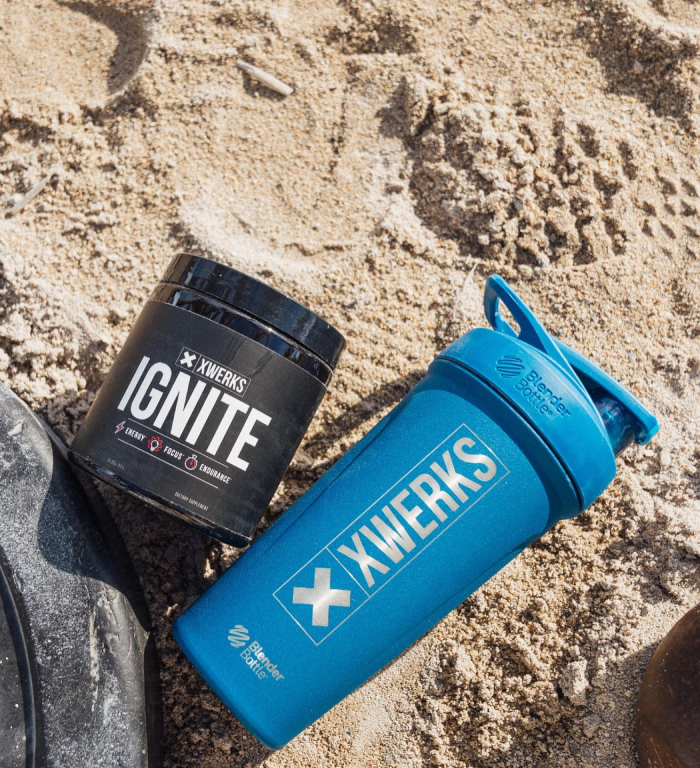
The pre-run advantage of Ignite: Among true pre-workouts, Ignite delivers moderate caffeine plus citrulline (blood flow support), tyrosine (focus), and rhodiola (perception of effort) — ingredients that endurance gels and shots don't include. This profile is purpose-built for the 30-60 minutes pre-run when you want sustained aerobic energy without the GI risk of stim-heavy mass-market pre-workouts.
Beta-alanine caveat for runners: Ignite's 1.5g beta-alanine is on the lower end of clinical doses, which is appropriate for runners — high beta-alanine causes tingling and can correlate with GI issues during sustained aerobic work. Transparent Labs BULK at 4g beta-alanine is excellent for lifting but can be uncomfortable for long runs.
Mid-run fuel is a separate need: For runs over 60-90 minutes, you'll want carbs (30-60g/hour) and electrolytes (400-800mg sodium/hour) during the run. Maurten, SiS Beta Fuel, and Tailwind handle this need. Pair Ignite pre-run + endurance fuel during long runs for the complete protocol.
Cost picture: Pre-workout powders are dramatically cheaper per serving than gels and shots. A tub of Ignite at ~$1.65/serving makes daily training affordable; gels at $3-4 each are race-day or long-run-only investments for most runners.
Pre-run protocol by distance
Easy runs (30-45 min)
Often no pre-workout needed. 100-150mg caffeine (small cup of coffee) is plenty if you want the perceived-effort benefit.
Tempo / threshold runs (30-60 min)
Full pre-workout 45 min before. XWERKS Ignite's 150mg caffeine is appropriate; add coffee earlier to reach 3-4mg/kg if needed.
Long runs (60-180 min)
Pre-workout 45-60 min before. During run: intra-run carbs (30-60g/hour) + sodium (400-800mg/hour). Consider a caffeinated gel at the 60-75 min mark for a second caffeine dose.
Race day (5K-marathon)
Only use what you've tested extensively. 3-6mg/kg caffeine 45-60 min before start. Simple, proven formulas over complex ones. Plain caffeine tablets are race-day favorites for a reason — predictable, portable, no flavor concerns.
The Bottom Line
Running responds well to caffeine — 2-4% endurance improvement at 3-6mg/kg body weight. But the profile matters: GI tolerance and heart rate management are runner-specific constraints.
Target profile: moderate caffeine (150-300mg), citrulline (3-6g), L-tyrosine (1-2g), low beta-alanine (under 2g). Skip mega-stim products and niacin.
Test everything in training. GI issues mid-run or race-day experimentation with new products wrecks performance. Simple, proven formulas beat complex untested ones.
For long runs: pair Ignite pre-run with an endurance-fuel product (Maurten, SiS, GU Roctane, Tailwind) during the run for the complete protocol — moderate-stim pre-workout plus carb/electrolyte support during sustained efforts.