

TL;DR
- Marathon runners chronically underconsume protein compared to research-backed targets. The default endurance dietary advice (1.0-1.2g/kg) is below current sports science recommendations for high-volume endurance athletes (1.4-1.8g/kg).
- Higher protein supports: muscle preservation during high-volume training, recovery between sessions, immune function during heavy training blocks, bone density support, and prevention of relative energy deficiency in sport (RED-S).
- Target for marathon runners: 1.4-1.8g protein per kg body weight daily, distributed across 4-5 meals. For a 150-lb (68kg) runner: 95-122g protein daily, with 25-35g per meal/snack.
- Whey protein isolate is particularly valuable post-run — fast-digesting, complete amino acid profile, leucine content supporting muscle protein synthesis. Use 25-40g within 60 minutes after harder runs.
- Skip: the "endurance athletes don't need much protein" framing, low-protein meal-replacement bars marketed to runners, plant proteins as primary protein source (lower leucine; require larger doses for equivalent MPS effect).
Protein for marathon runners is one of the most-misunderstood topics in endurance nutrition. The conventional wisdom from the 1980s-90s — "endurance athletes need carbs, not protein" — created a generation of runners who chronically underconsume protein and pay the price in compromised recovery, muscle loss during high-volume training, increased injury risk, and diminished performance. Modern sports science research has substantially revised these recommendations upward. Current research supports 1.4-1.8g protein per kg body weight daily for high-volume endurance athletes — substantially higher than the 0.8-1.0g/kg general population recommendation, and meaningfully higher than the 1.0-1.2g/kg older endurance recommendation. The benefits documented at higher protein intakes for marathon runners include muscle preservation through training blocks, faster recovery between sessions, support for immune function during heavy training (immunosuppression is a real concern at high mileage), bone density support (chronic underfueling contributes to bone density issues in distance runners), and prevention of relative energy deficiency in sport (RED-S). This guide covers the research, the daily target math, the per-meal distribution that actually drives muscle protein synthesis, when whey protein supplementation makes sense, and how to think about protein in the broader marathon nutrition framework.
Why marathon runners chronically underconsume protein
Several factors combine to produce the chronic protein underconsumption seen in marathon runners:
1. Outdated dietary advice. Endurance nutrition guidance from the 1980s-90s emphasized carbohydrate loading and treated protein as a secondary concern. "Carbs are king for endurance" became cultural orthodoxy. Modern research has substantially updated these recommendations, but the cultural messaging hasn't caught up.
2. Caloric balance constraints. Marathon runners running 60-80+ miles per week burn substantial calories. Many runners try to eat at maintenance or slight deficit, which makes hitting protein targets harder when calories are limited. Carbs and fats become the easy calories; protein becomes the variable that gets compromised.
3. Training intensity affects appetite differently than for other sports. High-mileage running can suppress appetite (the "runner's high" hormonal response), which makes consciously hitting protein targets more difficult than for athletes whose training stimulates appetite.
4. Carb-focused fueling habits. Marathon runners often eat substantial carbs during long runs and races (60-90g/hour during efforts) — appropriate for performance but doesn't address daily protein needs. The carb focus can crowd out protein from the daily diet.
5. Cultural messaging in running communities. Running-specific nutrition resources, blogs, and coaches often perpetuate the "endurance = carbs" framing without updating to current sports science recommendations on protein.
The result: surveys of marathon runners typically show actual protein intakes of 0.8-1.2g/kg — well below current research-backed targets of 1.4-1.8g/kg for high-volume endurance athletes.
Why marathon runners need higher protein
Muscle preservation during high-volume training
Each foot strike produces eccentric muscle damageRunning, particularly at marathon volumes, produces substantial eccentric muscle loading. Each foot strike applies forces 2-3x body weight; over a 20-mile long run, that's hundreds of thousands of eccentric loading events. The cumulative muscle damage requires ongoing protein synthesis to repair. Inadequate protein intake means slower repair, accumulated muscle stress, and eventually muscle loss across training blocks.
Recovery between sessions
Critical during peak trainingMarathon training peaks involve 6-7 sessions per week with 2-3 quality sessions. The window between hard efforts is 24-48 hours — recovery has to happen fast. Adequate protein intake (particularly leucine-rich protein within 60 minutes post-run) supports muscle protein synthesis that drives recovery. Underdosed protein produces incomplete recovery, accumulated fatigue, and degraded training quality across the block.
Immune function during heavy training blocks
Reduced infection riskHigh-volume marathon training is associated with transient immunosuppression — the period after long runs when upper respiratory infection risk is elevated. Adequate protein supports immune function during these vulnerable windows. The classic "everyone gets sick during peak weeks" pattern is partially driven by inadequate protein intake combined with training stress.
Bone density support
Distance running has bone density riskDistance running is associated with bone density concerns, particularly for high-mileage runners, female athletes with energy availability issues, and aging runners. Protein supports bone health alongside calcium, vitamin D, and resistance training. The combination of inadequate protein + caloric deficit during heavy training is one of the most predictable patterns producing bone density issues in marathon runners.
Prevention of relative energy deficiency in sport (RED-S)
Major concern for distance runnersRED-S occurs when energy intake (calories and macros) doesn't meet the demands of training plus baseline metabolic function. Marathon runners are at elevated risk. Symptoms include disrupted hormones (low testosterone, irregular menses), bone density loss, suppressed immune function, mood disturbance, and degraded performance. Adequate protein is one component of RED-S prevention; inadequate protein is one of the patterns that produces it.
Aging marathon runners (40+)
Anabolic resistance compounds the issueOlder runners face the dual challenge of high-volume training plus age-related anabolic resistance (older muscle requires more protein per meal to achieve maximum protein synthesis). Many master runners benefit from the upper end of the recommended protein range (1.6-2.0g/kg) to compensate for reduced anabolic sensitivity.
The daily protein target math for marathon runners
Current research supports 1.4-1.8g protein per kg body weight daily for high-volume endurance athletes. Choose your target based on training volume and life-phase factors:
1.4g/kg: Lower-mileage marathon training (30-40 miles/week), adequate caloric intake, no specific recovery concerns
1.6g/kg: Standard marathon training (40-60 miles/week), athletes managing recovery between sessions
1.8g/kg: Peak marathon training (60-80+ miles/week), aging runners (40+), runners cutting weight for race day, runners with documented recovery issues
Up to 2.0g/kg: Master runners (40+) with anabolic resistance concerns, runners managing relative energy deficiency, runners during caloric deficit periods
Practical examples:
• 130-lb (59kg) runner at 1.6g/kg: 94g daily
• 150-lb (68kg) runner at 1.6g/kg: 109g daily
• 180-lb (82kg) runner at 1.6g/kg: 131g daily
• 150-lb (68kg) runner at 1.8g/kg (peak training): 122g daily
For most marathon runners targeting 90-130g daily protein, this is significantly more than typical actual consumption. Tracking for 2-3 weeks usually reveals the gap.
Per-meal distribution matters
Hitting your daily protein target doesn't help much if you eat 100g protein in two meals. Muscle protein synthesis (MPS) is stimulated by per-meal protein intake — specifically, by hitting the leucine threshold (~2.5-3g leucine, equivalent to ~25-30g of high-quality protein per meal). MPS doesn't accumulate from large doses; it triggers, peaks, and refractory period before being re-triggered.
Optimal distribution for marathon runners:
• 4-5 meals/snacks daily with protein
• 25-35g protein per meal/snack
• Spaced 3-4 hours apart
• Pre-bed protein (20-30g) optional but supportive — slow-digesting casein or mixed protein sources
Example daily protein distribution (1.6g/kg, 150-lb runner = 109g daily):
• Breakfast: 25g (eggs + greek yogurt or whey shake)
• Mid-morning snack: 20g (cottage cheese or protein bar)
• Lunch: 30g (chicken/fish/legumes-based)
• Post-workout: 25-35g (whey shake)
• Dinner: 30g (meat/fish + protein-rich sides)
• Optional pre-bed: 20g (casein or whey)
This distribution typically requires conscious planning — it doesn't happen accidentally on most runners' default eating patterns.
Post-run protein timing
The post-run window — important but flexible
25-35g within 60 minutes of harder runsThe "anabolic window" concept has been somewhat overhyped — research shows the post-workout window is wider than the original 30-minute claims (probably 1-2 hours). But for marathon runners specifically, the post-run protein dose matters meaningfully:
• Quality runs (intervals, tempo, hard long runs): 25-35g protein within 60 minutes. Whey isolate is ideal — fast digestion, high leucine content, minimal volume.
• Easy runs: Don't require special post-run protein urgency. Eat your next regular meal containing 25-30g protein within 2-3 hours.
• Long runs (16+ miles): 30-40g protein within 60 minutes. Combined with carbs (1.0-1.2g/kg) for glycogen replenishment.
• Race day: 25-40g protein within 60 minutes after finish. Combined with carbs (1.0g/kg) and aggressive rehydration with electrolytes.
Why whey protein isolate works particularly well post-run
Fast digestion · high leucine · low volumeFast digestion: Whey isolate produces a rapid amino acid spike, triggering the maximum MPS response. Slow proteins (casein, whole foods) work but produce less robust acute MPS response.
High leucine content: Whey isolate is ~10-12% leucine — the highest of common proteins. 25g of whey isolate delivers ~2.5-3g leucine, hitting the MPS threshold.
Low volume: Many runners have suppressed appetite immediately post-run. A 25g protein shake (10-12 oz liquid) is much easier to consume than 5-6 oz of chicken in the first hour after a hard run.
Convenient: Pre-mix at home, throw in cooler for races, easy to consume immediately at finish line. XWERKS Grow for NZ grass-fed whey isolate.
Whole food vs whey protein for marathon runners
Both work; whey solves specific problems
Whole food protein (chicken, fish, eggs, dairy, legumes) and whey protein both support marathon runner protein needs. The choice comes down to practical factors:
Whole food advantages: More micronutrients, fiber, satiating effect, dietary variety. Better for general daily protein needs spread across regular meals.
Whey protein advantages: Fast digestion (post-run benefit), high leucine concentration, convenient when appetite is suppressed, lower volume for getting protein in when full meals don't fit, portable for races and travel.
Practical recommendation: Get most daily protein from whole foods. Use whey protein for specific applications: post-run recovery, when appetite is suppressed, when traveling, when meeting elevated daily protein needs that whole food alone can't sustain. For marathon runners targeting 1.6-1.8g/kg daily, a whey shake or two often becomes practical to hit the daily total.
Plant protein for vegan and vegetarian marathon runners
Workable but requires more attention
Vegan and vegetarian marathon runners can hit protein needs through plant sources, but it requires more conscious planning:
Lower leucine content: Most plant proteins have 6-9% leucine vs. whey's 10-12%. To hit the MPS leucine threshold, plant-based protein meals typically need 30-40g protein vs. 25-30g for animal-based meals.
Combine sources for complete amino acid profiles: Pea + rice protein, soy protein, hemp protein. Single-source plant proteins can be deficient in specific amino acids.
Higher daily targets: Vegan marathon runners often benefit from the upper end of the protein range (1.8-2.0g/kg) due to lower leucine content and slightly less efficient amino acid profiles.
Vegan whey alternatives: Soy protein isolate, pea protein, brown rice protein blends. Read labels for leucine content (often listed in amino acid profile).
The marathon protein supplementation strategy
Whey protein use cases
• Post-quality-run shake: 25-35g within 60 minutes of harder sessions. The most reliable use case.
• Morning protein boost: If breakfast normally provides 10-15g protein, a 20-25g whey shake brings breakfast to research-backed levels.
• Mid-afternoon snack: Cottage cheese with whey + fruit, or a whey shake with banana. Hits one of the 4-5 daily protein meals.
• Race-day post-finish: 30-40g whey shake within 60 minutes of finishing. Combined with carbs and aggressive rehydration.
• Travel and tournament weekends: Pack whey protein in shaker bottle for situations where high-quality whole food protein isn't accessible.
What to skip in marathon protein
• Low-protein "endurance" bars: Bars marketed to runners often have 5-10g protein with mostly carbs. Fine as a carb source; not adequate for protein needs.
• Mass-gain protein products: Designed for bulking with 50-70g protein per serving plus 50g+ carbs. Way too caloric for marathon runners.
• Whey concentrate at premium pricing: Whey isolate is more refined, lower in lactose, higher in protein percentage. Concentrate is fine but typically priced as if it's premium product when it's the budget option.
• Protein bars marketed for "energy" instead of protein: Often 200-300 calories with sub-clinical protein doses (10-15g) and emphasis on carbs/sugars.
• Extreme high-protein restrictive plans: 2.5g/kg+ protein for marathon runners isn't beneficial and often crowds out the carbs needed for endurance fueling.
The marathon runner's complete supplement framework
Beyond protein
• Whey protein isolate (1.4-1.8g/kg daily): XWERKS Grow for high-leucine post-run recovery and daily distribution support
• Carbohydrate fueling (long runs and races): XWERKS Motion with Cluster Dextrin. See our carbs for marathon runners guide
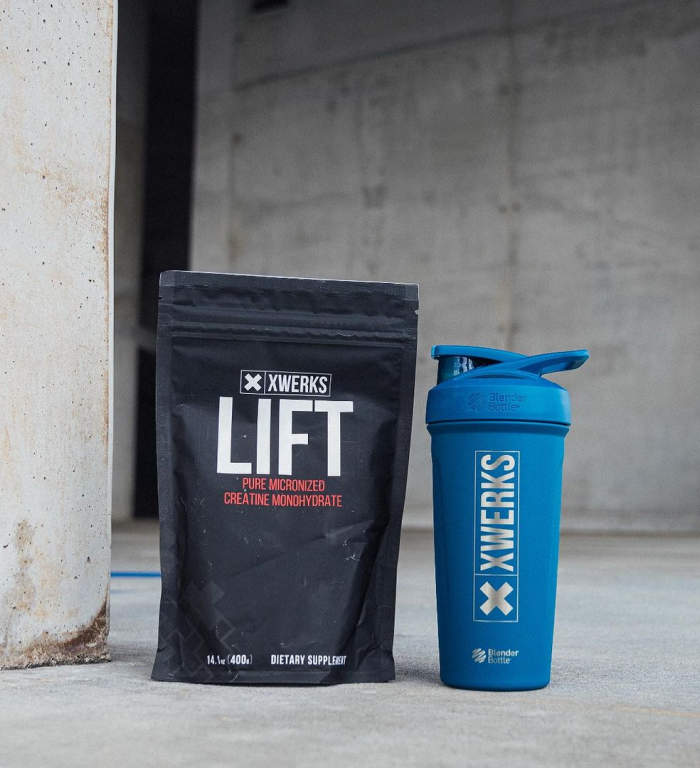
• Creatine (3-5g daily): XWERKS Lift. The supplement most marathon runners skip but shouldn't. See our creatine for marathon runners guide
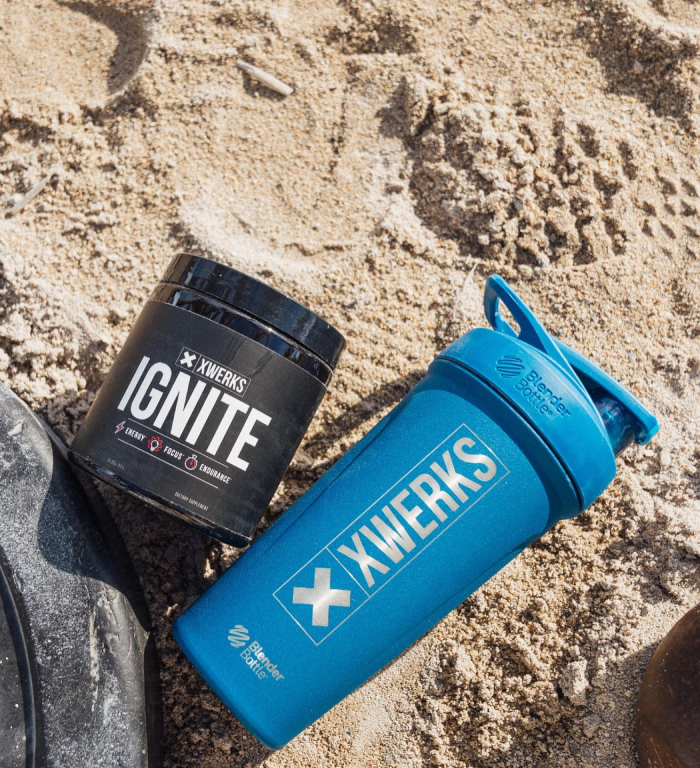
• Pre-workout (training days, race day): XWERKS Ignite. See our pre-workout for marathon runners guide
• Iron (if indicated by ferritin testing): Critical for endurance performance; runners are at higher risk of deficiency
• Vitamin D3 (2,000-4,000 IU): Bone health, immune function, recovery
• Omega-3 EPA+DHA (2-3g daily): Reduces training-induced inflammation
• Magnesium glycinate (200-400mg evening): Sleep quality, muscle function
The Bottom Line
Marathon runners chronically underconsume protein compared to research-backed targets. Current sports science supports 1.4-1.8g/kg daily for high-volume endurance athletes — meaningfully higher than the 1.0-1.2g/kg older endurance recommendation.
Higher protein supports: muscle preservation, recovery between sessions, immune function during heavy training, bone density, and prevention of relative energy deficiency in sport (RED-S).
Daily target: 1.4-1.8g per kg body weight, scaled to training volume and life-phase factors. Distributed across 4-5 meals/snacks at 25-35g protein per meal to hit the leucine threshold for muscle protein synthesis.
Whey protein isolate use cases: post-quality-run recovery (25-35g within 60 min), morning protein boost, when appetite is suppressed post-run, race-day finish recovery, travel situations.
Skip: the "endurance athletes don't need much protein" framing, low-protein "endurance" bars (5-10g protein), mass-gain protein products (too caloric), and extreme high-protein restrictive plans that crowd out carbs.
Stack with: carb fueling for long runs and races, creatine for recovery, foundation supplements (vitamin D3, omega-3, iron if indicated, magnesium). Pre-workout for harder sessions and race day.
Dig deeper: creatine for marathon runners · carbs for marathon runners · pre-workout for marathon runners
Whey Protein Built for Endurance Athletes
XWERKS Grow — 25g NZ grass-fed whey isolate per scoop, ~2.5-3g leucine per serving. Fast-digesting for post-run recovery, complete amino acid profile, low volume for use when running suppresses appetite. The protein supplement marathon runners need to actually hit research-backed daily targets.
Shop Grow