

TL;DR
- Hot weather training requires a fundamentally different hydration and nutrition approach than temperate training. Sweat losses can reach 2-3 liters per hour in extreme heat; sodium losses approach 1-2g per hour.
- Priority: electrolytes (especially sodium, 500-1,000mg per hour), adequate carbohydrate (30-60g per hour for sessions over 60 min), and pre-hydration starting hours before training — not during.
- Skip: plain water for long sessions (hyponatremia risk), caffeine in extreme heat (vasoconstriction concerns at mega-doses), and mega-stim pre-workouts that elevate core temperature.
- Acclimatize gradually — heat adaptation takes 10-14 days of progressive heat exposure. Pushing max intensity on day one of a heat wave is a recipe for heat illness.
- Know the warning signs of heat illness: headache, nausea, confusion, dizziness, cessation of sweating. Stop training immediately if these appear — heat stroke is a medical emergency.
Training in hot weather is fundamentally harder than training in temperate conditions — and requires a completely different supplementation and hydration strategy. Core body temperature rises faster. Sweat losses can reach 2-3 liters per hour in extreme heat with high humidity. Sodium and other electrolyte losses scale with sweat volume. Cardiovascular strain increases as blood diverts to skin for cooling. Performance declines measurably at temperatures above 75-80°F and falls off dramatically above 90°F — even with optimal hydration. For athletes and active people training through Southern summers, desert climates, tropical vacations, or competitions in hot environments, getting hot weather strategy right is the difference between effective training and compromised performance, or worse — heat exhaustion and heat stroke. This guide covers the physiology of training in heat, the electrolyte and carbohydrate strategy that actually works, how to acclimatize properly, what supplements matter most, what to avoid, and the warning signs that require stopping immediately.

What hot weather does to your body during training
Elevated core temperature: Muscular work generates heat. In cool conditions, your body sheds this through sweat evaporation and skin blood flow. In hot conditions, cooling capacity drops — sweat doesn't evaporate as efficiently in high humidity, and skin blood flow is already maximal. Core temperature can rise 1-2°C during hard training in heat, approaching the threshold for heat illness (40°C / 104°F).
Massive sweat losses: Elite athletes in heat can lose 2-3 liters of sweat per hour. Recreational athletes in hot conditions routinely lose 1-2 liters per hour. Every liter of sweat contains approximately 500-1,500mg of sodium, plus smaller amounts of chloride, potassium, magnesium, and calcium.
Cardiovascular strain: Blood diverts to skin for cooling, reducing blood available for working muscles. Heart rate rises for the same workload. Perceived effort increases. Peak power output and endurance capacity decline.
Performance decline: Research on endurance athletes shows 5-15% performance decreases at 86°F+ compared to 55-65°F, even with optimal hydration. Strength work is less affected acutely but still suffers across repeated sets.
Recovery impairment: Training in heat produces more muscle damage markers, slower recovery between sessions, and compounding fatigue during heat waves. Training volumes that feel manageable in spring often become overreaching in peak summer.
Pre-hydration — the strategy most athletes get wrong
The biggest mistake in hot weather training: starting hydration when you arrive at the gym or trail. By that point, you're already behind. Proper hot-weather hydration starts 2-4 hours before training.
2-4 hours before training: 500-750ml (16-24 oz) of water with ~500mg sodium (from an electrolyte drink, pinch of salt in water, or XWERKS Motion). This gives your body time to absorb fluid and fully hydrate without causing mid-training urination.
15-30 minutes before training: Additional 250-500ml (8-16 oz) of water/electrolyte drink. Small enough to not cause fullness during training but topping up hydration stores.
During training: 500-1,000ml per hour (16-32 oz), depending on session intensity and heat. More for hard endurance work; less for easier sessions.
Post-training: 1.5x fluid loss (weigh before and after if possible; drink 1.5 liters for every kilogram lost). Include sodium and carbs for faster rehydration.
Electrolyte strategy for hot weather
Sodium — the dominant electrolyte
500-1,000mg per hour during trainingSodium is the electrolyte lost in highest amounts through sweat. Individual sweat sodium concentration varies enormously — some athletes are "salty sweaters" losing 1,500mg per liter; others lose 500mg per liter. If you notice white salt stains on clothing after training, burning eyes from sweat, or frequent cramping, you're likely a higher sodium sweater and benefit from the upper end of supplementation ranges.
Sources: electrolyte drink mixes (LMNT at 1,000mg per packet, Liquid I.V., Nuun), XWERKS Motion (includes sodium + other electrolytes), salt tablets, or simply adding salt to your water bottle. For sessions over 90 minutes in heat, 500-1,000mg per hour is the target.
Potassium — supporting muscle function
200-400mg per hour for long sessionsPotassium losses through sweat are smaller than sodium but still meaningful. Adequate potassium supports muscle function and helps prevent cramping. Most electrolyte products contain potassium. Food sources include bananas, potatoes, avocado, and coconut water.
Magnesium — often underrated
100-200mg daily + pre-trainingMagnesium supports muscle function, nervous system activity, and electrolyte balance. Many athletes are chronically deficient. Daily supplementation (200-400mg magnesium glycinate) plus additional magnesium during heat training (via electrolyte products) supports performance. Low magnesium is associated with cramping, fatigue, and poor recovery.
Chloride and calcium
Usually covered by comprehensive electrolyte productsChloride is lost with sodium (sodium chloride is salt). Calcium is lost in smaller amounts but contributes to muscle function. Both are included in comprehensive electrolyte products. No need to supplement separately for most athletes.
Carbohydrate strategy — more important in heat
Why carbs matter more in heat
30-60g per hour for sessions over 60 minutesHot weather training accelerates glycogen depletion. Your body uses more carbohydrate at a given intensity when stressed by heat. Sessions that feel sustainable in cool weather become catastrophically glycogen-depleted in heat without fueling.
For sessions over 60-90 minutes in heat: target 30-60g carbs per hour. For extreme heat (90°F+ with humidity) or long endurance efforts (2+ hours), push to 60-90g per hour using glucose+fructose blends for absorption beyond the 60g/hour glucose ceiling.
Cluster Dextrin for heat training
25g per serving + electrolytesHighly-branched cyclic dextrin (HBCD) is particularly valuable for heat training — low osmolality means it empties from the stomach quickly without the gut distress that concentrated sugar drinks cause in hot conditions. Research on endurance athletes documents sustained energy without the GI issues that plague standard sports drinks during hard heat efforts. XWERKS Motion combines 25g Cluster Dextrin with BCAAs and electrolytes — designed specifically for the combination of carb delivery + electrolyte replenishment needed in heat.
For the deeper dive on carb strategies for training, see our best carb source for athletes guide.
Practical intra-workout options
Choose based on session length and tolerance• Under 60 minutes: Water + electrolytes usually sufficient. Add small carb if intensity is very high.
• 60-90 minutes: Sports drink, Cluster Dextrin product, or diluted sports drink providing ~30g carbs + electrolytes.
• 90+ minutes: More aggressive fueling — 45-90g carbs per hour from combination of drinks, gels, whole foods. Cluster Dextrin + glucose/fructose blend for longer endurance efforts.
Heat acclimatization — how to adapt properly
Your body can adapt to heat, but it takes time. Someone who trains all winter in a cool gym and then jumps into 90°F outdoor training isn't just uncomfortable — they're at genuinely elevated risk for heat illness. Proper acclimatization:
Days 1-4: Reduced intensity (60-70% of normal), 30-45 minute sessions in heat. Focus on movement quality; don't push for peak performance. Hydrate aggressively.
Days 5-10: Gradually increase intensity (70-85% of normal) and duration (45-60 minutes). Your body begins adapting — sweat rate increases, sweat sodium concentration decreases, plasma volume expands, heart rate at given workload decreases.
Days 10-14+: Most adaptation complete. Can train at normal intensities with proper hydration. Continued exposure maintains adaptation.
Skipping acclimatization — diving into full-intensity heat training on day one — is the most common cause of heat exhaustion and the fastest route to heat stroke.
Pre-workout considerations for hot weather
Moderate caffeine is fine; mega-doses are questionable
Research on caffeine and heat tolerance is mixed. Moderate doses (200-300mg) generally don't impair heat tolerance in acclimatized athletes. Mega-doses (400mg+) combined with heat training may elevate core temperature and reduce heat dissipation in some individuals. For extreme heat training (90°F+), consider reducing your normal caffeine dose by 25-50% or using lower-stim pre-workouts.
Skip "thermogenic" pre-workouts entirely
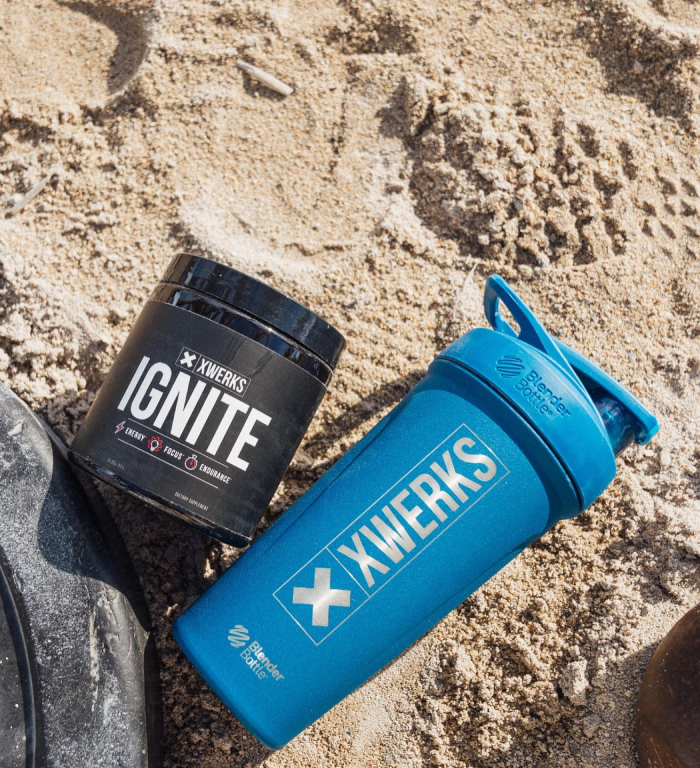
Pre-workouts marketed as "fat burners" often contain compounds (yohimbine, synephrine, higenamine) that specifically elevate metabolic heat production. Combining these with hot weather training is physiologically reckless — you're adding heat to a system already struggling to shed heat. Use transparent moderate-stim pre-workouts (XWERKS Ignite at 150mg caffeine is a good fit for heat training) or go caffeine-free in extreme conditions.
Consider niacin-flush products carefully
Some pre-workouts include niacin (vitamin B3) which causes skin flushing — a warming sensation from vasodilation. In cool conditions this is harmless. In hot conditions, additional skin vasodilation on top of heat-induced vasodilation feels awful. Check labels and skip niacin-containing pre-workouts for summer training.
What to avoid in hot weather training
• Plain water only for long sessions: Drinking large volumes of water without electrolytes during extended heat training can cause hyponatremia (dangerously low blood sodium). Runners in marathons, endurance athletes, and long-session outdoor workers need electrolytes — not just water.
• "Sweat it out" saunas during active heat training: Adding sauna sessions to already heat-heavy training schedules is risky and rarely beneficial for performance. Sauna has legitimate benefits in cooler seasons; it's overkill when you're already heat-stressed.
• Training during peak heat hours: Outdoor training between 11 AM and 4 PM in summer is unnecessarily punishing. Early morning (5-8 AM) or evening (after 6 PM) is dramatically safer and more productive for outdoor work.
• Reusing sweat-soaked clothing for multiple workouts: Salt accumulation in fabric can increase skin irritation and decreases cooling efficiency. Wash between sessions or use moisture-wicking performance fabrics.
• "Toughing out" heat illness symptoms: Headache, nausea, confusion, stopping sweating, dizziness — these are warning signs of progressing heat illness, not "mental toughness" challenges. Stop immediately. Heat stroke is a medical emergency that kills healthy young athletes every year.
• Alcohol the night before heat training: Alcohol dehydrates you and reduces heat tolerance for 24+ hours. A night of drinking followed by a hot morning run is a recipe for heat exhaustion.
• Caffeine without adequate hydration: Caffeine mildly increases urine output. In heat, this combines poorly with already-high hydration demands. Moderate caffeine is fine if hydration is on point; mega-caffeine without fluid strategy is dangerous.
• "Heat adaptation" protocols beyond scientific basis: Intentional dehydration, salt restriction, or extreme heat exposure protocols marketed as "performance enhancement" are not supported by research and can cause serious harm.
Warning signs — when to stop immediately
Heat cramps (mild): Muscle cramping, typically calves, hamstrings, or abs. Usually associated with sodium depletion. Action: Stop, move to shade, drink electrolytes, rest until cramping resolves.
Heat exhaustion (moderate — warning stage): Heavy sweating, fatigue, dizziness, headache, nausea, rapid heart rate, clammy skin. Core temp 99-103°F. Action: Stop training immediately. Move to cool/shaded area. Remove excess clothing. Apply cool water or ice packs to neck, wrists, armpits. Drink electrolytes. If symptoms don't improve within 20-30 minutes, seek medical attention.
Heat stroke (severe — medical emergency): Confusion, altered mental status, cessation of sweating despite heat, very high core temperature (104°F+), possible loss of consciousness. Action: Call 911 immediately. Begin aggressive cooling while waiting — cold water immersion if possible, ice packs, wet towels with fan. Heat stroke can be fatal within minutes if not rapidly cooled.
Critical: Stopping sweating during hot exertion — despite continued exercise — is a severe warning sign. It indicates the body's cooling system is failing. Stop immediately regardless of how you subjectively feel.
Sport-specific hot weather considerations
Endurance sports (running, cycling, triathlon)
Highest hydration and electrolyte demands. 500-1,000ml fluid per hour, 500-1,000mg sodium per hour, 30-90g carbs per hour. Pre-hydration critical. Pace reduction in heat is expected — trying to hit cool-weather times in heat is a recipe for heat illness. Morning or evening training when possible.
Team sports (soccer, rugby, football)
Tournament weekends in heat are particularly challenging. Active rehydration between games/halves using Cluster Dextrin + electrolytes. Acclimatize 2 weeks before events in warmer climates. Consider pre-cooling strategies (ice vests, cold drinks) for hot outdoor competitions.
Outdoor CrossFit / training
High-intensity metcons in heat create massive cardiovascular load. Reduce intensity or duration in extreme heat. Focus on strength/skill work during peak heat; save metcons for cooler times. Hydrate aggressively; 30-60g carbs during longer sessions.
Outdoor golf, tennis, pickleball
4-5 hour rounds in heat accumulate significant dehydration. Bottle of electrolyte drink per hole/set. Snacks providing carbs + sodium throughout. UV exposure management (hat, sunscreen, clothing) matters as much as hydration.
Indoor training in poorly-cooled facilities
Hot gyms during summer create most of the same heat stress as outdoor training without the sun exposure. Treat hot indoor training like hot outdoor training — aggressive hydration, electrolytes, reduced intensity when needed.
The Bottom Line
Hot weather training requires fundamentally different supplementation than temperate training. Sweat losses can reach 2-3L/hour; sodium losses approach 1-2g/hour. Plain water isn't enough for long efforts.
Electrolyte and carb strategy: 500-1,000mg sodium per hour, 30-60g carbs per hour for sessions over 60 minutes, pre-hydration starting 2-4 hours before training. XWERKS Motion combines Cluster Dextrin + electrolytes for this use case.
Acclimatize properly — 10-14 days of progressive heat exposure. Don't push max intensity on day one of a heat wave.
Skip: plain water only for long sessions (hyponatremia risk), "thermogenic" fat-burner pre-workouts (they add heat to an already heat-stressed system), niacin-flush products, and training during peak midday heat when morning/evening options exist.
Know heat illness warning signs. Headache, nausea, confusion, stopping sweating, dizziness — stop immediately. Heat stroke is a medical emergency that kills healthy young athletes every year. Mental toughness doesn't beat physiology.