TL;DR
- Golf is a 4-5 hour endurance event with cognitive demands, not a typical training session. The supplement framework that makes sense isn't the bodybuilding stack — it's hydration, sustained energy without crashes, focus support, and recovery for back-to-back rounds.
- The on-course foundation: electrolytes, modest carbohydrate every 4-6 holes, water, and optional moderate caffeine. Avoid heavy stimulant pre-workouts mid-round (crash risk over 5 hours kills performance on the back nine).
- Off-course training stack: creatine (3-5g daily) for grip and rotational power, whey protein for muscle preservation, pre-workout for actual gym sessions — not for the round itself.
- Older golfers (50+) get specific value from: creatine, vitamin D, fish oil, magnesium, ashwagandha for sleep, and natural testosterone support as sarcopenia and hormonal decline accelerate.
- Skip: "golf energy drinks" with proprietary blends, on-course pre-workout megadosing, magic focus pills, and any product that doesn't address the actual demands of the sport (sustained energy, hydration, joint health, recovery).
"Supplements for golfers" is a search where most of the available content is either (a) generic supplement marketing wearing a golf shirt or (b) niche "golf-specific" products that charge premium prices for unremarkable formulas. The honest framework: golf has unique nutritional demands that don't fit the typical pre-workout / intra-workout / post-workout framework most supplement content is built around. A round of golf is a 4-5 hour low-to-moderate intensity activity with substantial cognitive demand, walking 4-5 miles (if walking), heat exposure, and the requirement to perform a precise athletic movement (the swing) repeatedly across hours. The fueling and supplement strategy has to match that demand profile, not a 60-minute gym session profile. This guide covers the nutrition framework for the round itself, recovery for tournament play and back-to-back rounds, off-course training supplementation that supports the swing (grip strength, rotational power, core stability), older-golfer-specific considerations, heat management, and what to skip in golf supplement marketing.
Why golf has unique nutritional demands
Understanding what to supplement for requires understanding what golf actually demands physiologically:
1. Duration: A typical 18-hole round takes 4-5 hours. Tournament rounds can stretch longer. This is more comparable to an endurance event than a strength training session.
2. Walking distance: Walking 18 holes covers approximately 4-5 miles. Riding in a cart reduces this substantially but still involves walking between shots.
3. Heat exposure: Most golf is played in warm-to-hot conditions. Even mild dehydration of 1-2% body mass measurably impairs cognitive performance, mood, and concentration — the exact attributes golf requires.
4. Cognitive demand: Golf requires sustained concentration across 70-110 shots over 4-5 hours. Mental fatigue is a real performance limiter, particularly on the back nine.
5. Athletic movement under fatigue: The golf swing requires rotational power, grip strength, core stability, and precise neuromuscular control. Late-round performance often deteriorates not because muscles are exhausted but because cognitive and neuromuscular fatigue compromise swing mechanics.
6. Variable intensity: Golf alternates between near-rest periods (walking, waiting) and brief explosive efforts (the swing). The metabolic demand is sustained low intensity with intermittent high-precision work.
What this means for supplements:
The supplement framework that fits golf is closer to an endurance/ultra-endurance framework with cognitive demands than a typical bodybuilding or training-day framework. Sustained energy without crashes, hydration, electrolyte balance, and cognitive support matter more than acute training enhancement.
The on-course foundation stack
Hydration and electrolytes
16-20oz fluid per hour · sodium, potassium, magnesiumMost golfers underhydrate during rounds, particularly in heat. The ACSM position stand on exercise and fluid replacement recommends maintaining hydration through structured intake during prolonged activity, with sodium especially critical for performance and cramping prevention.
Practical framework:
• 16-20oz fluid per hour during the round
• More in heat (24-32oz per hour at 85°F+)
• Include electrolytes — sodium especially supports performance and prevents cramping
• Pre-hydrate the night before and morning of important rounds
• Don't wait until thirsty to drink — drink steadily across the round
Quality electrolyte products work; XWERKS Motion provides sodium, magnesium, potassium plus 25g highly-branched cyclic dextrin (Cluster Dextrin) per serving — a low-osmolality carb form research-supported for gentler GI tolerance during sustained activity. Mix 1-2 servings into water and sip across the round.
Sustained carbohydrate fuel
25-50g carbs per hour for serious roundsAcross a 4-5 hour round, glycogen depletion contributes to back-nine fatigue and concentration loss. Steady carb intake prevents the energy decline that plagues many recreational golfers.
Practical framework:
• Modest carb intake every 4-6 holes (every hour or so)
• 25-50g per hour total intake during rounds
• Sources: bananas, dates, fruit, granola bars, sports drinks, Cluster Dextrin powder
• Avoid heavy meals between holes (digestion compromise)
• Avoid simple sugar bombs that crash 30 minutes later
For more on daily carb intake matching activity level, see our guides on how many carbs per day and healthy carbs. For tournament play or important rounds: pre-mix Cluster Dextrin (low-osmolality, gentle on stomach, sustained release) into your hydration bottle. Sip across the round. Avoids the spike-and-crash patterns of standard sports drinks while delivering substantial carb fuel.
Optional caffeine
100-200mg, ideally before round and possibly mid-roundModerate caffeine supports cognitive performance, focus, and mood during long rounds. The ISSN position stand on caffeine and exercise performance documents reliable cognitive and physical performance benefits at 3-6mg/kg body weight (roughly 200-400mg for most adults), with most benefit in the moderate-dose range.
Practical framework:
• 100-200mg pre-round (one cup of coffee or modest caffeine source)
• Optional small additional dose at the turn (after 9 holes) for back-nine focus
• Avoid heavy stimulant pre-workouts (300mg+ caffeine) for actual rounds — crash risk over 5 hours
• Test response in practice rounds before tournament use
• Combine with food/carbs to avoid jitters
Coffee is often better than pre-workout supplements for the round itself. Save pre-workout supplements for actual gym sessions where the 60-90 minute duration matches their effect curve. See our pre-workout for golf guide for more.
Pre-round nutrition framework
Pre-round nutrition timing affects on-course performance substantially. See our full guide on best carbs before workout for the timing-based framework. For golf specifically:
2-3 hours before tee time (substantial meal):
Quality whole-food breakfast or lunch supporting sustained energy:
• Oatmeal + fruit + eggs or whey shake
• Toast + peanut butter + banana + Greek yogurt
• Sweet potato + eggs + avocado
• ~50-70g carbs, 25-35g protein, modest fat
This is the "main fuel" meal. Allows full digestion before tee time. Provides glycogen for early holes.
30-60 minutes before tee time (snack window):
Easy-to-digest snack if needed:
• Banana with peanut butter
• Half a granola bar
• Small smoothie
• ~25-35g carbs, modest protein
Useful for early morning tee times when you can't eat a full meal hours before. Skip if you ate substantial breakfast.
Immediately before tee time:
• Coffee or modest caffeine
• Water or electrolyte drink
• Avoid heavy food (compromises first few holes)
Early morning tee times (5-7am):
Many golfers can't eat substantial meals before pre-dawn tee times. Solutions:
• Banana + peanut butter + protein shake at 5am for 7am tee time
• Carb-focused snack (banana, dates, granola bar) right before tee
• Pack quality snacks for early holes
• Increase mid-round fueling intensity to compensate for lighter pre-round intake
During-round fueling
The hourly framework
Hydrate steadily, fuel modestly every hourPractical framework for executing during the round:
• Every 4-6 holes (roughly every hour): 25-50g carbs from quick-digesting source
• Continuously: Sip electrolyte drink or water with electrolytes
• At the turn (after 9 holes): Substantial snack — sandwich, fruit + protein, energy bar + electrolytes
• Final 4-6 holes: Light easily-digestible fuel only — don't load up before finishing
• Avoid: Heavy carts food, fried foods, heavy beer, sugar-bomb sodas
Hot weather adjustments
More fluid, more electrolytes, more shadeFlorida summer golf, Arizona heat, Texas humidity — hot weather demands aggressive adjustments. Research on exercise-associated muscle cramping consistently identifies sodium loss through sweat as the primary driver — sodium adequacy is the main lever.
• Increase fluid intake to 24-32oz per hour
• Double sodium intake (electrolyte drinks at higher concentration)
• Pre-cool with cold water before tee time
• Use cooling towels at the turn
• Modest carb intake (heat suppresses appetite; don't force food)
• Watch for cramping signals — calf cramps and forearm cramps signal sodium deficit
For hot-weather golf in Florida, Texas, or similar climates, an electrolyte product like XWERKS Motion mixed strong (1.5-2 servings per bottle) provides the sodium, magnesium, and potassium that prevents cramping plus the sustained carb fuel for back-nine performance.
Post-round recovery
Standard rounds (single round per day)
Modest recovery; don't overcomplicateFor typical recreational rounds (one round, moderate intensity, well-fueled during): post-round recovery doesn't require special protocols. Eat a normal meal within 1-2 hours. Hydrate adequately. Sleep well. That's typically sufficient.
Back-to-back rounds (tournaments, golf trips)
Aggressive protein + carb + hydration recoveryTournament play (multiple rounds across days) and golf trips (36-54+ holes daily) demand serious recovery focus. Without it, day 3-4 performance collapses. The updated research on the post-workout "anabolic window" supports a wider 2-4 hour window for meaningful recovery nutrition — don't panic about precise minutes, but do prioritize getting protein and carbs in within 1-2 hours.
• Within 60 minutes of finishing: 25-40g protein + 60-80g carbs. Whey isolate shake + banana + rice cakes; or full meal with chicken/fish + rice + vegetables.
• Aggressive rehydration: Replace 150% of estimated fluid loss across 4-6 hours
• Substantial dinner: Protein, carbs, vegetables — don't skimp the night before another round
• Sleep prioritization: 7-9 hours minimum; the cumulative sleep debt across tournament days kills performance
• Pre-bed protein optional: Cottage cheese or casein supports overnight recovery
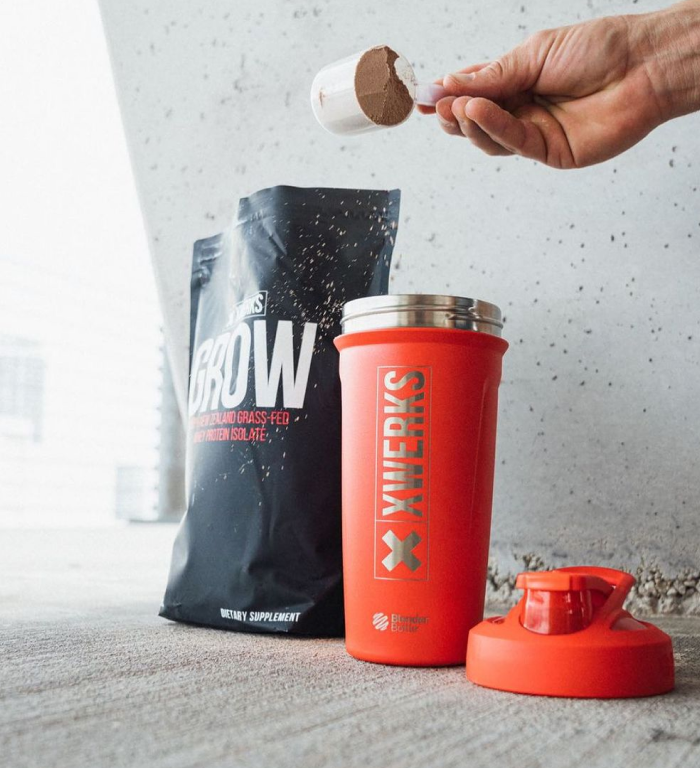
For tournament play: XWERKS Grow (25g NZ grass-fed whey isolate) immediately post-round + XWERKS Motion (carbs + electrolytes) addresses the protein-carb-hydration trinity in two products. See our best carbs after workout guide for the complete recovery framework.
Off-course training supplements
The biggest performance gains for serious golfers come from off-course strength and conditioning work — grip strength, rotational power, core stability, hip mobility. The supplement framework for this work is closer to standard training nutrition:
Creatine (3-5g daily): Supports strength training, including grip work, rotational power, and lower body strength. The ISSN position stand on creatine documents extensive research support for performance and muscle preservation. Particularly relevant for golfers over 40 (sarcopenia begins). See creatine for golf for full guide.
Whey protein (20-40g post-training): Supports muscle preservation and growth from gym work. Particularly relevant for older golfers losing muscle mass. See protein for golfers.
Pre-workout (for actual gym sessions): Caffeine, citrulline, beta-alanine support training intensity. Don't use mid-round; do use for off-course training. See pre-workout for golf.
Foundation micronutrients: Vitamin D deficiency is widespread in modern adults; magnesium adequacy supports sleep and recovery; omega-3 fatty acids have established cardiovascular and anti-inflammatory effects; zinc supports testosterone production and immunity. Often inadequate in modern diets.
The off-course gym work is what builds physical capacity; supplements support the training that produces the swing improvements.
Older golfer considerations (50+)
Sarcopenia and rotational power
Creatine + protein + resistance trainingAdults lose 3-8% of muscle mass per decade after age 30, accelerating after 50. The EWGSOP2 consensus on sarcopenia identifies muscle mass and strength as primary determinants of physical function in aging. For golfers, this directly compromises rotational power, grip strength, swing speed, and recovery between rounds. The interventions that matter most:
• Creatine 3-5g daily: Robust research support for muscle preservation in older adults when combined with resistance training
• Protein 1.6-2.0g/kg daily: Higher than typical "healthy adult" recommendations because older adults have anabolic resistance, per the PROT-AGE Study Group recommendations
• Resistance training 2-3x weekly: Compound lifts — squats, deadlifts variations, presses, rows. Not light cardio; actual challenging strength work.
• Vitamin D + magnesium + fish oil: Foundation micronutrients commonly deficient in older adults
Hormone optimization
Natural testosterone supportTestosterone levels decline with age, contributing to muscle loss, recovery deficits, and energy declines that impact golf. Natural testosterone support — quality sleep, resistance training, body composition management, modest alcohol — produces substantial benefits before considering any supplementation. See our guides on how to increase testosterone and signs of high testosterone in a man.
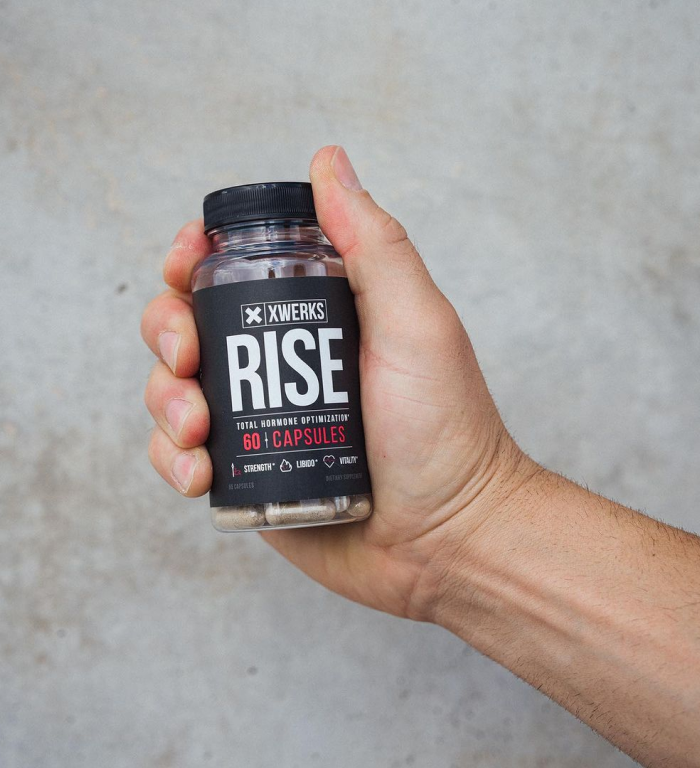
Beyond lifestyle, ingredients with research support include boron, shilajit, Tongkat Ali, and zinc. XWERKS Rise contains 400mg Tongkat Ali, 6mg Boron, 250mg Shilajit, 15mg Zinc — the four most-researched natural T-support compounds. See our ultimate guide to naturally raising testosterone for the complete framework.
Sleep and recovery
Ashwagandha, magnesium, sleep hygieneSleep quality declines with age and directly affects next-day performance. For older golfers especially, sleep optimization yields outsized performance returns. See our sleep hacking guide for the complete framework.
• Magnesium 200-400mg before bed: Supports relaxation and sleep quality
• Ashwagandha 600-1500mg: Research supports cortisol reduction and stress management effects. XWERKS Ashwa provides 1,500mg Withania somnifera per serving.
• Sleep hygiene basics: Cool room, dark room, consistent bedtime, screens off 1 hour before bed
• Limit alcohol: Even modest alcohol disrupts sleep quality substantially
Joint health
Modest expectations; specific protocolsMany older golfers deal with joint issues (hips, lower back, knees, wrists, elbows). Supplement claims often exceed evidence:
• Fish oil 2-4g EPA+DHA daily: Modest anti-inflammatory effects with research support
• Glucosamine + chondroitin: Mixed research; some people respond, others don't. 3-month trial reasonable.
• Collagen 10-20g daily: Modest research support for joint and connective tissue
• Curcumin (turmeric extract) 500-1000mg: Anti-inflammatory effects with research support
• Movement and mobility work: Often more important than supplements for joint function
Realistic framing: supplements support joint health modestly; mobility work, body composition management, and adequate movement matter more than any supplement stack.
What to skip in golf supplement marketing
• "Golf energy drinks" with proprietary blends: Often standard energy drinks with golf branding and premium pricing. The actual ingredients rarely match the marketing claims.
• On-course pre-workout megadosing: Heavy pre-workouts (300mg+ caffeine, beta-alanine, niacin) crash 90-120 minutes after intake. Used pre-round, you'll crash on the back nine. Save pre-workouts for actual gym work.
• "Magic focus pills" and nootropic stacks: Most have weak research support beyond modest caffeine effects. The cognitive demand of golf is real but isn't solved by exotic compounds.
• "Anti-aging swing speed" supplements: Marketing exploiting older golfer concerns. The actual anti-aging interventions are training, sleep, body composition, and modest hormone support — not specific products marketed for swing speed.
• "Golf recovery" formulas with proprietary blends: Standard whey + carbs + electrolytes provide same outcomes at fraction of the cost.
• "Hydration + caffeine + nootropic" all-in-one drinks: Often poor on each individual element. Better to use quality electrolytes + standalone caffeine + simple carb fuel separately.
• Excessive alcohol on the course: The cultural beer-on-the-course tradition compromises hydration, blood sugar, focus, and back-nine performance. One beer probably fine; 4 beers across 18 holes meaningfully degrades performance.
• "Joint healing" miracle products: Most exceed evidence. Fish oil, modest curcumin, and collagen with realistic expectations cover most of what supplementation can do.
• Heavy pre-workout for older golfers with cardiovascular concerns: High-stimulant pre-workouts can be inappropriate for adults with hypertension or cardiovascular issues. Discuss with healthcare provider; coffee is typically safer.
Common questions about supplements for golfers
"Should I take pre-workout before a round?"
Probably not. Heavy pre-workouts are designed for 60-90 minute training sessions; they crash before you finish 18 holes. Coffee or modest caffeine (100-200mg) works better. Save pre-workout supplements for actual gym sessions. See our full pre-workout for golf guide.
"What should I drink during a round?"
Water plus electrolytes. XWERKS Motion provides electrolytes plus 25g Cluster Dextrin per serving — functioning as both hydration and sustained carb fuel. Mix 1-2 servings into your bottle. Sip steadily across the round.
"How much protein do I need as a golfer?"
1.4-2.0g/kg body weight daily for active adults. Higher end (1.8-2.0g/kg) for older golfers (50+) due to anabolic resistance. Most adults need 100-150g daily — distributed across 4-5 meals at 25-40g each. Whey isolate fills gaps. See protein for golfers for the complete framework, or how much protein in an egg for whole-food planning.
"Will creatine help my golf game?"
Indirectly — through supporting off-course strength training that builds rotational power, grip strength, and overall swing capacity. Creatine itself doesn't help putting touch or short game; it supports the gym work that builds the physical foundation. See creatine for golf.
"What about CBD for golf focus?"
Mixed evidence. Some golfers report subjective benefits for nerve management and focus; controlled research support is limited. Effects highly individual. Trial in practice rounds before tournament use; some products contain unintended THC content (drug testing concerns for competitive golfers).
"How do I prevent cramping during summer rounds?"
Sodium adequacy is the primary intervention. Cramps in heat are typically electrolyte-driven (sodium loss through sweat). Aggressive electrolyte intake (1000-1500mg sodium per hour in heat) plus adequate hydration prevents most exercise-associated cramping. Magnesium and pickle juice have folk-remedy support; sodium is the primary lever.
"Are golf-specific supplements worth it?"
Generally no. "Golf-specific" branding usually means standard ingredients at premium prices. Quality general supplements (whey isolate, creatine, electrolytes, multivitamin, fish oil) covering the actual demands of the sport produce better outcomes than niche products with marketing-driven formulations.
"Should I worry about supplements and drug testing?"
For amateur golfers: minimal concern. For competitive amateurs in USGA events or pros: yes, specifically. Choose third-party tested supplements (NSF Certified for Sport, Informed Sport). Avoid "proprietary blends" where the full ingredient list isn't disclosed. Some pre-workouts and "natural T-boosters" contain ingredients on banned substance lists.
The Bottom Line
Golf is a 4-5 hour endurance event with cognitive demands, not a typical training session. The supplement framework that fits matches that demand profile — hydration, sustained energy, focus support, recovery for back-to-back rounds.
The on-course foundation: electrolytes, modest carbohydrate every 4-6 holes, water, optional moderate caffeine. Avoid heavy stimulant pre-workouts mid-round.
Pre-round nutrition: substantial whole-food meal 2-3 hours before tee time, optional small snack 30-60 minutes before, adequate hydration. Match to your tee time and morning routine.
During-round fueling: 25-50g carbs per hour, steady electrolyte and water intake, more aggressive in heat. Substantial snack at the turn; lighter intake on the back nine.
Post-round recovery: minimal for single rounds; aggressive protein-carb-hydration replacement for tournament play and back-to-back rounds.
Off-course training stack: creatine 3-5g daily, whey protein, pre-workout for actual gym sessions, foundation micronutrients (vitamin D, magnesium, fish oil).
Older golfers (50+): creatine, protein at 1.6-2.0g/kg, ashwagandha for sleep, natural testosterone support, joint health basics, aggressive sleep optimization.
Hot weather adjustments: double sodium intake, increased fluid (24-32oz/hour), pre-cooling, modest carb intake, watch for cramping signals.
Skip: "golf energy drinks" with proprietary blends, on-course pre-workout megadosing, magic focus pills, "anti-aging swing speed" supplements, golf-specific recovery formulas at premium pricing, excessive on-course alcohol.
The honest framework: hydration + sustained carb fuel + modest caffeine + recovery protein + foundation training stack. Boring, effective, and substantially better than the niche golf-marketing alternatives.
Dig deeper: protein for golfers · creatine for golf · pre-workout for golf · best carbs before workout · best carbs after workout · how many carbs per day · naturally raise testosterone · hack your sleep
The On-Course Foundation
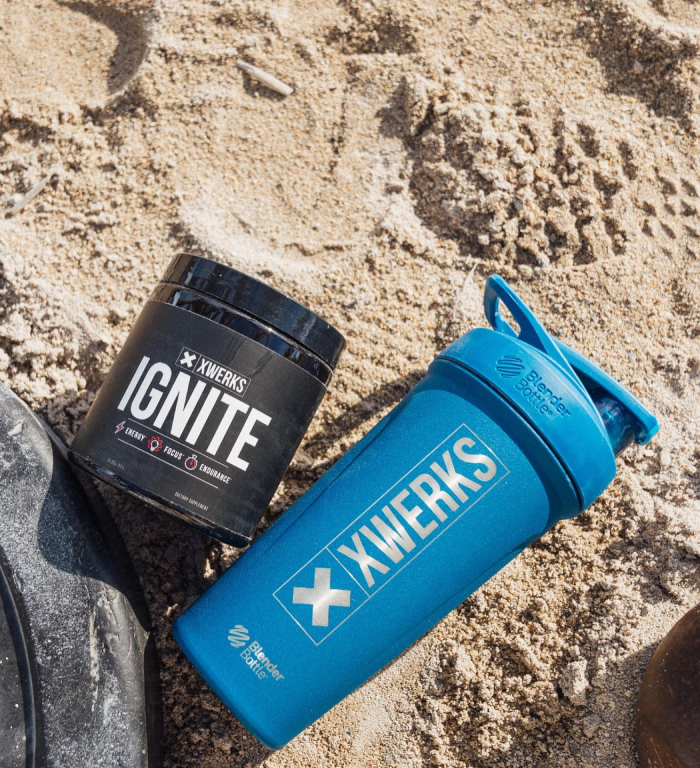
For sustained energy and hydration across 18 holes: XWERKS Motion combines 25g Cluster Dextrin (low-osmolality sustained-release carb) with sodium, potassium, and magnesium electrolytes per serving. Mix into your bottle for steady fuel and electrolyte replacement across the round — no spike-and-crash, no cramping, no proprietary blends.
Shop Motion