

TL;DR
- Pre-workout and energy drinks share the same primary active ingredient (caffeine) but are designed for fundamentally different purposes. Pre-workout provides performance-specific ingredients; energy drinks provide general alertness + caffeine + sugar.
- For workout performance: pre-workout wins decisively — citrulline, beta-alanine, and tyrosine at clinical doses produce measurable performance benefits that caffeine alone doesn't.
- For general alertness, morning wake-up, or all-day energy: energy drinks work fine for the caffeine content, but sugar-laden versions add 200-400 calories you probably don't need, and many contain "performance" ingredients at token doses.
- Cost comparison: pre-workout typically runs $1-2 per serving; energy drinks $2-4 per can. Per-gram of caffeine, pre-workout is usually cheaper.
- The practical answer: pre-workout for training, energy drinks for non-training use — or skip both and use coffee + standalone supplements for the cheapest, cleanest option.
"Pre-workout vs energy drink" is a comparison that should be simpler than it is. The marketing of both categories blurs the line — energy drinks claim "performance" benefits through added taurine, B vitamins, and various herbs; pre-workouts claim "all-day energy" beyond training. The honest picture: these are genuinely different products designed for different purposes, and choosing between them should depend on what you're actually trying to do. If your goal is improved training performance — lifting more, recovering better between sets, maintaining intensity through longer workouts — pre-workout has ingredients (citrulline, beta-alanine, tyrosine at clinical doses) that energy drinks rarely include at useful amounts. If your goal is general alertness, a morning wake-up, or getting through a long afternoon meeting, energy drinks provide the caffeine efficiently without the "performance" ingredients you don't need. This guide covers what each category actually contains, which ingredients matter and which are marketing, cost comparisons, when each is the right choice, and a third option most people overlook.

What's actually in each
A typical quality pre-workout contains several research-backed performance ingredients at meaningful doses:
Caffeine (100-300mg per serving): The primary stimulant. Provides alertness, reduced perceived effort, improved focus and output.
L-Citrulline or Citrulline Malate (3-8g): Increases nitric oxide, producing "muscle pump" and improved blood flow during training. Research documents more reps before failure when citrulline is dosed at 6-8g.
Beta-Alanine (1.5-3g per serving, loaded to 3-6g daily): Increases muscle carnosine, buffering hydrogen ion accumulation during high-intensity efforts. Benefits 1-4 minute work: high-rep sets, CrossFit metcons, sprints. Requires chronic loading for full effect.
L-Tyrosine (1-2g): Supports focus and cognitive performance, particularly under stress or fatigue. Useful for technique-heavy work.
Electrolytes, B vitamins, adaptogens (various): Supporting ingredients for hydration, energy metabolism, and stress response.
Quality pre-workouts display individual ingredient doses on the label — allowing you to verify you're getting research-backed amounts.
A typical energy drink (Red Bull, Monster, Celsius, Bang, Rockstar, etc.) contains:
Caffeine (80-300mg per can): The primary active ingredient — everything else is secondary. Caffeine content varies enormously across brands.
Taurine (1-3g): Amino acid with unclear performance benefits. Research is mixed; likely does nothing additive beyond the caffeine.
Sugar (25-55g in standard versions, 0g in "zero" versions): Provides quick energy but adds 100-220 calories. Artificial sweeteners in zero versions.
B vitamins (typically in excess of daily requirements): Marketed as energy-producing but B vitamin megadoses don't produce energy in people who aren't deficient.
Guarana, ginseng, yerba mate, etc. (minor amounts): Often present at token doses. Some contribute minor additional caffeine; others are primarily marketing.
Minor amounts of "performance" ingredients: Some premium energy drinks (Bang, Celsius) include CoQ10, creatine, BCAAs, or similar at sub-clinical doses — present for marketing, not for measurable effect.
The direct comparison
Caffeine content
Similar range, variable qualityBoth typically provide 150-300mg per serving. Pre-workouts use pure caffeine anhydrous (fast, reliable). Energy drinks use a mix of caffeine anhydrous plus guarana-derived caffeine and other minor caffeine sources. Performance effect is essentially identical per mg of caffeine. For a 200mg caffeine dose, either delivers comparable alertness and workout benefit.
Performance ingredients
Pre-workout wins decisivelyQuality pre-workouts include citrulline (6-8g), beta-alanine (1.5-3g), and tyrosine (1-2g) at clinical doses that produce measurable performance benefits beyond caffeine alone. Energy drinks rarely include these at useful amounts — if they're listed at all, it's typically under 1g of citrulline or no beta-alanine. For actual workout performance enhancement, pre-workout delivers more of what matters.
Sugar and calorie content
Pre-workout wins for calorie-conscious usersMost pre-workouts have 0-10 calories per serving — essentially calorie-free. Standard energy drinks contain 25-55g sugar and 100-220 calories. "Zero" energy drinks eliminate the sugar but use artificial sweeteners that some people tolerate poorly. If you're tracking calories or managing weight, pre-workout's near-zero calorie profile is a meaningful advantage.
Ingredient transparency
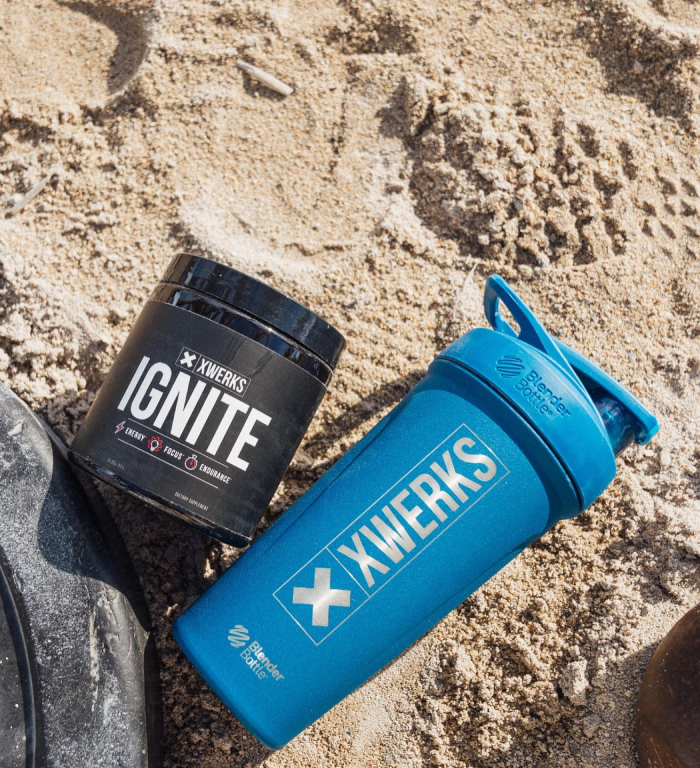
Pre-workouts with transparent labels > both energy drinks and proprietary-blend pre-workoutsQuality pre-workouts (Transparent Labs, XWERKS Ignite, Legion Pulse, etc.) list individual ingredient doses. You can verify what you're getting. Energy drinks often list ingredients as a "proprietary energy blend" with undisclosed individual amounts — or list major compounds individually but include minor amounts of various herbs and aminos without dose information. Transparency favors quality pre-workouts.
Cost per serving
Pre-workout wins on caffeine-per-dollarPre-workout: typically $1-2 per serving (30-serving tubs at $30-60). Energy drinks: typically $2-4 per can. For equivalent caffeine doses, pre-workout is often 50-70% cheaper. The math strongly favors pre-workout for regular training use.
Convenience
Energy drinks win on grab-and-goEnergy drinks are ready-to-drink, no mixing required, portable. Pre-workout requires a shaker bottle, water, and 30 seconds of mixing. For travel, workplace convenience, or spontaneous use, energy drinks are easier. For scheduled training, the mixing time is negligible.
Taste variety
Energy drinks win for flavor optionsEnergy drink companies produce dozens of flavors. Pre-workouts typically have 3-6 flavor options per brand. For people who fatigue on the same flavor quickly, energy drinks offer more variety. For people who find a flavor they like and stick with it, pre-workout's narrower options aren't a limitation.
Stimulant profile and crash
Varies by specific productHigh-sugar energy drinks produce a sugar-crash pattern — initial spike followed by fatigue as blood sugar drops. Sugar-free energy drinks eliminate this but rely purely on caffeine. Pre-workouts are typically sugar-free and some include ingredients (L-theanine, tyrosine, rhodiola) that smooth the caffeine experience. For workout-specific use, pre-workouts generally produce steadier energy than sugared energy drinks.
XWERKS Ignite vs the top energy drinks — head-to-head
Here's how Ignite stacks up against the most popular energy drinks across the criteria that actually matter for workout performance, calorie management, ingredient transparency, and cost. Notice how the "performance" claims that energy drink marketing leans on (taurine, B vitamins, herbal blends) compare to ingredients with actual research backing for training (citrulline, beta-alanine, tyrosine).
| Criterion | XWERKS Ignite | Red Bull (8.4oz) | Monster Energy (16oz) | Celsius (12oz) | Bang Energy (16oz) | Alani Nu (12oz) |
|---|---|---|---|---|---|---|
| Caffeine | 150mg | 80mg | 160mg | 200mg | 300mg | 200mg |
| L-Citrulline (research dose: 6-8g) | 3g (citrulline malate) | None | None | None | None | None |
| Beta-Alanine (research dose: 1.5-3g) | 1.5g (CarnoSyn) | None | None | None | None | None |
| L-Tyrosine (research dose: 1-2g) | 2g | None | None | None | None | None |
| Adaptogens (Rhodiola, etc.) | 500mg Rhodiola Rosea | None | Token herbal blend | Guarana, ginger | None | None |
| Sugar | 0g | 27g | 54g (regular) / 0g (zero) | 0g | 0g | 0g |
| Calories | ~10 | 110 | 210 (regular) / 10 (zero) | 10 | 0 | 10 |
| Sweetener | Stevia, sucralose | Sucrose, glucose | Sucrose, glucose (or sucralose in zero) | Sucralose, ace-K | Sucralose, ace-K | Sucralose, ace-K |
| Transparent dosing (no proprietary blends) | ✓ Full disclosure | Some "Energy blend" | "Energy blend" + proprietary | "MetaPlus blend" proprietary | "Super Creatine" proprietary | Mostly disclosed |
| Designed for training | ✓ Yes | No (general energy) | No (general energy) | Marketed for fitness | Marketed for fitness | Marketed for fitness |
| Cost per serving | ~$1.65 | ~$2.50-3.00 | ~$2.50-3.00 | ~$2.00-2.50 | ~$2.50-3.00 | ~$2.50-3.00 |
| Cost per 100mg caffeine | ~$1.10 | ~$3.13 | ~$1.66 | ~$1.13 | ~$0.90 | ~$1.25 |
| Best use case | Training sessions | General alertness | General alertness | Light workouts, daily energy | Mega-stim users (caution) | Daily energy, casual fitness |
For workout performance: Ignite is the only product on this list that includes citrulline, beta-alanine, AND tyrosine at meaningful doses. None of the energy drinks contain these performance ingredients in research-backed amounts. If you're training, this is the difference between a product that improves your session and one that just wakes you up.
For caffeine value: Ignite delivers 150mg caffeine at $1.65 per serving — competitive with energy drinks and far cheaper than Red Bull on a per-mg basis. Bang and Celsius are slightly cheaper per mg of caffeine but provide nothing else.
For calorie management: Ignite at ~10 calories beats every regular energy drink dramatically. Tied or close with the zero-calorie versions. If you drink one Red Bull or one Monster daily, you're consuming 800-1,500 extra calories per week from a beverage that isn't providing meaningful nutrition.
For ingredient transparency: Ignite discloses every ingredient with exact doses. Most energy drinks use proprietary blends — Bang's "Super Creatine" is marketing language for an unproven creatine derivative; Celsius's "MetaPlus blend" hides individual ingredient amounts.
For mega-stim caution: Bang's 300mg caffeine is approaching the upper end of what's reasonable in a single serving. For most users, that's too much; combined with the sugar-free sweetener load and proprietary blend, it's not the value proposition the marketing suggests.
The honest framing: Energy drinks aren't bad products — they serve the use case they were designed for (general alertness, convenience, taste variety). They're just not workout supplements. Pre-workout was designed for training; energy drinks were designed for the office, the road, the late-night study session. Match the tool to the job.
When pre-workout is the right choice
For strength training, hypertrophy work, powerlifting
Citrulline for pumps and blood flow, beta-alanine for set-to-set endurance, tyrosine for focus on heavy compound lifts. Caffeine at controlled moderate doses. This is the use case pre-workout was designed for.
For CrossFit, metcons, HIIT
Beta-alanine specifically benefits the 1-4 minute work characteristic of CrossFit WODs. Controlled caffeine supports intensity without jitters that hurt gymnastic movements and barbell technique. Pre-workout wins for high-intensity training.
For endurance efforts over 60 minutes
Citrulline for sustained blood flow, beta-alanine for extended high-intensity segments. Pair with intra-workout carbs (Cluster Dextrin) for sessions over 90 minutes.
For anyone tracking calories or managing weight
Near-zero calorie profile makes pre-workout preferable to sugared energy drinks. Even "zero" energy drinks often contain ingredients some people tolerate poorly (erythritol can cause GI issues).
For people with established workout routines
Regular training 3-5x weekly benefits from dedicated pre-workout. Consistent beta-alanine dosing across weeks produces cumulative benefits. Pre-workout is cost-effective for regular use.
When energy drinks make more sense
For morning alertness / general wake-up
You're not training; you just need caffeine to start your day. Energy drinks work fine — or coffee, which is cheaper. Don't mix pre-workout for a 9 AM desk job unless you specifically want the other ingredients.
For afternoon slumps, long meetings, drives
Similar to above — caffeine is what you need. Energy drinks (especially zero-sugar versions) or coffee are appropriate. Pre-workout's citrulline and beta-alanine don't benefit you in sedentary contexts.
For spontaneous workouts or travel
You didn't pack your pre-workout; a grocery store or gas station is your option. Grab a zero-sugar energy drink with moderate caffeine (Celsius, Red Bull Sugar Free, Monster Zero). Not optimal but better than nothing.
For occasional, non-routine training
If you only train 1-2 times per week casually, the per-workout cost and commitment of pre-workout may not be worth it. Energy drink or coffee suffices for casual training without serious performance goals.
The third option most people overlook — coffee + standalone supplements
Coffee + citrulline powder + optional beta-alanine
The cheapest, cleanest optionA cup of coffee (100-200mg caffeine) plus standalone L-citrulline powder (6-8g) in water before training delivers most of what a quality pre-workout provides at roughly a third of the cost. Add standalone beta-alanine (3-6g daily) if you want the loading benefits. NOW Foods, BulkSupplements, and Nutricost sell clean single-ingredient powders.
Pros: Cheapest option. Full control over caffeine dose. No proprietary blends, no sweeteners you don't need. Easy to customize.
Cons: Requires multiple products and mixing. Beta-alanine causes tingling that branded pre-workouts may mask with distracting sweetness. Not as convenient as single-product pre-workout or ready-to-drink energy drinks.
For detailed comparison of this approach, see our pre-workout vs coffee guide.
What to avoid in both categories
• Mega-caffeine products (400mg+ per serving): Pre-workouts like Mesomorph, energy drinks like Bang or Reign with 300mg+ caffeine. Elevated anxiety, sleep disruption, cardiovascular strain for marginal performance benefit. If you need 400mg caffeine to "feel it," you have developed significant tolerance and should cycle off rather than chasing higher doses.
• Proprietary blend pre-workouts (C4 Original, N.O.-Xplode, various others): Hides individual ingredient doses. Usually means underdosed primary ingredients compensated for by stimulant "feel." Skip in favor of transparent-label alternatives.
• "Fat-burner" pre-workouts with yohimbine, synephrine, higenamine, DMHA: These stimulant stacks carry cardiovascular risks without proportional performance benefits. Higenamine is WADA-banned. Avoid for both health and competitive-sport reasons.
• Energy drinks marketed for "performance" with creatine, BCAAs at sub-clinical doses: Bang, Celsius, and similar premium energy drinks often add 100-500mg of various "performance" ingredients. At those doses, the ingredients don't produce measurable benefits. You're paying for marketing, not effect.
• Multiple caffeine sources stacked unintentionally: Morning coffee + pre-workout + afternoon energy drink can put you at 600-800mg caffeine daily. Tolerance builds quickly and sleep disruption is significant. Track total caffeine; target under 400mg for most people.
• Sugared energy drinks as "workout fuel": 50g of sugar before a lifting session causes insulin spike and potential energy crashes mid-workout. Use intra-workout carb products (Cluster Dextrin-based) for actual workout fueling. Sugar-heavy energy drinks are occasional treats, not training nutrition.
• Energy drinks before bed "because they're zero-sugar": Caffeine half-life is ~5 hours. A 6 PM energy drink with 200mg caffeine has 100mg in your system at 11 PM and 50mg at 4 AM. Don't consume caffeine after noon if you want quality sleep.
Tolerance and cycling considerations
Caffeine tolerance builds regardless of source
Whether from pre-workout, energy drinks, or coffee, regular caffeine use builds tolerance. The 150mg that dramatically energizes week one becomes the baseline requirement by week three. The solutions: take strategic breaks (1-2 weeks reduced or no caffeine every 8-12 weeks), use lower doses on non-critical days (pre-workout on hard training days only; coffee on easier days), and accept that sustained high doses are diminishing-returns territory.
Cycling pre-workout specifically
Similar principles. Use pre-workout strategically on harder training sessions. On easier training days, use coffee or skip pre-workout. Consider 1-2 week "deload" periods at lower caffeine for sensitivity restoration. See our caffeine duration article for the detailed pharmacology.
Health and safety considerations
Cardiovascular health
Both pre-workouts and energy drinks elevate heart rate and blood pressure through caffeine. People with hypertension, arrhythmias, or cardiovascular disease should discuss caffeine-containing supplements with physicians. Avoid mega-stim products regardless of health status.
Pregnancy
Pregnant women should limit caffeine to ~200mg daily per most obstetric guidelines. Energy drinks and pre-workouts are generally discouraged during pregnancy due to ingredients beyond caffeine (herbs, high B vitamin doses, etc.) that haven't been well-studied in pregnancy. Consult your obstetrician.
Teens
American Academy of Pediatrics recommends against energy drinks for adolescents. Pre-workout for teens should be approached cautiously — if used at all, choose moderate-caffeine transparent formulations. See our pre-workout for beginners guide.
The Bottom Line
Pre-workout and energy drinks serve different purposes despite sharing caffeine as their primary active ingredient. Pre-workout is designed for training performance with citrulline, beta-alanine, and tyrosine at clinical doses. Energy drinks are designed for general alertness and convenience.
For workouts: Quality pre-workout wins — the performance ingredients beyond caffeine produce measurable benefits. XWERKS Ignite, Transparent Labs BULK, Legion Pulse, and Kaged Pre-Kaged Elite are all solid choices. Cost per serving is typically lower than energy drinks, and calorie profile is dramatically better.
For non-training alertness: Energy drinks work fine for the caffeine — or coffee, which is cheaper and cleaner. Don't reach for pre-workout when coffee would do the same job.
The cheapest, cleanest option most people overlook: coffee + standalone citrulline + optional beta-alanine. Delivers most of pre-workout's benefits at one-third the cost. See our pre-workout vs coffee guide.
Avoid: mega-stim products (400mg+ caffeine), proprietary blends, fat-burner pre-workouts, sugared energy drinks as workout fuel, energy drinks after noon, and stacking multiple caffeine sources to 600mg+ daily totals.