Pre-Workout for Weight Loss: The Honest Version
TL;DR
- Pre-workout is not a fat burner. Caffeine's direct thermogenic effect is real but small — roughly 100-150 extra calories burned per day at effective doses. That's a side-benefit, not a weight loss strategy.
- The real value of pre-workout for weight loss: it supports training quality during a caloric deficit, which preserves muscle, which protects your metabolism. That's the mechanism that actually matters.
- Target profile during a cut: moderate caffeine (150-250mg), citrulline (3-6g), beta-alanine (1.5-3g), tyrosine (1-2g). Skip mega-stim "fat burners" and products with yohimbine, DMAA, or higenamine.
- The supplement that actually moves the needle during weight loss isn't pre-workout — it's whey protein. Targeting 1.8-2.2g protein/kg body weight preserves muscle, controls appetite, and improves body composition far more than any stimulant can.
Search "pre-workout for weight loss" and you'll find hundreds of products promising to torch fat, boost metabolism, and shred body fat. Most of them are lying to you. Pre-workout is not a fat burner, and the thermogenic effects of caffeine are too small to meaningfully drive weight loss on their own — about 100-150 additional calories burned per day at effective doses, which is roughly a granola bar. So why does pre-workout still matter during weight loss? Because the actual mechanism that drives body composition change during a caloric deficit is preserving muscle while you lose fat, and that requires quality training. Pre-workout supports training quality. When you're in a deficit, tired from under-eating, and tempted to phone in workouts, a well-formulated pre-workout helps you show up and push hard — which is the difference between losing 10 lbs of mostly fat versus losing 10 lbs of roughly half muscle. This guide covers what pre-workout can actually do during weight loss, what it can't, and how to build a stack that moves the needle on body composition rather than just the scale.
The fat burner lie (and the caffeine reality)
What caffeine actually does for fat loss
Caffeine increases energy expenditure modestly and promotes fat oxidation acutely. Research on caffeine's thermogenic effect has been consistent for decades: at doses of 200-400mg, caffeine increases metabolic rate by approximately 3-4% for 2-3 hours. Over a full day, this works out to roughly 100-150 additional calories burned — the equivalent of a small snack.
Caffeine also acutely suppresses appetite in most people for 1-2 hours post-ingestion, which can help with portion control around workouts.
Why "100 calories a day" doesn't produce meaningful weight loss
100 calories a day = about 10 pounds per year, assuming perfect adherence and no compensatory eating. But the body is exceptional at compensating for small caloric changes — a 100-calorie metabolism boost often gets matched by a 50-100 calorie increase in appetite, neutralizing the effect. Research on caffeine and long-term weight loss consistently shows small or no effect over periods beyond a few weeks.
The "fat burner" industry sells caffeine as a weight loss tool because caffeine has real acute effects — but the acute effects don't translate to meaningful long-term change when not combined with the actual driver of fat loss: caloric deficit plus resistance training.
• "Fat-burning thermogenic matrix": Almost always a proprietary blend of caffeine + green tea extract + random bitter compounds. The caffeine does the work; the rest is marketing.
• "Metabolism booster": Nothing in a pre-workout meaningfully increases basal metabolic rate. Training and muscle mass increase BMR; supplements don't.
• "Shreds fat": Nothing shreds fat except caloric deficit maintained over time.
• Yohimbine, higenamine, DMAA, DMHA: These are the stimulants that get added to "hardcore fat burners." Yohimbine in particular causes anxiety, elevated heart rate, and jitters without meaningful fat loss benefit. DMAA and higenamine have cardiovascular risks and banned-substance issues.
What pre-workout actually does for weight loss
The real mechanism is indirect but much more important than the thermogenic effect. Here's how pre-workout actually contributes to fat loss and body composition:
1. Training quality during a deficit
When you're in a caloric deficit, you're under-fueled. Workouts feel harder. Motivation drops. Training volume tends to decrease, which reduces the stimulus that preserves muscle and burns calories. A moderate pre-workout helps you show up and push hard on days when your body wants to quit — which is when most people in a cut lose their progress.
2. Muscle preservation
Weight loss without adequate training + protein produces about 25-30% muscle loss alongside fat loss (Chaston 2007 meta-analysis). Resistance training + high protein can drop this to 5-10% or less. Pre-workout supports the training quality that makes this difference — which is why someone who loses 20 lbs with quality training looks completely different than someone who loses the same 20 lbs without.
3. Metabolic rate protection
Weight loss always reduces metabolic rate (less body mass requires less energy to maintain). But muscle loss reduces it disproportionately because muscle is metabolically active tissue. A 20-lb weight loss that includes 5 lbs of muscle loss drops metabolic rate substantially more than a 20-lb loss that's almost entirely fat. Pre-workout supports the training quality that keeps the muscle — protecting metabolic rate for the long-term maintenance phase.
4. Perceived effort reduction
Caffeine's most reliable performance effect is reducing perception of effort during exercise. When you're in a deficit and tired, a 60-minute session feels like an eternity. Caffeine makes the same workout feel more manageable — which supports adherence over weeks and months. Adherence, not any single workout, is what drives long-term fat loss.
5. Enhanced fat oxidation during exercise
Caffeine shifts substrate utilization slightly toward fat oxidation during moderate-intensity cardio. The effect is small but real. Over many training sessions, this may contribute modestly to total fat oxidation — though total caloric expenditure matters more than the fuel source.
The real weight loss math
Caloric deficit (diet) → 70-80% of results
Resistance training → 10-15% (muscle preservation + EPOC)
Protein intake (1.8-2.2g/kg) → 5-10% (appetite, thermic effect, muscle)
Pre-workout caffeine → 1-3% (small thermogenic effect + training quality)
"Fat burners" marketed separately → ~0%
Pre-workout matters through its effect on training quality,
not through its direct caloric burn.
What to look for in a pre-workout during weight loss
Moderate caffeine: 150-250mg
Target 3-6mg per kg body weight. For most adults, 150-200mg is plenty — enough to support training quality without causing the anxiety, sleep disruption, and jitters that come with mega-stim formulas. During a cut, you're already under physiological stress; adding 400mg of caffeine on top usually makes training worse, not better.
Citrulline malate: 3-6g
Supports blood flow and muscular endurance — directly relevant to training quality during a deficit when workouts feel harder.
Beta-alanine: 1.5-3g per serving
Lactate buffering for higher-volume training. Full benefit requires 4-6 weeks of consistent daily loading. Particularly useful during cuts when maintaining training volume is harder.
L-tyrosine: 1-2g
Supports focus and stress tolerance — valuable when you're training fasted or early morning during a cut, and when cognitive fatigue from under-eating affects training quality.
Rhodiola rosea: 200-500mg (optional)
Adaptogenic support. Some research supports reduced perception of fatigue under stress. Dieting is chronic physical and psychological stress — rhodiola's effects are most relevant when cumulative stress affects training.
What to skip during a cut
• Mega-stim "fat burners" (300mg+ caffeine, DMAA, DMHA, yohimbine, higenamine): Larger caloric "burn" doesn't materialize. Jitters, anxiety, sleep disruption, and elevated HR harm training quality and recovery.
• Synephrine / bitter orange: Cardiovascular stress, particularly combined with caffeine. Minimal fat loss benefit in research.
• Proprietary "thermogenic blends": Can't dose what you can't measure. Usually the same caffeine + random bitter compounds at unknown amounts.
• Anything marketed specifically as "fat burner" or "shredder": If a product's primary positioning is weight loss via thermogenic effect, the margin between claim and reality is wide. Use a real pre-workout with transparent labeling instead.
• Caffeine on top of caffeine on top of caffeine: Many people stacking a "fat burner" + pre-workout + coffee hit 500-700mg caffeine daily. This exceeds optimal performance dose, causes adrenal stress, impairs sleep (which impairs fat loss), and raises cardiovascular load.
Training fasted vs fed during weight loss
The fasted training question
Fasted training (typically first thing in the morning, no food since the night before) is popular for weight loss on the theory that you'll burn more fat. Research on fasted vs fed training for fat loss shows minimal long-term difference when total daily calories and protein are matched — fasted training modestly increases fat oxidation during the workout, but the body compensates across the rest of the day.
For most people, fed training produces better training quality and therefore better muscle preservation, which matters more long-term than a modest shift in fasted fat oxidation.
If you prefer fasted training
Pre-workout is particularly valuable fasted — caffeine + citrulline + tyrosine give you performance support without disrupting the fasted state (fasting purists should note that artificially sweetened pre-workouts generally don't break a fast for fat loss purposes, but individual tolerance varies).
Consider: pre-workout + 5g BCAAs or EAAs during the workout if your fast is extended (16+ hours). This provides minimal caloric load while supporting muscle preservation. Break the fast with a protein-focused meal after training.
The stack that actually drives weight loss
1. Whey protein isolate. Hitting 1.8-2.2g/kg body weight during a cut preserves muscle, increases satiety (thermic effect of protein is 20-30% of calories consumed, vs 2-3% for fat), and supports body composition change. This is by far the most impactful single supplement.
2. Creatine monohydrate. Supports training quality during deficit, preserves muscle through ATP regeneration during strength work. 5g daily.
3. Pre-workout. Supports training quality through perceived-effort reduction and focus. Moderate stimulation only.
4. Fiber supplementation. Often overlooked, but fiber at 30-40g+ daily dramatically improves satiety during a deficit. Most people eating at a deficit don't get enough.
5. "Fat burners" are not on this list.
The daily protocol
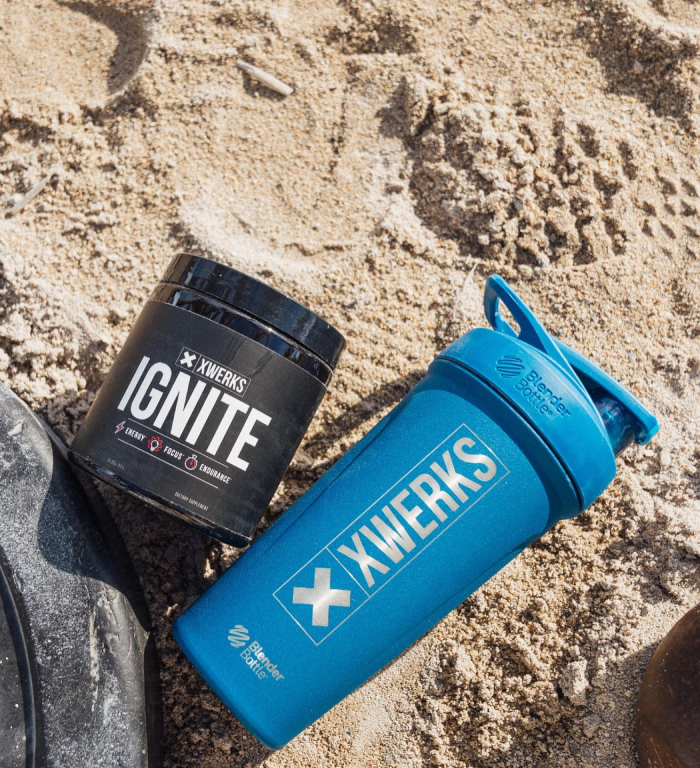
• Morning/pre-training: XWERKS Ignite (150mg caffeine + citrulline + tyrosine + beta-alanine + rhodiola) 30-45 min before workout
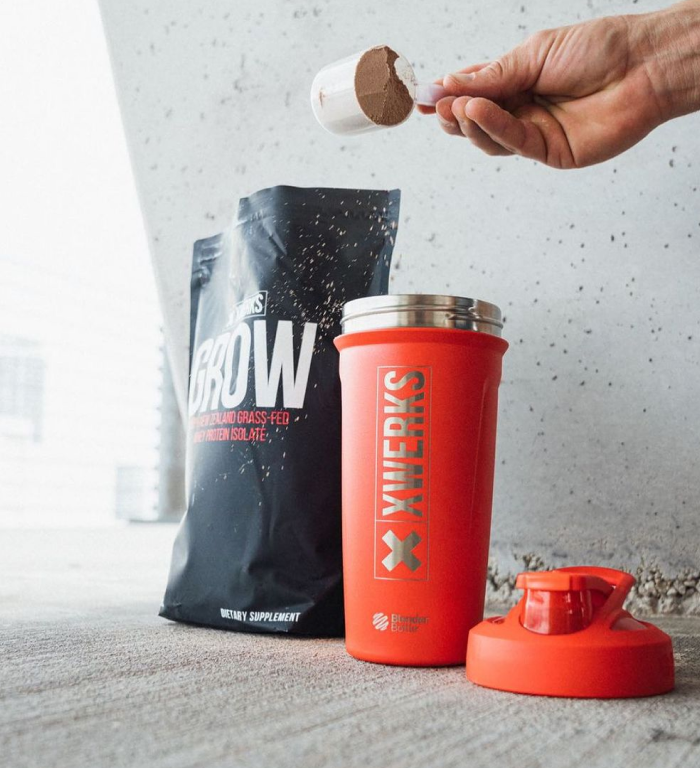
• Post-training: 25-30g XWERKS Grow (whey isolate)
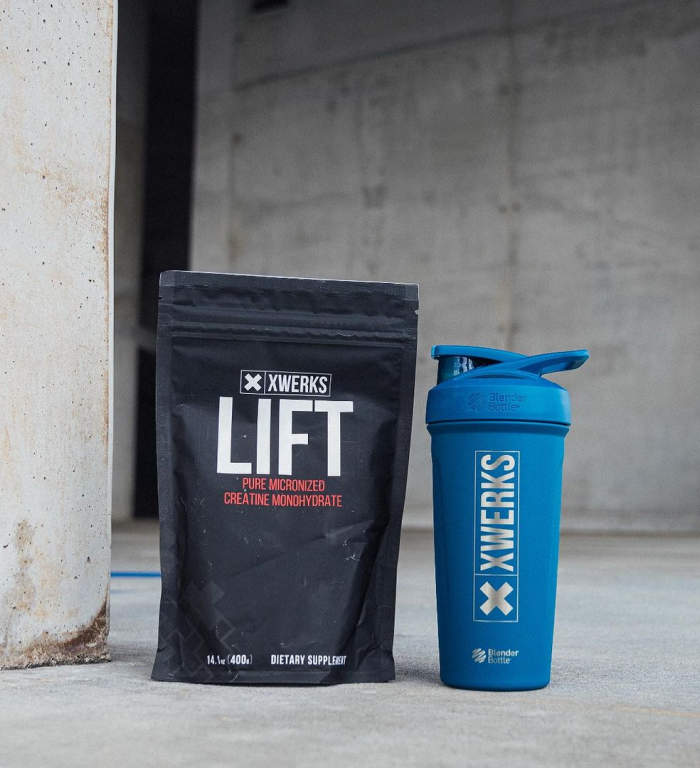
• Daily: 5g creatine monohydrate (XWERKS Lift)
• Protein target: 1.8-2.2g/kg body weight daily — the single biggest supplement decision for weight loss. Calculate your exact target: XWERKS Protein Calculator →
• Foundation micronutrients: Vitamin D3, omega-3s, magnesium, adequate water and electrolytes
GLP-1 medication users (Ozempic, Wegovy, Mounjaro, Zepbound)
Why this matters for pre-workout
GLP-1 medications (semaglutide, tirzepatide) produce dramatic weight loss — but often with substantial muscle loss. Research on semaglutide (Wilding 2021 STEP 1 trial) documented approximately 40% of weight lost being lean mass in some analyses. The muscle loss component is under-discussed in GLP-1 marketing.
For anyone on a GLP-1, muscle preservation becomes even more important than in traditional weight loss — the appetite suppression makes protein intake harder, while the magnitude of weight loss is greater. Training + pre-workout + high protein is essential, not optional.
Protocol adjustments for GLP-1 users
• Protein becomes non-negotiable: Target 2.0-2.4g/kg. Whey isolate is particularly valuable when solid-food intake is suppressed.
• Resistance training matters more: Without the training stimulus, muscle loss is significant.
• Pre-workout supports training quality during a phase when both appetite and energy are reduced by the medication.
• Caffeine tolerance may shift: Some GLP-1 users report reduced caffeine tolerance. Start with lower doses and assess.
Common weight loss pre-workout questions
"Will pre-workout break my fast?"
For fat loss purposes, a standard artificially-sweetened pre-workout (under 10 calories per serving) is generally considered not to break a fast. Caffeine itself doesn't break a fast. Be more cautious with products containing meaningful calories or carbohydrates.
"Should I cycle pre-workout during a cut?"
Tolerance to caffeine builds over time. Some people benefit from cycling — full dose on hard training days, half dose or caffeine-free on recovery days. Complete breaks (1-2 weeks off caffeine) can reset sensitivity if desired, but aren't required for most people.
"Is pre-workout okay while fasting for intermittent fasting?"
Generally yes, if you're doing IF for body composition rather than strict religious fasting. Zero or near-zero calorie pre-workouts won't meaningfully impact the metabolic benefits of IF. Caffeine specifically may enhance some IF benefits by supporting autophagy signaling (though research is preliminary).
"Will pre-workout make me feel hungrier later?"
Usually the opposite. Caffeine acutely suppresses appetite for 1-2 hours in most people. However, some people experience a rebound appetite increase 3-4 hours post-caffeine. Track your response. If caffeine consistently causes you to eat more later, that's worth knowing.
Check the calories and the whole supplement stack
A pre-workout serving is not a meal replacement. Count any carbohydrate or other calories in the actual label, and include the coffee, energy drinks, or other supplements you also use when assessing the total routine.
Compare products by disclosed ingredient amounts and how they fit your training, rather than by a “fat burner” label. A pre-workout supports a training routine; it does not replace the diet, recovery, or consistency that routine requires.
The Bottom Line
Pre-workout is not a fat burner. Caffeine's thermogenic effect is real but small (100-150 calories/day at effective doses) and doesn't produce meaningful long-term weight loss on its own.
What actually matters: pre-workout supports training quality during a caloric deficit, which preserves muscle, which protects metabolism and drives body composition change. The mechanism is indirect but far more important than the direct thermogenic effect.
The hierarchy of weight loss supplements: protein (1.8-2.2g/kg) > creatine > pre-workout > fiber > everything else. "Fat burners" aren't on the list. XWERKS Grow and XWERKS Lift move the needle more than any pre-workout for body composition outcomes.
Transparent Pre-Workout, No Fat Burner Hype
XWERKS Ignite — 150mg caffeine + citrulline + tyrosine + beta-alanine + rhodiola. Moderate stimulation, full dose disclosure, no proprietary "thermogenic blend" nonsense. The pre-workout for people who understand that fat loss comes from training + diet + protein — not from pills.
SHOP IGNITE →Further Reading
The Best Supplements for Weight Loss
Clinically Dosed Pre-Workout Guide
References
1. Guest NS, et al. International society of sports nutrition position stand: caffeine and exercise performance. J Int Soc Sports Nutr. 2021;18(1):1.
2. Tabrizi R, et al. The effects of caffeine intake on weight loss: a systematic review and dose-response meta-analysis of randomized controlled trials. Crit Rev Food Sci Nutr. 2019;59(16):2688-2696.
3. Chaston TB, et al. Changes in fat-free mass during significant weight loss: a systematic review. Int J Obes (Lond). 2007;31(5):743-750.
4. Wilding JPH, et al. Once-Weekly Semaglutide in Adults with Overweight or Obesity (STEP 1). N Engl J Med. 2021;384(11):989-1002.
5. Helms ER, et al. A systematic review of dietary protein during caloric restriction in resistance trained lean athletes. Int J Sport Nutr Exerc Metab. 2014;24(2):127-138.