The Best Supplements for Weight Loss: What Actually Works
TL;DR
- No supplement replaces the foundations: caloric deficit + adequate protein + resistance training + sleep. But specific supplements meaningfully support fat loss while protecting muscle, energy, and adherence.
- The evidence-backed stack: whey protein isolate (1.6-2.2g/kg), creatine monohydrate (5g daily), caffeine (3-6mg/kg pre-training), and adequate micronutrients (vitamin D, omega-3s, magnesium).
- What to skip: fat burners, CLA, garcinia cambogia, raspberry ketones, detox teas, and nearly every "miracle" weight loss supplement. Most have no meaningful evidence or produce effects so small they're clinically irrelevant.
- If you're using a GLP-1 medication (Ozempic, Wegovy, Mounjaro, Zepbound), the supplement priorities shift — protein needs rise to 2.0-2.4g/kg to prevent muscle loss, and whey supplementation becomes essentially required.
Real, sustainable weight loss is built on boring fundamentals: caloric deficit maintained over months, adequate protein intake, resistance training to preserve muscle, quality sleep, and stress management. No supplement substitutes for these. But the right supplements meaningfully amplify the process — particularly by supporting muscle preservation (which keeps metabolic rate higher), improving adherence (appetite control, energy for training), and filling micronutrient gaps that become more important during caloric restriction. The evidence-backed stack is simpler than the supplement industry wants you to believe: whey protein isolate (1.6-2.2g/kg body weight daily), creatine monohydrate (5g daily), caffeine (3-6mg/kg pre-training), vitamin D3, omega-3 fish oil, and magnesium. That's essentially the entire evidence-based weight loss stack. Most heavily-marketed "fat burners," thermogenics, and "miracle" weight loss products have either minimal evidence, effect sizes so small they're clinically irrelevant, or concerning safety profiles. This guide focuses on what the research actually supports — including how the stack shifts for the growing population on GLP-1 medications like semaglutide and tirzepatide.
The fundamentals: what actually drives fat loss
Before the supplement discussion, the uncomfortable truth: most weight loss failure comes from misprioritization. People search for supplement solutions while under-doing the foundations that actually drive results.
1. Sustained caloric deficit
Fat loss requires consuming fewer calories than you expend, maintained long enough for measurable loss. A 300-500 calorie daily deficit typically produces 0.5-1 lb of fat loss per week — slow enough to be sustainable, fast enough to see progress. Aggressive deficits (1,000+ calories) create short-term loss but drive muscle loss, metabolic adaptation, and rebound eating.
2. Adequate protein intake
Protein is the macronutrient that drives the entire weight-loss game. Target 1.6-2.2g protein per kg body weight daily during fat loss — significantly higher than standard recommendations. Protein preserves muscle (which protects metabolic rate), creates greater satiety than carbs or fat (reducing total caloric intake), and has the highest thermic effect of food (20-30% of protein calories are burned during digestion).
3. Resistance training 3-4x per week
Without resistance training in a caloric deficit, you'll lose substantial muscle alongside fat. The result: lower metabolic rate, worse body composition, and easier regain. 3-4 resistance sessions per week with progressive overload provides the muscle preservation signal. Cardio is optional for fat loss — resistance training is not.
4. 7-9 hours of sleep per night
Sleep deprivation increases ghrelin (hunger hormone), decreases leptin (satiety hormone), worsens insulin sensitivity, reduces workout quality, and increases cortisol. Trying to lose fat while sleeping 5-6 hours per night is fighting your own physiology. No supplement compensates for this.
5. Stress management
Chronic stress elevates cortisol, which drives visceral fat accumulation and sugar cravings. This doesn't mean weight loss is impossible under stress — it means you need an explicit management strategy (sleep, daily walking, meditation, social connection, strength training itself as a stress outlet).
The evidence-backed weight loss supplements
1. Whey Protein Isolate — The Fat Loss Foundation
Why protein matters most for fat loss
Satiety: Protein is the most filling macronutrient. Adequate protein intake reduces spontaneous caloric intake — most people eat less total food when protein is high, without trying to.
Thermic effect: Your body burns 20-30% of protein calories during digestion and assimilation, compared to 5-10% for carbs and 0-3% for fat. Shifting calories toward protein modestly increases total energy expenditure.
Muscle preservation: During caloric deficit, the body becomes catabolic. High protein intake combined with resistance training directs that catabolism toward fat loss while preserving (or even building) muscle. This is the difference between losing 20 lbs of pure fat versus 20 lbs of "skinny fat" where half is muscle.
Metabolic rate preservation: Muscle burns calories at rest. Losing muscle during weight loss lowers metabolic rate permanently, making maintenance harder and regain easier. Protein + resistance training prevents this.
Why whey specifically
Whey protein isolate has the highest leucine content per gram of any common protein source — roughly 10-12% leucine compared to 8-9% for casein or 6-8% for plant proteins. Leucine is the amino acid that most directly triggers muscle protein synthesis, making it particularly valuable during caloric restriction when the anabolic signal needs to be strong.
Whey also digests quickly, making it useful post-workout when maximal muscle protein synthesis is the goal. And it's easier to consume than whole-food protein when appetite is suppressed — a shake goes down even on days when chicken and eggs don't appeal.
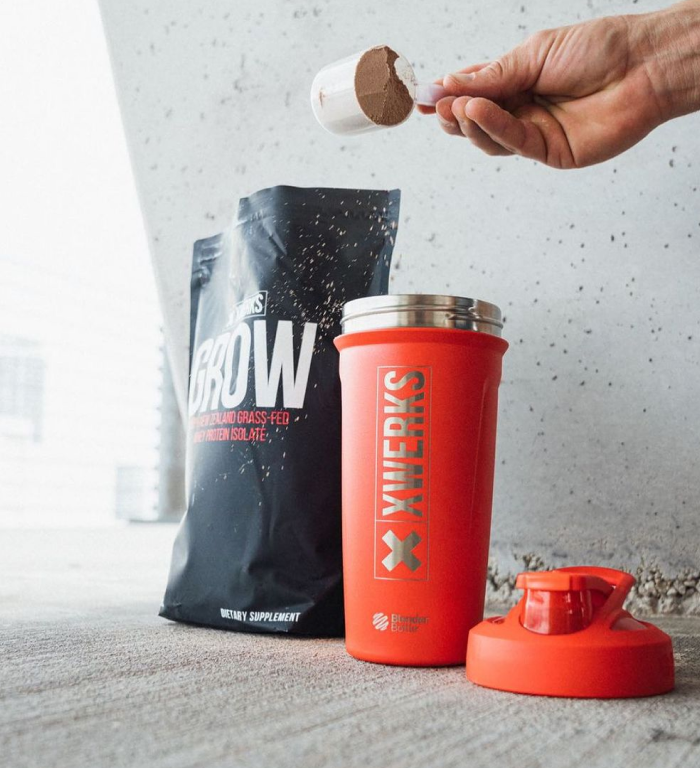
XWERKS Grow provides 25g of NZ grass-fed whey isolate per scoop with 6+ grams of BCAAs — clean-tasting and rapidly absorbed for daily or post-workout use.
How much protein during fat loss
Target 1.6-2.2g per kg body weight daily. Practical numbers:
| Body Weight | Daily Protein Target | Per Meal (4 meals) |
|---|---|---|
| 150 lbs (68 kg) | 110-150g | ~28-38g |
| 180 lbs (82 kg) | 130-180g | ~32-45g |
| 220 lbs (100 kg) | 160-220g | ~40-55g |
2. Creatine Monohydrate — Muscle Preservation Multiplier
Why creatine during weight loss
Creatine is often mislabeled as a "bulking" supplement. For fat loss, it's actually one of the highest-value interventions:
Muscle preservation in deficit: Chilibeck et al. 2017 meta-analysis found creatine combined with resistance training produced significantly greater muscle mass preservation during caloric restriction compared to training alone.
Training intensity maintenance: Caloric deficits reduce training capacity. Creatine helps maintain strength and power output despite the deficit, which in turn protects muscle mass.
Cognitive support: Brain fog is common during caloric restriction. Creatine supports cognitive function — particularly valuable for maintaining work performance during aggressive deficits.
The "creatine makes you gain weight" concern
Creatine causes ~1-2 lbs of intracellular water retention in the first 2-3 weeks. This appears on the scale as weight gain — which can be psychologically frustrating during active fat loss.
But this isn't fat gain. It's water inside muscle cells, which actually supports cell function and protein synthesis. Over the following weeks, the scale reflects the underlying fat loss progress. Skipping creatine to keep the scale "moving in the right direction" sacrifices meaningful body composition benefits for short-term scale optics.
Dose
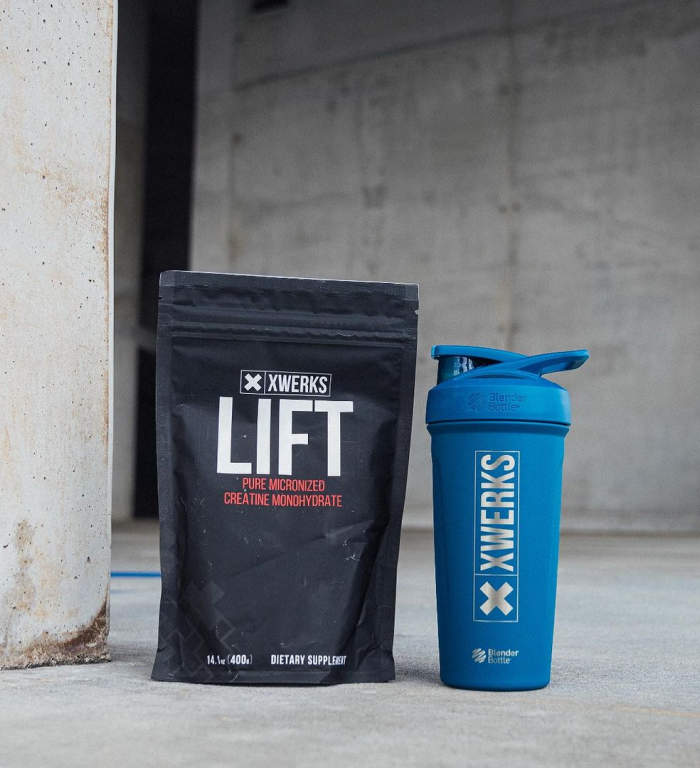
5g daily of creatine monohydrate. Every day, including non-training days. XWERKS Lift provides 5g per scoop of micronized monohydrate.
3. Caffeine — Energy, Fat Oxidation, and Adherence
How caffeine supports fat loss
Increased energy expenditure: Caffeine modestly increases resting metabolic rate — roughly 3-11% depending on dose and individual response. Small but cumulative.
Improved fat oxidation: Caffeine promotes mobilization of free fatty acids for energy use, particularly during exercise.
Training performance: Meta-analyses show caffeine improves endurance (2-4%), muscular endurance, and perceived effort — meaning harder workouts feel easier, which sustains training intensity during deficits.
Appetite suppression: Caffeine has mild appetite-suppressing effects, particularly when consumed before meals.
Adherence: Perhaps the biggest benefit — caffeine makes low-energy morning workouts possible. Consistent training over months is what drives results, and caffeine supports consistency.
Dose and sources
Pre-workout dose: 3-6mg per kg body weight, 45-60 minutes before training. For a 170-lb athlete: 230-460mg.
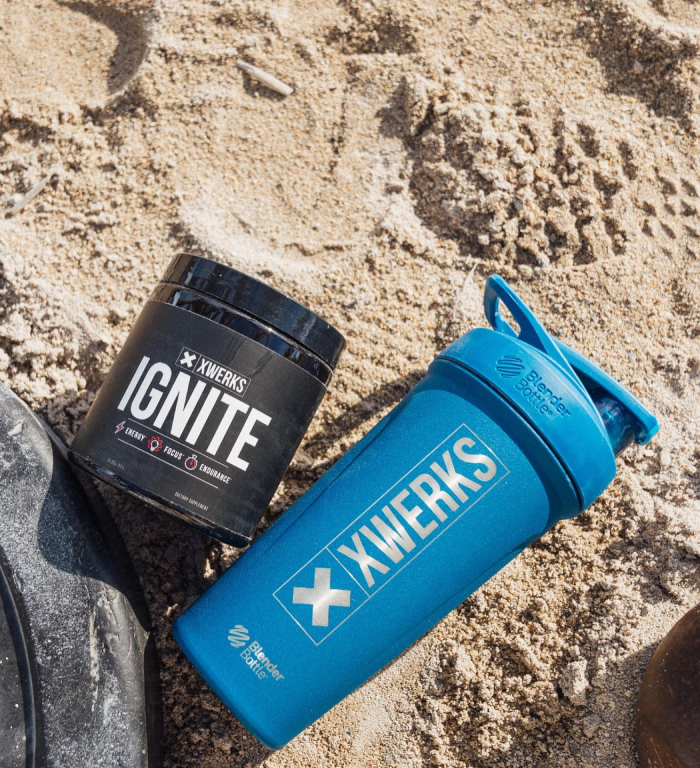
Sources: Coffee, tea, caffeine pills, or pre-workout formulas. XWERKS Ignite provides 150mg caffeine alongside citrulline, tyrosine, beta-alanine, and rhodiola — a complete pre-workout rather than pure stimulant.
Critical caveat: Avoid caffeine within 8 hours of intended sleep. The sleep disruption from late-day caffeine costs more than the caloric burn benefit provides.
4. Vitamin D3 — Foundation Micronutrient
Why vitamin D matters for weight loss
Vitamin D deficiency is strongly associated with obesity — vitamin D sequesters in adipose tissue, effectively reducing bioavailable amounts in overweight/obese individuals. Supplementation supports:
• Muscle function and strength (particularly important when lifting is the muscle preservation strategy)
• Testosterone and hormone production
• Bone density (protecting against loss during rapid weight reduction)
• Immune function (caloric restriction can modestly compromise immunity)
• Mood regulation (supports adherence through challenging dieting periods)
Dose
2,000-4,000 IU daily. 5,000+ IU if blood levels confirm deficiency. Test 25(OH)D levels; target 40-60 ng/mL.
5. Omega-3 Fish Oil — Anti-Inflammatory Support
Benefits during weight loss
• Reduces chronic inflammation (associated with both obesity and weight loss resistance)
• Enhances muscle protein synthesis response (Smith 2011)
• Supports cardiovascular health (particularly valuable for overweight patients)
• May modestly improve insulin sensitivity
• Supports mood and cognitive function
Dose: 2-3g combined EPA+DHA daily with a meal containing fat.
6. Magnesium — Sleep and Recovery
Why magnesium during fat loss
Magnesium deficiency is common and worsens during caloric restriction. Supplementation supports:
• Sleep quality (critical for weight loss outcomes)
• Muscle function and recovery
• Insulin sensitivity and glucose metabolism
• Stress response and cortisol regulation
Dose: 200-400mg magnesium glycinate in the evening for sleep support and GI tolerance.
Weight loss while on GLP-1 medications
The weight loss supplement conversation has been transformed by the widespread adoption of GLP-1 receptor agonists — semaglutide (Wegovy, Ozempic) and tirzepatide (Mounjaro, Zepbound). If you're using one of these medications, the supplement priorities shift significantly.
How the stack changes on GLP-1s
Protein needs rise to 2.0-2.4g/kg daily (higher than the 1.6-2.2g/kg for non-medicated weight loss). For a 200-lb patient: 180-220g daily.
Whey supplementation becomes essentially required. GLP-1 appetite suppression (30-40% reduction) makes hitting elevated protein targets through whole food alone physically impossible for most patients. 2-3 whey shakes daily are typically necessary.
Resistance training becomes non-negotiable. Without training stimulus, the body has no signal to preserve muscle during aggressive caloric deficit. 3-4 sessions per week minimum.
Creatine provides particular value during GLP-1-induced muscle loss pressure.
Electrolytes and micronutrients matter more because total food intake has dropped — vitamin D, omega-3s, magnesium all become more important, not less.
For comprehensive protocols on GLP-1 muscle preservation, see our dedicated guides: Supplements for GLP-1 Muscle Loss and How to Maintain Muscle on Semaglutide.
Stress and cortisol: where ashwagandha fits
The cortisol-fat connection
Chronic elevated cortisol (from stress, sleep deprivation, or aggressive deficits) contributes to visceral fat accumulation, increased sugar cravings, and impaired sleep. For athletes or professionals dealing with significant life stress during a cut, ashwagandha may meaningfully support the process.
What ashwagandha does (and doesn't)
Does: Modulates cortisol, supports sleep quality, reduces perceived stress, may support testosterone in men with low baseline levels, may improve strength gains (Wankhede 2015).
Doesn't: Directly burn fat, suppress appetite meaningfully, replace good sleep or stress management, produce rapid scale changes.
Dose: 300-600mg daily of quality extract. XWERKS Ashwa provides withania somnifera root extract appropriate for this use case.
Best for: Athletes or professionals with genuinely high stress loads, sleep issues, or elevated cortisol. Not a starting point for weight loss — add once the foundation is solid if stress is a real factor.
What to skip — heavily marketed but low-evidence supplements
The weight loss supplement industry is populated with products ranging from "minimal evidence" to "actively unsafe." Skip these:
Fat burners and thermogenics
Most fat burners rely on high-dose caffeine (often 200-300mg) plus a mix of ingredients with minimal evidence. The caffeine may increase energy expenditure modestly, but the other ingredients contribute little, and the product typically costs 5-10x more than caffeine alone. You can get the caffeine benefit from coffee or a straightforward pre-workout for a fraction of the price.
Some fat burners contain synephrine, yohimbine, or exotic stimulants with concerning cardiovascular profiles. Not worth the risk for marginal benefit.
CLA (Conjugated Linoleic Acid)
Heavily marketed, minimal real-world effect. Meta-analyses find average weight loss of 0.1-0.2 lbs per week over standard dieting — so small it's clinically meaningless, and concerns exist about adverse effects on insulin sensitivity.
Garcinia Cambogia
Popularized by TV shows a decade ago. Research has consistently found minimal weight loss benefit, and cases of liver toxicity have been reported with certain formulations. Skip.
Raspberry Ketones
Extrapolated from mouse studies that don't translate to humans. Human research has failed to demonstrate meaningful weight loss benefits. Pure marketing play.
Detox teas and cleanses
The "weight loss" from detox teas is primarily diuretic effect (water loss) plus laxative effects — no actual fat loss. Many contain senna or other harsh laxatives that can cause electrolyte imbalances and GI damage with regular use.
Apple Cider Vinegar (at supplement doses)
Modest glucose-regulation effects at food quantities (1-2 tablespoons with meals). The high-dose ACV pills and gummies marketed for weight loss have minimal additional benefit and can damage tooth enamel or cause GI issues.
"Metabolism boosters" with exotic ingredients
Any product containing ingredients you've never heard of, marketed with dramatic before/after photos, promising specific pound-losses per week — skip. Research-backed weight loss supplements are boring: protein, creatine, caffeine, vitamin D. The exciting ones rarely work.
Green tea extract (mega-doses)
Normal green tea consumption is fine and healthy. High-dose green tea extract supplements (often 500-1,000mg EGCG) have been associated with liver toxicity. Benefits are modest at best, risks are real.
Common mistakes during weight loss
1. Too-aggressive caloric deficit. 1,000+ calorie deficits produce faster initial loss but drive excessive muscle loss, metabolic adaptation, and rebound eating. Target 300-500 calorie deficit for sustainable results.
2. Cutting protein alongside calories. When people reduce intake, protein often drops proportionally. Wrong move — protein needs rise during fat loss, not fall. Eat less, but keep protein high.
3. Skipping resistance training. "I'll just do cardio to lose weight" is how you lose muscle alongside fat and end up "skinny fat." Resistance training 3-4x per week is non-negotiable for good body composition outcomes.
4. Relying on scale weight alone. Scale weight includes fat, muscle, water, and gut contents. Track body composition, strength trends, progress photos, and how clothes fit — not just the scale number.
5. Under-sleeping. 5-6 hours of sleep with aggressive dieting is a recipe for failure. Sleep first, diet second.
6. Being too sedentary outside of workouts. Formal exercise is a small fraction of daily energy expenditure. NEAT (non-exercise activity thermogenesis) — walking, taking stairs, standing — often accounts for more. Getting 8-10k steps daily alongside training outperforms trying to burn calories through workouts alone.
7. Expecting linear progress. Weight loss is not linear. Weekly scale fluctuations of 2-5 lbs are normal (water, sodium, hormonal cycles, digestive contents). Track weekly averages, not individual days. Plateaus are normal; they aren't failures.
8. Stacking every marketed weight loss supplement. The evidence-backed stack is small. Adding 8-10 "weight loss" supplements mostly costs money without adding results. Master the basics first.
The practical stack by situation
Standard weight loss (no medication)
• Whey protein isolate: 1-2 scoops daily to hit 1.6-2.2g/kg (XWERKS Grow)
• Creatine monohydrate: 5g daily (XWERKS Lift)
• Caffeine/pre-workout: Pre-training (XWERKS Ignite)
• Vitamin D3: 2,000-4,000 IU daily
• Omega-3 fish oil: 2-3g EPA+DHA daily
• Magnesium glycinate: 200-400mg evening
Weight loss on GLP-1 medications
Same stack, with key adjustments:
• Whey protein: 2-3 scoops daily to hit 2.0-2.4g/kg (elevated target)
• Everything else: Same as standard stack
Weight loss with high stress / poor sleep
Standard stack plus:
• Ashwagandha: 300-600mg daily (XWERKS Ashwa) — only add if cortisol management is the actual problem, not as a default
• Prioritize sleep and stress interventions over supplement additions
Weight loss for men over 40
Standard stack plus consider:
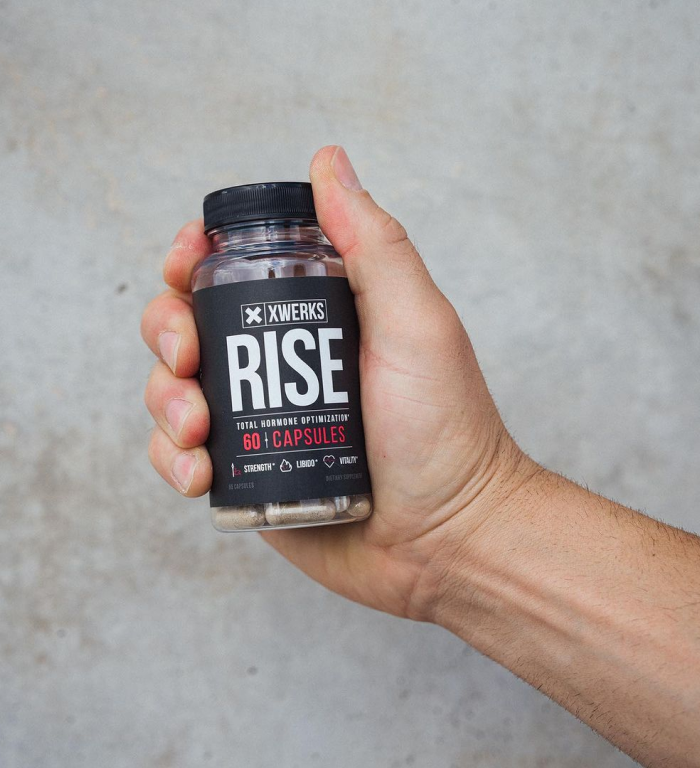
• Natural testosterone support if blood work shows low T: XWERKS Rise (tongkat ali + boron + shilajit + zinc)
• Resistance training emphasis — muscle loss accelerates with age, making training intensity more critical
The Bottom Line
Real weight loss is built on fundamentals — caloric deficit (300-500 cal/day), adequate protein (1.6-2.2g/kg, or 2.0-2.4g/kg on GLP-1s), resistance training 3-4x/week, 7-9 hours sleep, and stress management. No supplement replaces these.
The evidence-backed stack is simple: whey protein isolate (daily target-dependent dose), creatine monohydrate (5g daily), caffeine (3-6mg/kg pre-training), vitamin D3 (2,000-4,000 IU), omega-3 fish oil (2-3g EPA/DHA), and magnesium (200-400mg evening). That's the entire evidence base.
Skip the high-marketing low-evidence category: fat burners, CLA, garcinia cambogia, raspberry ketones, detox teas, mega-dose green tea extract, and nearly every "miracle" weight loss supplement. Most have minimal evidence, effect sizes so small they're clinically irrelevant, or concerning safety profiles.
For the 10%+ of adults now on GLP-1 medications, the stack shifts meaningfully — protein needs rise to 2.0-2.4g/kg and whey supplementation becomes essentially required to prevent the substantial muscle loss documented in GLP-1 trials. Resistance training becomes non-negotiable rather than optional.
The Evidence-Based Weight Loss Stack
XWERKS Grow (25g grass-fed whey isolate) + Lift (5g creatine monohydrate) + Ignite (moderate-stim pre-workout). The three core supplements that actually support fat loss — muscle preservation, training performance, and appetite control. Clinically dosed. No proprietary blends. No marketing-driven exotic ingredients.
SHOP GROW → SHOP LIFT →Further Reading
Supplements for GLP-1 Muscle Loss
How to Maintain Muscle on Semaglutide
Whey Protein for Preventing Muscle Loss with Age
The Athletic Benefits of Caffeine
Clinically Dosed Pre-Workout Guide
References
1. Pasiakos SM, et al. Effects of high-protein diets on fat-free mass and muscle protein synthesis following weight loss: a randomized controlled trial. FASEB J. 2013;27(9):3837-3847.
2. Leidy HJ, et al. The role of protein in weight loss and maintenance. Am J Clin Nutr. 2015;101(6):1320S-1329S.
3. Chilibeck PD, et al. Effect of creatine supplementation during resistance training on lean tissue mass and muscular strength in older adults: a meta-analysis. Open Access J Sports Med. 2017;8:213-226.
4. Wilding JPH, et al. Once-Weekly Semaglutide in Adults with Overweight or Obesity (STEP 1). N Engl J Med. 2021;384(11):989-1002.
5. Guest NS, et al. International society of sports nutrition position stand: caffeine and exercise performance. J Int Soc Sports Nutr. 2021;18(1):1.
6. Longland TM, et al. Higher compared with lower dietary protein during an energy deficit combined with intense exercise promotes greater lean mass gain and fat mass loss. Am J Clin Nutr. 2016;103(3):738-746.
7. Thomas DT, et al. American College of Sports Medicine Joint Position Statement: Nutrition and Athletic Performance. Med Sci Sports Exerc. 2016;48(3):543-568.
8. Cava E, et al. Preserving Healthy Muscle during Weight Loss. Adv Nutr. 2017;8(3):511-519.