Whey Protein vs Pea Protein: Which Is Better for Muscle Growth?
TL;DR
- For muscle building and recovery, whey protein beats pea protein — higher biological value (104 vs 65), better DIAAS score (1.09 vs 0.82), more leucine per serving (2.5-3g vs ~2g), faster absorption.
- Pea protein requires roughly 20-30% more per serving to produce comparable muscle-building effects.
- Pea protein is a legitimate choice for vegans, true dairy allergies, or ethical concerns — but most "lactose intolerant" people tolerate whey isolate fine (lactose removed in processing).
- For most omnivores: NZ grass-fed whey isolate is the cleanest and most effective protein supplement available.
For muscle protein synthesis and recovery, whey protein beats pea protein — it has a higher biological value, a more complete amino acid profile (especially leucine, the key mTOR activator), faster absorption, and significantly stronger research support for muscle growth outcomes. Pea protein is a legitimate plant-based alternative for vegans, those with dairy allergies, or ethical concerns — but gram-for-gram, it requires roughly 20-30% more to produce the same muscle-building effect as whey. For most omnivores who can tolerate dairy, whey isolate is the clearly superior choice for performance and muscle building.
The key differences at a glance
| Factor |
Whey Protein |
Pea Protein |
| Source |
Milk (dairy byproduct) |
Yellow split peas |
| Complete protein? |
Yes — all 9 essential amino acids in optimal ratios |
Nearly complete — lower in methionine |
| Leucine content (per 25g protein) |
~2.5-3g (crosses mTOR threshold) |
~2g (often below threshold per serving) |
| Biological value (BV) |
104 (whey isolate) — highest available |
~65 |
| Digestibility (DIAAS) |
1.09 — excellent |
0.82 — good but lower |
| Absorption speed |
Fast (peaks in 60-90 min) |
Moderate |
| Muscle protein synthesis |
Strongest research support |
Effective but less potent per gram |
| Best for |
Muscle building, recovery, performance |
Vegans, dairy allergies, plant-based diets |
Why whey wins for muscle building
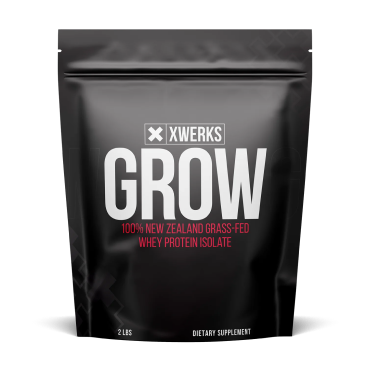
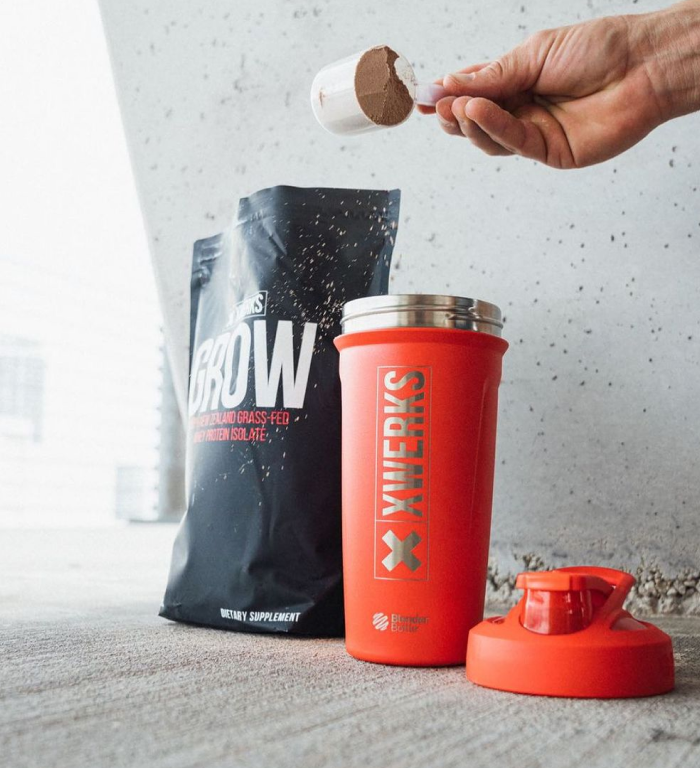
Complete amino acid profile with optimal leucine. Whey protein contains all 9 essential amino acids in ratios that closely match what your muscles need. Most importantly, it's rich in leucine — approximately 2.5-3g per 25g serving. Leucine is the key amino acid that activates mTOR and triggers muscle protein synthesis. A single scoop of XWERKS Grow crosses the ~2.5-3g leucine threshold that research shows is needed to maximally stimulate MPS.
Pea protein is lower in methionine. Pea protein is sometimes described as "almost complete" — it has all 9 essential amino acids, but methionine is limited relative to requirements. For total daily protein, this is easy to compensate for by varying protein sources. But for a single protein serving, this means pea protein is slightly less effective per gram for stimulating muscle growth.
Biological value and DIAAS scores favor whey. Biological value (BV) measures how efficiently the body uses a protein source. Whey isolate has a BV of 104 (the highest of any common protein source), while pea protein is around 65. The newer DIAAS (Digestible Indispensable Amino Acid Score) system rates whey at 1.09 and pea protein at 0.82. Both metrics tell the same story: whey is more effectively utilized.
Faster absorption. Whey protein isolate is absorbed rapidly — peak plasma amino acid levels occur within 60-90 minutes of consumption. This is particularly valuable post-workout when muscle protein synthesis is elevated. Pea protein absorbs more slowly, which isn't necessarily bad, but doesn't match whey's rapid delivery profile.
Research base. The research on whey protein and muscle growth is extensive and positive — multiple meta-analyses confirm that whey supplementation enhances resistance training outcomes. Pea protein research is smaller but generally positive. A 2015 study by Babault et al. compared pea protein to whey in resistance-trained men and found similar muscle thickness improvements over 12 weeks, though this study has been criticized for methodological limitations. The overall evidence base still favors whey.
Why pea protein is a legitimate option
Despite whey's advantages, pea protein has real use cases:
Dairy allergies. About 2-3% of adults have a true dairy allergy and cannot use whey protein. Pea protein is dairy-free and hypoallergenic.
Lactose intolerance. Approximately 65% of the global population has some degree of lactose intolerance. However, whey protein isolate (not concentrate) has the lactose removed during microfiltration — most lactose-intolerant people tolerate whey isolate without issues. This is a reason to choose whey isolate over concentrate, not pea protein over whey.
Vegan and plant-based diets. For ethical, religious, or environmental reasons, many people prefer plant-based protein sources. Pea protein is one of the better plant-based options alongside soy.
Ethical concerns about dairy farming. Some consumers prefer to avoid dairy for animal welfare reasons. Grass-fed, pasture-raised NZ whey (like XWERKS Grow) addresses many of these concerns but not all.
Digestive sensitivity. A small subset of people experience bloating or GI issues with whey even in isolate form, often due to non-lactose dairy proteins. Pea protein is generally well-tolerated across a broad population.
What about soy, rice, and hemp?
Soy protein is actually closer to whey in terms of amino acid profile and muscle protein synthesis effects. It has a DIAAS of ~0.91 and a complete amino acid profile. Research shows soy produces similar muscle growth outcomes to whey, though whey generally edges it out. Soy remains controversial for men due to phytoestrogen content, though research on normal dietary amounts hasn't shown meaningful negative effects on testosterone.
Rice protein is incomplete on its own — lower in lysine. Combining with pea protein (complementary amino acid profiles) produces a more complete plant-based source. Many vegan protein blends use this pea+rice combination for this reason.
Hemp protein has a decent amino acid profile but is lower in overall protein content per serving (typically only ~15g per 30g scoop) and contains more fiber and fat than isolated proteins. Best used as a whole-food addition rather than a primary protein source.
The practical recommendation: If you can tolerate dairy (and you probably can, even if you're lactose intolerant, as long as you're using whey
isolate not concentrate), whey protein is the best choice for muscle building and recovery. It has the most research, highest biological value, best leucine content, and fastest absorption. Save pea protein or blended plant proteins for vegan diets, true dairy allergies, or when you specifically want to avoid dairy for other reasons. Don't choose pea protein because you think plant protein is "cleaner" — whey from grass-fed sources like
XWERKS Grow has the cleanest ingredient profile you can find.
What to look for in either type
For whey protein: Choose isolate over concentrate (higher protein, less lactose). Look for grass-fed sources from reputable countries like New Zealand. Avoid artificial sweeteners if possible. Stevia-sweetened whey is a cleaner option than sucralose or aspartame. Minimize ingredient count — the fewer fillers, the better.
For pea protein: Look for products that specify pea isolate (90%+ protein) rather than pea concentrate. Organic sources avoid pesticide residues. Consider blends with rice or other complementary plant proteins for a more complete amino acid profile. Read for added sugars and artificial ingredients.
The Bottom Line
For muscle building and recovery: Whey protein wins. Higher biological value (104 vs 65), better DIAAS score (1.09 vs 0.82), more leucine (2.5-3g vs ~2g per serving), faster absorption, and stronger research support.
For vegans, dairy allergies, or ethical concerns: Pea protein is a legitimate alternative — effective but requires ~20-30% more per serving for comparable effect. Blend with rice protein for a more complete amino acid profile.
For most omnivores: Don't overthink it. Whey protein isolate from grass-fed NZ sources is the cleanest and most effective protein supplement for muscle growth, recovery, and daily protein targets.
NZ Grass-Fed Whey Protein Isolate
XWERKS Grow — 25g protein, 6g+ BCAAs, ~2.5-3g leucine per scoop. The cleanest whey protein available, sweetened with stevia, made from grass-fed cows in New Zealand.
SHOP GROW →
Further Reading
Why Grass-Fed Whey from New Zealand — Why source quality matters.
BCAAs vs EAAs — Why complete amino acid profiles matter.
Protein Timing for Athletes — When to consume protein for best results.
High Protein Low Carb Snacks
What Is Stevia? — The natural sweetener in Grow.
References
1. Babault N, et al. Pea proteins oral supplementation promotes muscle thickness gains during resistance training: a double-blind, randomized, placebo-controlled clinical trial vs. whey protein. J Int Soc Sports Nutr. 2015;12:3.
2. Gorissen SH, et al. Protein content and amino acid composition of commercially available plant-based protein isolates. Amino Acids. 2018;50(12):1685-1695.
3. Phillips SM. A brief review of higher dietary protein diets in weight loss: a focus on athletes. Sports Med. 2014;44 Suppl 2:S149-153.
4. Tang JE, et al. Ingestion of whey hydrolysate, casein, or soy protein isolate: effects on mixed muscle protein synthesis at rest and following resistance exercise in young men. J Appl Physiol. 2009;107(3):987-992.
5. Jäger R, et al. International Society of Sports Nutrition position stand: protein and exercise. J Int Soc Sports Nutr. 2017;14:20.