15 High Protein, Low Carb Snacks for Athletes and Busy People
TL;DR
- The best high-protein, low-carb snacks are ones you'll actually eat: simple, portable, no prep, and satisfying.
- Top picks: Greek yogurt, hard-boiled eggs, beef jerky/biltong, cottage cheese, string cheese, tuna pouches, edamame, and a whey protein shake.
- A scoop of whey protein isolate delivers 25g of protein in ~110 calories — one of the highest protein-to-calorie ratios available.
- Most "protein bars" are glorified candy bars with added protein — check labels for sugar, sugar alcohols, and seed oils before buying.
The best high-protein, low-carb snacks are ones you'll actually eat: simple, portable, no prep, and satisfying. Greek yogurt, hard-boiled eggs, jerky, cottage cheese, string cheese, tuna packets, whey protein shakes, and deli meat roll-ups cover 95% of real-world snacking needs — all at 15g+ of protein with under 10g of carbs. Here's the full list, the macros, and the honest evaluation of each option.
Why high protein, low carb snacks work
Protein is the most satiating macronutrient — gram for gram, it suppresses hunger better than carbs or fat. It also has the highest thermic effect (20-30% of protein calories are burned during digestion), helps preserve muscle during a caloric deficit, and doesn't spike blood glucose or insulin the way high-carb snacks do. High-protein snacking makes it easier to hit daily protein targets (1.6-2.2g/kg body weight), stay full between meals, and avoid the crash-and-craving cycle of sugary snacks.
For athletes and active adults, high-protein snacks are especially valuable for distributing protein evenly across the day — research suggests 3-5 protein-containing meals with 25-40g each produces better muscle protein synthesis outcomes than clustering all your protein into two large meals.
The snacks (ranked by convenience)
1. Whey protein shake
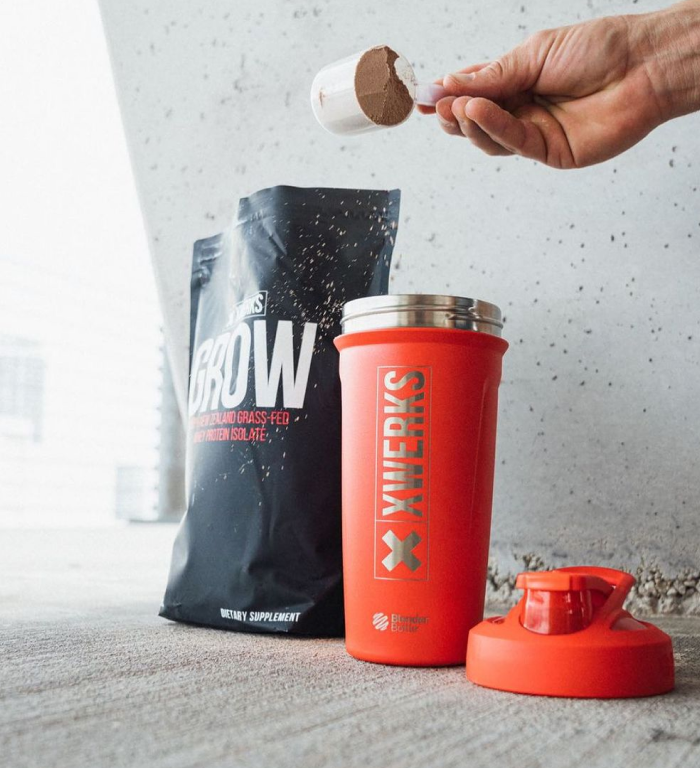
The highest-protein, most convenient option. XWERKS Grow provides 25g of NZ grass-fed whey protein isolate per scoop with minimal carbs and fat. Mix with water or unsweetened almond milk. Ready in 30 seconds. No prep, no cleanup, no refrigeration needed until mixed.
25g protein • 2g carbs • ~110 calories per scoop
2. Greek yogurt (plain, full-fat or 2%)
High protein, natural probiotics, and versatile. Plain is lower in sugar than flavored varieties. Add berries for sweetness (minimal carbs) or a drizzle of honey if you have carbs to spare. Fage 0%, Chobani, and Oikos Triple Zero are common options.
15-20g protein • 6-9g carbs • 100-150 calories per 6oz
3. Hard-boiled eggs
Portable, cheap, and nutritionally dense. Prep a dozen on Sunday for the week. Each egg provides complete protein, choline, and healthy fats. Salt and pepper, or dip in hot sauce for variety.
6g protein • 0.5g carbs • 70 calories per egg
4. Beef jerky or biltong
Shelf-stable, high protein, and portable. Choose options with no added sugar and minimal ingredients — many commercial jerkies contain 5-10g of sugar per serving. Grass-fed jerky brands (Chomps, Country Archer, People's Choice) are generally cleanest. Biltong (South African air-dried beef) is typically lower in sugar than traditional American jerky.
10-15g protein • 3-6g carbs • 70-100 calories per oz
5. Cottage cheese (low-fat or full-fat)
One of the highest protein-per-calorie foods available. Cottage cheese contains casein, a slow-digesting protein that provides sustained amino acid delivery for hours — making it particularly valuable as a pre-bed snack. Pair with berries, nuts, or eat plain with salt and pepper.
14g protein • 5g carbs • 90 calories per 1/2 cup
6. Tuna or salmon packets
Shelf-stable, high protein, high omega-3s, and ready to eat. StarKist, Bumble Bee, and Wild Planet make single-serving pouches. Eat straight from the package, add to a salad, or wrap in lettuce. Choose water-packed over oil-packed for fewer calories.
17-22g protein • 0g carbs • 90-120 calories per pouch
7. String cheese / cheese sticks
Individually wrapped, portable, and satisfying. Low-moisture mozzarella string cheese is the classic option. Pair with a handful of almonds or turkey slices for a more complete snack. Watch portions — cheese is calorie-dense relative to volume.
6-8g protein • 1g carbs • 70-90 calories per stick
8. Deli meat roll-ups
Slices of turkey, ham, or roast beef rolled around cheese, avocado, or hummus (use sparingly for low-carb). Choose minimally processed deli meats (Applegate, Boar's Head) with no added sugar. Ready in under a minute.
15-25g protein • 2-4g carbs • 100-180 calories per roll-up
9. Edamame
Young soybeans — one of the highest-protein plant foods. Buy frozen pods, microwave for 3 minutes, season with sea salt. One of the few high-protein snacks that's plant-based and also low in carbs.
17g protein • 10g carbs • 180 calories per cup (shelled)
10. Canned sardines
Often overlooked but exceptional — high protein, high omega-3s, high calcium (from the soft bones), and shelf-stable. Choose sardines packed in olive oil or water. Eat on their own or on cucumber slices.
23g protein • 0g carbs • 190 calories per can
11. Rotisserie chicken (portioned)
Buy a rotisserie chicken, portion it into containers with 3-4 oz of meat each. Eat cold or reheated throughout the week. Maximum protein density, zero prep once portioned.
25g protein • 0g carbs • 120-140 calories per 3oz serving
12. Hard cheese (cheddar, parmesan, gouda)
Nutrient-dense, satisfying, and long shelf life. Portion into 1-oz servings to avoid overeating. Pair with a few olives or a slice of deli meat for a more complete mini-meal.
7g protein • 1g carbs • 110 calories per oz
13. Protein bars (evaluate carefully)
The convenient option — but quality varies dramatically. Good options: Quest, Barebells, David, Built Bar, Power Crunch. Many "protein bars" are dressed-up candy with poor ingredient quality and hidden sugar alcohols. Read labels carefully. Target 15g+ protein, under 10g net carbs, and recognizable ingredients.
15-20g protein • 5-10g net carbs • 150-220 calories
14. Nuts and seeds (in moderation)
Not primarily a protein food — most of their calories are from fat — but they provide 4-6g of protein per ounce alongside healthy fats. Almonds, pistachios, pumpkin seeds, and peanuts are best. Portion-control is essential — it's easy to eat 500+ calories of nuts without noticing.
4-7g protein • 3-6g carbs • 160-200 calories per oz
15. Bone broth (high protein, warm, low calorie)
Ready-to-drink bone broth provides 9-10g of protein per cup with under 100 calories. Warm, satisfying, and surprisingly filling — particularly good as an afternoon snack when you want something warm and soothing. Kettle & Fire and Bare Bones are common brands.
9-10g protein • 1-2g carbs • 35-50 calories per cup
What to avoid
Trail mix. Usually high in dried fruit (sugar) and not that high in protein. Looks healthy, eats like candy.
Granola bars. Typically 3-5g of protein with 15-20g of carbs, mostly from sugar. Not actually a protein snack.
Flavored Greek yogurts. Added sugar can push carbs to 15-25g per serving. Stick with plain.
Crackers with cheese. The crackers make this not-low-carb. Use cucumber slices or deli meat as the carrier instead.
Smoothies with fruit and juice. Can easily hit 40+ grams of carbs. Keep smoothies protein-focused (whey + unsweetened milk + one small handful of berries).
The Snacking Priority List
Most convenient: Whey protein shake (Grow), Greek yogurt, jerky, string cheese, hard-boiled eggs.
Highest protein density: Whey protein shake (25g), rotisserie chicken (25g/3oz), tuna packets (17-22g), sardines (23g).
Best for pre-bed: Cottage cheese (slow-digesting casein for overnight amino acid delivery).
Best travel snacks: Jerky, tuna packets, protein bars (good brands), sardines.
Target 15-25g of protein per snack. 2-3 protein-focused snacks per day plus 3 meals makes hitting 1.6-2.2g/kg protein targets straightforward.
The Easiest High-Protein Snack of All
XWERKS Grow — 25g of NZ grass-fed whey protein isolate per scoop. 30 seconds to prepare. No cleanup, no refrigeration, no ingredient debates. The default snack for athletes who need protein and don't have time to think about it.
SHOP GROW →Further Reading
How Many Calories in a Pound? — The math behind deficit eating.
What Is Thermogenesis? — Why protein has a metabolic advantage.
EAA vs BCAA — Why complete protein sources beat isolated amino acids.
Creatine vs. Protein — The complementary roles of the two staple supplements.