

Muscle Recovery Supplements: What Actually Works
TL;DR
- The evidence-backed muscle recovery supplements are surprisingly few: whey protein, creatine, carbs/electrolytes, omega-3s, and tart cherry. Most "recovery supplements" are marketing hype.
- The biggest recovery levers aren't supplements at all — they're sleep (7-9 hours), adequate total calories and protein, smart programming, and hydration. Fix these first.
- Creatine (5g daily) is the #1 most evidence-backed recovery and performance supplement — studied in 500+ trials over 30+ years.
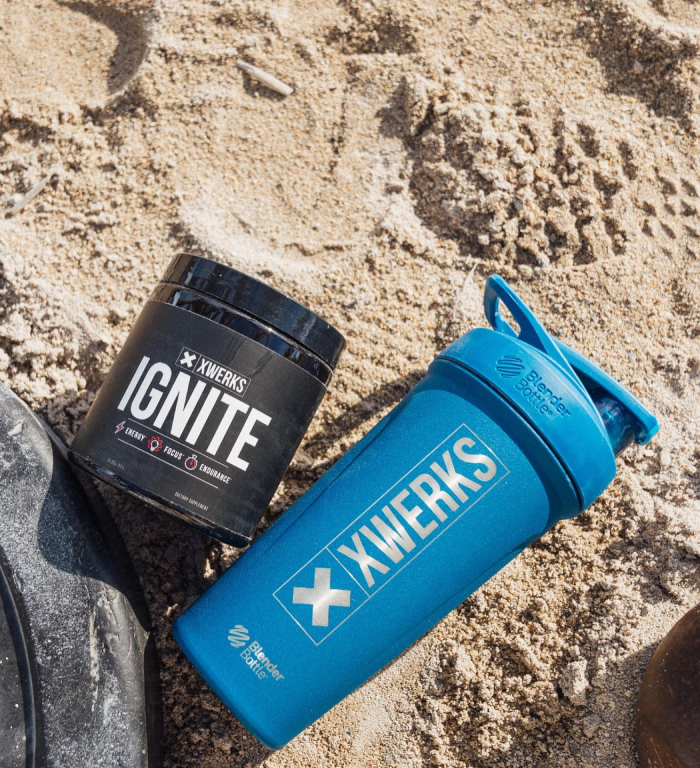
- Intra-workout Cluster Dextrin + BCAAs (like XWERKS Motion) supports recovery during training by maintaining glycogen and reducing muscle breakdown.
The muscle recovery supplement industry is full of products promising dramatic recovery benefits, but the evidence-backed list is surprisingly short: whey protein, creatine, carbs and electrolytes, omega-3s, and tart cherry. Most other "recovery" supplements (fancy amino acid blends, proprietary formulas, "cellular recovery" products) have weak or nonexistent evidence. The biggest recovery levers aren't supplements at all — they're sleep, total calories, adequate protein, smart programming, and hydration. Get those right first; supplements are the final 10-20% of optimization.
The recovery supplement hierarchy
Before diving into specific supplements, it's worth understanding what recovery actually means and what supplements can (and can't) do for it.
Recovery is the process of restoring your body to baseline after training stress. This includes: replenishing muscle glycogen, repairing damaged muscle fibers, reducing inflammation, clearing metabolic byproducts, restoring hormonal balance, and rebuilding neural and central nervous system capacity.
Supplements can support several of these processes, but they can't replace the non-supplement foundations that do most of the work:
1. Sleep. 7-9 hours per night. Growth hormone peaks during deep sleep, and most tissue repair happens overnight. Sleep deprivation alone can reduce testosterone 10-15% and impair recovery dramatically.
2. Total calories. Recovery requires energy. Chronic caloric deficits impair recovery regardless of supplementation.
3. Adequate protein. 1.6-2.2g per kg body weight daily. This is the single most impactful nutritional factor for muscle recovery and growth.
4. Smart programming. Training volume, intensity, and frequency need to match your recovery capacity. No supplement can rescue a broken program.
5. Hydration. Proper fluid and electrolyte balance supports every recovery process.
Once the foundations are in place, supplements can provide additional support. Below are the ones with genuine evidence.
The evidence-backed recovery supplements
1. Whey Protein (the foundation)
Evidence: Overwhelming. Multiple systematic reviews and meta-analyses, including Morton et al. 2018, confirm that whey protein supplementation meaningfully improves muscle recovery and gain from resistance training.
Mechanism: Provides the amino acids (especially leucine) needed for muscle protein synthesis. Helps hit daily protein targets of 1.6-2.2g/kg body weight. Fast digestion makes it ideal for post-workout when amino acid availability matters.
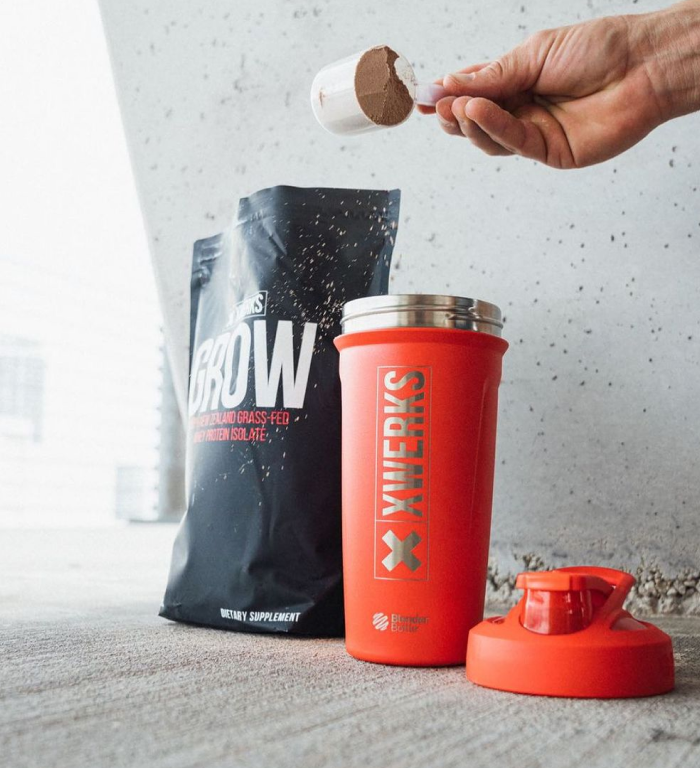
Dose: 25-40g per serving, 1-3 servings per day to hit daily total. XWERKS Grow delivers 25g per scoop with ~2.5-3g leucine.
When to take: Post-workout is ideal but not critical — total daily protein matters more than timing. The "anabolic window" is much wider than once believed.
2. Creatine Monohydrate (the MVP)
Evidence: Strongest evidence base of any sports supplement. Over 500 published studies spanning 30+ years. Effective in the vast majority of trials, with known mechanism and excellent safety profile.
Mechanism: Increases phosphocreatine stores in muscle, supporting ATP regeneration during high-intensity exercise. Results in more volume/intensity per training session, which drives greater long-term adaptations. Also has cell-hydrating effects that support muscle fullness and recovery.
Dose: 5g daily, every day. No loading phase needed — just take 5g consistently and stores saturate within 2-4 weeks.
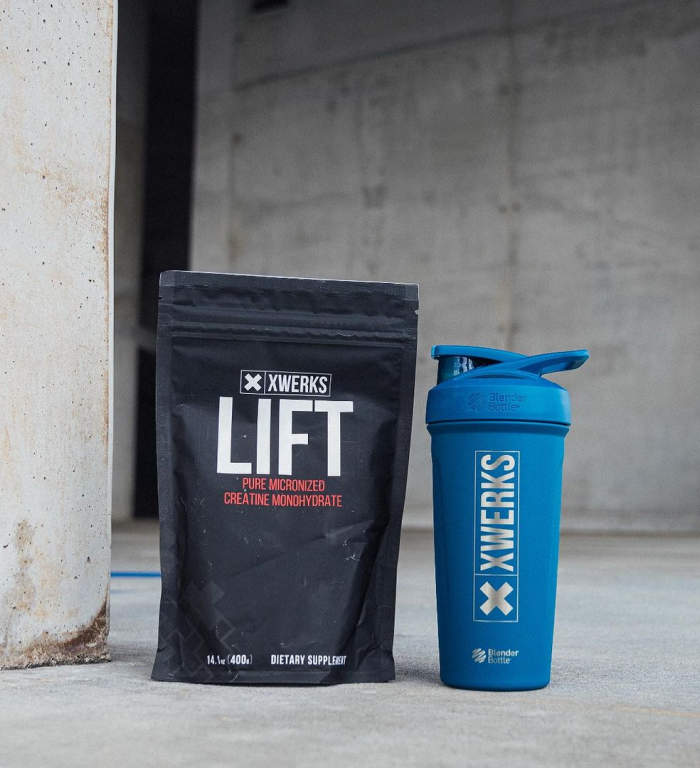
When to take: Doesn't matter. Morning, pre-workout, post-workout — all produce equivalent results. Consistency matters far more than timing. XWERKS Lift provides 5g of micronized creatine monohydrate per serving.
3. Carbs + Electrolytes (intra-workout support)
Evidence: Strong for endurance athletes and high-volume training. Carbohydrate intake during training maintains glycogen, reduces cortisol, and minimizes muscle protein breakdown during the session. Electrolytes prevent cramping and support neuromuscular function.
Mechanism: Sparing muscle glycogen extends workout capacity. Maintaining blood sugar prevents the catabolic cortisol spike that comes with depletion. Electrolytes (especially sodium) maintain fluid balance and muscle function.
Dose: 30-60g of fast-absorbing carbs per hour for sessions over 60-90 minutes. XWERKS Motion uses Cluster Dextrin (highly branched cyclic dextrin) + BCAAs + electrolytes — optimized for minimal GI distress and rapid absorption.
When to take: Sip during the workout. Particularly valuable for CrossFit, Hyrox, endurance sessions, and long lifting days.
4. Omega-3 Fatty Acids (inflammation support)
Evidence: Good. Multiple trials show omega-3s reduce exercise-induced muscle soreness and inflammation markers. Less clear whether this translates to actual performance improvements, but the anti-inflammatory effects are well-established.
Mechanism: EPA and DHA (the active omega-3s from fish oil) produce anti-inflammatory eicosanoids that counterbalance the pro-inflammatory response to intense training. They also support cell membrane fluidity and may enhance muscle protein synthesis modestly.
Dose: 2-3g of combined EPA+DHA daily. Look for fish oil supplements with high EPA/DHA concentrations (at least 500mg combined per capsule).
When to take: With a meal containing fat for optimal absorption. Timing doesn't matter as long as you're consistent.
5. Tart Cherry (muscle soreness)
Evidence: Moderate. Several trials show tart cherry juice or extract reduces muscle soreness and inflammation markers after intense exercise. Most effective for eccentric-heavy training (running downhill, heavy negatives) and endurance events.
Mechanism: Rich in anthocyanins with anti-inflammatory and antioxidant effects. Specifically targets the inflammation cascade that produces delayed-onset muscle soreness (DOMS).
Dose: 8-16 oz of tart cherry juice daily, or ~480mg of tart cherry extract. Take for 3-5 days before an event and 2-3 days after for maximum effect.
Caveat: Some research suggests high-dose antioxidants around training may blunt some training adaptations. Use tart cherry strategically around competitions or intense training blocks, not every day during normal training.
6. Magnesium (sleep and cramping)
Evidence: Moderate. Magnesium deficiency is common in athletes (lost through sweat), and supplementation improves sleep quality and reduces muscle cramps in deficient individuals. Less clear whether it helps people who already have adequate intake.
Mechanism: Essential for muscle relaxation, nerve function, and energy production (ATP). Supports sleep by activating the parasympathetic nervous system.
Dose: 200-400mg of magnesium glycinate or magnesium citrate (avoid oxide — poorly absorbed). Take in the evening for sleep support.
7. Ashwagandha (cortisol and recovery)
Evidence: Strong for cortisol reduction, moderate for performance. Chandrasekhar 2012 showed 27.9% cortisol reduction, and Wankhede 2015 showed improved strength gains in resistance-trained men.
Mechanism: Adaptogenic effects on the HPA axis. Reduces chronic cortisol elevation, which otherwise suppresses testosterone and impairs recovery. Particularly valuable for athletes with heavy training stress and elevated cortisol.
Dose: 300-600mg of standardized extract daily, or 1,500mg of root equivalent as in XWERKS Ashwa.
When to take: Consistency matters more than timing. See our guide to ashwagandha timing.
The "recovery supplements" that don't work (or barely work)
BCAAs (as a standalone)
The branched-chain amino acids (leucine, isoleucine, valine) have been marketed aggressively as recovery supplements for decades. The reality: if your total protein intake is adequate (1.6g/kg+), additional standalone BCAAs provide minimal benefit. Jackman 2017 found that BCAAs alone produced only 22% of the muscle protein synthesis response compared to a complete protein source.
When they make sense: Fasted training, intra-workout use (as in Motion), and very low-protein diets. Otherwise, redundant with whey protein.
Glutamine
Once a staple of bodybuilding recovery stacks. Research has largely failed to show meaningful benefits for muscle recovery in healthy trained adults. Glutamine is useful in clinical settings (burn patients, critical illness, severe overtraining), but for normal athletes, it's redundant. Your body synthesizes glutamine from other amino acids, and whey protein already contains it in adequate amounts.
"Proprietary recovery blends"
Many supplement companies sell products with 10-20 ingredients in a "proprietary blend" that claims comprehensive recovery support. These are almost always poor value — you're paying premium prices for sub-therapeutic doses of each ingredient. You're better off buying the individual evidence-backed supplements at effective doses.
CBD, ZMA, exotic extracts
Evidence for these in muscle recovery is weak or inconsistent. Some may have minor effects in specific situations, but none are in the tier of whey, creatine, or omega-3s. Skip them unless you have specific evidence-backed reasons.
Non-supplement recovery strategies (the ones that matter most)
Sleep. Non-negotiable. 7-9 hours per night. Consistent bedtime and wake time. Dark, cool, quiet room. If you're getting 5-6 hours, no supplement stack in the world will save your recovery.
Adequate total calories. Chronic undereating impairs recovery regardless of protein or supplements. If you're in a caloric deficit, manage the magnitude carefully — no more than 20% below maintenance for active trainees.
Training programming. Progressive overload, adequate rest days, deload weeks every 4-8 weeks, appropriate volume for your recovery capacity. Bad programming can't be fixed with supplements.
Hydration. 3-4L of water per day minimum. More on training days. Electrolytes if sweating heavily.
Stress management. Chronic life stress (work, family, financial) adds to training stress and impairs recovery. Can't train hard and life hard at the same time forever.
Active recovery. Light movement on off days, mobility work, walking. Total rest is often worse than gentle activity for recovery.
The Bottom Line
The evidence-backed recovery supplements are few: whey protein, creatine, intra-workout carbs/electrolytes, omega-3s, tart cherry, magnesium, and ashwagandha. Everything else is mostly marketing.
Non-supplement foundations matter more. Sleep, total calories, protein intake, smart programming, and hydration do 80% of the work. Supplements are the final optimization, not a rescue for a broken foundation.
Practical stack: Grow (25g whey daily) + Lift (5g creatine daily) + fish oil + magnesium + Motion intra-workout for long sessions + Ashwa if cortisol is an issue.
Avoid: Proprietary recovery blends, standalone BCAAs (redundant if protein is adequate), glutamine, exotic extracts. None of these provide meaningful benefits for healthy trained adults.
The Evidence-Backed Recovery Stack
XWERKS Grow (25g whey isolate) + Lift (5g creatine) + Motion (cluster dextrin + BCAAs for intra-workout). The three supplements with the strongest evidence for muscle recovery and performance.
SHOP GROW → SHOP LIFT → SHOP MOTION →Further Reading
How Long Does It Take to Gain Muscle
Cluster Dextrin & Intra-Workout Fueling
5 Benefits of Ashwagandha for Men
References
1. Morton RW, et al. Protein supplementation and resistance training-induced gains in muscle mass and strength. Br J Sports Med. 2018;52(6):376-384.
2. Kreider RB, et al. International Society of Sports Nutrition position stand: safety and efficacy of creatine supplementation. J Int Soc Sports Nutr. 2017;14:18.
3. Jouris KB, et al. The effect of omega-3 fatty acid supplementation on the inflammatory response to eccentric strength exercise. J Sports Sci Med. 2011;10(3):432-438.
4. Bowtell JL, et al. Montmorency cherry juice reduces muscle damage caused by intensive strength exercise. Med Sci Sports Exerc. 2011;43(8):1544-1551.
5. Chandrasekhar K, et al. Ashwagandha root extract in reducing stress and anxiety in adults. Indian J Psychol Med. 2012;34(3):255-262.
6. Jackman SR, et al. Branched-chain amino acid ingestion stimulates muscle myofibrillar protein synthesis. Front Physiol. 2017;8:390.