How to Maintain Muscle on Semaglutide: A Complete Guide
TL;DR
- Without intervention, ~40% of weight lost on semaglutide comes from lean muscle mass (Wilding 2021, STEP 1 trial). With proper intervention, that can be reduced dramatically.
- The core protocol: resistance training 3-4x per week + 2.0-2.4g protein per kg body weight + creatine monohydrate + vitamin D3 + consistent sleep. Every component is necessary.
- Because semaglutide dramatically suppresses appetite, whey protein supplementation is essential for hitting protein targets. Whole food alone won't work for most users.
- Nausea management matters: slow titration, avoiding very large meals, prioritizing palatable proteins (shakes, yogurt, eggs) over challenging ones (dense red meat, chicken breast) during nausea periods.
Semaglutide (Wegovy, Ozempic) produces dramatic weight loss, but clinical trial data reveals an uncomfortable truth: roughly 40% of total weight lost comes from lean muscle mass when users don't actively intervene (Wilding 2021, STEP 1 trial). For a 60-lb weight loss, that can mean 24 lbs of muscle gone — with all the metabolic, functional, and aesthetic consequences that implies. The good news: muscle loss on semaglutide is largely preventable. The complete protocol requires resistance training 3-4x per week, elevated protein intake (2.0-2.4g per kg body weight), creatine monohydrate, adequate vitamin D, consistent sleep, and smart nausea management. This guide walks through exactly how to maintain muscle throughout a semaglutide course — including the practical tactics for hitting protein targets when your appetite has been cut in half.
Why muscle loss on semaglutide is a bigger deal than it sounds
Before the protocol, here's why muscle preservation matters so much:
Lower metabolic rate after weight loss
Muscle burns calories at rest — more muscle means higher BMR. Losing 20 lbs of muscle during weight loss means your daily calorie burn drops by roughly 100-200 calories/day forever. This makes maintaining weight loss much harder and makes weight regain much easier.
Weight regain often happens as fat
Most semaglutide users who stop the medication regain significant weight. If you lost 30% of weight as muscle, but regain mostly as fat, you end up with worse body composition than you started — same weight, less muscle, more fat. This is the "skinny fat" phenomenon after GLP-1 discontinuation.
Functional decline
Loss of muscle mass reduces strength, power, and physical capacity. Everyday activities (carrying groceries, getting up from the floor, climbing stairs) become harder. For older adults, this can accelerate the transition toward frailty.
Bone density loss
Muscle loss typically accompanies bone density loss during rapid weight reduction. Muscle mechanically stimulates bone through training forces. Less muscle = weaker bones = higher fracture risk over time.
Worse insulin sensitivity long-term
Skeletal muscle is the primary site of glucose disposal. Less muscle means less capacity to clear blood glucose, potentially working against one of semaglutide's metabolic benefits.
The 6-step protocol for maintaining muscle on semaglutide
Hit your elevated protein target every single day
Target: 2.0-2.4g protein per kg body weight daily. For context:
• 150 lb user: 135-165g protein/day
• 200 lb user: 180-220g protein/day
• 250 lb user: 225-270g protein/day
This is significantly more than most people eat normally — and you'll need to hit it while your appetite is suppressed by 30-40%. There's no way around this: low protein intake on semaglutide = substantial muscle loss. Non-negotiable.
How: Track for the first 2-3 weeks to establish what you're actually consuming. Most people dramatically underestimate how little protein they're eating. Apps like MacroFactor, Cronometer, or MyFitnessPal make tracking straightforward.
Use whey protein isolate to bridge the appetite gap
This is where most semaglutide users fail. Whole food protein sources — chicken breast, salmon, eggs, cottage cheese — are filling and often unappealing during appetite suppression. Trying to eat 180g of protein through whole food alone while nauseated is nearly impossible.
The solution: Whey protein isolate in liquid form. A shake with 1-2 scoops provides 25-50g of protein with minimal volume or chewing, often going down even when solid food is unappealing.
Practical usage:
• Morning whey shake (mixed with milk, Greek yogurt, or just water) before solid food
• Mid-afternoon whey shake when appetite is lowest
• Post-workout shake for muscle protein synthesis
• Evening whey-based dessert (whey + almond milk + cocoa powder blended) if dinner was low-protein
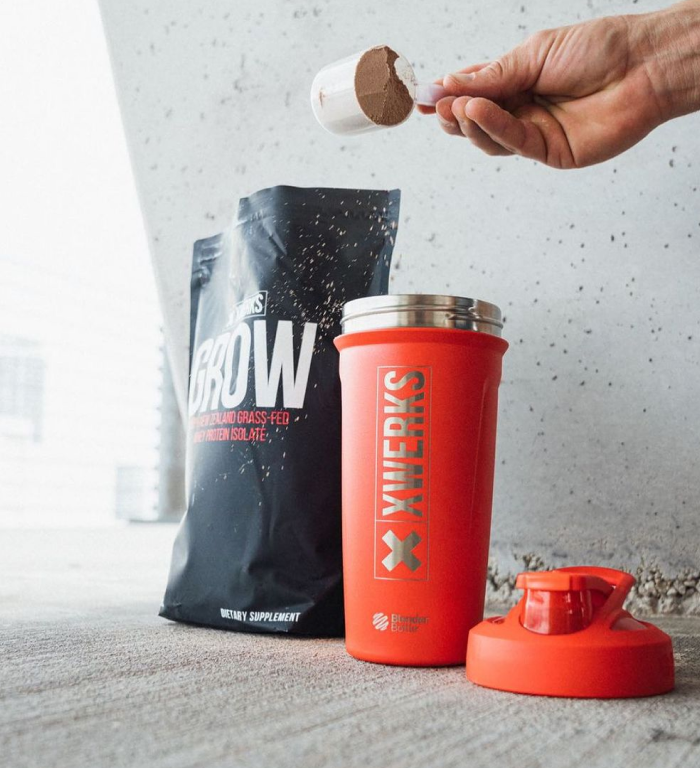
A typical semaglutide user benefits from 2-3 whey shakes per day, providing 50-100g of total supplemental protein. XWERKS Grow uses NZ grass-fed whey isolate, clean-tasting and well-tolerated even during GI sensitivity.
Resistance train 3-4x per week (non-negotiable)
Protein alone doesn't preserve muscle. The signal to maintain muscle comes from training — specifically, resistance training that places mechanical demand on muscle tissue. Without this signal, the body has no reason to preserve muscle during caloric restriction.
The program: 3-4 sessions per week, 45-60 minutes each, focused on compound movements:
• Squats, deadlifts, lunges (legs/glutes)
• Bench press, overhead press, push-ups (chest/shoulders)
• Rows, pull-ups/pull-downs (back)
• Core work and accessories
Intensity: Work in the 6-15 rep range with the last 2-3 reps being genuinely challenging. Light, casual exercise doesn't provide enough stimulus.
Progressive overload: Add weight or reps gradually over time. The training should progressively challenge you, not just repeat the same load forever.
If you're new to training: Start with bodyweight and dumbbells, focus on form, work with a trainer for the first 4-8 weeks if possible. The barrier to starting is lower than most people think.
Take creatine monohydrate daily
Creatine is the second most important supplement (after whey) for preserving muscle during caloric restriction. It works through multiple mechanisms:
• Supports ATP regeneration during training, enabling higher volume and intensity
• Has cell-volumizing effects that may spare muscle protein breakdown
• Preserves cognitive function (particularly relevant during caloric restriction when brain fog is common)
• Multiple meta-analyses confirm muscle preservation benefits in caloric deficit contexts
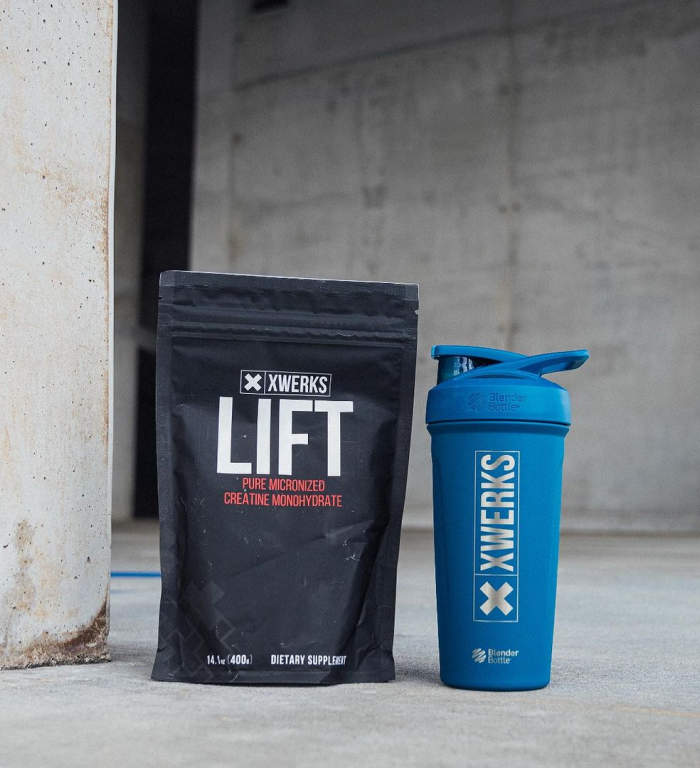
Dose: 5g daily of creatine monohydrate. No loading needed. Take consistently — timing doesn't matter. XWERKS Lift provides 5g per scoop of micronized monohydrate.
Cost-benefit: ~$0.30 per dose. One of the cheapest, most evidence-backed supplements available. Skipping creatine on semaglutide is leaving significant muscle on the table.
Address micronutrient gaps (vitamin D, omega-3s, electrolytes)
Semaglutide users often become deficient in multiple micronutrients because total food intake drops dramatically. Key supplements to address:
Vitamin D3: 2,000-4,000 IU daily. Supports muscle function, testosterone, bone health, and immune function. Test 25(OH)D blood levels; target 40-60 ng/mL.
Omega-3 fish oil: 2-3g combined EPA+DHA daily. Reduces inflammation, enhances muscle protein synthesis response, supports cardiovascular health.
Magnesium glycinate: 200-400mg evening. Supports muscle function, recovery, and sleep quality. Many semaglutide users develop magnesium deficiency due to reduced intake.
Electrolytes during training: Reduced food intake means reduced electrolyte intake. Products like XWERKS Motion provide carbohydrates plus electrolytes for training sessions when food intake is insufficient to fuel performance.
Multivitamin: Reasonable insurance against multiple subclinical deficiencies when eating significantly less food.
Sleep 7-9 hours and manage training frequency around recovery
Sleep is when muscle protein synthesis happens and growth hormone peaks. Inadequate sleep on semaglutide significantly accelerates muscle loss.
Training while under-recovered doesn't help — it just accumulates fatigue. If you're sleeping poorly, feeling exhausted, or nauseated, a lighter training session (or rest day) is better than forcing a full workout. Consistency over weeks and months matters more than any individual training session.
Recovery signals: Mood, sleep quality, training performance, and appetite (when not GLP-1-suppressed) all reflect recovery status. If multiple are declining, back off training intensity for a few days.
Nausea management: specific tactics that work
Nausea is one of the most common semaglutide side effects and often interferes with protein intake and training. Practical approaches:
Slow dose titration
Most semaglutide protocols start at 0.25mg weekly and titrate up every 4 weeks. Don't rush titration — if you're experiencing significant nausea, stay at the current dose longer or discuss with your prescriber about a slower titration schedule.
Small, frequent meals
Large meals often trigger nausea on semaglutide. Aim for 4-6 smaller meals/feedings per day rather than 2-3 large ones. Each meal containing 25-50g protein rather than trying to eat 80g in one sitting.
Prioritize palatable proteins
Dense, fibrous proteins (chicken breast, lean steak) are often hard to eat during nausea. Softer, more palatable sources work better:
• Whey protein shakes (cold, liquid, easy)
• Greek yogurt
• Eggs (scrambled, soft)
• Cottage cheese
• Fish (salmon, tuna — often better tolerated than red meat)
• Tofu and soft proteins
Save challenging proteins for days when appetite is better.
Temperature matters
Cold foods often cause less nausea than hot foods. Cold whey shakes, cold yogurt, cold hard-boiled eggs often work when hot chicken breast doesn't.
Hydration strategy
Reduced food intake means reduced water intake from food. Many semaglutide users become mildly dehydrated, which worsens nausea and fatigue. Target 2-3 liters of water daily, more if training.
Time your weekly dose strategically
Nausea typically peaks 1-3 days after your weekly semaglutide dose. Plan your harder training sessions on days when side effects are minimized (typically 4-7 days post-dose for most users). Plan easier training or rest on post-dose days.
Sample day on semaglutide (200-lb user targeting 205g protein)
7:00 AM
Light breakfast: 3 scrambled eggs + 1 scoop XWERKS Grow in coffee (45g protein)
Supplements: Vitamin D3 (3,000 IU), omega-3 (2g EPA+DHA), creatine (5g)
10:00 AM
Mid-morning: Greek yogurt (1 cup, 25g protein)
12:30 PM
Lunch: 4 oz grilled chicken + vegetables + quinoa (35g protein)
3:30 PM
Afternoon shake: 1 scoop XWERKS Grow in almond milk (30g protein)
5:00 PM — Training
Resistance training: 45-50 minutes, heavy compound movements
Electrolytes during session if hot/long
6:15 PM — Post-training
1 scoop XWERKS Grow + banana = 30g protein
7:30 PM — Dinner
5 oz salmon + roasted vegetables (40g protein)
Magnesium glycinate (200mg) before bed
Daily total: ~205g protein — right in target range. Distributed across 6 feedings. Whey shakes handle the times when appetite is lowest. Creatine and micronutrients are covered. Training stimulus is in place.
How to measure whether your protocol is working
Don't just watch the scale. Track these indicators of muscle preservation:
1. Strength trends. Are you maintaining or increasing the weights you lift? If strength is holding or improving, muscle is likely being preserved. If strength is declining significantly, something in your protocol needs adjustment.
2. Body composition (if accessible). DEXA scans or InBody measurements every 8-12 weeks can show lean mass vs fat mass changes. Ideally: fat mass decreasing while lean mass stays stable or declines minimally.
3. Physical function. Can you still carry groceries, climb stairs, get up from the floor, play with kids? Functional capacity should improve (from weight loss) or at minimum stay stable.
4. Clothes fit. Weight loss with muscle preservation = clothes fitting much better, more pronounced fat loss look. Weight loss with muscle loss = clothes fitting looser but a more "deflated" look.
5. Photos. Progress photos every 4 weeks. Muscle preservation looks dramatically different from muscle-wasting weight loss in photos.
6. Blood work markers. Fasting glucose, A1C, lipids, thyroid. Muscle preservation improves insulin sensitivity; muscle loss often doesn't improve it as much as hoped.
Planning for after semaglutide
Most patients don't stay on semaglutide indefinitely. What happens when you come off significantly affects whether you maintain results. The best-case scenario:
While on medication: Lost 50 lbs, preserved most muscle, built training habits, established high-protein eating patterns.
Coming off medication: Appetite returns. Continue resistance training. Continue hitting elevated protein targets. Continue whey supplementation if useful. Transition to a maintenance caloric intake gradually.
Long-term: Maintain muscle mass through continued training. Monitor weight weekly; intervene early if slow regain begins. Consider periodic return to semaglutide at lower doses for weight maintenance if needed.
The users who maintain semaglutide results are almost universally the ones who built sustainable muscle-preservation habits during the medication phase — not the ones who lost weight quickly without protocol and then returned to prior habits. Think of semaglutide as the tool that makes dramatic weight loss possible; the protocol is what makes the loss durable and healthy.
The Bottom Line
Without intervention, semaglutide users lose 40% of weight as muscle (STEP 1 trial). With proper protocol, that can be reduced dramatically — preserving metabolic rate, function, and body composition.
The 6-step protocol: (1) Hit 2.0-2.4g protein/kg daily, (2) Use whey isolate to bridge the appetite gap, (3) Resistance train 3-4x/week, (4) Take 5g creatine monohydrate daily, (5) Cover micronutrients (D3, omega-3s, magnesium), (6) Sleep 7-9 hours.
Whey supplementation is essential, not optional. Appetite suppression makes hitting 180-220g protein through whole food alone physically impossible for most users. 2-3 whey shakes daily are the practical solution.
Manage nausea strategically: slow titration, small frequent meals, palatable proteins (shakes, yogurt, eggs), cold foods, strategic training timing around your weekly dose. Plan for after the medication — the habits built during treatment determine whether results last.
Built for Semaglutide Users
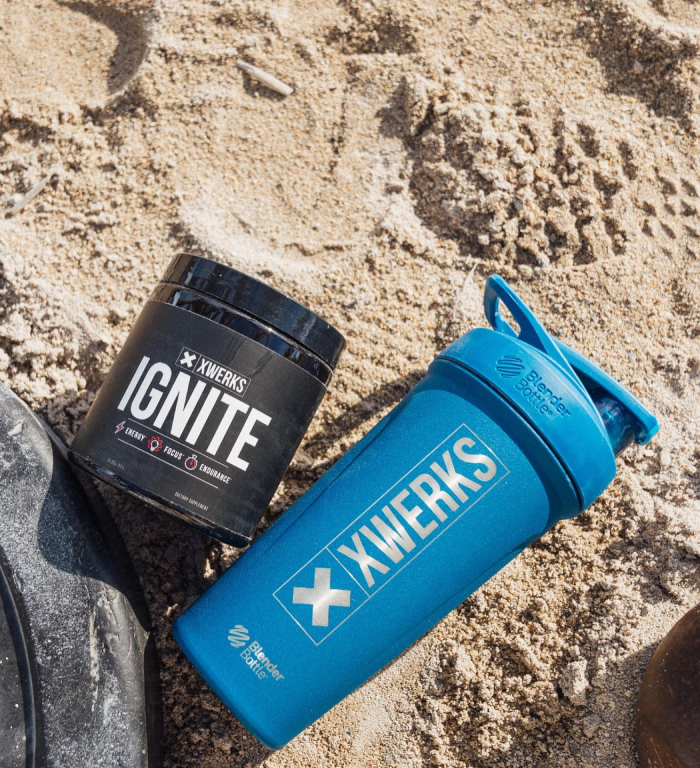
XWERKS Grow (25g NZ grass-fed whey isolate, clean-tasting, GI-friendly) + Lift (5g creatine monohydrate). The two most evidence-backed supplements for maintaining muscle on semaglutide — both built to work when appetite is low and nausea is high.
SHOP GROW → SHOP LIFT →Further Reading
Supplements for GLP-1 Muscle Loss
Whey Protein for Preventing Muscle Loss with Age
Sarcopenia Prevention Supplements
How Much Protein Can Your Body Absorb?
References
1. Wilding JPH, et al. Once-Weekly Semaglutide in Adults with Overweight or Obesity (STEP 1). N Engl J Med. 2021;384(11):989-1002.
2. Jastreboff AM, et al. Tirzepatide Once Weekly for the Treatment of Obesity (SURMOUNT-1). N Engl J Med. 2022;387(3):205-216.
3. Chilibeck PD, et al. Effect of creatine supplementation during resistance training on lean tissue mass and muscular strength in older adults: a meta-analysis. Open Access J Sports Med. 2017;8:213-226.
4. Cava E, et al. Preserving Healthy Muscle during Weight Loss. Adv Nutr. 2017;8(3):511-519.
5. Phillips SM, et al. Protein "requirements" beyond the RDA: implications for optimizing health. Appl Physiol Nutr Metab. 2016;41(5):565-572.
6. Bauer J, et al. Evidence-based recommendations for optimal dietary protein intake in older people: position paper from the PROT-AGE Study Group. J Am Med Dir Assoc. 2013;14(8):542-559.
7. Longland TM, et al. Higher compared with lower dietary protein during an energy deficit combined with intense exercise promotes greater lean mass gain and fat mass loss. Am J Clin Nutr. 2016;103(3):738-746.