






Cluster Dextrin vs. Gatorade vs. LMNT vs. Liquid IV
The research-backed breakdown of what actually fuels performance — and what's just flavored water with marketing.
These four products are designed to do fundamentally different things. Gatorade, LMNT, and Liquid IV are hydration and electrolyte products. Cluster Dextrin is a performance carbohydrate engineered to fuel sustained athletic output. Comparing them is like comparing jet fuel to windshield wiper fluid — both go in the vehicle, but they serve completely different purposes.
If you train hard and need intra-workout fuel, the research points clearly to Cluster Dextrin. If you need electrolytes without calories, LMNT wins. If you need basic rehydration, Liquid IV is solid. Gatorade is legacy.
The Four Contenders
What Is Cluster Dextrin?
Cluster Dextrin — technically called Highly Branched Cyclic Dextrin (HBCD) — is a patented carbohydrate produced from waxy corn starch using a specific branching enzyme. The result is a carbohydrate with an exceptionally high molecular weight (~400,000 g/mol compared to ~180 g/mol for glucose) and near-zero osmolality.
In plain English: it passes through your stomach extremely fast, doesn't cause bloating, and delivers sustained energy to working muscles without the spike-and-crash pattern of sugar-based sports drinks.
The research on Cluster Dextrin is genuinely impressive. A study published in Food Science and Technology Research found that elite swimmers who consumed HBCD before intermittent high-intensity swimming had a 70% longer time to exhaustion compared to those who consumed glucose or water alone (Shiraki et al., 2015). That's not a marginal improvement — that's a completely different performance outcome.
Another study found that even low doses (15g) of HBCD significantly reduced rating of perceived exertion (RPE) during endurance exercise compared to maltodextrin. The same workout literally felt easier (Furuyashiki et al., 2014).
Additional research demonstrated that HBCD consumption during exhaustive endurance exercise resulted in lower levels of stress biomarkers (IL-8, IL-10, and noradrenaline) compared to glucose — meaning it may reduce the internal stress response from hard training (Suzuki et al., 2014).
What Is Gatorade?
Gatorade is the original sports drink, developed in 1965 at the University of Florida. The standard Gatorade Thirst Quencher contains water, sucrose, dextrose, citric acid, sodium chloride, sodium citrate, and monopotassium phosphate — plus artificial colors depending on flavor.
Per 12 oz serving, the original formula delivers about 21g of carbohydrates (from simple sugar), 160mg of sodium, and 45mg of potassium.
Gatorade was designed for one purpose: replace fluid, electrolytes, and carbohydrates lost during physical activity. For casual athletes doing moderate-intensity exercise, it does that job. The problem is that the carbohydrate source — sucrose and dextrose — creates rapid blood sugar spikes followed by energy crashes, and the sugar concentration can cause gastric distress during intense training.
Gatorade has expanded its lineup (Gatorlyte, Gatorade Zero), but none of these formulations address the core issue for serious athletes: the quality of the carbohydrate itself.
What Is LMNT?
LMNT is a zero-sugar electrolyte drink mix containing 1,000mg sodium, 200mg potassium, and 60mg magnesium per serving. The ingredient list is short: sodium chloride, magnesium malate, potassium chloride, and (in flavored versions) citric acid, natural flavors, and stevia.
It's a clean product with a meaningful electrolyte dose — especially sodium. But it provides zero fuel. If you're doing a CrossFit WOD, running a half marathon, or grinding through a Hyrox race, electrolytes alone won't sustain your performance. You need actual energy substrate. You need carbohydrates.
What Is Liquid IV?
Liquid IV is a hydration multiplier based on Oral Rehydration Solution (ORS) science. Each stick pack contains approximately 500mg sodium, 370mg potassium, 11g of sugar (from cane sugar and dextrose), plus B vitamins and Vitamin C.
The mechanism is straightforward: pairing sodium and glucose activates sodium-glucose cotransporters (SGLTs) in the intestinal wall, which accelerates water absorption. This is well-established science used in medical rehydration for decades. However, Liquid IV's 11g of simple sugar isn't designed to fuel performance — it's there to facilitate electrolyte absorption.
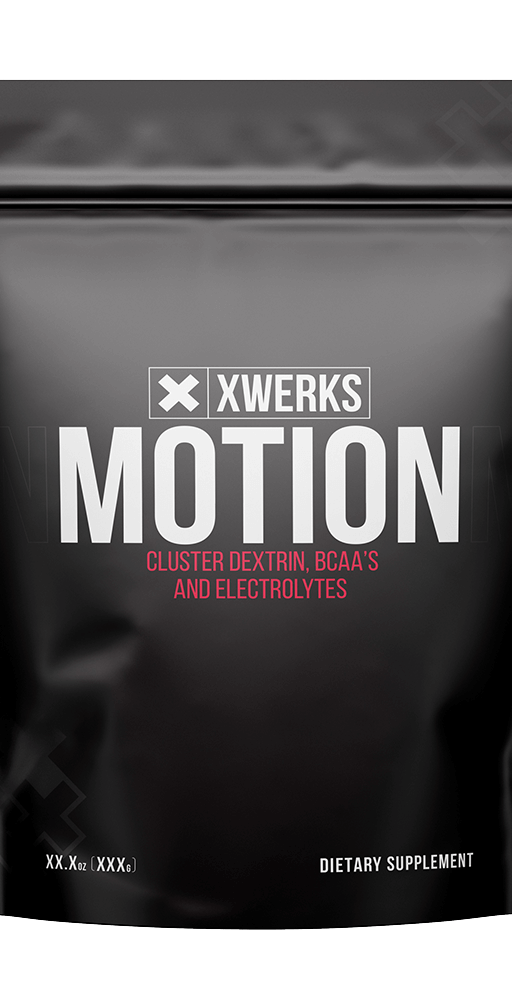
*Xwerks Motion. Standalone Cluster Dextrin varies. Motion is formulated as a complete intra-workout, not a standalone electrolyte.
The Head-to-Head Comparison
| Metric | Cluster Dextrin | Gatorade | LMNT | Liquid IV |
|---|---|---|---|---|
| Primary Purpose | Performance fuel Best | Hydration + carbs | Electrolyte replacement | Rapid rehydration |
| Carb Source | HBCD (high MW) Best | Sucrose + dextrose | None | Cane sugar + dextrose |
| Carbs Per Serving | 25g | 21g | 0g | 11g |
| Sugar | 0g Best | 21g | 0g | 11g |
| Sodium | 34mg* | 160mg | 1,000mg Best | 500mg |
| Gastric Emptying | Fastest (near-zero osmolality) Best | Slow (high osmolality) | Fast (no carbs) | Moderate |
| GI Tolerance | Excellent Best | Poor at intensity | Excellent | Good |
| Insulin Response | Minimal Best | High spike | None | Moderate spike |
| Research on Performance | Multiple peer-reviewed studies Best | General hydration science | Electrolyte science | ORS science |
| Artificial Colors | No | Yes (most flavors) | No | No |
| Artificial Sweeteners | No | Yes (Zero line) | No (stevia) | No (stevia) |
*Xwerks Motion formulation. Standalone Cluster Dextrin products vary.
GI Tolerance During Intense Training
This is where Cluster Dextrin separates itself. A study in the International Journal of Sports Medicine demonstrated that beverages containing HBCD had significantly faster gastric emptying rates compared to glucose-based beverages at the same carbohydrate concentration (Takii et al., 2005). A drink sitting in your stomach during a workout means bloating, nausea, and impaired performance.
Insulin Response
Simple sugars in Gatorade and Liquid IV trigger a significant insulin response. During exercise this is less of an issue because working muscles absorb glucose independently of insulin. But for pre-workout consumption or during lower-intensity sessions, this insulin spike can cause a reactive blood sugar drop — the familiar energy crash.
Cluster Dextrin produces a more gradual and moderate insulin response due to its unique molecular structure and enzymatic breakdown pattern. This means more stable blood sugar during training and fewer energy swings.
So Which One Should You Use?
The Smart Protocol: Combine Them
Here's what a lot of athletes miss: these products aren't mutually exclusive. A well-structured hydration and fueling strategy uses the right tool at the right time.
What doesn't make sense is relying on Gatorade or Liquid IV as your intra-workout fuel during intense training. The carbohydrate quality, GI tolerance, and performance data simply don't support it.
The sports drink market is massive, and most of it is designed for casual hydration — not serious athletic performance. Gatorade was revolutionary in 1965. LMNT and Liquid IV have their place for electrolyte management. But if you're training hard and want your intra-workout drink to actually improve your performance, the research points clearly toward Cluster Dextrin.
The combination of fast gastric emptying, sustained energy release, lower perceived exertion, and reduced stress hormones makes Cluster Dextrin a fundamentally different tool than what you'll get from a sugar-based sports drink or an electrolyte-only product.
Your training is only as good as the fuel behind it. Choose accordingly.
References
- Shiraki T, Kometani T, Yoshitani K, Takata H, Nomura T. Evaluation of exercise performance with the intake of highly branched cyclic dextrin in athletes. Food Science and Technology Research. 2015;21(3):499-502. doi:10.3136/fstr.21.499
- Furuyashiki T, Tanimoto H, Yokoyama Y, Kitaura Y, Kuriki T, Shimomura Y. Effects of ingesting highly branched cyclic dextrin during endurance exercise on rating of perceived exertion and blood components associated with energy metabolism. Biosci Biotechnol Biochem. 2014;78(12):2117-2119. doi:10.1080/09168451.2014.943654
- Takii H, Takii (Nagao) Y, Kometani T, et al. Fluids containing a highly branched cyclic dextrin influence the gastric emptying rate. Int J Sports Med. 2005;26(4):314-319. doi:10.1055/s-2004-820999
- Suzuki K, et al. Effect of a sports drink based on highly-branched cyclic dextrin on cytokine responses to exhaustive endurance exercise. J Sports Med Phys Fitness. 2014;54:622-630.
- Takii H, Ishihara K, Kometani T, Okada S, Fushiki T. Enhancement of swimming endurance in mice by highly branched cyclic dextrin. Biosci Biotechnol Biochem. 1999;63(12):2045-2052. doi:10.1271/bbb.63.2045
- Wilburn D, Machek S, Ismaeel A. Highly branched cyclic dextrin and its ergogenic effects in athletes: A brief review. J Exerc Nutr. 2021;4(3). doi:10.53520/jen2021.103100
- Kerksick CM, Wilborn CD, Roberts MD, et al. ISSN exercise & sports nutrition review update: research & recommendations. J Int Soc Sports Nutr. 2018;15(1):38. doi:10.1186/s12970-018-0242-y