TL;DR
- Pre-workout for cardio is fundamentally different from pre-workout for lifting — GI tolerance, sustained energy, and lower beta-alanine matter more than max stimulation or pump ingredients.
- The cardio-relevant profile: moderate caffeine (100-300mg, scaled to body weight and intensity), citrulline (3-6g for blood flow), L-tyrosine (1-2g for focus), low beta-alanine (under 2g to avoid GI issues during sustained aerobic work).
- For HIIT and conditioning: full caffeine + tyrosine matters most. For steady-state cardio: lower caffeine, possibly intra-workout carbs+electrolytes for sessions over 60-90 minutes (separate from pre-workout).
- Skip: mega-stim products (elevated heart rate during sustained aerobic work compounds cardiovascular strain), high beta-alanine (tingling + GI issues during cardio), niacin-flush products, and "fat-burner" pre-workouts with secondary stimulants.
- For long sessions, pair pre-workout with intra-workout fuel (Cluster Dextrin + electrolytes) — these are different products serving different needs across the session.
"Best pre-workout for cardio" is a search query with surprisingly different requirements from the lifting-focused pre-workout content that dominates the category. Cardio — whether HIIT, cycling, conditioning, group fitness, rowing, Peloton sessions, Orangetheory, CrossFit metcons, or steady-state running — has fundamentally different physiological demands than strength training. Sustained aerobic and anaerobic effort over 30-90+ minutes prioritizes GI tolerance, cardiovascular sustainability, and consistent energy delivery — not the maximum-stim "pump" profile that suits heavy lifting. The wrong pre-workout for cardio creates real problems: GI distress mid-session (catastrophic for runners and cyclists), elevated heart rate that compounds cardiovascular strain during sustained efforts, beta-alanine tingling that becomes uncomfortable across long sessions, and energy crashes from sugar-laden formulas. The right pre-workout for cardio prioritizes moderate caffeine, GI-friendly ingredient profile, supportive blood-flow ingredients (citrulline), focus support (tyrosine), and minimal secondary ingredients. This guide covers what the research supports, the differences between HIIT-focused vs steady-state cardio needs, what to avoid, and how Ignite compares against the most popular products for cardio audiences.
Why cardio pre-workout is different
Sustained cardiovascular load. Cardio sessions elevate heart rate for 30-90+ minutes continuously (or in repeated high-intensity intervals). Adding mega-caffeine on top of sustained aerobic load creates real cardiovascular strain — elevated HR, increased blood pressure, occasional palpitations. Moderate caffeine supports the work; mega-caffeine compounds it.
GI sensitivity during sustained effort. Cardio redirects blood flow away from the gut, slowing digestion and creating GI risk. Heavy meals before cardio cause cramping; high-beta-alanine pre-workouts can cause both tingling and GI urgency mid-session. Runners face the highest risk; cycling, rowing, and HIIT also have meaningful GI concerns.
Beta-alanine paradox. Beta-alanine helps 1-4 minute high-intensity efforts (HIIT intervals, sprint repeats) — appropriate for some cardio. But beta-alanine causes tingling and can correlate with GI urgency during sustained work. The right approach: lower per-serving doses (1.5g) with chronic loading rather than higher acute doses.
Energy delivery vs. acute stimulation. Long cardio sessions need sustained energy, not just acute stimulation. Pure caffeine pre-workouts work for sessions under 60 minutes. Sessions 60-90+ minutes benefit from intra-workout carbs and electrolytes — handled by separate intra-workout products, not pre-workout.
Different cardio types, different needs
HIIT and conditioning (under 60 min)
Full pre-workout dose · 200-300mg caffeineHigh-intensity interval training, CrossFit metcons, conditioning circuits, F45, Orangetheory red-zone work. The repeated near-maximal efforts respond well to full pre-workout dosing — caffeine for acute output, beta-alanine for the 1-4 minute interval work, citrulline for between-set blood flow. This is the cardio context where pre-workout matters most.
Cycling (30-90 min)
Moderate caffeine · 150-250mgIndoor cycling (Peloton, SoulCycle), road cycling, mountain biking. Cardiovascular load is sustained but cycling has lower GI risk than running. Moderate caffeine supports sustained output. For sessions over 60 minutes, add intra-workout carbs separately. Beta-alanine tingling is generally well-tolerated on a bike.
Running (any distance)
Moderate caffeine · 150-250mg · low beta-alanineHighest GI sensitivity of any cardio. Beta-alanine over 2g per serving creates real risk of mid-run GI distress. Moderate caffeine ideal; mega-caffeine elevates HR uncomfortably. See our dedicated pre-workout for running guide for distance-specific protocols.
Rowing and Erg work
Full pre-workout · 200-300mg caffeineRowing combines cardio with significant muscular demand — closer to lifting than running. Full pre-workout dosing works well. Beta-alanine particularly relevant for the high-output pieces (2K erg tests, interval work). GI concerns moderate; pace yourself if you've eaten recently.
Group fitness (Pilates/Barre/Yoga flow)
Lower caffeine · 100-150mgLower-intensity group fitness benefits more from focus and energy than acute stimulation. Lower caffeine works fine; mega-stim is overkill. Tyrosine matters for the focus-heavy work (Pilates technique, balance work).
Steady-state cardio (zone 2 work)
Optional pre-workout · 100-200mg caffeine if usedLong, low-intensity zone 2 cardio (60-90+ minute easy runs, conversational-pace cycling, walking incline) doesn't need pre-workout. Coffee or skip caffeine entirely. The work is sub-threshold; mental engagement and willpower are bigger limiters than acute energy.
The cardio-relevant ingredient profile
Caffeine — moderate, scaled to intensity
100-300mg per serving · 3-5mg per kg body weightMost-researched ergogenic for endurance. Reduces perceived effort, supports sustained output, modestly increases fat oxidation acutely. For cardio specifically, stay in the moderate-to-upper range (3-5mg/kg vs. 4-6mg/kg for lifting) — sustained cardiovascular load suits moderate caffeine better than mega-doses.
L-Citrulline — blood flow support
3-6g per servingSupports blood flow and oxygen delivery during sustained aerobic work. Research stronger for resistance training than endurance, but well-tolerated and theoretically beneficial for cardio. GI-safe at typical doses.
Beta-alanine — keep moderate for cardio
1.5-2g per serving maxBeta-alanine helps 1-4 minute high-intensity efforts (HIIT intervals) but doses over 2g per serving cause tingling that becomes uncomfortable across long sessions and can correlate with GI urgency. Lower per-serving doses with chronic loading (3-6g daily total via separate beta-alanine supplementation) is the best approach for cardio athletes.
L-tyrosine — sustained focus
1-2g per servingParticularly valuable for cardio. Long sessions create cognitive fatigue that affects pace judgment, technique, and decision-making (when to push, when to recover). Tyrosine supports cognitive function across extended efforts.
Rhodiola rosea — adaptogenic support
200-500mg standardized extractSome research supports reduced perceived fatigue and improved exercise capacity. Particularly relevant for cardio athletes managing high training volumes or training under stress.
Optional: L-Carnitine
1-2g per servingSome support for endurance and recovery effects. Research is mixed; effects modest if real. Reasonable inclusion in cardio-focused pre-workouts; not essential.
What to avoid for cardio
• Mega-stim products (400mg+ caffeine): Elevated HR on top of sustained cardio load creates cardiovascular strain. The performance benefit plateaus around 6mg/kg; additional caffeine just adds risk.
• High beta-alanine (3g+ per serving): Tingling becomes uncomfortable across long sessions; correlates with GI urgency for some users. Cardio-focused pre-workouts should use 1.5-2g max per serving.
• Niacin-flush products: Skin flushing during cardio is unpleasant and can affect heat dissipation in long sessions or warm conditions.
• "Fat-burner" pre-workouts with yohimbine, synephrine, higenamine: Secondary stimulants compound cardiovascular load. Not the right tool for sustained aerobic work.
• Sugar-laden pre-workouts: Acute insulin spikes mid-cardio can cause crashes during the session. Save carbs for intra-workout fuel rather than pre-workout sweetening.
• Pre-workouts with high glycerol (3g+): Glycerol pulls water into the bloodstream, which is fine for lifting but can cause GI urgency during long cardio sessions.
• Anything new on race or competition day: Test all pre-workouts in training. GI distress mid-race is far worse than mid-training. Use what you've tested 5-10+ times.
• Mega-citrulline doses (10g+) for some cardio formats: Not common, but very high citrulline doses can cause stomach discomfort in some users during sustained efforts. 3-6g is the sweet spot for cardio-friendly tolerance.
Pre-workout vs intra-workout fuel for cardio
For cardio sessions over 60-90 minutes, you'll likely use both pre-workout and intra-workout fuel — they serve different needs:
Pre-workout (30-45 min before session): Caffeine, citrulline, tyrosine, beta-alanine. Acute stimulation and focus support before you start. Examples: XWERKS Ignite, Transparent Labs BULK, Legion Pulse.
Intra-workout fuel (during session, 60+ min): Carbs (Cluster Dextrin or similar) + electrolytes (sodium 400-800mg/hour) for sustained energy and hydration. Examples: XWERKS Motion, Tailwind Endurance Fuel, Maurten, SiS Beta Fuel.
Don't try to combine both functions into one product — pre-workouts shouldn't carry significant carb/electrolyte loads (cause GI issues acutely), and intra-workout products shouldn't carry significant caffeine (creates spike-and-crash patterns).
For sessions under 60 minutes, pre-workout alone usually suffices. For longer sessions, the pre-workout + intra-workout combination is optimal.
XWERKS Ignite vs the leading cardio-focused products — head-to-head
Now that you understand what cardio actually requires from a pre-workout — moderate caffeine, GI-friendly ingredient profile, lower beta-alanine for sustained efforts — here's how Ignite compares to the most popular options for cardio audiences. Notice the diversity: from pure pre-workouts to caffeinated endurance shots to all-day-energy formulas.
| Criterion | XWERKS Ignite | Transparent Labs LEAN | SiS GO Caffeine Shot | Tailwind (Caffeinated) | Bucked Up Cardio | Legion Pulse |
|---|---|---|---|---|---|---|
| Caffeine | 150mg | 180mg | 150mg | 35-50mg per scoop | 200mg | 350mg |
| L-Citrulline | 3g (citrulline malate) | 4g | None | None | 6g | 8g |
| Beta-Alanine (cardio target: under 2g) | 1.5g (CarnoSyn) ✓ | 2g ✓ | None ✓ | None ✓ | 2g ✓ | 3.6g (high for cardio) |
| L-Tyrosine | 2g | 1.5g | None | None | None disclosed | None disclosed |
| Carbs (for fuel) | 0g | 0g | 0g | 25g per scoop | 0g | 0g |
| Electrolytes (Sodium) | None | None | None | 305mg per scoop | None | None |
| GI-friendly profile | ✓ Good (1.5g beta-alanine) | ✓ Good | ✓ Excellent (minimal ingredients) | ✓ Excellent (designed for endurance GI) | ✓ Good | Moderate (3.6g BA) |
| Designed for use | Pre-cardio | Pre-cardio | Pre or mid-session | During session (long cardio) | Pre-cardio | Pre-cardio (high-intensity) |
| Cost per serving | ~$1.65 | ~$1.65 | ~$3.50 | ~$2.00 | ~$1.55 | ~$1.65 |
| Best for | HIIT, cycling, mixed cardio | Lower-stim cutting cardio | Pure caffeine pre-run | During-cardio fuel | Conditioning + lifting hybrid | HIIT (caveat: high BA) |
Different tools for different cardio needs: The products in this comparison serve different roles. Ignite, Transparent Labs LEAN, and Bucked Up Cardio are pure pre-workouts (taken 30-45 min before). SiS GO is a caffeine shot (pre or mid-session). Tailwind is intra-workout fuel (during long cardio). Legion Pulse is a high-stim pre-workout that works for HIIT but has more beta-alanine than ideal for sustained cardio.
Where Ignite wins for cardio: Beta-alanine at 1.5g is at the cardio-friendly upper limit (no GI urgency for most users). Caffeine at 150mg is moderate — appropriate for sustained efforts without overshooting. Tyrosine at full clinical dose supports focus across long sessions. Citrulline at 3g supports blood flow without the GI risk of higher doses.
Where competitors win: Transparent Labs LEAN for cutting-focused cardio with cleaner stimulant profile. SiS GO Caffeine Shot for race-day pure caffeine without other ingredients (predictable, GI-safe). Tailwind for during-cardio fuel rather than pre-workout (different role). Bucked Up Cardio for users wanting moderate citrulline (6g) at moderate caffeine. Legion Pulse for HIIT-focused users who tolerate high beta-alanine.
The optimal cardio pre-workout depends on your specific format:
• HIIT, CrossFit metcons, F45, conditioning circuits: Ignite or Legion Pulse (full pre-workout dosing matters here)
• Cycling, rowing, sustained intervals: Ignite, Bucked Up Cardio, or Transparent Labs LEAN (moderate stim, GI-friendly)
• Running: Ignite or SiS GO Caffeine Shot (low-ingredient = low-GI risk)
• Long cardio (60+ min): Pre-workout (Ignite) + Tailwind during the session
• Easy steady-state / zone 2: Skip pre-workout; coffee or nothing
For long sessions, combine pre-workout with intra-workout fuel. Ignite pre-cardio + XWERKS Motion during the session covers the full session needs better than any single product.
Cardio-specific protocol considerations
Timing
Take pre-workout 30-45 minutes before cardio session. Caffeine peaks at 30-60 minutes; you want peak effect during your hardest interval or sustained effort. Earlier than 45 minutes means caffeine may peak before you start; later than 30 minutes means you're starting before full effect.
Hydration matters more for cardio
Cardio's sustained effort and sweat loss compounds dehydration risk. Start hydrated; drink before, during, and after. Pre-workout with caffeine has mild diuretic effect (small but real); compensate with adequate fluid intake.
Avoid evening cardio + pre-workout
Caffeine half-life is ~5 hours. A 6 PM pre-workout for evening cardio has 75mg caffeine in your system at 11 PM, affecting sleep. Move evening cardio to caffeine-free options or skip pre-workout for late sessions.
Test pre-cardio nutrition extensively
Pre-cardio nutrition is even more individual than pre-lifting nutrition. Some people thrive on a pre-cardio meal; others need to train fasted. Some tolerate beta-alanine fine on the bike; others get GI urgency. Test in training; don't experiment on race day or important sessions.
The complete cardio supplementation framework
Beyond pre-workout
• Pre-workout (30-45 min before): XWERKS Ignite for moderate-stim sustainable cardio support
• Intra-workout fuel (during sessions over 60-90 min): XWERKS Motion with Cluster Dextrin + electrolytes
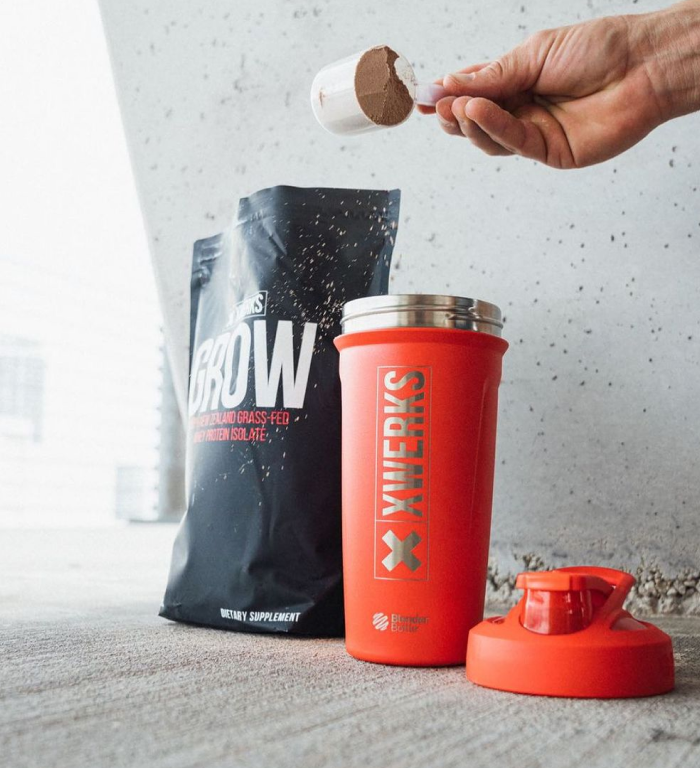
• Post-workout protein (30-40g within 60 min): XWERKS Grow for muscle preservation; particularly important during high-volume cardio that creates significant muscle stress
• Creatine (5g daily): Yes, even for cardio athletes. Supports power output during HIIT, helps preserve lean mass, and has cognitive benefits
• Foundation supplements: Vitamin D3, omega-3, magnesium, iron (test if cardio-heavy and female; ferritin matters for endurance performance)
• For high-volume cardio athletes: Beta-alanine 3-6g daily (loaded over weeks), additional electrolytes during heavy training periods
The Bottom Line
Cardio pre-workout is fundamentally different from lifting pre-workout — GI tolerance, sustained energy, and lower beta-alanine matter more than max stimulation or high-pump ingredients.
The cardio-relevant profile: moderate caffeine (100-300mg, scaled to body weight and intensity), citrulline (3-6g), L-tyrosine (1-2g), low beta-alanine (under 2g per serving), GI-friendly overall ingredient list.
Different cardio types, different needs: HIIT and conditioning use full pre-workout dosing; running and cycling need moderate-stim and low-BA; steady-state cardio often needs no pre-workout (coffee or skip). Match the tool to the session.
Skip: mega-stim products (cardiovascular strain), high beta-alanine (GI/tingling issues during sustained work), niacin-flush products, fat-burner pre-workouts with secondary stimulants, sugar-laden formulas, and anything new on race or competition day.
For sessions over 60-90 minutes: pair pre-workout with intra-workout fuel (Cluster Dextrin + electrolytes via Motion or similar). These are different products serving different needs across the session.
Quality cardio pre-workout options: XWERKS Ignite (moderate-stim, GI-friendly), Transparent Labs LEAN (cutting-focused), Bucked Up Cardio (moderate citrulline), SiS GO Caffeine Shot (pure caffeine, race-day predictability), Legion Pulse (HIIT-focused but high BA).
Pre-Workout Built for Sustained Cardio
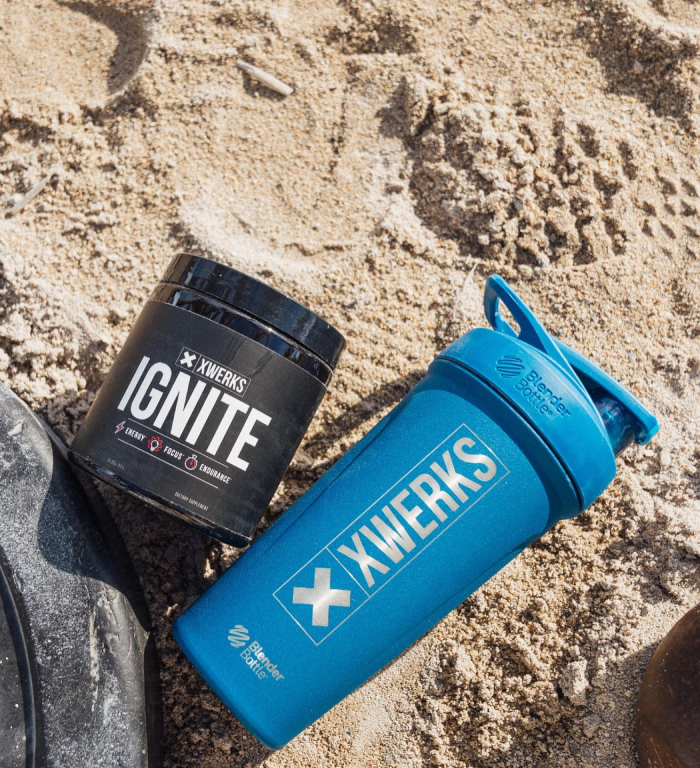
XWERKS Ignite — 150mg caffeine + 3g citrulline + 2g L-tyrosine + 1.5g beta-alanine + 500mg rhodiola. Moderate caffeine that supports cardio output without compounding cardiovascular load. Beta-alanine at the cardio-friendly upper limit (no GI urgency for most users). Tyrosine and rhodiola for cognitive sustain across long sessions. For sessions over 60 minutes, pair with XWERKS Motion for intra-workout fuel.
Shop Ignite