

TL;DR
- Pre-workout doesn't cause weight loss. Caloric deficit causes weight loss. Pre-workout supports the training that preserves muscle during a deficit — which is genuinely valuable, but it's a supporting role, not the lead.
- The "fat-burner pre-workout" category is full of dangerous and underdosed products combining caffeine with yohimbine, synephrine, higenamine, and other secondary stimulants. These increase cardiovascular strain without proportional fat loss benefit.
- What actually helps during weight loss: moderate caffeine for training quality, citrulline and beta-alanine for maintained training intensity, adequate protein (1.6-2.4g/kg) for muscle preservation, and resistance training to protect your metabolism.
- Skip: yohimbine-containing products (anxiety, blood pressure issues), products marketed as "shred fast" or "melt fat," proprietary blends hiding doses, and any pre-workout with promises that exceed what caloric deficit can deliver.
- The honest math: a quality pre-workout might burn an extra 30-50 calories per session through slightly increased intensity. That's not a weight loss tool — it's a training quality tool that indirectly supports weight loss by preserving muscle.
"Best pre-workout for weight loss" is one of the most fraught search queries in the supplement industry. Search results are dominated by products marketed as "thermogenic," "fat-burning," "shredding," and "lean-getting" — most combining caffeine with secondary stimulants (yohimbine, synephrine, higenamine, DMHA), aggressive masculine or feminine branding, and promises that the formula will accelerate fat loss beyond what diet and training would accomplish alone. The honest picture: pre-workout doesn't cause weight loss. Caloric deficit causes weight loss. Training supports the deficit by burning calories and (more importantly) preserving muscle mass that protects metabolism. Pre-workout supports training quality during the deficit. That's a real and meaningful role — undertrained or skipped sessions during weight loss are common, and pre-workout helps you show up and push hard despite reduced calories. But the "fat-burning pre-workout" category is largely marketing on top of dangerous stimulant stacks. This guide covers what actually helps during weight loss, what to avoid (the products and ingredients designed to extract premium pricing on false promises), and how to use pre-workout sensibly during a cut.
What pre-workout actually does during weight loss
Pre-workout supports weight loss through three modest but real mechanisms:
1. Training quality during caloric deficit. Eating less calories produces fatigue and reduced motivation to train. Pre-workout's caffeine and tyrosine support showing up and pushing through sessions you'd otherwise skip or undertrain. This is the biggest practical benefit during a cut.
2. Slightly increased acute energy expenditure. Caffeine modestly increases metabolic rate (about 50-100 extra calories per day at typical doses). Combined with slightly higher training intensity, the total acute boost might be 75-150 calories on a training day. Real but small — equivalent to a banana, not a weight loss program.
3. Modest appetite suppression. Caffeine acutely suppresses appetite for 2-4 hours. Useful for managing hunger during a fasted morning training window or for spacing meals during low-calorie days. Effect is small and tolerance builds with regular use.
What pre-workout does NOT do: burn fat directly, "target" body fat, accelerate fat loss beyond caloric deficit, "shred" or "rip" or "melt" anything. The marketing language vastly exceeds what the ingredients can deliver. Caloric deficit is the only thing that produces fat loss; everything else is support.
What actually drives weight loss
The hierarchy of impact
1. Caloric deficit — the only direct driver of fat loss. Energy out > energy in produces weight loss; everything else is variation around this principle. Track calories or use structured eating patterns; either approach works if it produces consistent deficit.
2. Adequate protein (1.6-2.4g/kg body weight during cuts) — preserves muscle mass during deficit, supports satiety, has a thermic effect (burns ~25% of calories during digestion vs ~10% for carbs and ~3% for fat).
3. Resistance training — preserves muscle mass that protects metabolic rate. Without resistance training, weight loss includes substantial muscle loss, which slows metabolism and makes maintenance harder.
4. Sleep (7-9 hours) — sleep deprivation increases hunger hormones (ghrelin) and decreases satiety hormones (leptin), making caloric adherence dramatically harder. One bad week of sleep undermines weeks of dietary effort.
5. Stress management — chronic stress elevates cortisol, which increases abdominal fat storage and disrupts sleep and eating behavior.
6. Pre-workout — supports training quality (item 3) which protects muscle mass and metabolism. Indirect role; modest contribution.
The dangerous "fat-burner pre-workout" category
The fat-burner pre-workout category typically combines caffeine with one or more secondary stimulants designed to "boost metabolism" or "promote fat oxidation." The ingredients include:
• Yohimbine: Alpha-2 antagonist that increases catecholamine release. Side effects include anxiety, panic attacks, elevated blood pressure, increased heart rate, and rebound fatigue. Particularly problematic for users with anxiety, hypertension, or cardiac conditions.
• Synephrine (bitter orange): Stimulant similar to ephedrine. Cardiovascular concerns at supplement doses. Some research suggests modest acute fat oxidation increases; clinical relevance for body composition is unclear.
• Higenamine: Beta-2 agonist with stimulant properties. WADA-banned. Cardiovascular concerns.
• DMHA (2-aminoisoheptane): Stimulant similar to DMAA. Periodically appears in "hardcore" pre-workouts despite FDA warnings. Real cardiovascular and CNS risks.
• Garcinia cambogia, raspberry ketones, green coffee bean: "Natural fat burners" with weak research support. At realistic supplement doses, effects on body composition are negligible.
The effect math: even if these compounds produce 50-100 extra calories burned per day acutely (generous estimate), the side effect profile typically isn't worth it. A 100-calorie acute boost is a banana — not worth elevated blood pressure, anxiety, sleep disruption, and cardiovascular risk.
The pricing reality: "fat-burner" pre-workouts often command premium pricing ($60-90 per tub) for formulations that are mostly caffeine + cheap stimulants + token amounts of "fat burning" herbs. The margin is in the marketing, not the ingredients.
What actually helps in a pre-workout during weight loss
Moderate caffeine
150-300mg per servingSupports training quality during reduced-calorie sessions, modestly increases metabolic rate, mildly suppresses appetite. Don't push to mega-stim doses — the side effects (sleep disruption, cardiovascular strain) compound during a cut when sleep and recovery are already stressed.
Citrulline malate
3-8g per servingSupports muscular endurance and pump during training. Useful during cuts when energy is reduced and you want to maintain training volume. Low calorie content; no metabolic concerns.
Beta-alanine
1.5-3g per serving · loaded to 3-6g dailyLactate buffering supports high-intensity training (HIIT, circuit training) commonly used during weight loss for caloric burn. Loaded effects develop over 4-6 weeks.
L-tyrosine
1-2g per servingSupports cognitive function and motivation under stress — particularly relevant during caloric deficit when mental fatigue is more common. The "showing up to train" benefit during weight loss is real and undervalued.
Optional: Green tea extract (EGCG)
200-500mg standardized extractSome research supports modest additional metabolic effects beyond caffeine alone. Effects are small but real and well-tolerated. Often included in "natural fat burner" formulations at sensible doses.
Optional: L-carnitine (for endurance/cardio focus)
1-2g per serving (acetyl L-carnitine for cognitive; L-carnitine L-tartrate for muscle)Research on L-carnitine for fat loss is mixed. Some support for endurance and recovery effects; weaker support for direct fat loss. Reasonable inclusion at proper doses; not a magic ingredient.
Caloric considerations for pre-workout during a cut
Watch the calorie content
Standard pre-workout: 0-15 calories per serving (essentially negligible). Sweetened pre-workouts with maltodextrin, sugar, or carb additions: can range from 30-100 calories per serving. During a strict cut, every 100 calories matters — choose near-zero-calorie pre-workouts unless you specifically want carbs around training.
Don't replace meals with pre-workout
Pre-workout suppresses appetite acutely; some dieters use this to skip breakfast or other meals. Short-term fine; long-term this contributes to undernutrition, muscle loss, and binge cycles. Pre-workout supports training; it shouldn't replace caloric intake during a cut.
Stack with protein, not other stimulants
The biggest pre-workout mistake during weight loss: stacking pre-workout with morning coffee, fat burners, and afternoon energy drinks for total caffeine of 600-800mg daily. This is unsustainable, builds tolerance rapidly, and produces sleep disruption that undermines weight loss. Stick to one primary caffeine source on training days; total caffeine under 400mg.
Training and cardio considerations during weight loss
Resistance training is non-negotiable
Weight loss without resistance training produces 25-40% muscle loss alongside fat loss. This wrecks metabolism and physique outcomes. Maintain or modestly reduce training volume during cuts; intensity matters more than duration. Pre-workout supports the maintained intensity.
Cardio: don't overdo it
Excessive cardio during a cut (10+ hours weekly) produces metabolic adaptation, muscle loss, and poor sustainability. Moderate cardio (2-4 hours weekly) plus resistance training plus dietary deficit produces better long-term outcomes than max-cardio approaches. Pre-workout for cardio sessions: lower caffeine (100-200mg) often preferred to manage heart rate.
HIIT vs steady-state during cuts
Both have value. HIIT burns calories efficiently in less time and may modestly preserve muscle better than long steady-state. Steady-state is easier to recover from, lower stress, and sustainable for high volumes. Choose based on time available and recovery capacity. Most people benefit from 2-3 HIIT sessions plus 1-2 steady-state cardio sessions weekly during weight loss.
XWERKS Ignite vs the leading "weight loss" pre-workouts — head-to-head
Now that you understand what actually drives weight loss — caloric deficit, protein, resistance training, sleep — and what pre-workout does (supports training quality during a deficit) versus what it doesn't (cause fat loss), here's how Ignite compares against the most popular pre-workouts marketed for weight loss and "thermogenic" effects. Notice the pattern: most "fat-burner" pre-workouts are caffeine + secondary stimulants, often with proprietary blends hiding the actual doses.
| Criterion | XWERKS Ignite | RSP Quadralean Thermo | Cellucor Super HD | Hydroxycut Pro Series | Lean Pre-Workout (Stoked) | Transparent Labs LEAN |
|---|---|---|---|---|---|---|
| Caffeine | 150mg | 200mg | 160mg | 270mg | 250mg | 180mg |
| L-Citrulline (research dose: 6-8g) | 3g (citrulline malate) | None | None | None | 4g | 4g |
| Beta-Alanine (research dose: 1.5-3g) | 1.5g (CarnoSyn) | None | None | None | 1.6g | 2g |
| L-Tyrosine (research dose: 1-2g) | 2g | 500mg (in blend) | None disclosed | None | 1g | 1.5g |
| Risky secondary stimulants | None | Yohimbine, Synephrine | Yohimbine, Synephrine | Yohimbine | None disclosed | None |
| "Fat burner" claims/marketing | None — straightforward | "Thermogenic," "Shred" | "Super thermogenic" | "Pro" thermogenic | "Lean" formula | Targeted lean formula |
| Transparent dosing | ✓ Full disclosure | "Thermogenic blend" | "HD Matrix" proprietary | Proprietary blends | Mostly disclosed | ✓ Full disclosure |
| Calories per serving | ~10 | ~5 | ~5 | ~5 | ~5 | ~10 |
| Cost per serving | ~$1.65 | ~$1.00 | ~$1.10 | ~$1.30 | ~$1.20 | ~$1.65 |
| Recommended for weight loss? | ✓ Supports training quality | ✗ Yohimbine/synephrine concerns | ✗ Proprietary blend, yohimbine | ✗ Yohimbine concerns | Acceptable; minimal "fat burner" actives | ✓ Clean lean-focused profile |
The "fat-burner" trap: Three of the six products in this comparison (RSP Quadralean Thermo, Cellucor Super HD, Hydroxycut Pro Series) include yohimbine and/or synephrine — secondary stimulants that increase cardiovascular load and anxiety without proportional fat loss benefit. These are marketed as "thermogenic" and "fat-burning" but the math doesn't support meaningful body composition impact beyond what caffeine alone provides.
Ignite's positioning during weight loss: Moderate caffeine (150mg) supports training quality without overshooting tolerance during a cut when sleep and recovery are already stressed. No secondary stimulants means no compounding cardiovascular load. Tyrosine at full clinical dose supports motivation and focus during low-calorie sessions. Honest framing: this isn't a fat-burner, it's a training-quality preserver.
Transparent Labs LEAN as the alternative: Transparent Labs' "lean" version is one of the few legitimately good options in the weight-loss-focused pre-workout category — clean stimulant profile, transparent dosing, sensible ingredient choices. A reasonable choice if you want a pre-workout specifically labeled for cutting.
Cost reality: Pre-workouts marketed for weight loss often command premium pricing despite using the same caffeine + cheap secondary stimulants found in budget products. You're paying for marketing positioning, not better ingredients. Ignite, Transparent Labs LEAN, and Stoked Lean Pre-Workout are reasonably priced for what they deliver.
The honest framing: No pre-workout will produce dramatic weight loss. The best pre-workout during a cut is one that supports training quality without dangerous side effects, additional sleep disruption, or cardiovascular strain. Moderate-stim, transparent-label products beat thermogenic-marketing fat burners every time.
The complete weight loss framework
What actually drives results
• Caloric deficit (300-500 calories below maintenance): Sustainable rate of 0.5-1.5 lbs weight loss per week
• Protein at 1.6-2.4g/kg body weight: Higher end during deeper cuts to preserve muscle (XWERKS Grow)
• Resistance training 3-4x weekly: Maintain training volume; intensity is non-negotiable for muscle preservation
• Moderate cardio (2-4 hours weekly): Mix of HIIT and steady-state. Don't overdo cardio.
• Sleep 7-9 hours: Critical for hunger hormones, recovery, and adherence
• Stress management: Cortisol affects fat storage and eating behavior
• Pre-workout (training days): Quality moderate-stim formula supports training quality (XWERKS Ignite)
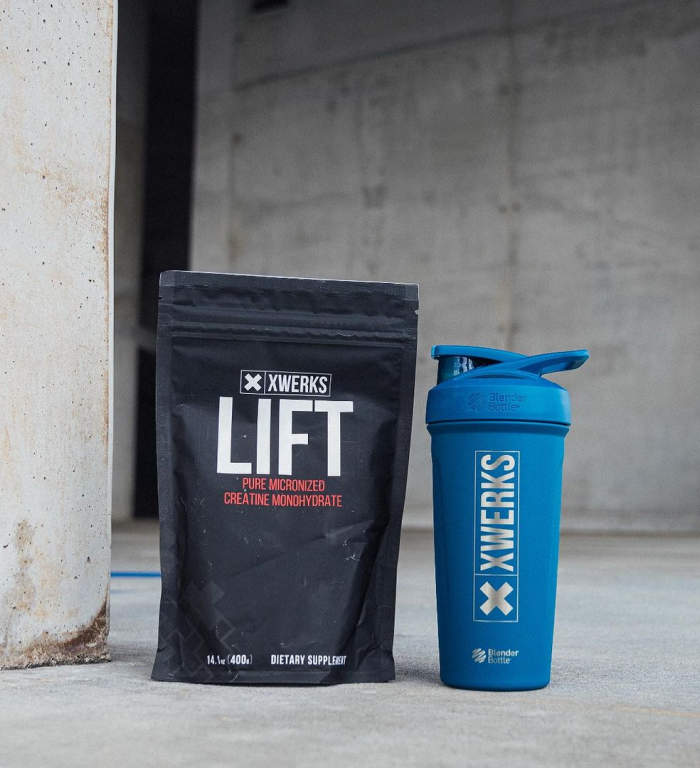
• Creatine 5g daily: Doesn't help fat loss directly but preserves training capacity and lean mass (XWERKS Lift)
• Foundation supplements: Vitamin D3, omega-3, magnesium
The Bottom Line
Pre-workout doesn't cause weight loss; caloric deficit does. The "fat-burner pre-workout" category is largely marketing on top of dangerous stimulant stacks (yohimbine, synephrine, higenamine) that increase cardiovascular strain without proportional fat loss benefit.
What pre-workout actually does during weight loss: supports training quality during caloric deficit, modestly increases metabolic rate (~50-100 extra calories per day), mildly suppresses appetite. Real benefits but small relative to diet and training. Pre-workout is a training-quality tool, not a weight loss tool.
What to look for during a cut: moderate caffeine (150-300mg), citrulline (3-6g), beta-alanine (1.5-3g), tyrosine (1-2g), near-zero calories per serving, transparent labeling, no secondary stimulants like yohimbine or synephrine.
What to skip: "thermogenic" pre-workouts with yohimbine/synephrine combinations, proprietary blends, "fat burner" marketing, mega-stim formulas (sleep disruption during cuts is particularly damaging), and any product promising rapid transformation.
The hierarchy that actually drives weight loss: caloric deficit > adequate protein > resistance training > sleep > stress management > pre-workout. Get the foundation right; pre-workout is a useful supporting tool, not the lead.
Pre-Workout That Supports Training, Not Marketing Promises
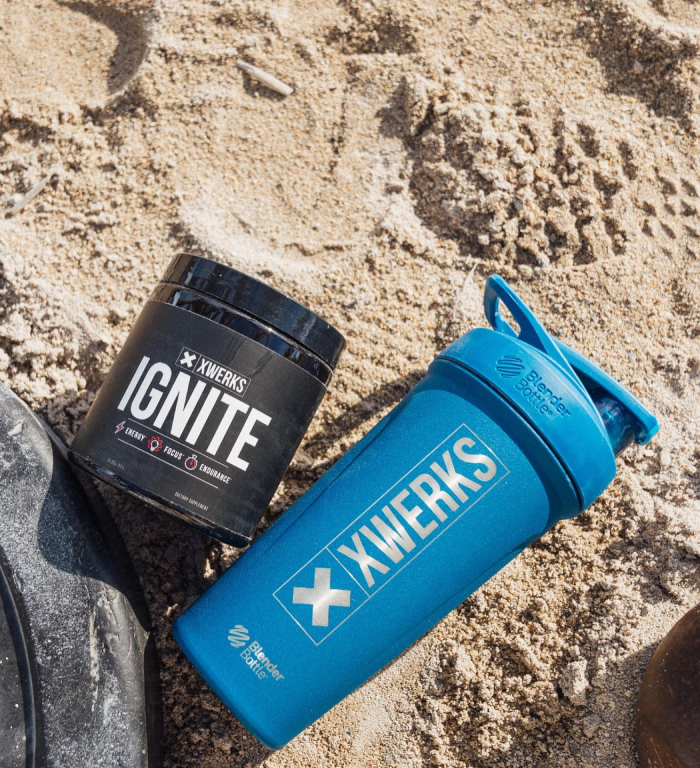
XWERKS Ignite — 150mg caffeine + 3g citrulline + 2g L-tyrosine + 1.5g beta-alanine + 500mg rhodiola. Moderate stimulation that supports training quality during a cut without yohimbine, synephrine, or other "thermogenic" stimulants. ~10 calories per serving. Designed to help you train hard during deficit, not to make false fat-burning promises.
Shop Ignite