TL;DR
- Yes, you can put creatine in coffee. Heat from coffee does not meaningfully destroy creatine at typical drinking temperatures and contact times. The "heat will degrade my creatine" concern is largely unfounded.
- The older concern that caffeine blunts creatine's benefits — based on a single 1996 study — has been largely refuted by more recent research. Caffeine + creatine appears to work fine for most users.
- Practical reality: creatine doesn't dissolve cleanly in hot coffee. It clumps, sinks, and leaves grit at the bottom. Mixability is the real-world issue, not the chemistry.
- If you do put creatine in coffee, use 5g of micronized creatine monohydrate, stir thoroughly, and drink before it settles. Better mixability if coffee is slightly cooled (under 160°F).
- Easier alternatives: creatine in protein shakes, water with vigorous shaking, or creatine gummies (eliminates the mixing problem entirely).
"Can you put creatine in coffee?" is one of the most-searched practical creatine questions — and it's surprisingly poorly answered by most content. Some articles confidently claim coffee "destroys" creatine through heat. Others tell you to mix creatine in coffee like it's a perfect solution without addressing the real-world mixability issues. The actual answer requires distinguishing between three separate questions: (1) Does heat from coffee chemically degrade creatine? (2) Does caffeine in coffee interfere with creatine's performance benefits? (3) Will creatine actually dissolve well in hot coffee? The short answers: no, mostly no, and not particularly well. Creatine is more heat-stable than commonly believed, the caffeine-creatine interaction concern from 1996 research has been largely refuted by more recent studies, and the real-world issue is just that creatine doesn't dissolve cleanly in hot beverages — it tends to clump and settle. This guide covers the actual research, practical considerations for mixing creatine in coffee, when it works well, and when other delivery methods (shakes, water, gummies) are simply better choices.
The heat degradation question
The persistent concern: creatine in hot coffee will degrade into creatinine (the breakdown product), losing its performance benefits. The research tells a different story.
What the research actually shows:
• Creatine is heat-stable in dry form across normal storage conditions and even at moderate cooking temperatures.
• Creatine in solution is less stable than dry creatine, but the degradation rate is slow at typical beverage temperatures.
• The degradation that does occur happens over hours, not minutes. Creatine in pure water at 25°C (room temperature) has a half-life of approximately 18 days at neutral pH; degradation accelerates at acidic pH and higher temperatures.
• At coffee temperatures (140-180°F initially, cooling rapidly to 120°F+ during drinking), the contact time before consumption is typically 2-15 minutes. The percentage of creatine that degrades to creatinine in this timeframe is minimal — typically less than 5%.
The bottom line on heat: drinking creatine in hot coffee within 5-15 minutes of mixing produces negligible degradation. The "hot coffee destroys creatine" claim is technically correct (some degradation occurs) but practically wrong (the amount lost is too small to matter).
The exception: if you mix creatine into a hot beverage and let it sit at high temperature for hours (think: thermos of hot coffee left at 180°F all day), meaningful degradation does occur. But that's not how anyone actually consumes coffee.
The caffeine + creatine interaction question
This is the more substantive concern, and the answer requires honest treatment of conflicting research.
The original concern: Vandenberghe 1996. A small study by Vandenberghe et al. (1996) found that combining 5mg/kg caffeine with creatine appeared to blunt creatine's beneficial effects on muscle phosphocreatine and isokinetic torque. This single study became the basis for "don't take creatine with caffeine" advice that persists in some fitness circles 25+ years later.
The follow-up research has largely refuted this concern:
• Multiple studies since 2000 have failed to replicate the negative interaction. Athletes consuming both creatine and caffeine show the same performance benefits as creatine-alone groups in most modern research.
• The original study's effect may have been mediated by GI distress from the high caffeine dose causing inconsistent creatine intake — rather than direct biochemical interference.
• Mechanistically, there's no clear pathway by which caffeine would interfere with creatine uptake or function. They affect different cellular pathways for different aspects of performance.
• Real-world observation: millions of athletes consume both creatine and caffeine daily (whether through pre-workouts, coffee, or supplements) without observed performance decrements vs. caffeine-alone or creatine-alone protocols.
The current consensus: the ISSN Position Stand and most modern sports nutrition reviews do not warn against combining creatine and caffeine. The 1996 finding is generally treated as either an artifact of that specific study design or a non-issue for typical consumption patterns.
Practical conclusion: taking creatine with coffee shouldn't reduce creatine's performance benefits in any meaningful way for most users.
The mixability question — the actual practical issue
This is where coffee becomes a less-ideal creatine vehicle than the chemistry would suggest. Creatine's solubility characteristics:
• Creatine monohydrate has limited solubility in water — about 14g per liter of water at room temperature. Higher temperatures improve solubility somewhat, but creatine still doesn't dissolve cleanly.
• Creatine doesn't dissolve in oils or fats. Coffee with cream, butter, or MCT oil can produce particularly poor mixing.
• Stirring helps but doesn't fully dissolve all the creatine in typical 8-12 oz coffee servings. You'll usually see some creatine grit at the bottom of the cup.
• Hot coffee (170-180°F) dissolves creatine slightly better than cold beverages, but not as cleanly as you might hope.
What you'll actually experience: creatine added to hot coffee, stirred for 10-15 seconds, will mostly mix in but some will settle to the bottom over the next few minutes. If you drink the coffee within 5-10 minutes, you'll consume most of the creatine. If you sip slowly over 30+ minutes, the creatine that settled to the bottom may not get consumed unless you stir again.
The practical reality: coffee is a workable creatine vehicle but not an optimal one. You'll get most (but not all) of your dose, and the texture isn't as clean as protein shakes or water with vigorous shaking.
How to do it right (if you're going to put creatine in coffee)
Use micronized creatine monohydrate
5g of Creapure or equivalent quality monohydrateMicronized creatine has smaller particle sizes than standard creatine monohydrate, producing better mixability and less settling. Stick with monohydrate (not HCl, ethyl ester, or other forms) — micronized monohydrate dissolves marginally better while costing the same.
Add creatine to slightly cooled coffee
Wait 2-3 minutes after pouring · drink within 5-10 min of mixingAdding creatine to coffee that's just below the rolling-hot temperature (under ~160°F) reduces any heat-related degradation concern to nearly zero while still benefiting from improved solubility vs. cold liquid. Drink within 5-10 minutes for best results.
Stir thoroughly
15-20 seconds of vigorous stirringDon't just give it a quick swirl. Vigorous stirring with a spoon for 15-20 seconds maximizes dissolution. Stir again before drinking the bottom half if any time has passed.
Avoid creatine in oily or fatty coffee
Skip "bulletproof" coffee, butter coffee, MCT oil coffeeCreatine doesn't mix with oils or fats. If your coffee contains added butter, MCT oil, ghee, coconut oil, or other lipids, expect creatine to clump and settle visibly. Use a different vehicle for creatine on bulletproof coffee days.
Watch for clumping
Add creatine slowly while stirringDumping 5g of creatine into still coffee creates a clump at the bottom that's hard to break up. Better technique: start stirring the coffee, then add creatine slowly while continuing to stir. This prevents the initial clump from forming.
When putting creatine in coffee makes sense
You're a daily coffee drinker but don't make protein shakes
If coffee is your one consistent daily ritual but you don't make daily protein shakes, coffee is a logical creatine vehicle. The mixing imperfection is a small price for the consistency benefit of attaching creatine to an existing daily habit.
You travel frequently and coffee is your most reliable on-the-road consumption
Hotels, conferences, and travel often mean less reliable access to shaker bottles, protein powder, or other usual mixing options. A small bag of creatine plus the coffee that's available everywhere is a workable travel protocol.
You want to combine pre-workout caffeine with creatine in one beverage
For early-morning training, coffee + 5g creatine + a bit of carbs (banana, toast) is a reasonable pre-workout meal. The caffeine + creatine combination doesn't cause the problems older fitness folklore suggests.
You don't want a separate "supplement moment" in your routine
Some people prefer attaching supplements to existing habits rather than creating dedicated supplement times. Creatine in coffee removes one separate consumption moment from your day.
When putting creatine in coffee doesn't make sense
You make daily protein shakes anyway
Creatine in a protein shake mixes far better than creatine in coffee — the shaker bottle, larger liquid volume, and protein/carb suspension all support better dissolution. If you're already making shakes, just add creatine to those.
You drink bulletproof or oil-fortified coffee
Creatine doesn't mix with fats and oils. Bulletproof coffee, butter coffee, and MCT oil coffee produce visibly poor creatine mixing. Use a different vehicle.
You sip coffee slowly over 30+ minutes
Slow sipping means creatine settles to the bottom while you drink, and you may not consume the settled portion. If you sip coffee slowly throughout your morning, creatine in water (consumed quickly) or gummies works better.
You don't drink coffee daily
Creatine works through saturation, requiring daily consistency. Attaching it to an inconsistent habit (coffee only some days) creates skipped doses on no-coffee days. Better to attach creatine to something genuinely daily.
You're sensitive to coffee texture or grit
Some people are sensitive to even small amounts of grit at the bottom of their coffee cup. If you'll be bothered by the slight texture change, choose a different vehicle.
Better alternatives for many users
Creatine in protein shakes
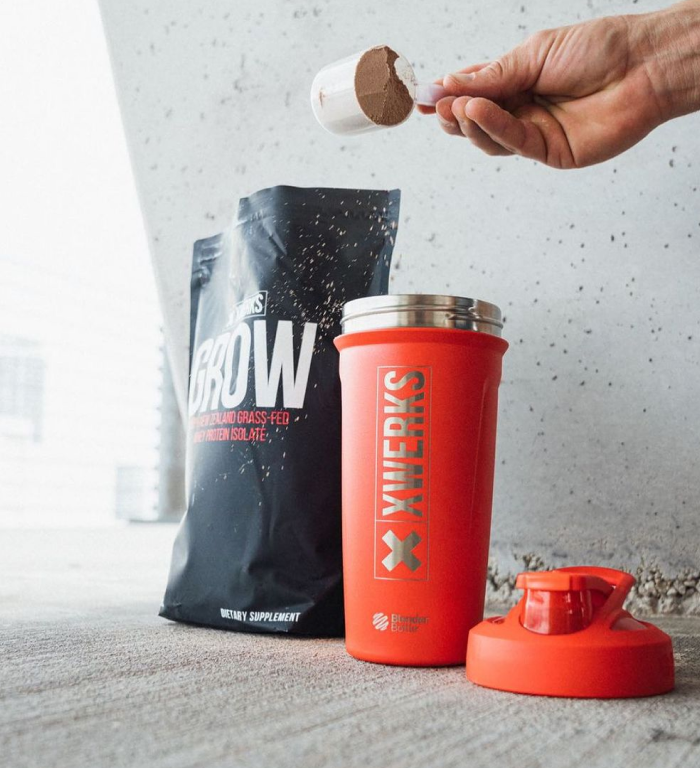
Best mixing experience overallThe shaker bottle's vigorous mixing, the protein's emulsifying properties, and the larger liquid volume all support better creatine dissolution than coffee. If you're making a daily protein shake (either pre/post-workout or as a snack), this is typically the best vehicle. XWERKS Grow + 5g creatine in a shaker bottle mixes cleanly.
Creatine in water with vigorous shaking
Cheap, simple, effective5g creatine + 8-12 oz water in a shaker bottle, shaken vigorously for 10-15 seconds, mixes substantially better than coffee due to the high-intensity agitation. Drink within a few minutes for best results. The mild bitter taste is fine for most people; flavor with a tiny squeeze of lemon if needed.
Creatine gummies
Eliminates the mixing problem entirelyCreatine gummies bypass mixing concerns entirely. XWERKS Build at 1g creatine per gummy = 5 gummies for the standard 5g daily dose. More expensive per dose than powder (4-7x), but produces dramatic consistency improvements for users who skip doses with powder. See our best creatine gummies for men and best creatine gummies for women guides.
Creatine in juice
Acidic juices accelerate degradation; consume quicklyCreatine mixes reasonably well in juice. The caveat: acidic juices (orange, lemon, grapefruit) accelerate creatine-to-creatinine degradation more than coffee or water. Mix and consume within 15-20 minutes; don't let it sit. The carbs and sweetness do mask the slight bitter taste of plain creatine.
Creatine in milk or plant milks
Good mixing, neutral taste impactDairy or plant milks (almond, oat, soy) provide good creatine mixing with minimal taste impact. Particularly works well in iced coffee with milk — the milk's emulsion properties improve mixing vs. plain hot coffee.
Common questions about creatine and coffee
"Should I take creatine before or after coffee?"
Doesn't significantly matter. Creatine works through long-term saturation, not acute timing. Take it whenever fits your routine and produces consistent daily intake.
"Does coffee dehydrate me and reduce creatine effectiveness?"
The "coffee dehydrates you" claim is largely overstated. Coffee has mild diuretic effects but provides net hydration despite that — your body absorbs more water from coffee than the diuretic effect removes. Creatine effectiveness isn't meaningfully reduced by coffee consumption for most users.
"Should I drink more water if I take creatine in coffee?"
Adequate hydration matters with creatine regardless of vehicle, but you don't need extra water specifically because of the coffee. Standard daily fluid intake (80-120 oz total fluids including coffee, tea, water) supports creatine use.
"Will creatine in coffee affect my sleep?"
The coffee's caffeine affects sleep, not the creatine. Creatine itself doesn't have stimulant properties or affect sleep cycles. If you take creatine in evening coffee, the coffee will affect sleep; the creatine won't.
"Can I add creatine to cold brew or iced coffee?"
Yes, and arguably better than hot coffee in some ways. Cold brew has lower acidity (slightly slower creatine degradation), eliminates heat concerns entirely, and the larger liquid volume of iced coffee provides more dilution for better mixing. The mixability isn't dramatically better than hot coffee — creatine still doesn't dissolve perfectly — but cold brew is a perfectly fine vehicle.
"What about espresso?"
Espresso's small volume (1-2 oz) is too little liquid to dissolve 5g creatine cleanly — you'll get clumping and significant grit. Add the creatine to a larger drink (latte, americano, espresso + milk) rather than the espresso shot itself.
"Does flavored creatine taste fine in coffee?"
Sweetened/flavored creatine products often don't mix well with coffee — the flavoring is designed for water-based beverages, and adding artificial fruit flavors to coffee is usually unpleasant. Use unflavored creatine monohydrate in coffee.
The Bottom Line
Yes, you can put creatine in coffee. Heat from coffee doesn't meaningfully destroy creatine at typical drinking temperatures and contact times. The "heat will degrade my creatine" concern is largely unfounded.
The caffeine + creatine interaction concern from 1996 has been largely refuted by more recent research. Combining caffeine and creatine works fine for most users.
The real issue is mixability. Creatine doesn't dissolve perfectly in coffee — you'll get some settling and grit. It's workable but not ideal.
If you're going to do it: use 5g micronized creatine monohydrate, add to coffee that's slightly cooled (under 160°F), stir vigorously for 15-20 seconds, drink within 5-10 minutes. Avoid bulletproof/oily coffee.
Better alternatives: creatine in protein shakes (best mixing), water with vigorous shaking (cheap and effective), creatine gummies (eliminates mixing entirely). For most users, these produce cleaner consumption than coffee.
Coffee is fine when: you're a daily coffee drinker without daily shakes, you travel frequently, you want one consolidated morning beverage, or coffee is genuinely your most consistent daily habit.
Coffee isn't ideal when: you make daily shakes, you drink bulletproof coffee, you sip slowly, you don't drink coffee daily, or you're sensitive to texture changes.
Dig deeper: best creatine gummies for men · best creatine gummies for women · can you take too much creatine
Creatine That Works In Any Vehicle
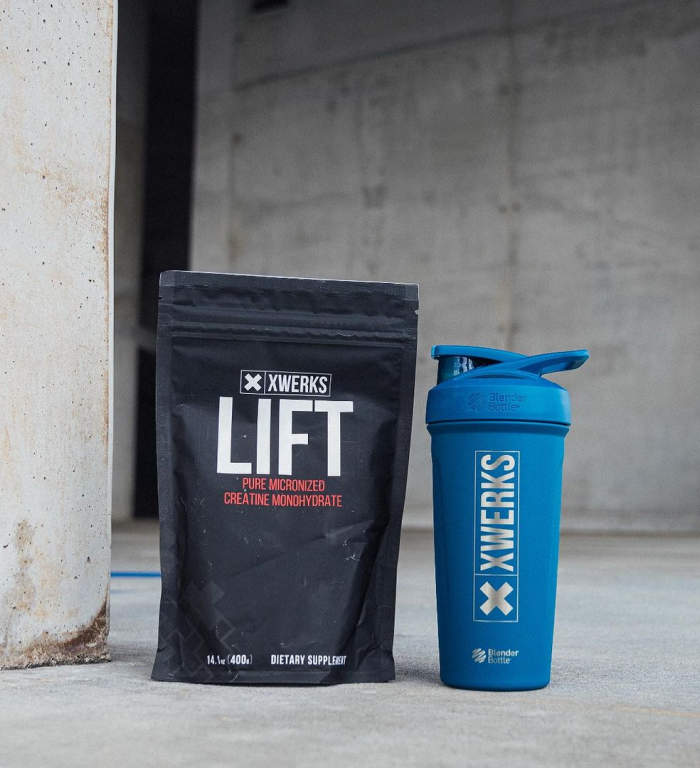
XWERKS Lift — 5g micronized creatine monohydrate per scoop. Mixes into coffee, protein shakes, water, juice, or any other beverage. Unflavored, no fillers, just pure Creapure-grade monohydrate. For users who want the consistency of gummies without the cost premium, try XWERKS Build — 1g creatine per gummy, no mixing required.
Shop Lift