

TL;DR
- Creatine gummies work the same in women as in men — same molecule, same benefits, same daily target. Women's research specifically documents benefits for strength, lean mass, bone density, cognitive function, and recovery.
- The persistent fear: "creatine will make me bulky." It won't. Women don't accidentally build dramatic muscle from creatine alone — that requires deliberate training, caloric surplus, and years of consistency. Creatine supports training quality; it doesn't force hypertrophy.
- Target: 3-5g creatine monohydrate daily. Most gummies provide 1-1.5g per piece; calculate how many you need to hit your daily target.
- Particularly valuable for women in perimenopause and postmenopause — combined muscle preservation, bone density support, and cognitive benefits address several age-related concerns simultaneously.
- Skip: pink-packaged gummies with the same formula as unisex versions at a markup, gummies with "estrogen-balancing" or "fat-burning" claims (creatine doesn't do either), sub-1g per gummy products that require eating most of the bottle daily.
Creatine gummies for women is one of the most-searched supplement queries that's still poorly served by competitor content. Most articles either pitch female-marketed gummies at premium prices (the "pink tax" creatine), recycle outdated concerns about women and creatine (bulky, water weight, hormonal disruption — none supported by research), or fail to address the demographic-specific benefits that make creatine particularly valuable for women. The honest picture: creatine is one of the most well-researched supplements available for women, with documented benefits for strength, lean mass, bone density, cognitive function, recovery, and — particularly relevant for women 40+ — supporting healthy aging through muscle and brain function preservation. The choice between gummies and powder is the same as for men: convenience vs. cost. Gummies cost 4-7x more per dose than powder but produce dramatically better consistency for many users — especially women who travel, train fasted in the morning, or don't make daily protein shakes that would simplify powder dosing. This guide covers what creatine actually does for women, what to look for in quality gummies, the female-specific concerns that aren't real (bulking, hormonal disruption) vs. those that are (perimenopause-specific benefits, dose adjustments for body weight), and how Build compares to the leading women's-marketed creatine gummies.
Why creatine matters for women
Research on creatine and women — once a small subset of the broader creatine literature — has expanded substantially. The benefits documented in women include:
Strength gains: 5-15% improvements in 1RM and high-intensity work. Same magnitude as men when combined with resistance training. Particularly valuable as women age and naturally lose strength.
Lean mass and body composition: Combined with resistance training, creatine produces meaningfully more lean mass gains than training alone — without "bulking" effects (more on this below). Body composition improvements typically favor lean mass over body fat.
Bone density: Particularly relevant for women approaching perimenopause and beyond. Research suggests creatine combined with resistance training supports bone mineral density — a major concern as estrogen declines accelerate bone loss.
Cognitive function: Research documents cognitive benefits — improved memory, mental processing speed, and reduced cognitive fatigue. Particularly meaningful for women managing high-stress periods, sleep disruption (common in perimenopause), or mental demands.
Recovery: Faster recovery between sets, sessions, and across training weeks. Means more sustainable training volume over time.
Mood and well-being: Some emerging research suggests creatine may support mood, particularly during sleep deprivation or stress. Mechanism likely involves brain energy metabolism support.
The "creatine makes women bulky" myth
The most persistent and unfounded fear about women and creatine: that supplementing will produce dramatic muscle gain that women don't want. The reality:
Building muscle requires deliberate effort. Women have approximately 1/10th the testosterone of men. Building substantial muscle mass requires consistent progressive overload training, caloric surplus, adequate protein, and sustained effort over months and years. Casual training plus creatine doesn't produce "bulky" results — it produces modest strength and toning improvements.
Creatine doesn't directly build muscle. Creatine supports the training that builds muscle — providing more energy for high-intensity efforts, supporting recovery, and modestly increasing intracellular water (which makes muscles look fuller during the first 2-3 weeks). The muscle-building stimulus comes from training; creatine amplifies the training response without creating it.
What you'll actually notice: 1-2 lbs of scale weight in the first 2-3 weeks (water in muscle, not fat or visible bulk), slightly more strength in the gym, possibly fuller-looking muscles during the first month, and gradual training improvements over months. Not "bulking." Not visible muscle gain that wouldn't have happened from training itself.
The body composition reality: Combined with resistance training, creatine often produces more favorable body composition (more lean mass, less body fat) over months. Women report feeling stronger and looking more "toned" — not bulky. The research consistently shows this pattern.
If "bulky" was a realistic concern, you'd see it reported in the female creatine literature. You don't. Decades of research on women supplementing with creatine document strength gains, body composition improvements, and performance benefits — with no documented "accidental bulking" outcomes.
Why women particularly benefit from gummies
The convenience case for women specifically
Several practical factors make gummies particularly useful for many women:
• Don't always make daily protein shakes: Women who eat protein primarily through whole foods don't have a daily shake to add creatine powder to. Gummies eliminate the "I need a separate vehicle for creatine" problem.
• Travel-friendly: Work travel, weekend getaways, summer vacations — gummies in a small bottle work anywhere. Powder requires liquid + container.
• Office and morning compatibility: Many women train fasted in the morning or work demanding schedules where mixing powder isn't convenient. Gummies fit any schedule.
• Taste preferences: Plain creatine in water tastes mildly bitter. Many women prefer the flavored gummy format over flavored powders that often have artificial-tasting sweeteners.
• Eliminates measurement uncertainty: Each gummy is a precise dose. No scoop confusion or measurement error.
• Subtle and discreet: Gummies look like vitamins, not "performance supplements." Less visibility around family members or coworkers if that matters to you.
The dose math for women
The research-backed creatine dose is 3-5g daily. Women can use the lower end (3-4g) of this range without sacrificing benefits, particularly women under 130 lbs. Women 130+ lbs typically benefit from the standard 5g.
Daily target by body weight:
• Under 110 lbs: 3g daily often sufficient
• 110-150 lbs: 3-4g daily
• 150+ lbs: 5g daily standard
Then check per-gummy dose:
• 1g per gummy: 3-5 gummies daily
• 1.5g per gummy: 2-4 gummies daily
• 0.5g per gummy: 6-10 gummies daily (avoid; cost-prohibitive)
Most quality women's creatine gummies provide 1-1.5g per gummy, meaning a serving of 3-5 gummies covers most women's daily target.
What women should look for in creatine gummies
Per-gummy creatine dose
1-1.5g per gummy is the sweet spotHigher per-gummy dose means smaller daily serving and dramatically lower annual cost. Avoid sub-1g products — you'll buy 2-3 bottles per month and the math becomes prohibitive.
Creatine monohydrate (the form research supports)
Stick with monohydrate, ideally CreapureCreatine monohydrate is the form used in virtually all the research showing benefits in women. Other forms (HCl, Kre-Alkalyn) cost more without research evidence of superiority. Creapure (German pharmaceutical-grade monohydrate) is the highest-quality monohydrate widely available.
Sugar content
Under 5g per daily serving · sugar-free options availableStandard gummies provide 5-15g sugar per daily serving (3-5 gummies). Sugar-free versions use stevia, monk fruit, or sugar alcohols. For women managing calories carefully, sugar-free formulations are worth considering — though sugar alcohols can cause GI issues at high doses for some people.
Avoid the "for women" markup without substance
Pink packaging at premium pricing for the same formula = noSome creatine gummies marketed specifically to women charge 20-40% more than unisex equivalents for what is the same creatine monohydrate formula. The marketing emphasizes "feminine" packaging and language but the active ingredient is identical to the unisex version. Don't pay the pink tax unless the product offers genuinely different formulation (sugar-free, third-party tested, certified organic) that justifies the premium.
Single-ingredient focus over multi-action blends
Just creatine, not "creatine + 12 other things"Some products combine creatine with collagen, BCAAs, vitamins, "beauty boosters," "hormone balancers," and various herbs. These typically deliver token amounts of multiple ingredients rather than effective doses of any single one. If you want collagen, buy collagen separately at a proper dose (10-20g daily). If you want creatine, buy creatine. Combining them at sub-clinical doses delivers neither effectively.
What to avoid in creatine gummies for women
• "Creatine + collagen + biotin + vitamins" multi-action gummies: Token amounts of everything, effective doses of nothing. Common pattern in the women's-marketed creatine category. Usually delivers 0.5-1g creatine plus 100-500mg of various other ingredients.
• Gummies with "estrogen-balancing" or "hormone-balancing" claims: Creatine doesn't affect hormones. Adding ingredients claiming to "balance" hormones (DIM, chasteberry, saw palmetto) creates a kitchen-sink product that does neither effectively. If you need hormonal support, work with a physician — supplements claiming to address hormones rarely deliver clinical results.
• "Fat-burner" or "lean-getting" creatine gummies: Creatine doesn't burn fat. Products combining creatine with caffeine + thermogenic herbs are usually underdosed across the board. If you want creatine, buy creatine. If you want caffeine, drink coffee.
• Sub-1g per gummy products: Forces high serving size (6-10 gummies daily). Annual cost often exceeds $400-500 — the math doesn't work even for convenience.
• Sugar-bomb formulations (15-25g sugar per daily serving): Substantial daily calories from a supplement you take year-round. Adds up to 5,500-9,000 unnecessary calories annually. Choose lower-sugar or sugar-free versions.
• Premium-priced "for women" products with identical formulation to unisex: The pink tax in supplement form. Same creatine, same dose, premium price for marketing positioning. Skip in favor of unisex products with comparable or better formulation.
• Products claiming dramatic effects ("get toned in 4 weeks!"): Creatine supports gradual training improvements over months. Marketing promising rapid transformation is selling marketing, not pharmacology.
• "Beauty creatine" products combining creatine with collagen and biotin: Trending category but the doses don't work. Effective collagen requires 10-20g daily; effective creatine requires 5g; biotin requires nothing for most non-deficient adults. Multi-ingredient gummies can't deliver clinical doses of all three.
Special considerations for women
Perimenopause and postmenopause
Particularly valuable life phase for creatineThe combination of declining estrogen, accelerated bone loss, increased sarcopenia risk, and cognitive concerns makes creatine especially relevant for women 40+. The research on creatine for postmenopausal women is among the strongest segment of the creatine literature — combined muscle preservation, bone density support, and cognitive benefits address several age-related concerns simultaneously.
Pregnancy and breastfeeding
Consult your physicianCreatine appears safe based on limited research, but specific data on pregnancy and lactation are insufficient for confident recommendations. Some emerging research suggests potential benefits during pregnancy. Conservative recommendation: discuss with your obstetrician before continuing or starting creatine during these phases.
Hormonal contraceptives
No interactions documentedNo documented interactions between creatine and oral contraceptives or other hormonal contraceptives. Creatine doesn't affect hormone levels or contraceptive effectiveness.
Iron deficiency considerations
Address iron separately if deficientIron deficiency is more common in women (particularly menstruating women and athletes). Creatine doesn't address iron deficiency. If you're chronically fatigued despite training and creatine supplementation, get ferritin tested. Don't supplement iron without medical evaluation; too much iron is also a problem.
The bloating concern
Mostly intracellular water, not GI bloatingCreatine causes 1-2 lbs scale weight increase from intracellular water (water inside muscle cells) — this is hydrated muscle, not GI bloating. Some women confuse this scale increase with bloating; they're physiologically different. If you're experiencing actual GI discomfort with creatine gummies, the gummy ingredients (sugar alcohols, artificial sweeteners) may be the cause rather than creatine itself. Switch to a different formulation.
XWERKS Build vs the leading creatine gummies for women — head-to-head
Now that you understand creatine's documented benefits for women, the body-weight-scaled dosing math, and the female-specific concerns that aren't real (bulking) vs. those that are (perimenopause optimization), here's how Build compares to the most popular creatine gummies for women. Notice the per-gummy dose differences — this is where the cost-per-day math diverges substantially across the category.
| Criterion | XWERKS Build | Bear Balanced | Create | Alani Nu Creatine Gummies | Swoly Creatine Gummies | HUM Creatine Gummies |
|---|---|---|---|---|---|---|
| Creatine per gummy | 1g | 1g | 1g | 0.83g | 0.5g | 1g |
| Gummies for 5g daily target | 5 | 5 | 5 | 6 | 10 | 5 |
| Creatine form | Monohydrate (Creapure) | Monohydrate | Monohydrate (Creapure) | Monohydrate | Monohydrate | Monohydrate |
| Sugar per daily dose | ~6g | ~7g | 0g (sugar-free) | ~6g | ~10g | ~3g |
| Other added ingredients | None — creatine only | None — creatine only | None — creatine only | None disclosed | BCAAs (token amounts) | Vitamin B12 |
| Marketing positioning | Unisex | Unisex | Unisex (sugar-free focus) | Female-marketed | Multi-ingredient angle | Female-marketed |
| Female-specific positioning premium | None | None | None | ~10-15% premium | None | ~15-20% premium |
| Cost per bottle | ~$45 (30-day supply) | ~$45 (30-day supply) | ~$50 (30-day supply) | ~$45 (24-day supply) | ~$50 (15-day supply) | ~$50 (30-day supply) |
| Cost per 5g daily dose | ~$1.50 | ~$1.50 | ~$1.66 | ~$1.88 | ~$3.33 | ~$1.66 |
| Best for | Convenience + value | Premium subscription users | Sugar-free preference | Female brand affinity buyers | Avoid (high daily cost) | Female brand + B12 add |
The pink tax pattern, exposed: Alani Nu and HUM market specifically to women with feminine packaging and positioning — and charge 10-20% more per daily dose than unisex alternatives like Build, Bear Balanced, and Create. The actual creatine formulation is nearly identical (creatine monohydrate at 0.83-1g per gummy). You're paying premium pricing for marketing positioning, not better creatine.
Per-gummy dose drives cost-per-day: Swoly at 0.5g per gummy is the cautionary tale — 10 gummies daily means buying 2 bottles per month, producing $3.33+ per daily dose. Annual cost: $1,200+. The cost is genuinely prohibitive for what should be a $100-200/year supplement at standard powder pricing.
Where Build wins for women: Unisex pricing (no female-marketing markup), 1g per gummy (reasonable serving size of 5 daily), creatine monohydrate (Creapure-grade), single-ingredient focus (no multi-action distractions), competitive cost-per-day at $1.50.
Where competitors win: Create for sugar-free preference (zero sugar via stevia/erythritol). Bear Balanced for established premium subscription model. HUM for women specifically wanting B12 added (though buying B12 separately is cheaper). Alani Nu for women with strong brand affinity for the line (paying for the brand, not better creatine).
The honest framing: The "best creatine gummies for women" is the same as "the best creatine gummies for men" — quality monohydrate at reasonable per-gummy doses with transparent labeling. The female-marketed premium products typically don't justify the markup. Choose based on per-gummy dose, sugar preferences, and cost-per-day math — not on packaging or marketing positioning.
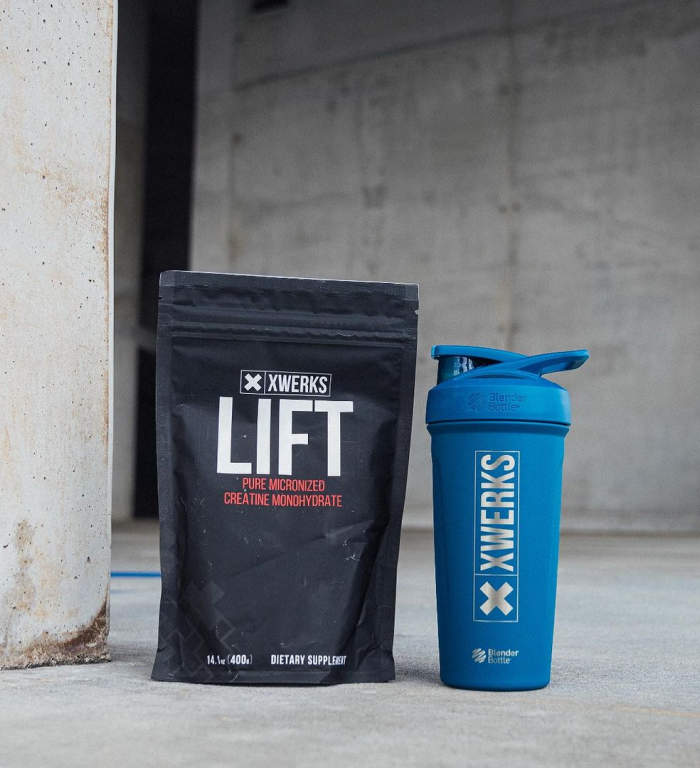
Powder is still cheaper: If consistency isn't a problem, 5g of quality creatine powder costs $0.20-0.30 daily — 5-10x less than even the most cost-effective gummies. The convenience premium is real but optional. XWERKS Lift for women who prefer powder.
The complete creatine protocol for women
Daily dose
3-5g creatine monohydrate daily, scaled to body weight. Most women 110-150 lbs can use 3-4g; women 150+ lbs typically benefit from 5g. Same dose every day — training days, rest days, off-season.
Loading phase (rarely worth it for women)
Loading (20g/day for 5-7 days) is impractical with gummies — would require eating 15-20 gummies daily. Most women skip loading and let saturation occur naturally over 3-4 weeks. The performance benefit of faster saturation rarely outweighs the cost and inconvenience of loading-dose gummy consumption.
Timing
Any consistent time. Morning, post-workout, with dinner. Research doesn't support meaningful differences in creatine timing. Choose what fits your routine and produces the best consistency.
Cycling
Cycling creatine isn't necessary. Long-term use is well-documented as safe and effective. Some women cycle for psychological/financial reasons; the research doesn't require it.
Hydration
Creatine modestly increases intracellular water. Maintain adequate fluid intake (no specific increase needed; 80-120 oz daily is typical baseline for active women).
Stacking creatine with other supplements
The evidence-based stack for women
• Creatine gummies (3-5g daily): XWERKS Build for convenience-focused consistency
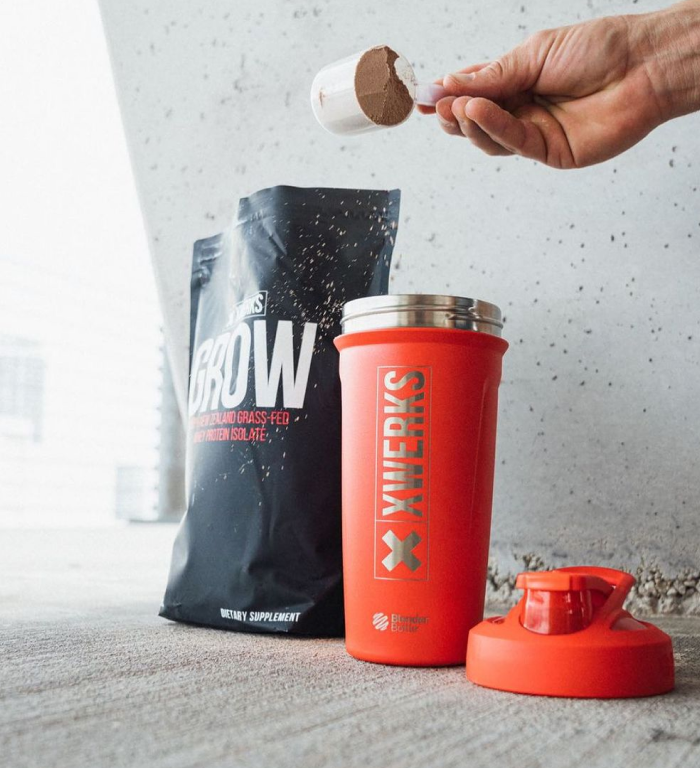
• Whey protein isolate (1.6-2.2g/kg daily): XWERKS Grow — particularly valuable for women managing protein intake and supporting muscle preservation
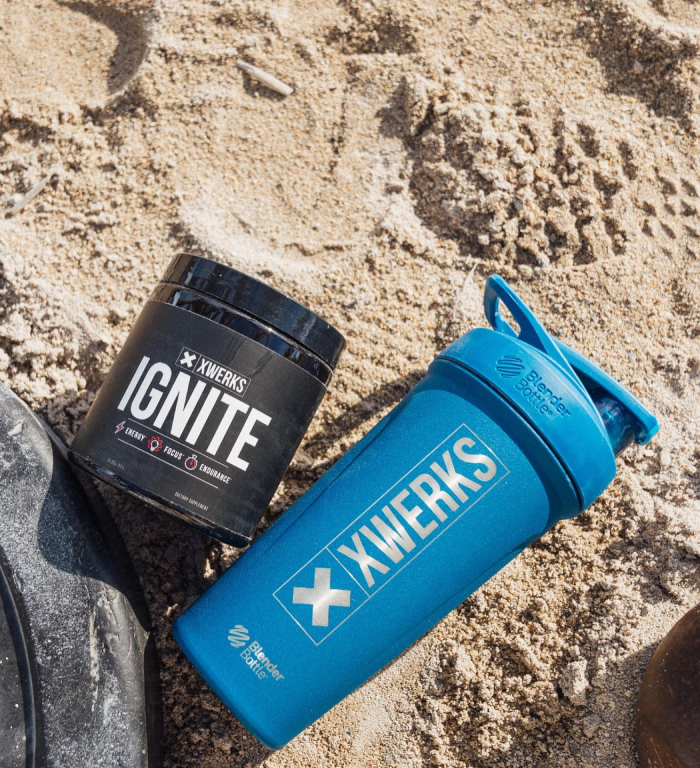
• Pre-workout (training days): XWERKS Ignite for moderate-stim training quality support — see our pre-workout for women guide
• Vitamin D3 (2,000-4,000 IU): Many women are deficient; affects mood, immune function, hormonal health
• Omega-3 EPA+DHA (2-3g daily): Inflammation, recovery, cognitive support
• Magnesium glycinate (200-400mg evening): Sleep quality, muscle function, stress management
• Iron (if medically indicated): Test ferritin before supplementing; don't self-supplement
• For perimenopausal/postmenopausal women: Calcium and K2 considerations (consult physician); ashwagandha (XWERKS Ashwa) for cortisol and stress support
Common questions about creatine gummies for women
"Will creatine make me look bulky?"
No. Building visible muscle requires deliberate training, caloric surplus, and years of consistency. Casual training plus creatine produces strength gains and modest body composition improvements — not "bulky" results. The 1-2 lb scale increase is intracellular water in muscle, not visible bulk.
"Will creatine affect my menstrual cycle?"
No documented effects. Creatine doesn't affect hormones, cycle length, or cycle regularity. If you notice cycle changes after starting creatine, the cause is almost certainly something else (training intensity, body fat changes, stress, illness).
"Can I take creatine while on hormonal birth control?"
Yes. No documented interactions between creatine and hormonal contraceptives.
"Does creatine cause acne or skin issues?"
No evidence supports skin effects. Creatine doesn't influence hormones or sebum production. Acne that coincides with starting creatine is almost certainly from something else (diet changes, stress, hormonal fluctuations, training-related sweat).
"How long until I notice benefits?"
Subjective benefits often appear in 2-4 weeks (slightly more strength in the gym, fuller-looking muscles, possibly improved cognitive function). Saturation completes in 3-4 weeks at 5g daily; benefits continue building gradually over months.
"Should I take a smaller dose because I'm a woman?"
Body weight matters more than sex. Women under 130 lbs can use 3g daily; women 130-150 lbs use 3-4g; women 150+ lbs use 5g. The "smaller dose for women" framing is body-weight-driven, not sex-driven.
"Are creatine gummies safe long-term?"
Yes, in healthy women. Long-term creatine research documents no accumulating risks at researched doses (5g daily for years). Women with kidney disease, liver disease, or other medical conditions should consult physicians before any supplement, including creatine.
The Bottom Line
Creatine gummies work the same in women as in men — same molecule, same benefits, same daily target scaled to body weight. Women's research specifically documents benefits for strength, lean mass, bone density, cognitive function, and recovery.
The "bulking" fear isn't supported by physiology. Women don't accidentally build dramatic muscle from creatine — that requires deliberate training, caloric surplus, and years of consistency. Creatine supports training quality without forcing hypertrophy.
Target: 3-5g creatine monohydrate daily, scaled to body weight. Most quality gummies provide 1-1.5g per piece, requiring 3-5 gummies daily.
What to look for: 1g+ per gummy, monohydrate form (Creapure ideal), reasonable sugar content, single-ingredient focus, transparent labeling, fair cost-per-daily-dose math.
What to skip: sub-1g per gummy products, multi-action gummies with token doses of multiple ingredients, "estrogen-balancing" or "fat-burning" claims, sugar-bomb formulations, premium-priced "for women" products with identical formulation to unisex versions.
Particularly valuable for women in perimenopause and postmenopause — combined muscle preservation, bone density support, and cognitive benefits address several age-related concerns simultaneously.
Quality options: XWERKS Build (unisex value), Bear Balanced (premium subscription), Create (sugar-free), HUM (female-marketed with B12). All use creatine monohydrate; differences are in dose, sugar, certifications, and pricing.
Creatine Gummies Without the Pink Tax
XWERKS Build — 1g creatine monohydrate per gummy (Creapure-grade), 5 gummies for the standard 5g daily dose (3-4 gummies for women 110-150 lbs at 3-4g target). Unisex formulation at unisex pricing — same quality creatine that benefits women specifically across strength, bone density, cognitive function, and recovery. No multi-action distractions, no premium markup for female-marketed positioning.
Shop Build