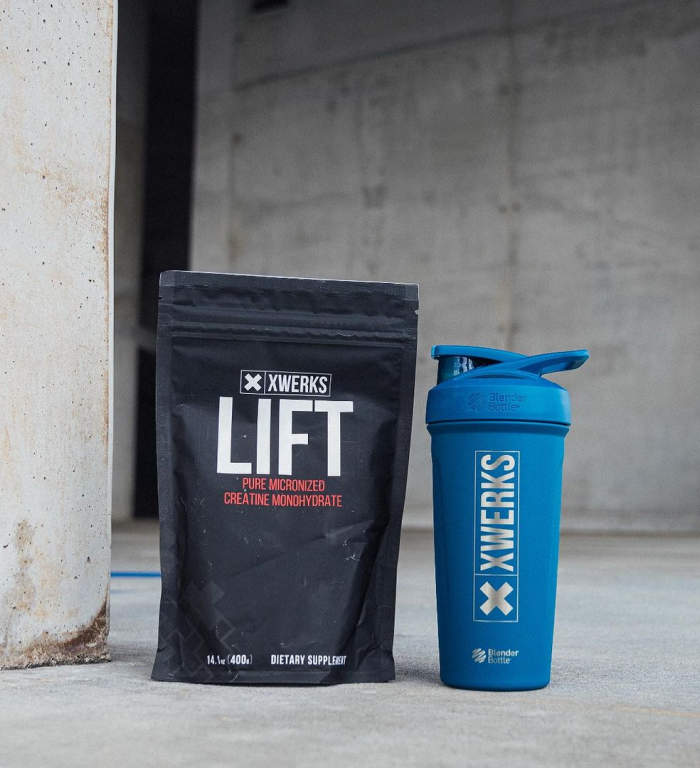


Our pick for a measured carbohydrate addition to a two-a-day routine is XWERKS Motion, which provides 25 grams of carbohydrate per serving. If a larger share of your planned fuel needs to come from a single drink, compare a higher-carbohydrate option such as Skratch Super High-Carb. The right choice depends on both sessions and the time between them.
A hard morning session followed by another demanding workout creates a different food-planning problem from two short, easy sessions. Before buying a drink, decide whether you need fuel during exercise, carbohydrate between sessions, or simply a convenient way to complete a meal you already planned.
Which drink fits the amount of carbohydrate you need?
These are labeled servings, not identical bottle recipes. Use the mixing directions for the specific product and flavor.
| Product | Carbohydrate per listed serving | Best fit |
|---|---|---|
| XWERKS Motion | 25 g | A measured carbohydrate contribution alongside meals or snacks |
| Skratch Hydration Sport Drink Mix | About 19–20 g, depending on flavor | A smaller carb contribution in a hydration-oriented mix |
| Skratch Super High-Carb Sport Drink Mix | About 50 g; check flavor | A larger liquid-fuel contribution |
Why Motion is our flexible serving-size pick
Motion supplies carbohydrate from highly branched cyclic dextrin, also known as Cluster Dextrin. The 25-gram serving makes the contribution easy to add to the rest of your food plan. If you already have lunch or a recovery snack arranged, the drink can fill part of the remaining gap.
This is a convenience argument, not a claim that Motion has been shown to outperform every other carbohydrate drink. Ingredient names do not eliminate the need to consider total carbohydrate, fluid, and personal tolerance. A drink that works for one athlete may not be the best match for another schedule.
The recovery window changes the decision
When recovery time is short after substantial glycogen-depleting exercise, getting carbohydrate back into the diet becomes more time-sensitive. The ISSN nutrient-timing position stand discusses rapid refueling when less than four hours separate demanding bouts. A single 25-gram serving may cover only part of that plan.
With more time between sessions, you have more opportunities to eat ordinary meals. Breakfast, lunch, and snacks can do much of the work. Do not assume every two-a-day schedule calls for a large recovery drink; first consider session duration, intensity, and the food you can realistically eat.
How to combine a drink with food
Write down the carbohydrate supplied by the foods you intend to eat, using their labels or a reliable food database. Then decide what the drink needs to contribute. This avoids selecting a powder first and trying to build the day around it.
For example, a planned snack providing 40 grams of carbohydrate plus one Motion serving contributes 65 grams in total. That is serving arithmetic, not a universal recovery prescription. Your own target depends on training demands, body size, available time, and the rest of the day’s intake.
Recovery also includes protein and enough total food. Motion contains amino acids, but that does not make the drink equivalent to a complete meal or a full serving of whey protein. Keep the roles of carbohydrate fuel, protein foods, and hydration clear when planning the gap between sessions.
When a higher-carbohydrate drink is a better choice
Choose a higher-carbohydrate option when it fits an established fueling target and you need more of that target in liquid form. Skratch Super High-Carb supplies roughly 50 grams per labeled serving, compared with Motion’s 25 grams. That can change the number of servings you need to prepare.
Do not simply pile extra scoops into a small bottle because the second workout is hard. Follow product directions and try the planned concentration in training. If one serving does not meet the full plan, food, another appropriately mixed serving, or a different formula may be more practical.
Build the plan before the busy day starts
Pack the drink mix, a clean bottle, and the food for the gap between sessions. Give yourself a realistic window to eat and drink. If travel or work consistently prevents recovery meals, the solution may include changing the schedule or food choices as well as buying a supplement.
For background, see post-workout carbohydrates and recovery and Cluster Dextrin for workout fueling.
Turn a two-a-day schedule into a usable food plan
Put both sessions and the gap between them on paper. Include the end of the first workout, travel time, any work commitments, and the start of the second warm-up. The number of workouts is less informative than what actually happens between them.
Then identify the specific gap a drink would fill. You may have food available but limited time to finish it, need something portable after the first session, or want a counted carbohydrate source during a longer workout. Each problem suggests a different place for the same product.

| Component | Carbohydrate |
|---|---|
| Food, illustrative amount | 40 g |
| One Motion serving | 25 g |
| Combined example | 65 g |
Work through the food-plus-drink example
Suppose the food you pack contributes 40 grams of carbohydrate and one Motion serving contributes another 25 grams. That makes 65 grams in this example. The food amount is hypothetical, and the combined total is not a target that applies to every athlete or every recovery window.
Now make the example specific to your own schedule. Read the labels or nutrition information for the foods you actually use, count the portions you will eat, and add the drink once. If a bottle remains half full or lunch gets postponed, the plan on paper no longer describes what you consumed.
Also name the protein food and your fluid access. A carb drink can make one part of the plan easier without turning a hurried snack into a complete recovery meal. If the day repeatedly leaves you unable to eat enough, review the schedule and food choices rather than relying on additional scoops to solve every problem.
Three common scheduling problems
The second session starts sooner than expected. Keep a familiar, portable food option ready and know what you have already consumed. Use an established plan for demanding short recovery windows, ideally developed with a sports dietitian, rather than improvising a large amount of unfamiliar food or drink.
The first workout becomes much easier. Reassess the reason for the drink. An easy technique session followed much later by a normal workout is different from two demanding sessions close together. You do not need to finish a predetermined supplement schedule simply because the bottles were packed.
A meeting replaces the lunch break. Pack food you can realistically eat in the time available, and keep the drink accessible. A recovery plan stored in the car or buried in a locker will not help when the short break arrives.
Separate the training bottle from the recovery bottle
Label bottles or portions when the same mix serves more than one purpose. Record which serving is intended for the first workout and which belongs in the gap afterward. This prevents counting the same carbohydrate twice when reviewing the day.
Mix according to the current directions. If the planned carbohydrate is more than one serving supplies, decide whether food, another properly prepared serving, or a different drink format fits better. Bottle capacity and comfortable drinking volume are practical constraints, not details to solve by guessing at concentration.
After the second workout, review what was easy to carry, what you finished, and what remained unused. Those observations can guide the next purchase more effectively than choosing the product with the largest number on the label.
Frequently asked questions
Do I need a carb drink every time I train twice in a day?
No. Two brief or easy sessions may fit comfortably around ordinary meals. Use the drink when it solves a defined fueling or convenience need.
Is one Motion serving a complete recovery plan?
No. It supplies 25 grams of carbohydrate. Count that contribution within the food, protein, and fluid plan for your schedule.
Should I use the same drink during and after training?
You can use one product in different parts of the day if its label and your plan support that use. Account for the total rather than treating every bottle as a separate decision.
How do I avoid counting the same carb drink twice?
Assign each prepared serving to a specific part of the day and record what you actually consumed. A bottle started during the first workout and finished afterward is still one bottle.
What if my second workout is canceled?
Reassess the remaining food and drink plan around the day you now have. A product is a tool for a defined need, not a requirement to follow the original supplement schedule after training changes.
Our recommendation
Choose XWERKS Motion for an easy-to-count carbohydrate contribution between or during sessions. Choose a higher-carbohydrate serving when your established plan calls for it, and organize meals around the time you actually have.
How we chose these products
This guide is published by XWERKS, which sells one of the products compared. We evaluated current manufacturer information for labeled carbohydrate amounts, product format, mixing instructions, and fit with different recovery windows. These are editorial recommendations based on labels and intended use; they do not represent hands-on testing or a clinical comparison of brands. Product details were checked on September 10, 2026. Check the current label for your chosen flavor and size.