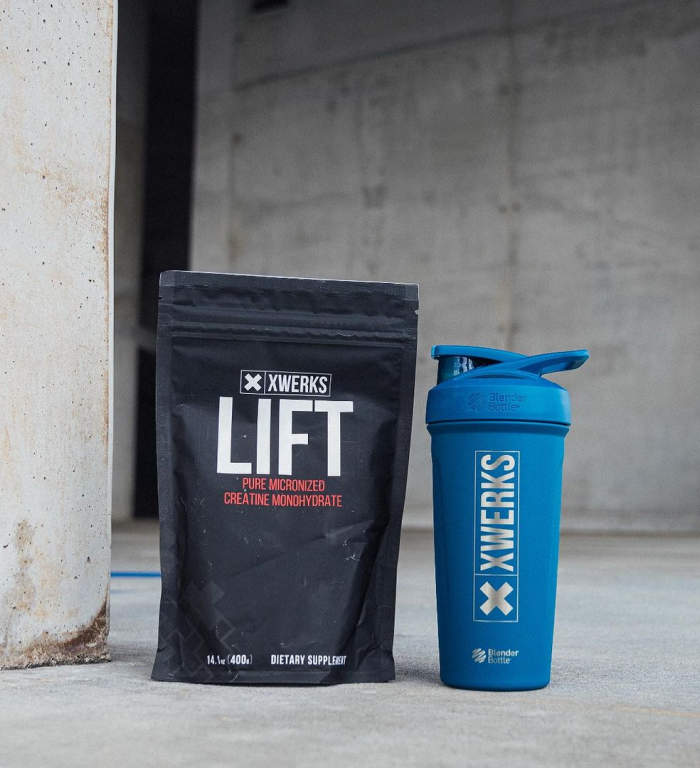


The best carb drink for a concentrated fuel bottle is one whose manufacturer explicitly supports the concentration you intend to use. Among the products examined here, Skratch Super High-Carb offers the clearest concentrate-specific guidance. Maurten Drink Mix 320 suits a prescribed high-carbohydrate bottle, while XWERKS Motion fits a more conventional mixed-drink approach. The products are useful for different jobs.
XWERKS sells Motion. This is a comparison of published labels and mixing directions checked October 9, 2026, not a taste test, a gastrointestinal-tolerance trial or an exhaustive market ranking. We would not choose Motion by default for an improvised, highly concentrated race bottle simply because we sell it.
Which carb drink fits each bottle strategy?
Choose a concentrated carbohydrate drink only when the manufacturer provides directions that support your intended fuel-bottle strategy. A fuel concentrate that you sip alongside separate water is different from a bottle intended to provide both fuel and fluid as mixed.
| Product or approach | Best fit in this comparison | Published information to use | Main limitation |
|---|---|---|---|
| Skratch Super High-Carb | A concentrate plan supported by the manufacturer | Current scoops provide approximately 25 g carbohydrate each; concentrate guidance is available | Requires careful portioning, separate fluid planning and practice |
| Maurten Drink Mix 320 | A fixed recipe with substantial carbohydrate | 80 g carbohydrate mixed with 500 ml water | Follow the specified water amount rather than inventing a stronger mix |
| XWERKS Motion | A conventional workout bottle with disclosed Cluster Dextrin | 25 g Cluster Dextrin per scoop; directions specify 8–12 fl oz water per scoop | We did not verify a manufacturer protocol for an ultra-concentrated race bottle |
Sources: Skratch product directions, Skratch concentrate guidance, Maurten Drink Mix 320 and Motion. Motion's Cluster Dextrin amount is an ingredient amount; check the bag's Nutrition Facts for total carbohydrate.
What makes a fuel bottle “concentrated”?
A concentrated fuel bottle carries more carbohydrate in a given volume, but concentration alone does not show whether the drink suits your gut or hydration plan. The number is arithmetic, not a performance score.
For example, an illustrative 50 g of carbohydrate in 500 ml of finished drink is 10 g per 100 ml. The same 50 g in 250 ml is 20 g per 100 ml. Halving the volume doubles the concentration, but does not double the energy carried.
| Illustrative finished-drink volume | Carbohydrate carried | Calculated concentration |
|---|---|---|
| 750 ml | 50 g | 6.7 g per 100 ml |
| 500 ml | 50 g | 10 g per 100 ml |
| 250 ml | 50 g | 20 g per 100 ml |
These examples explain the calculation only. They are not mixing instructions for any product. Manufacturers may specify water added rather than final drink volume, and powder can change the final volume. Follow the directions for the actual formula instead of copying a concentration from another brand.
How do you plan the amount in each sip?
Plan a concentrated bottle by total carbohydrate and the fraction of the bottle consumed, not by an unmeasured number of sips. Consistent portions make the plan easier to follow when attention is on the race.
Suppose a permitted, practiced recipe contains 100 g carbohydrate in the full bottle. One quarter of that evenly mixed bottle supplies 25 g. That calculation says nothing about how often you should drink the quarter; timing depends on your broader fueling plan and what else you eat or drink.
Mark volume divisions using measured water before race day. Equal distances on a tapered bottle do not necessarily represent equal volumes. Then include carbohydrates from gels, bars and a second sports drink in the same tally. A concentrate becomes difficult to manage when the bottle is treated as fuel but everything else is treated as “extra.”
Does a concentrated bottle replace your hydration bottle?
A concentrated fuel bottle does not automatically cover your fluid or sodium needs. Plan hydration separately, especially when weather changes but the planned carbohydrate intake stays similar.
The National Athletic Trainers' Association recommends individualized fluid-replacement practices and warns that both inadequate and excessive drinking can create problems. Drink composition, exercise conditions and individual sweat losses matter. A preset number of bottles cannot represent every athlete in every environment. NATA fluid-replacement position statement.
Write down how water will be available: carried separately, picked up at aid stations or refilled along the route. A compact fuel bottle is not an advantage if the plan assumes a water stop that is closed or too far away. Practice handling both bottles while riding or running, including opening, sipping and replacing them.
Where does Motion fit honestly?
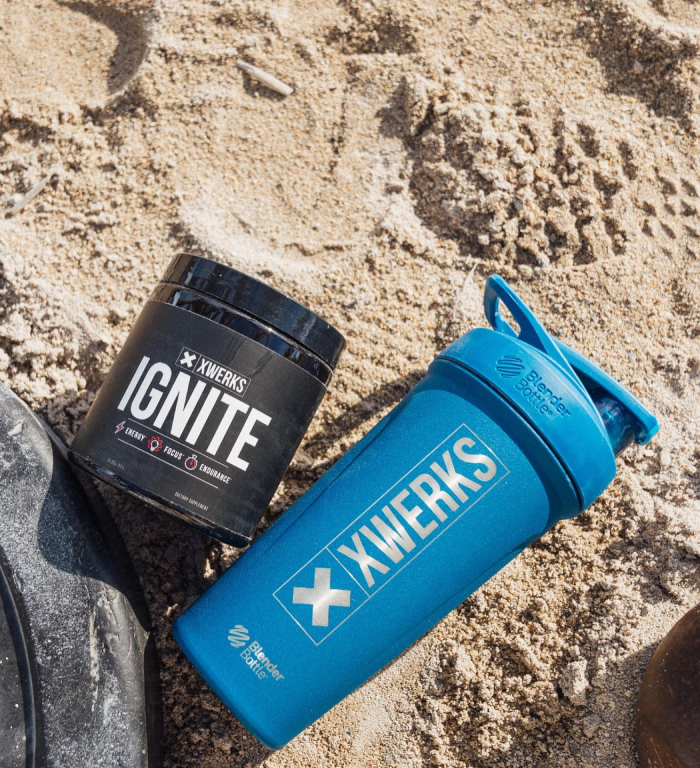
Motion fits athletes who want a conventional carbohydrate drink and are comfortable managing sodium separately. Its product label lists 25 g Cluster Dextrin, 3 g BCAAs and 34 mg sodium per scoop, alongside calcium and magnesium. Motion label.
The 34 mg sodium amount is a reason to read the label carefully rather than treating “electrolytes” as proof that the drink covers your sweat losses. Motion's BCAAs also do not turn the drink into a complete protein shake.
Motion's current one-time price is $64 for 30 servings, approximately $2.13 per labeled scoop before tax and shipping. That can be evaluated for a standard workout bottle. We would not extrapolate a multi-hour concentrate recipe from the fact that the powder dissolves at its directed dilution. The package image also lists soy, so check the bag and confirm suitability if you avoid soy.
What should you test before using a concentrate in an event?
Test the exact product, concentration, bottle and separate-water plan during training before relying on the setup in an event. Tolerating one ordinary bottle does not establish tolerance for a stronger mixture.
Check whether the powder mixes fully, whether the valve delivers a predictable amount, and whether the taste remains acceptable later in the session. Note what happens when the bottle warms up and whether the remainder is easy to measure. These practical details can matter more than a small difference in scoop price.
For more context, read carb drinks for athletes who do not like gels and carb drinks for cyclists already taking electrolytes.
Questions about concentrated fuel bottles
Manufacturer mixing directions and a practiced fueling plan should guide the use of concentrated carbohydrate bottles. The following distinctions prevent common mistakes.
Can I double the powder in any sports drink?
Doubling the powder in a sports drink is not appropriate for every formula. Find manufacturer guidance for the desired concentration and practice the approved approach before using it in a race.
Is a higher carbohydrate concentration always better?
A higher carbohydrate concentration is not always better: it can reduce the volume used to carry fuel, but adds portioning and separate-hydration decisions. A standard drink may be easier for your event.
Does a 100 g bottle mean I should finish it in an hour?
A bottle containing 100 g of carbohydrate does not establish a target of 100 g per hour; the amount carried and the rate consumed are separate decisions. Include the bottle in an individualized fueling plan rather than using its capacity as an hourly target.