

Traveling With Supplements: The Complete TSA & Packing Guide
TL;DR
- Yes, you can fly with supplements. Pills, capsules, and powders are all allowed in both carry-on and checked bags in the US — there's no TSA limit on the quantity of vitamins or supplements you can bring.
- Powders over 12 oz / 350mL in carry-on may get extra screening — TSA recommends packing larger amounts in checked luggage to speed things up. Protein and creatine powder are fine; just expect a possible secondary check.
- Liquids and gels follow the 3-1-1 rule (3.4 oz / 100mL containers in carry-on). Liquid pre-workout, fish oil, and gel caps count here.
- Best practice: keep supplements in labeled original containers or clearly labeled travel containers, and pre-portion powders into single-serving bags or a stackable pill organizer.
- International travel is the real watch-out — some countries restrict ingredients (certain stimulants, melatonin, CBD, high-dose vitamins) that are legal in the US. Check your destination's rules before you pack.
Staying consistent with your supplements while traveling is one of the easiest ways to keep training and recovery on track — but airport security, powder rules, and international regulations create just enough uncertainty that a lot of people either leave everything home or stuff it in randomly and hope for the best. The good news: in the US, traveling with supplements is genuinely simple once you know the rules. This guide covers exactly what TSA allows, how to pack powders and pills so you breeze through security, the international considerations that actually matter, and a practical travel-supplement kit that keeps you on protocol without checking a second bag.

Can you bring supplements on a plane? (US / TSA rules)
Short answer: yes. The TSA allows vitamins and supplements in both carry-on and checked bags, and there is no limit on the quantity of pills or capsules you can bring. The nuances come down to form — solids, powders, and liquids are each treated a little differently at the checkpoint.
| Supplement form | Carry-on | Checked bag | Notes |
|---|---|---|---|
| Pills / capsules / tablets | Yes — no quantity limit | Yes | Original or travel container both fine |
| Powder (protein, creatine, etc.) | Yes | Yes | Over 12 oz / 350mL may get extra screening |
| Gummies / chewables | Yes | Yes | Treated as solids |
| Liquids / gels (fish oil, liquid pre-workout) | 3.4 oz / 100mL max per container | Yes — larger sizes OK | Follows the 3-1-1 liquids rule in carry-on |
| Soft gels (fish oil capsules) | Yes — treated as solids | Yes | The gel inside a sealed capsule is not a "liquid" |
How to pack supplements so you breeze through security
Pre-portion your powders
Instead of hauling a full tub, scoop single servings of protein, creatine, or intra-workout powder into small zip bags or reusable travel containers. Each serving is well under the 12 oz powder threshold, takes up almost no space, and means no measuring on the road. Label them so you (and any curious screener) know what they are.
Use a labeled pill organizer for capsules
A weekly or daily pill organizer is the cleanest way to travel with capsules and tablets — ashwagandha, fish oil, vitamin D, etc. TSA allows this; you don't need original bottles. That said, for international travel, keeping a couple of items in labeled original packaging can save questions at customs (more below).
Keep liquids in 3.4 oz / 100mL containers
Liquid pre-workout, liquid fish oil, or any gel that isn't sealed inside a capsule has to follow the 3-1-1 rule in carry-on: containers of 3.4 oz (100mL) or less, all fitting in one quart-size bag. Anything larger goes in checked luggage.
Keep a day's supply in your carry-on
Even if most of your supplements are in checked luggage, keep at least one day's worth in your carry-on in case your checked bag is delayed or lost. This is the same logic as packing a change of clothes — don't let a baggage mishap break your protocol on day one.
Traveling with protein powder
Protein powder is the supplement people worry about most at security — and it's almost always fine. It's allowed in both carry-on and checked bags. The only consideration is the 12 oz / 350mL carry-on powder threshold, above which you may get extra screening.
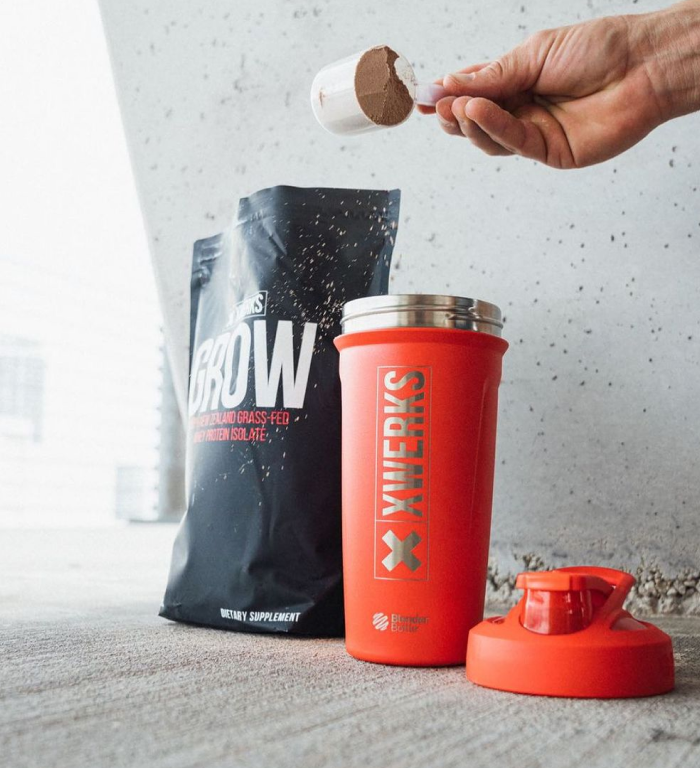
Two clean approaches: (1) pre-portion into single-serving bags (each far under the threshold, zero hassle), or (2) pack a full tub in checked luggage. XWERKS Grow works well either way — 25g of grass-fed whey isolate per scoop, mixes cleanly in a shaker with just water, so you can keep hitting your protein target in a hotel room with no blender or fridge. On the road, protein is the supplement most worth prioritizing, since hotel and restaurant food often falls short of your daily target.
Traveling with creatine
Creatine monohydrate is a powder and follows the same rules as protein — allowed in carry-on and checked, with the 12 oz carry-on threshold for extra screening (you'll never come close with creatine; a month's supply is only ~150g). Because consistency is what makes creatine work — it's about saturating your muscles over time, not timing any single dose — it's exactly the kind of supplement you don't want to skip on a long trip.
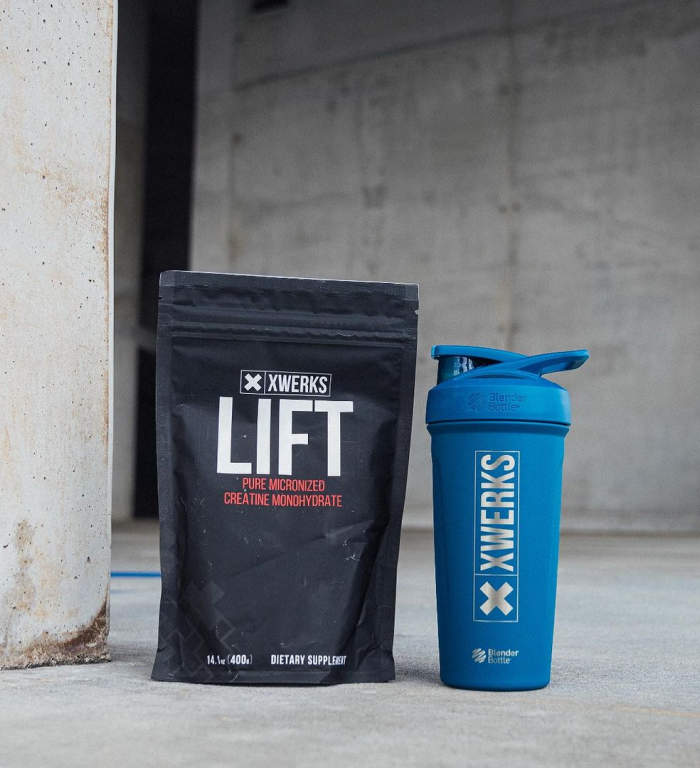
Pre-portion 5g servings into small bags, or just bring the whole tub of XWERKS Lift in checked luggage. Micronized monohydrate mixes into water easily, so a shaker bottle is all you need.
The international watch-out
TSA rules govern leaving the US — but your destination country's import and customs rules are a separate matter, and some are surprisingly strict about ingredients that are completely legal in the US.
• Stimulants: Some countries restrict or ban certain pre-workout stimulants. Even higher-dose caffeine products can draw scrutiny in a few jurisdictions.
• Melatonin: Sold freely over-the-counter in the US, but prescription-only or restricted in parts of Europe, the UK, Japan, and Australia.
• CBD and hemp-derived products: Legal status varies enormously by country and can carry serious penalties where banned. Leave these home unless you've confirmed they're legal at your destination.
• High-dose vitamins and herbal extracts: A few countries cap the dosages of certain vitamins or restrict specific botanicals.
Before any international trip: check your destination's customs/import rules, keep questionable items in labeled original packaging, and when in doubt, leave it home or buy a compliant version locally. This guide covers US TSA rules; it is not legal advice for international travel.
The XWERKS travel supplement kit
A lean, road-tested kit that keeps training and recovery on track without checking a second bag:
Protein — the non-negotiable
Pre-portioned XWERKS Grow single servings. Travel food rarely hits your protein target; a shaker and water solve it anywhere. The single most valuable thing to bring.
Creatine — don't break the streak
5g daily of XWERKS Lift. Consistency is the whole point with creatine, so a 1–2 week trip is exactly when not to skip it. Pre-portion or bring the tub.
Intra-workout / electrolytes — for hot destinations & long travel days
XWERKS Motion (Cluster Dextrin + electrolytes) does double duty: fuel for workouts in the heat and electrolyte replacement for long flights and hot-climate sightseeing, where dehydration is common. Single-serve portions travel easily.
Pre-workout — for jet-lagged training
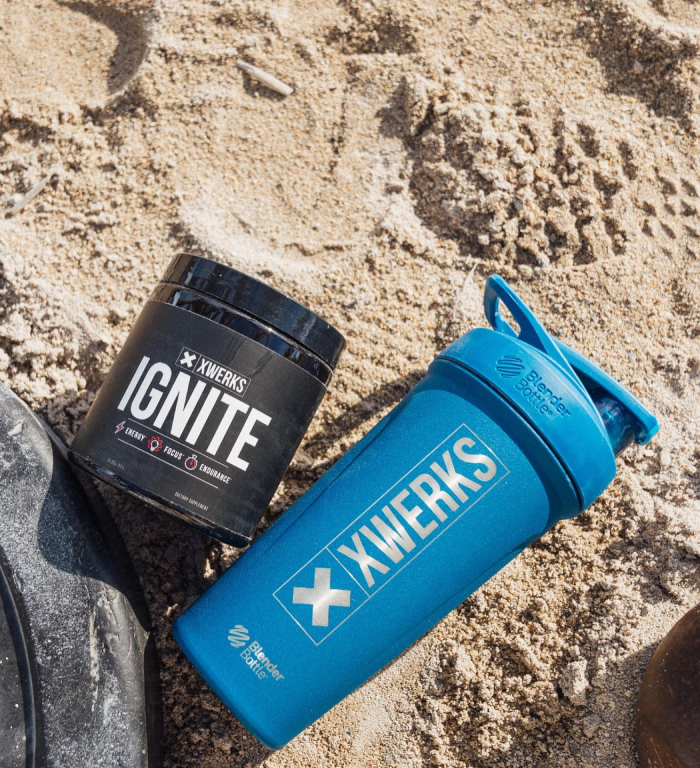
A moderate pre-workout like XWERKS Ignite (150mg caffeine) helps you train through jet lag and time-zone fatigue. Powder, so it follows the same easy rules. (Check destination stimulant rules for international trips.)
Daily capsules — in an organizer
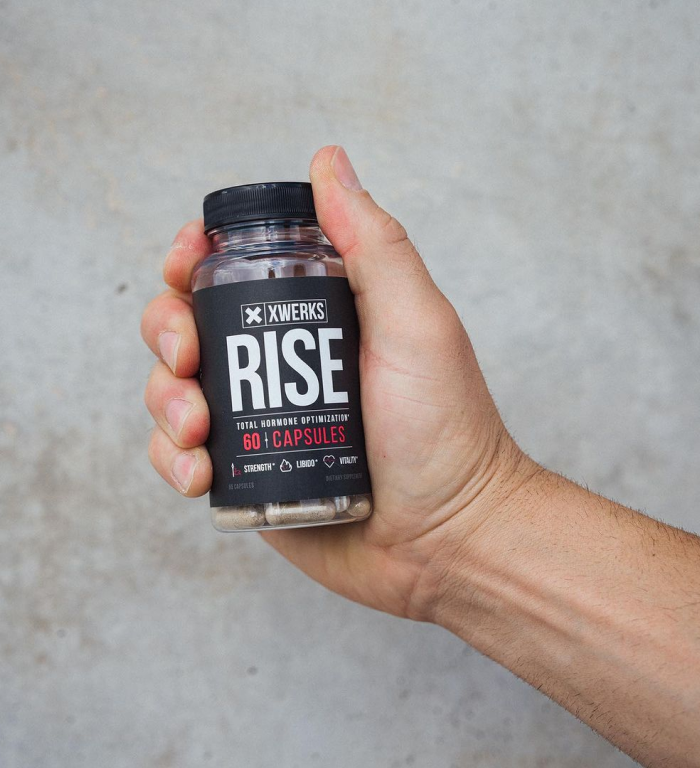
Whatever your daily stack is — Ashwa, Rise, fish oil, vitamin D — a labeled pill organizer keeps it compact and TSA-friendly. Keep a day's worth in your carry-on.
Practical travel tips
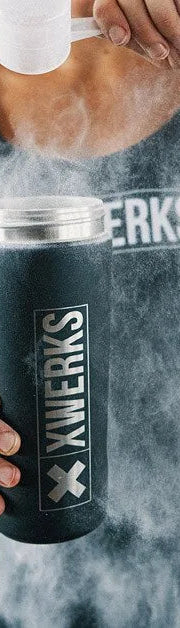
Bring a shaker bottle. Empty through security, then fill after. It's the one piece of gear that makes protein, creatine, and electrolytes usable anywhere — no blender, no fridge.
Pack a day's supply in your carry-on. Insurance against delayed or lost checked bags.
Label everything. Loose powder and unlabeled pills invite questions. Clear labels speed up any secondary screening and matter even more at international customs.
Hydrate aggressively on travel days. Flights are dehydrating; electrolytes help you arrive ready to train rather than wrecked.
When in doubt about a destination, check before you pack. Two minutes of research beats having something confiscated — or worse — at a foreign border.
The Bottom Line
Traveling with supplements in the US is simple. Pills, powders, and gummies are all allowed in carry-on and checked bags with no quantity limit. The only real checkpoint nuance is the 12 oz / 350mL carry-on powder threshold (possible extra screening, not a ban) and the 3-1-1 rule for actual liquids and gels.
Pack smart: pre-portion powders into single servings, use a labeled pill organizer for capsules, keep a day's supply in your carry-on, and bring a shaker bottle so everything's usable on the road.
The real watch-out is international travel — melatonin, CBD, certain stimulants, and high-dose vitamins are restricted in some countries even though they're legal in the US. Check your destination's rules and keep questionable items in labeled original packaging.
Prioritize protein and creatine. They're the two supplements most worth staying consistent with on a trip — and the easiest to pack.
Further Reading
Hot Weather Training & Supplementation
References
1. Transportation Security Administration. What Can I Bring? Vitamins, Powders, and Liquids guidance. tsa.gov (verify current rules before travel).
2. Kreider RB, et al. ISSN position stand: safety and efficacy of creatine supplementation. J Int Soc Sports Nutr. 2017;14:18.
3. Jäger R, et al. ISSN position stand: protein and exercise. J Int Soc Sports Nutr. 2017;14:20.