Before an evening workout, plan lunch, a possible afternoon snack and dinner as one sequence. Eat a familiar meal with carbohydrate and protein when you have several hours before training. As the workout gets closer, choose a smaller snack you tolerate well. If dinner would fall immediately before exercise, split it: a smaller portion beforehand and the rest afterward.
The tricky part of a 6 p.m. workout often begins at noon. Lunch is early, meetings run late, the commute eats up your snack window, and suddenly the choice seems to be training hungry or rushing a large dinner.
A workable evening plan gives each meal a job and keeps a backup snack available. The examples below are starting points to adjust for appetite, workout demands and digestion—not fixed calorie prescriptions.
Start with the gap between lunch and training
Look at when you last ate before deciding what to eat next. A substantial 3 p.m. meal and a light noon lunch create different situations for a 6 p.m. session.
If lunch is early and training is late, try placing a snack in the afternoon instead of waiting until you reach the gym. If you ate recently and feel comfortable, you may not need an additional snack simply because a workout is scheduled.
The Victorian Department of Health's sports-nutrition guidance describes a carbohydrate-rich meal three to four hours before exercise, with a smaller snack one to two hours beforehand as another option. It also notes that food close to exercise can cause discomfort, particularly when it is high in fat, protein or fiber. Treat timing as a starting point and practice with familiar foods.
An example schedule for a 6 p.m. workout
| Time | What to do | One food example |
|---|---|---|
| 12:30 p.m. | Eat a normal lunch that includes carbohydrate and protein. | A rice bowl with chicken or tofu and vegetables |
| 4–4:30 p.m. | If the lunch-to-workout gap leaves you hungry, have a planned snack. | Yogurt with a banana, or a small turkey sandwich |
| 6 p.m. | Train with water available; adapt fueling for longer sessions. | A separate fueling plan if the session calls for one |
| 7:30 p.m. | Eat dinner with protein, carbohydrate and other foods you enjoy. | Fish, potatoes and vegetables, or tofu with noodles |
| Later evening | Review hunger, comfort and sleep rather than adding another meal by default. | An additional snack only if it fits your needs |
Move the entire schedule if you train earlier or later. The useful feature is the planned bridge between lunch and dinner, not the exact clock times.
What if you only have 30, 60 or 120 minutes?
Use a smaller, simpler option as the available time shrinks. Do not try to make up an entire missed day of eating with one hurried pre-workout meal.
| Time available | An option to try | How to adapt it |
|---|---|---|
| About 120 minutes | A small sandwich with fruit, or a modest bowl of rice and lean protein | Choose a portion that leaves you comfortable, not stuffed. |
| About 60 minutes | Toast and a banana, or a small yogurt with fruit if tolerated | Keep the portion manageable; test dairy tolerance before relying on it. |
| About 30 minutes | A banana, applesauce pouch or a few plain crackers | Use a small amount of familiar food rather than forcing a full meal. |
These are choices, not a sequence of three snacks to eat before the same workout. For more carbohydrate options, see our guide to carbs before a workout.
Should you eat dinner before or after an evening workout?
Either can work; available time and comfort determine the more practical choice. If an early dinner leaves plenty of digestion time, make that your pre-workout meal. If dinner would be rushed immediately before training, use a snack or split the meal.
For example, if family dinner is at 5:30 p.m. and your session starts at 6:30 p.m., set aside part of your portion. Eat a smaller amount before training and finish the meal afterward. A bowl that can be divided easily—rice or potatoes with a protein source—makes this simpler than preparing two different dinners.
Splitting dinner means redistributing a meal you already planned. It does not require a full dinner, a full pre-workout meal and a full recovery meal in the same evening.
Where does a protein shake fit?
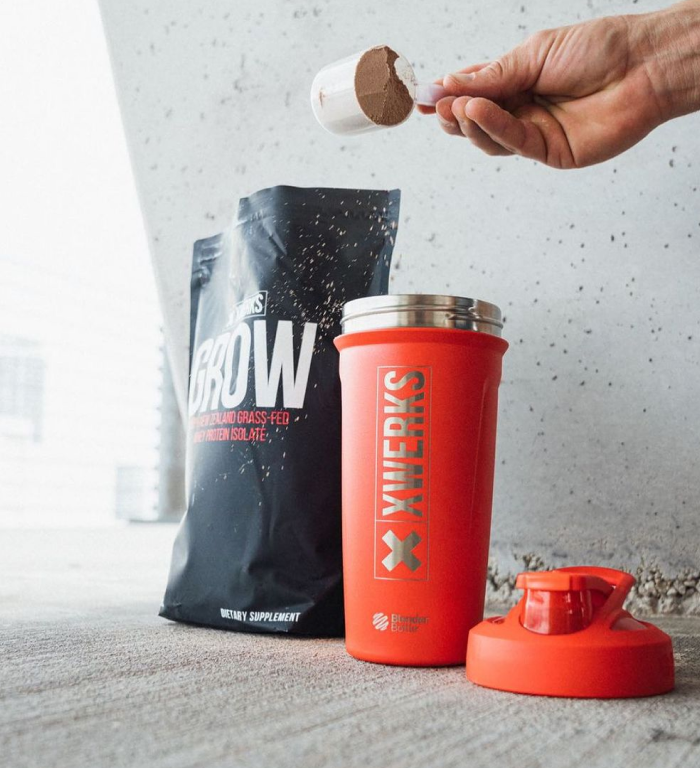
A protein shake can supply the protein part of a snack, while food supplies the rest. If you use XWERKS Grow whey protein isolate, pair it with a carbohydrate food such as a banana or toast when that fits your pre-workout plan. A shake mixed with water should not automatically be treated as a complete meal.
Protein timing also needs context. The International Society of Sports Nutrition's nutrient-timing position stand emphasizes adequate daily protein and distributing protein intake across the day. That makes lunch, dinner and your overall routine relevant alongside a shake's timing.
If dinner will be ready soon after training, it can provide the protein in that part of your day. If dinner is delayed, a convenient protein option may help fill the gap. Read more about whey protein before or after a workout.
Protect the sleep that follows the workout
Consider caffeine separately from food. An afternoon coffee and a caffeinated pre-workout can both affect the evening ahead. Food planning does not require a stimulant.
In a randomized study published in 2013, a 400 mg caffeine dose disrupted sleep even when taken six hours before bedtime. That relatively large dose does not predict every person's response to a smaller amount, but it shows why “I took it before training” is not the same as “it will be gone by bedtime.”
If you struggle to sleep after evening sessions, try a caffeine-free routine and keep a simple record of caffeine timing, training time and sleep. Persistent sleep problems deserve attention beyond changing a single snack.
Build a backup plan for the days that run late
Keep one familiar, portable option where your schedule usually breaks down: your work bag, desk or kitchen. Fruit, crackers or an applesauce pouch are easy examples; refrigerated foods need appropriate storage.
After a few ordinary sessions, note three things: whether you felt hungry at the start, whether your stomach felt comfortable, and whether dinner and bedtime worked afterward. Change one part of the plan at a time. This gives you a more useful routine than repeatedly replacing every food on the menu.
Frequently asked questions
Is it okay to work out after dinner?
Yes, if the timing and meal size are comfortable for you. An early dinner may work well; a large meal immediately before exercise may be less comfortable. Test a smaller portion or a longer gap if needed.
Do I need a snack before every evening workout?
No. Consider your last meal, hunger and the session ahead. A snack is a practical option for a long gap between lunch and training, not an automatic extra meal.
What if I am trying to lose weight?
Fit workout food into your overall eating plan. Moving some of dinner earlier can be more practical than automatically adding multiple snacks. A dietitian can help balance training needs with a sustainable weight-management goal.

Make the protein part convenient
Explore Grow whey protein isolate, then pair it with foods that fit your evening schedule.
View XWERKS Grow