







The History of Protein Powder: From Cheese Waste to the Most Popular Supplement on Earth
The protein powder you mix into your morning shake has a surprisingly long history — starting with malnourished patients in the 1930s, passing through the gritty bodybuilding culture of the 1950s, and arriving at the cold-processed, grass-fed whey isolates of today. Each era solved a different problem, and the evolution tells you a lot about what to look for in a modern product.
The 1930s-1940s: Medical origins
Protein supplementation didn't start in a gym. It started in a hospital. In the 1930s, British physician Robert Robinson developed one of the earliest protein powder formulations to help malnourished patients who couldn't consume adequate protein through whole food. The concept was simple: concentrate the nutritional value of protein-rich foods into a form that sick, weakened patients could consume easily.
Around the same time, scientists were beginning to isolate and characterize individual milk proteins. In the late 1930s, researchers successfully isolated beta-lactoglobulin and alpha-lactalbumin — the two major whey proteins — setting the scientific foundation for everything that would follow. At this point, whey was still a waste product of the dairy industry. When cheese was made, the liquid left behind (whey) was typically dumped. Nobody understood its value yet.
The 1950s-1960s: Enter the bodybuilders
The story of commercial protein powder begins with two men who dominated the fitness media of the mid-20th century: Bob Hoffman and Joe Weider.
Hoffman, founder of York Barbell Company and publisher of Strength & Health magazine, was encouraged by health food pioneer Paul Bragg to enter the nutrition business. His first product, advertised in the early 1950s as "Johnson's Hi-Protein Food," was marketed through his magazines directly to weightlifters. Joe Weider followed in 1952 with his "Hi-Protein Muscle Building Supplement," which he advertised with claims of medical endorsement.
These early protein powders were terrible by modern standards. They were made from dried egg whites, desiccated liver, soy flour, or dried milk protein — gritty, chalky, foul-tasting concoctions that required serious dedication to choke down. The flavoring technology didn't exist to mask the taste, and the protein quality was inconsistent. But they represented something new: the idea that concentrated protein, consumed in addition to regular meals, could help build muscle and support athletic performance.
The marketing was ahead of the science. Most claims were unsubstantiated, and the rivalry between Hoffman and Weider over supplement market share became legendary in fitness history — complete with competing magazine empires and overlapping athlete endorsements.
The 1970s-1980s: The golden era and the rise of whey
The 1970s bodybuilding boom — driven by Arnold Schwarzenegger, Franco Columbu, and the Venice Beach Gold's Gym culture — created massive demand for protein supplements. Training was getting more sophisticated, and athletes wanted nutrition to match. Egg protein and soy protein dominated the market, with casein (the other major milk protein) gaining ground.
The real breakthrough came when the dairy industry realized that whey — the liquid byproduct they'd been discarding for centuries — was actually a goldmine of protein. Whey had a higher biological value than any other protein source, a complete amino acid profile, and rapid absorption characteristics that made it ideal for post-workout recovery.
The problem was purification. Early whey protein products were whey concentrates with significant amounts of lactose, fat, and impurities. They were better than the egg-and-liver powders of the 1950s, but still caused digestive issues for many users and had protein concentrations of only 30-70%.
The 1990s: Filtration technology changes everything
The 1990s were the decade that protein powder went from a niche bodybuilding product to a mainstream supplement, and the key driver was filtration technology.
Cross-flow micro-filtration — a physical filtration process using ceramic membrane filters — made it possible to separate whey protein from lactose, fat, and other impurities at low temperatures without chemical reagents. The result was whey protein isolate (WPI): 90-95% protein by weight, virtually lactose-free, with the bioactive protein fractions (immunoglobulins, lactoferrin, glycomacropeptides) preserved in their native form.
This was a quantum leap. For the first time, you could get a protein supplement that was pure enough for lactose-intolerant users, clean enough to contain minimal additives, concentrated enough to deliver 25g of protein in a single scoop, and processed gently enough to retain the immune-supporting bioactive fractions that make whey more than just amino acids.
Ion exchange was the competing filtration method — it produced high-purity isolate but used chemical reagents (hydrochloric acid and sodium hydroxide) that denatured the bioactive protein fractions. This is why the processing method matters, and why cold-processed micro-filtration remains the gold standard today.
Flavoring and sweetening technology also advanced dramatically in the 1990s. Protein powders went from barely tolerable to genuinely enjoyable — chocolate, vanilla, and strawberry flavors that people actually looked forward to drinking. This was as important for mass adoption as the purification advances.
The 2000s-2010s: Mainstreaming and diversification
Protein powder crossed over from the bodybuilding subculture into mainstream health and wellness in the 2000s. The science caught up with the marketing: large-scale meta-analyses confirmed that protein supplementation enhanced resistance training outcomes, and sports nutrition organizations (ISSN, ACSM) formally recognized protein as an evidence-based performance supplement.
The consumer base expanded far beyond bodybuilders. Weekend athletes, older adults concerned about sarcopenia, weight-loss dieters using protein for satiety, vegans and vegetarians seeking convenient plant-based protein, and busy professionals simply trying to hit their protein target all became regular protein powder users.
Plant-based proteins surged in popularity — pea protein, rice protein, hemp, soy isolate — driven by the growing vegan and plant-based movements. While none matched whey's amino acid profile or leucine content, blending multiple plant sources could approximate a complete protein. The beef protein powder category also emerged, largely driven by the paleo diet trend.
Protein was integrated into everyday foods: bars, pancake mixes, cookies, cereals, yogurts, ready-to-drink shakes. The supplement aisle merged with the grocery aisle. Protein became a macronutrient that normal people thought about, not just athletes.
The 2020s: Clean label, sourcing transparency, and the science era
The current era is defined by three trends: clean labeling, sourcing transparency, and evidence-based formulation.
Clean label. Consumers now scrutinize ingredient lists. Products with artificial sweeteners, thickening gums (xanthan, guar, carrageenan), artificial flavors, and fillers face pushback. The demand is for minimal ingredients — the fewer, the better. The most premium products contain whey protein isolate, natural flavoring, a natural sweetener (stevia or monk fruit), and a natural emulsifier (sunflower lecithin). That's it.
Sourcing transparency. Where the protein comes from matters as much as how it's processed. Grass-fed, pasture-raised sourcing from countries with strict dairy regulations (New Zealand, Ireland, Australia) commands a premium because it avoids the hormones, antibiotics, and pesticide residues present in conventional dairy operations. Third-party testing for heavy metals, contaminants, and label accuracy has become an expectation rather than a differentiator.
Evidence-based formulation. The proprietary blend era is dying. Educated consumers demand to see every ingredient and its exact dose on the label. They read PubMed citations. They understand the difference between isolate and hydrolyzed. They know what micro-filtration preserves and what ion exchange destroys. The science literacy of the average supplement consumer has never been higher.
Where XWERKS Grow fits in this history
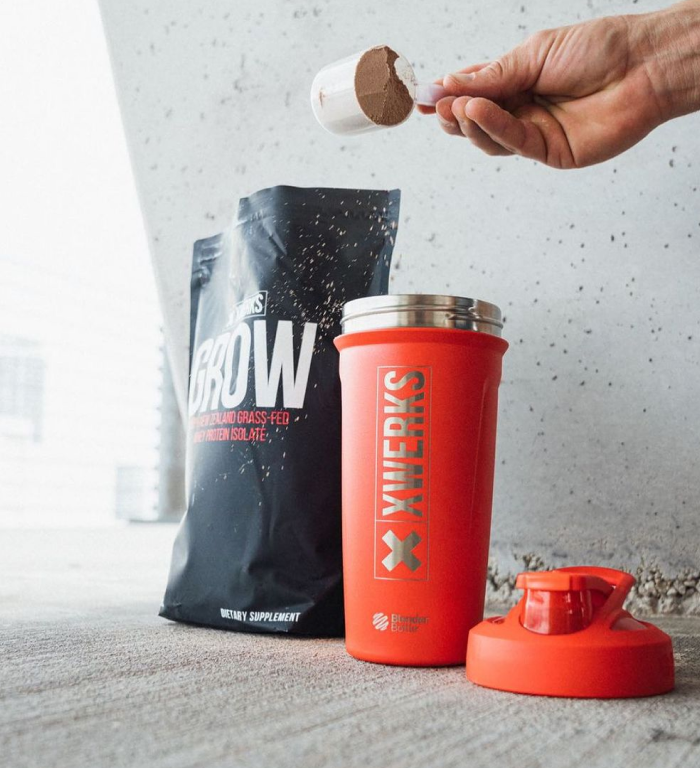
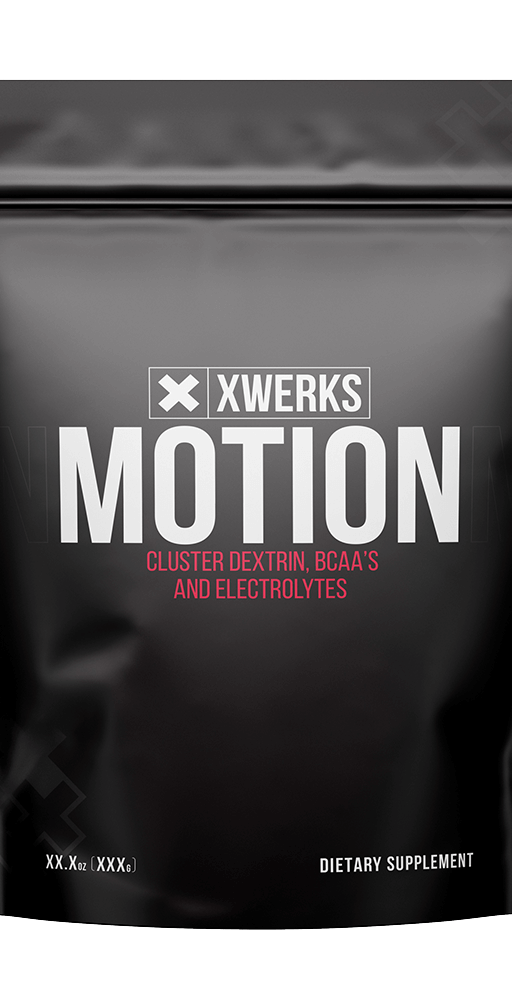
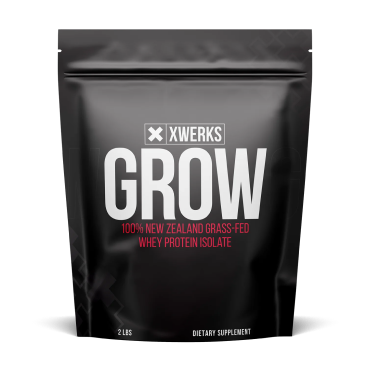
XWERKS Grow is the product that every era of protein powder evolution was building toward. It represents the convergence of every improvement the industry has made over 70+ years:
Source: 100% grass-fed whey from New Zealand — one of the strictest dairy regulatory environments in the world. No hormones, no antibiotics, no pesticides.
Processing: Cold micro-filtered, non-ion-exchange. This preserves the bioactive protein fractions (immunoglobulins, lactoferrin, GMP, lactoperoxidase) that support immune function and gut health — the fractions that cheaper processing methods destroy.
Purity: 90%+ protein by weight, less than 0.5g lactose per serving, virtually zero fat and carbohydrate. 25g protein and over 6g BCAAs per scoop.
Label: Whey protein isolate, natural flavoring, stevia, sunflower lecithin. Four ingredients. No artificial sweeteners, no gums, no fillers, no artificial colors. The cleanest possible formulation.
Bob Hoffman's gritty, liver-flavored protein powder from the 1950s and a scoop of Grow are both "protein powder." But the distance between them — in purity, bioavailability, taste, sourcing, and scientific understanding — is roughly 70 years of relentless improvement.
The Evolution in One Paragraph
Protein powder started as a medical nutritional tool in the 1930s, was adopted by bodybuilders in the 1950s with crude egg-and-liver formulations, revolutionized in the 1990s by micro-filtration technology that produced whey protein isolate, mainstreamed in the 2000s as sports nutrition science validated its effectiveness, and arrived in the 2020s as a clean-label, transparently-sourced, evidence-based product that over 30% of American adults now use regularly. The molecule hasn't changed — amino acids are amino acids. But our ability to deliver them cleanly, purely, and effectively has transformed completely.
70 Years of Improvement. Four Ingredients.
XWERKS Grow — 100% New Zealand grass-fed whey protein isolate. Cold micro-filtered. Naturally sweetened. 25g protein per scoop. The product that every generation of protein powder was building toward.
SHOP GROW →Further Reading
Whey Protein Isolate Benefits — What makes isolate the preferred form of whey protein.
Whey Protein: What It's Made Of — The amino acid and micro-fraction profile explained.
Whey Isolate vs. Hydrolyzed — Why "pre-digested" whey isn't worth the premium.
Whey Protein for Sensitive Stomachs — How modern micro-filtration solved the lactose problem.
What Is Clear Protein Powder? — The latest format innovation and how it compares to traditional isolate.
Protein Powder Myths Debunked — 8 persistent myths corrected with research.
References
1. Smithers GW. Whey and whey proteins — from "gutter-to-gold." Int Dairy J. 2008;18(7):695-704.
2. Jäger R, et al. International Society of Sports Nutrition position stand: protein and exercise. JISSN. 2017;14:20.
3. Morton RW, et al. A systematic review, meta-analysis and meta-regression of the effect of protein supplementation on resistance training-induced gains. Br J Sports Med. 2018;52:376-384.
4. Hoffman JR, Falvo MJ. Protein — which is best? J Sports Sci Med. 2004;3(3):118-130.
5. Marshall K. Therapeutic applications of whey protein. Altern Med Rev. 2004;9(2):136-156.