

TL;DR
- What a 25-year-old man needs is different from what a 55-year-old man needs. Generic "supplements for men" lists miss this — the right stack changes with age, activity level, and specific goals.
- Foundation nutrients every man should consider: vitamin D3, omega-3s, magnesium, creatine, whey protein. Research-backed, broadly safe, address common gaps.
- For men 40+: add ashwagandha (stress/sleep), consider Tongkat Ali (natural T-support), boron (free T support), prioritize protein at 2.0-2.2g/kg to counter anabolic resistance.
- For men 50+: bone, joint, and cognitive support becomes critical — add K2 with D3, collagen peptides, CoQ10 (especially if on statins), curcumin, B12 methylcobalamin.
- Situational supplements worth knowing: berberine (metabolic health), L-carnitine (fat oxidation, fertility), saw palmetto (prostate), tart cherry (recovery/sleep), lion's mane (cognitive), rhodiola (stress).
- What to skip at every age: most "alpha male" marketing stacks, proprietary blends, mass gainers, SARMs.
Most "supplements for men" guides treat all men the same — lumping a 25-year-old lifter in with a 55-year-old executive dealing with declining recovery and slower mornings. The reality is that supplement priorities shift meaningfully across decades of life. A guy in his 20s and 30s mostly needs the foundations right: hitting protein, creatine for training, fixing common deficiencies (vitamin D, omega-3s, magnesium). A man in his 40s starts running into anabolic resistance, early testosterone decline, stress-related recovery problems, and sleep quality issues — which shifts the priority toward protein distribution, ashwagandha, and potentially natural T-support. Men 50+ add bone density, joint health, and cognitive support to the mix. This guide covers the evidence-backed supplements for men structured by age and goal, so you can build a stack that actually matches where you are in life — not a generic list that assumes everyone needs the same thing.
The Foundations — Every Man, Every Age
Start here before adding anything fancier. These address the most common nutritional gaps in adult men and have the strongest research support across age ranges.
Vitamin D3
2,000-4,000 IU daily · test blood levels annuallyWhy men need it: Roughly 40% of American adults are vitamin D insufficient or deficient. Deficiency affects muscle function, bone density, immune function, mood, and testosterone production. For men specifically, adequate vitamin D supports testosterone levels — men with low D often have low T; correcting deficiency restores T to normal range.
Testing matters: Target blood 25(OH)D of 40-60 ng/mL. Annual test is cheap and tells you whether supplementation is working. Take with a fat-containing meal for absorption.
Quality brands: Nordic Naturals, NOW Foods, Thorne, Pure Encapsulations. D3 (cholecalciferol) is more effective than D2.
Omega-3 (EPA + DHA)
2-3g combined EPA+DHA dailyWhy men need it: Most men get far less omega-3 than optimal unless they eat fatty fish 3+ times per week. Benefits span cardiovascular health (genuinely important for men given higher heart disease risk), recovery from exercise, inflammation management, cognitive function, and mood support.
Sources: Fish oil (most cost-effective), krill oil (slightly better bioavailability at higher cost), algae-based omega-3 (for vegan/vegetarian men). Look for products with 500mg+ EPA + DHA per soft gel — otherwise you're taking 6-8 capsules daily.
Quality brands: Nordic Naturals, Carlson Labs, Thorne, Wiley's Finest, Kirkland Signature (Costco's is legitimately high-quality at low cost).
Magnesium
200-400mg daily · glycinate form preferredWhy men need it: Magnesium is involved in 300+ enzymatic processes including muscle function, energy production, and sleep quality. Most men get below the RDA from diet alone. Athletes lose magnesium through sweat, compounding the gap.
Form matters: Glycinate (well-absorbed, calming, best for sleep) — take in the evening. Threonate (cognitive benefits, pricier). Citrate works decently. Skip magnesium oxide (poorly absorbed).
Quality brands: Pure Encapsulations, Thorne, Natural Vitality (Calm), Life Extension, Doctor's Best.
Creatine Monohydrate
5g daily · any consistent time of dayWhy men need it: The most-researched sports supplement in history. Benefits include strength and power improvements, muscle mass support, repeated sprint capacity, cognitive function, and — particularly relevant for older men — muscle preservation and bone density support alongside resistance training.
Form to use: Creatine monohydrate. Skip creatine HCl, buffered creatine, creatine nitrate, ethyl ester — these are marketing-driven alternatives without research advantage.
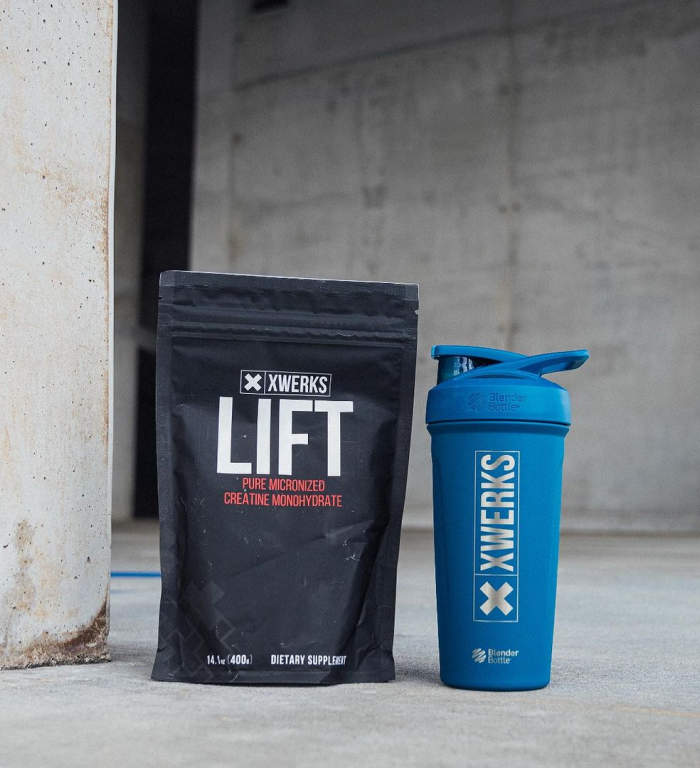
Quality options: Any Creapure-certified monohydrate (German-made, widely used in research), XWERKS Lift, Optimum Nutrition Creatine, BulkSupplements, NOW Foods.
Whey Protein (or Adequate Total Protein)
1.6-2.2g per kg body weight daily · higher for older menWhy men need it: Most men underconsume protein relative to muscle maintenance and growth needs. Whey isolate specifically offers the highest leucine content of any protein source (~10-12%), supporting muscle protein synthesis efficiently. Target 25-40g per meal across 4-5 meals. For a deeper dive, see our complete guide to whey protein isolate.
Age adjustments: Men under 40: 1.6-1.8g/kg. Men 40+: 1.8-2.2g/kg due to anabolic resistance. Older men need larger per-meal doses (30-40g vs 20-25g) to cross the leucine threshold.
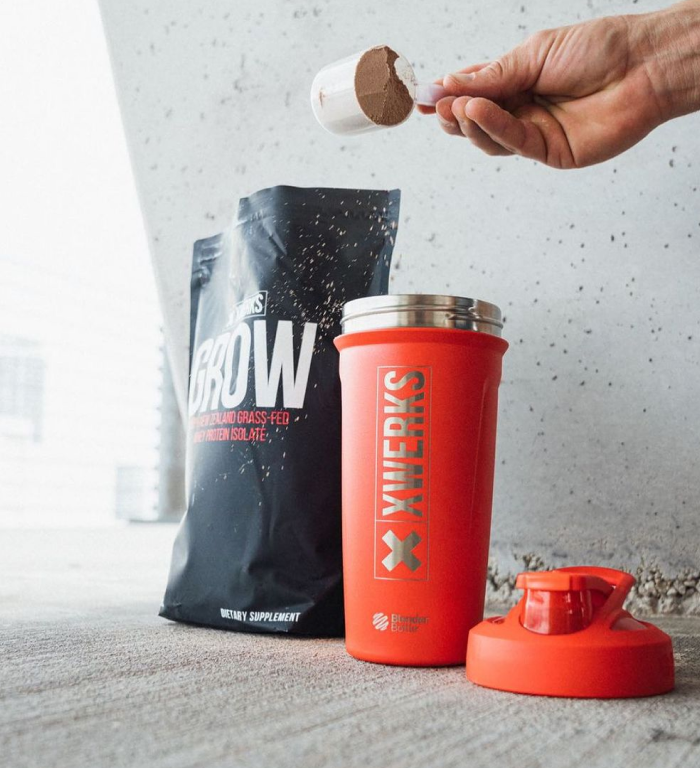
Quality options: XWERKS Grow, Optimum Nutrition Gold Standard, Dymatize ISO100, Legion Whey+, Klean Athlete. Third-party tested (NSF Certified for Sport, Informed Sport) for competitive athletes.
Calculate your target: XWERKS Protein Calculator →
Men in Their 20s and 30s
Focus: foundations + training performance. Testosterone is still at peak levels for most men in this range, recovery is fast, and the biggest gains come from nailing the basics consistently rather than chasing exotic supplements. If you're in this range, spending money on "men's health" stacks aimed at 50-year-olds is wasted.
Priority stack
• The 5 foundations above: vitamin D3, omega-3, magnesium, creatine, whey protein
• Pre-workout when training hard: caffeine + citrulline + beta-alanine combinations. Moderate doses (150-200mg caffeine) beat mega-stim formulas.
• Beta-alanine (loaded): 3-6g daily over 4-6 weeks for improved training volume in lifting, HIIT, and team sports
What's NOT needed at this age
• Testosterone-supporting supplements (your T is probably fine; get tested if concerned)
• "Men's health" multivitamin stacks — most are overpriced versions of generic multivitamins
• Anti-aging stacks (NMN, resveratrol, etc.) — weak evidence, not cost-effective at this age
• Joint support supplements — usually premature unless sport-specific wear
Men in Their 40s
This decade is where the shifts start. Testosterone begins declining ~1% per year starting around 30 but becomes noticeable for most men in the 40s. Sleep quality degrades. Recovery slows. Stress tolerance decreases. Anabolic resistance makes the same protein intake produce smaller muscle protein synthesis responses than it did at 25. This is also the decade where many men notice body composition changes even with consistent training.
Add to foundations
• Ashwagandha (Withania somnifera): 300-600mg KSM-66 or standardized root extract daily. Research supports stress reduction, sleep quality, and in stressed men, modest testosterone support (Lopresti 2019). Particularly valuable for high-stress professionals. XWERKS Ashwa uses 1,500mg Withania somnifera root from 30:1 extract. Other options: Jarrow, Himalaya, Thorne.
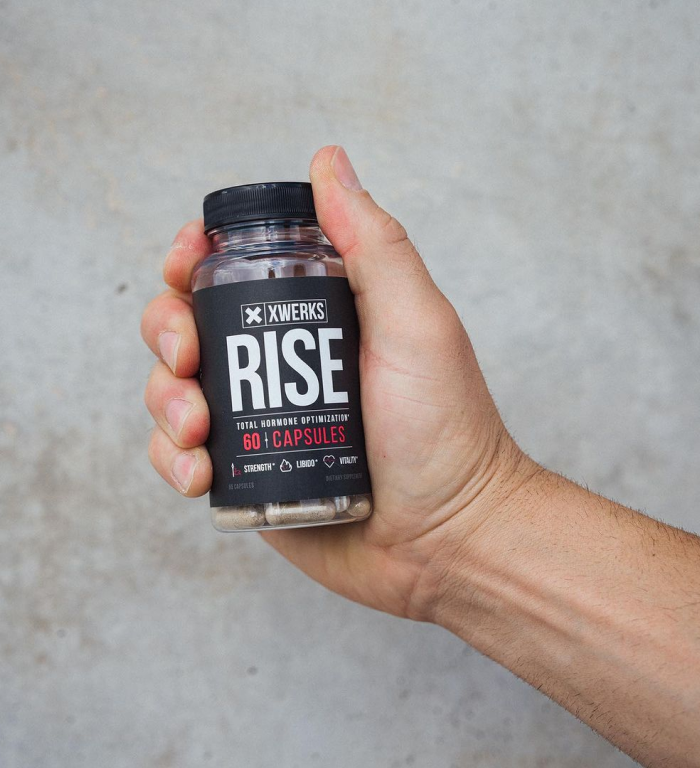
• Tongkat Ali (Eurycoma longifolia): 200-400mg standardized extract daily. Emerging evidence supports natural testosterone support in men with declining T (Henkel 2014, Leitão 2021). Not a miracle, but may help maintain T in upper quartile of normal range. XWERKS Rise includes 400mg Tongkat Ali plus zinc, boron, and shilajit. Standalone options: Nature's Way, PrimaVie, SKALI.
• Increased protein target: 1.8-2.2g/kg body weight daily with 30-40g per meal. This is the single most important adjustment for men 40+ — anabolic resistance means larger per-meal doses to maintain muscle. See Protein Powder for Bodybuilders Over 40.
• Zinc (15-25mg): Most men get adequate zinc from diet, but mild deficiency affects testosterone. Supplementing to adequate range (not mega-dosing) supports T in deficient men.
Sleep becomes non-negotiable
Men 40+ often notice sleep quality degrading — lighter sleep, more nighttime awakenings, earlier wake times. Since sleep drives testosterone production and recovery, sleep optimization matters as much as any supplement at this age.
Magnesium glycinate (200-400mg evening), limiting late-day caffeine, and evening sleep routines may matter more than adding more supplements to the stack.
Men 50+
This is where the calculus shifts most dramatically. Muscle loss (sarcopenia) accelerates from about 1% per year in your 50s to 2%+ per year by your 70s. Bone density decline becomes meaningful. Joint issues emerge. Cognitive changes may appear. Cardiovascular risk compounds. The supplement stack should reflect these realities — some that were optional at 30 become essential.
Add to everything above
• Vitamin K2 (MK-7): 100-200mcg daily, taken with D3. K2 directs calcium to bones rather than arteries — increasingly important as cardiovascular risk rises. Quality options: Life Extension Super K, Thorne Vitamin K, Nordic Naturals Vitamin K2, Doctor's Best Natural Vitamin K2 MK-7.
• Collagen peptides: 15-20g daily, especially combined with vitamin C 30-60 minutes before exercise. Emerging evidence (Shaw 2017, Zdzieblik 2015) supports tendon and joint adaptation. Hydrolyzed collagen is well-absorbed. Quality brands: Vital Proteins, NOW Foods, Great Lakes, Sports Research, Ancient Nutrition.
• Higher-quality omega-3s: Cardiovascular and cognitive benefits become more valuable. Consider prescription-grade omega-3 (Lovaza) if your physician recommends, or high-potency options like Nordic Naturals ProOmega 2000, Carlson Maximum Omega, or Wiley's Finest Peak EPA.
• Creatine becomes particularly valuable: Chilibeck 2017 meta-analysis specifically examined older adults — creatine + resistance training produces significantly greater lean mass and strength gains than training alone. Also cognitive benefits matter more at this age.
• CoQ10 (100-200mg): Mitochondrial function and cardiovascular support. Statin users specifically benefit — statins deplete CoQ10. Ubiquinol (active form) is better absorbed than ubiquinone, especially in older adults. Quality brands: Doctor's Best, Jarrow Formulas Ubiquinol, Qunol, Life Extension Super Ubiquinol CoQ10.
• Curcumin (bioavailability-enhanced): 500-1,000mg of Meriva, BCM-95, or Longvida standardized extract daily. Research supports anti-inflammatory effects and joint comfort in older adults. Regular turmeric powder is poorly absorbed — the enhanced forms matter. Quality brands: Thorne Meriva SF, Life Extension Super Bio-Curcumin, Pure Encapsulations Curcumin 500.
• Vitamin B12 (methylcobalamin): 500-1,000mcg daily for men 50+. B12 absorption decreases with age (due to reduced stomach acid), and deficiency causes fatigue, cognitive symptoms, and neurological issues. Quality brands: Jarrow Methyl B-12, Thorne, Pure Encapsulations.
• Fiber supplementation: Most men under-consume fiber (target 30-40g daily). Psyllium husk (Metamucil, NOW Psyllium Husk), partially hydrolyzed guar gum (Sunfiber), or acacia fiber. Supports gut health, cholesterol management, blood sugar regulation, and satiety.
Resistance training becomes medicine
No supplement substitutes for the effects of consistent resistance training on bone density, muscle preservation, and metabolic health in men 50+. If you're trying to pick between investing in supplements vs. investing in a quality training program, the training wins every time. Supplements support training; they don't replace it.
Medical context matters more at this age
Annual physicals with blood work (testosterone, thyroid, PSA, lipids, vitamin D, B12, iron panel) become essential. Many "age-related" problems men attribute to being older are actually addressable medical issues — low testosterone, thyroid dysfunction, diabetes precursors, untreated sleep apnea. Supplements won't fix these; testing and medical management can.
Specific Concerns Addressed
If you're concerned about testosterone
Start with blood testing before supplementing. Total testosterone, free testosterone, SHBG, and estradiol give you a real picture. Most men concerned about T have either (a) normal levels that they perceive as low due to fatigue from other causes (sleep, stress, overtraining), or (b) genuinely low T that warrants medical evaluation rather than OTC supplements.
If testing shows low-normal T (for example, below 400 ng/dL total), these have some research support:
- Vitamin D (if deficient) — most reliable effect
- Zinc (if deficient) — reliable in deficient men
- Ashwagandha — some evidence, particularly in stressed men
- Tongkat Ali — emerging evidence for men with declining T
- Boron — modest evidence for free T support
- Sleep optimization: often produces larger T improvements than any supplement
- Weight loss if obese: body fat produces aromatase that converts T to estrogen; losing weight often substantially improves T
If you're concerned about heart health
Cardiovascular disease remains the leading cause of death for men. The most evidence-supported interventions: omega-3s (EPA+DHA, 2-3g daily), adequate fiber, maintaining healthy body composition, not smoking, appropriate blood pressure and lipid management. "Heart health" supplement stacks with 20+ ingredients rarely outperform these basics.
CoQ10 (if on a statin), magnesium, and vitamin K2 (with D3) have reasonable evidence for cardiovascular support. Fish oil quality matters — look for products with third-party testing for oxidation and heavy metals.
If you're concerned about cognitive function
Most "brain-boosting" supplement marketing overstates the evidence, but several interventions have legitimate research support:
- Omega-3s (DHA specifically): Supports brain function across ages
- Creatine: Emerging evidence for cognitive benefits, particularly under stress or fatigue (Avgerinos 2018)
- Adequate sleep, exercise, and social connection: Larger effects than any supplement
- Coffee/caffeine: Real short-term cognitive benefits in moderate doses
Avoid: "nootropic stacks" with racetams (regulated differently by country), proprietary blends making dramatic cognitive claims, and anything marketed as a "smart drug" without prescription.
If you're concerned about joint health
Joint issues in men 40+ are often training-history dependent (contact sports, heavy lifting, running) rather than purely age-related. Evidence-supported supplements:
- Collagen peptides + vitamin C taken pre-training: emerging evidence for tendon adaptation
- Omega-3s: anti-inflammatory effects support joint comfort
- Curcumin (bioavailability-enhanced forms like Meriva, BCM-95): anti-inflammatory support
- Glucosamine + chondroitin: Research is mixed but some users report benefits for osteoarthritis symptoms. Effect sizes are generally modest.
Modifying training (appropriate volume, technique, recovery) matters more than any supplement for joint preservation.
Situational Supplements Worth Knowing About
These aren't daily essentials for most men, but they address specific concerns with legitimate research support. Covered here because they come up frequently and have reasonable evidence — even though none are XWERKS products.
Berberine (for metabolic health)
500mg 2-3× daily with mealsWhat it does: Berberine activates AMPK (a cellular energy-sensing pathway) and has research support for improving blood glucose regulation, insulin sensitivity, and lipid profiles. Some research shows efficacy comparable to metformin in non-diabetic adults with metabolic syndrome risk factors.
When it's worth considering: Men 40+ with borderline glucose, higher body fat, family history of type 2 diabetes, or metabolic syndrome concerns. Not a weight loss supplement despite marketing — a metabolic health supplement.
Quality brands: Thorne Berberine, Pure Encapsulations Berberine, Integrative Therapeutics Berberine. Look for 500mg per capsule.
Medical note: Can interact with diabetes medications and blood thinners. Discuss with your physician if you're on prescription medications.
L-Carnitine (for fat metabolism and fertility)
1-3g daily · L-carnitine L-tartrate or acetyl-L-carnitineWhat it does: Supports fat oxidation by transporting fatty acids into mitochondria. Research shows moderate benefits for exercise recovery, some evidence for cognitive support (acetyl-L-carnitine specifically crosses the blood-brain barrier), and meaningful evidence for male fertility and sperm quality.
When it's worth considering: Men dealing with fertility issues (where the evidence is strongest), endurance athletes, men 50+ for cognitive/energy support.
Forms: L-carnitine L-tartrate (general use, sports), acetyl-L-carnitine (cognitive focus), propionyl-L-carnitine (circulation/heart health).
Quality brands: Jarrow Formulas, NOW Foods, Life Extension, Doctor's Best.
Saw Palmetto (for prostate health)
320mg daily of standardized extractWhat it does: Most-studied supplement for benign prostatic hyperplasia (BPH) symptoms. Research is mixed — some studies show modest improvements in urinary symptoms, others show no significant effect beyond placebo. The most rigorous trials (STEP study, Bent 2006) showed minimal benefit over placebo.
Honest assessment: If you have BPH symptoms (frequent urination, weak stream, nocturia), see a urologist first. Medical treatments (alpha blockers, 5-alpha reductase inhibitors) have stronger evidence. Saw palmetto is a reasonable adjunct or first-line trial for mild symptoms but shouldn't replace medical evaluation.
Quality brands: Life Extension, NOW Foods, Swanson, Pure Encapsulations. Look for standardized extracts (85-95% fatty acids and sterols).
Boron (for testosterone and bone health)
3-10mg dailyWhat it does: Trace mineral with interesting research for men — some studies (Naghii 2011) show elevated free testosterone and reduced estradiol within a week at 10mg daily. Also supports bone health and may reduce inflammation markers. Effect sizes are modest but consistent in the research.
When it's worth considering: Men 40+ interested in testosterone support as part of a broader approach, men with lower dietary boron intake. Dose doesn't need to be high — 3-10mg is effective.
Quality brands: NOW Foods Boron, Solgar Boron Citrate, Life Extension Boron. Or obtain through a quality men's multivitamin that contains adequate boron.
Probiotics (for gut health)
10-50 billion CFU daily · strain-specific productsWhat it does: Gut microbiome support for immune function, digestive health, and potentially mood. Strain-specific effects matter — not all probiotics are equivalent. Research supports specific strains for specific outcomes (e.g., Lactobacillus plantarum for athletes, Bifidobacterium lactis for immune function).
When it's worth considering: After antibiotic courses, during travel, for men with chronic digestive issues, or for immune support during high-stress periods. Most men with healthy digestive systems and varied diets don't need daily probiotic supplementation.
Quality brands: Garden of Life Dr. Formulated, Seed Daily Synbiotic, VSL#3 (medical-grade), Klaire Labs Ther-Biotic, Renew Life Ultimate Flora.
Glucosamine + Chondroitin (for joint health)
1,500mg glucosamine + 1,200mg chondroitin dailyWhat it does: Long-marketed for joint health. Research is genuinely mixed — the large GAIT trial found no significant benefit for most osteoarthritis patients, but subgroup analyses showed benefit for moderate-to-severe knee OA. Some individuals report meaningful symptom improvements; others notice nothing.
Honest assessment: If you're going to try it, use it for 8-12 weeks to evaluate. If no benefit by then, discontinue. Don't rely on it as primary joint health strategy — training modifications, weight management, and physical therapy matter more.
Quality brands: Doctor's Best Glucosamine Chondroitin MSM, NOW Foods, Solgar, Osteo Bi-Flex.
Tart Cherry Extract (for recovery and sleep)
480mg extract or 250-350ml juice, twice dailyWhat it does: Natural source of melatonin and anti-inflammatory compounds. Meta-analyses support benefits for exercise recovery, muscle soreness reduction, and sleep quality (particularly for men with mild insomnia or jet lag). Effect sizes are modest but real.
When it's worth considering: Around high-volume training, during travel, for men 40+ with sleep quality concerns, or for men dealing with muscle soreness from new training stimulus.
Quality brands: CherryPURE capsules, Cheribundi (juice), CherryActive, NOW Foods Tart Cherry.
Lion's Mane Mushroom (for cognitive support)
500-3,000mg daily · standardized extractWhat it does: Nootropic mushroom with research on cognitive function, particularly in older adults. Contains compounds that may support nerve growth factor (NGF) production. Research is emerging — some trials show modest cognitive benefits in older adults and mild cognitive impairment patients.
Honest assessment: Interesting but not established. Effects are gentle and may take 4-8 weeks to appear. Better evidence for specific cognitive situations (age-related decline, nerve recovery) than general brain enhancement.
Quality brands: Host Defense (Paul Stamets' brand, well-researched), Om Mushrooms, Real Mushrooms, Fresh Cap. Look for extracts standardized for beta-glucans (active compounds).
Rhodiola Rosea (for stress and fatigue)
200-500mg daily · 3% rosavins, 1% salidrosideWhat it does: Adaptogenic herb with moderate research support for reducing fatigue, managing stress, and improving cognitive performance under stress. Smaller effect sizes than ashwagandha but faster-acting (often felt within days vs weeks).
When it's worth considering: Acute stress periods, travel, work overload, or as an alternative to ashwagandha for men who prefer faster effects. Can be combined with ashwagandha in some protocols.
Quality brands: Nordic Naturals, NOW Foods, Thorne, Gaia Herbs. Look for standardized extracts (SHR-5 is the most-researched).
Fiber Supplementation (for gut and metabolic health)
5-15g daily · depending on dietary fiber intakeWhat it does: Most men under-consume fiber (target 30-40g daily; average intake is ~17g). Adequate fiber supports gut microbiome health, cholesterol management, blood sugar regulation, satiety during weight management, and colon health.
Forms: Psyllium husk (Metamucil, NOW Psyllium) — classic choice, supports cholesterol. Partially hydrolyzed guar gum (Sunfiber) — gentler on sensitive stomachs. Acacia fiber — prebiotic benefits. Inulin (chicory root) — prebiotic but can cause bloating.
When it's worth considering: Any man not eating 8-10 servings of vegetables/fruits/legumes daily. Particularly valuable during cuts, for cardiovascular risk management, or for men dealing with irregular bowel patterns.
Vitamin B12 — Methylcobalamin (for energy and cognition)
500-1,000mcg daily for men 50+ · higher if deficientWhat it does: B12 is essential for red blood cell formation, nerve function, and DNA synthesis. Deficiency causes fatigue, cognitive fog, neurological symptoms, and anemia.
When it's worth considering: B12 absorption decreases with age due to reduced stomach acid production — men 50+ are at higher risk of subclinical deficiency. Vegetarian and vegan men are at elevated risk regardless of age. Methylcobalamin is the active form; most research suggests it's more bioavailable than cyanocobalamin.
Quality brands: Jarrow Methyl B-12, Thorne Methylcobalamin, Pure Encapsulations B12 Liquid. Sublingual tablets absorb well.
What to Skip at Every Age
• "Alpha male" marketing stacks: Most products with aggressive masculine branding are overpriced versions of generic ingredients at underdose levels. The marketing doesn't reflect research-backed formulation.
• Most commercial testosterone boosters with Tribulus, fenugreek, D-aspartic acid: Don't meaningfully increase testosterone in men with normal levels. If you have legitimate low T, see a physician, not a supplement.
• Proprietary "male performance" blends: Can't dose what you can't measure. Look for transparent ingredient disclosure.
• Mass gainers with 1,000+ calorie shakes: Expensive sugar. Real food works better for bulk calorie needs.
• SARMs: Not FDA-approved for human use. Real health risks, frequent contamination, and banned by every athletic organization. Don't buy them.
• "Prostate health" multi-ingredient stacks: Often combine saw palmetto, pygeum, beta-sitosterol at underdosed levels. If you have BPH symptoms, see a urologist — this is a medical issue, not a supplement issue.
• Generic "men's multivitamin" products: Usually lower-quality forms of common vitamins at higher prices than generic multivitamins. If you want a multi, read the label for actual dosing.
Building Your Stack: A Decision Framework
1. Is my nutrition baseline covered? Adequate protein, vegetables, sleep, and training produce more health improvements than any supplement. Supplements that support deficient people rarely add much to well-nourished, well-rested, active ones.
2. Have I tested before supplementing? Bloodwork for vitamin D, testosterone, thyroid, iron, and B12 tells you where you're actually deficient vs. where you assume you are. Cheaper than guessing.
3. Does the supplement have research support at the stated dose? Many products contain research-backed ingredients at doses too low to replicate study findings. Look for clinical doses, not trace amounts.
4. Am I paying for marketing or for ingredients? Transparent labeling (no proprietary blends), third-party testing for athletes, and simple ingredient lists are signs of legitimate products.
5. Would my doctor know what I'm taking? For men on medications (statins, blood pressure, diabetes, antidepressants), supplement interactions matter. Disclose what you're taking.
A Minimum Effective Stack for Most Men
Under 40 · active, generally healthy
• Vitamin D3: 2,000-4,000 IU daily (test and adjust)
• Omega-3 fish oil: 2-3g EPA+DHA daily
• Magnesium glycinate: 200-400mg evening
• Creatine monohydrate: 5g daily
• Whey protein to hit 1.6-1.8g/kg body weight total daily
40-50 · active
Everything above, plus:
• Protein target increases to 1.8-2.2g/kg
• Ashwagandha: 300-600mg daily for stress/sleep/recovery
• Consider Tongkat Ali (200-400mg) if T is declining
• Zinc: 15-25mg daily
50+ · active
Everything above, plus:
• Vitamin K2 (MK-7): 100-200mcg daily with D3
• Collagen peptides: 15-20g daily, with vitamin C before training
• CoQ10 (if on statins): 100-200mg
• B12 methylcobalamin: 500-1,000mcg daily
• Higher emphasis on creatine and protein for muscle preservation
• Annual physical with comprehensive bloodwork (testosterone, thyroid, PSA, lipids, vitamin D)
The Bottom Line
Supplement priorities shift with age. Generic "supplements for men" lists miss this — the right stack for a 25-year-old lifter is different from what supports a 55-year-old executive.
Foundations at every age: vitamin D3, omega-3, magnesium, creatine monohydrate, adequate whey protein. Get these right before adding anything exotic.
After 40, add stress and T support: ashwagandha, Tongkat Ali if T is declining, boron, zinc. Increase protein to 1.8-2.2g/kg. Prioritize sleep.
After 50, add joint/bone/cognitive support: K2 with D3, collagen peptides, CoQ10 if on statins, curcumin, B12. Annual bloodwork becomes essential. Training matters more than ever.
Skip: "alpha male" marketing stacks, proprietary blends, mass gainers, SARMs.
Research-Backed, Transparently Dosed
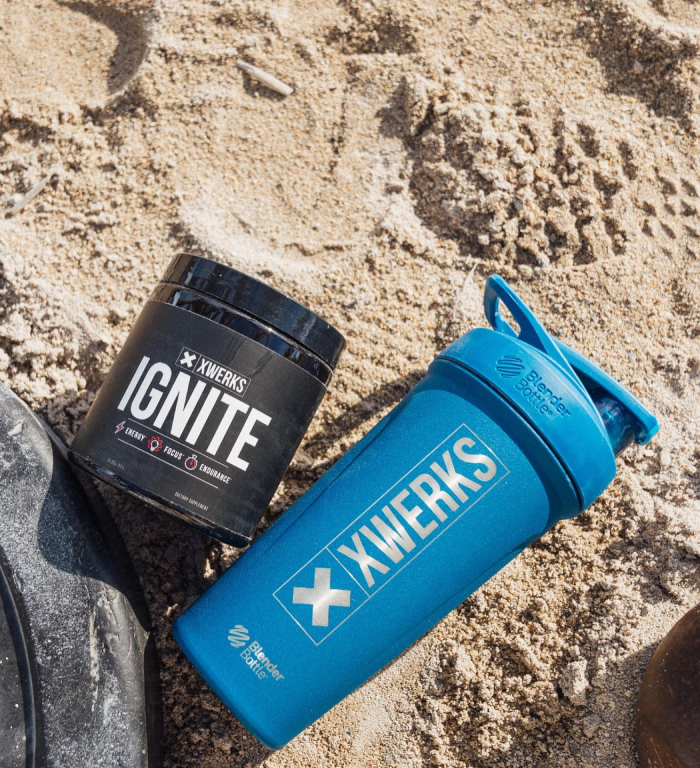
XWERKS products for men: Grow (whey isolate), Lift (creatine monohydrate), Ignite (pre-workout), Ashwa (ashwagandha), Rise (Tongkat Ali + zinc + boron + shilajit for men 40+).
SHOP XWERKS