At a glance
- CrossFit creates hybrid strength + endurance + gymnastics demand — recovery requires protein intakes toward the upper end of athlete ranges: 1.6-2.2g/kg daily.
- Whey protein isolate is ideal: fast-digesting post-WOD, high-leucine, GI-tolerant even after metcons that wreck appetite.
- Timing: 25-30g within 60 min post-WOD. For double sessions (class + open gym / class + strength block), protein between sessions matters.
- Hybrid demand drives higher total protein than pure strength or pure endurance training alone — don't undershoot.
CrossFit's hybrid demand profile drives higher protein needs than either pure strength or pure endurance training alone. A typical programming week combines heavy Olympic lifts, metabolic conditioning WODs, gymnastics skill work, strength cycles, and often accessory work — a combined training stimulus that demands more recovery than single-modality sports.
Research supports protein intakes of 1.6-2.2g per kg body weight daily for CrossFit athletes, with higher targets (2.0-2.2g/kg) during hypertrophy phases, Open prep, or cutting phases.
Whey protein isolate is particularly well-suited: fast-digesting during the critical post-WOD recovery window, high in leucine (muscle protein synthesis driver), low-volume (goes down when metcons have wrecked appetite), and GI-tolerant. Target 25-30g of whey isolate within 60 minutes post-WOD. For CrossFit athletes doing double sessions (class + open gym, class + strength block, or class + accessory work), additional protein between sessions matters for recovery and second-session quality.
Why CrossFit drives higher protein needs
Hybrid demand compounds
Pure strength training demands ~1.4-1.6g/kg protein. Pure endurance training demands 1.6-1.8g/kg. CrossFit combines both — and adds gymnastics/skill work, accessory volume, and often CrossFit-specific conditioning. Total demand exceeds either modality alone.
Multiple muscle groups, high frequency
A typical CrossFit week hits every major muscle group multiple times. Olympic lifts engage full-body. Gymnastics work hits pulling and pressing. Conditioning targets legs and systemic demand. High frequency across all muscle groups = high total protein demand for recovery.
Hypertrophy goals alongside performance
Many CrossFit athletes train with hypertrophy goals — adding muscle improves Olympic lift numbers, gymnastics strength-to-weight ratios, and overall performance. Hypertrophy requires 1.8-2.2g/kg protein daily combined with appropriate caloric surplus.
Cutting and competition weight classes
CrossFit athletes cutting for competition or bodyweight-to-strength ratios benefit from higher protein (2.0-2.2g/kg) specifically to preserve muscle during deficit. This is standard practice for Regional/Games athletes and serious competitors.
Daily protein targets for CrossFit athletes
Targets by goal
- General fitness CrossFit (3-4 sessions/week): 1.4-1.6g/kg
- Serious amateur (5-6 sessions/week): 1.6-1.8g/kg
- Competitive/Open prep (6+ sessions, double days): 1.8-2.0g/kg
- Hypertrophy phase: 2.0-2.2g/kg
- Cutting for competition: 2.0-2.2g/kg to preserve muscle
Practical numbers
A 75kg (165-lb) competitive CrossFit athlete at 2.0g/kg: 150g daily across 5 meals/shakes at 30g each.
An 85kg (187-lb) male athlete in hypertrophy phase at 2.2g/kg: 187g daily across 5-6 meals/shakes at 30-35g each.
Calculate your exact daily protein target based on body weight and training load: XWERKS Protein Calculator →
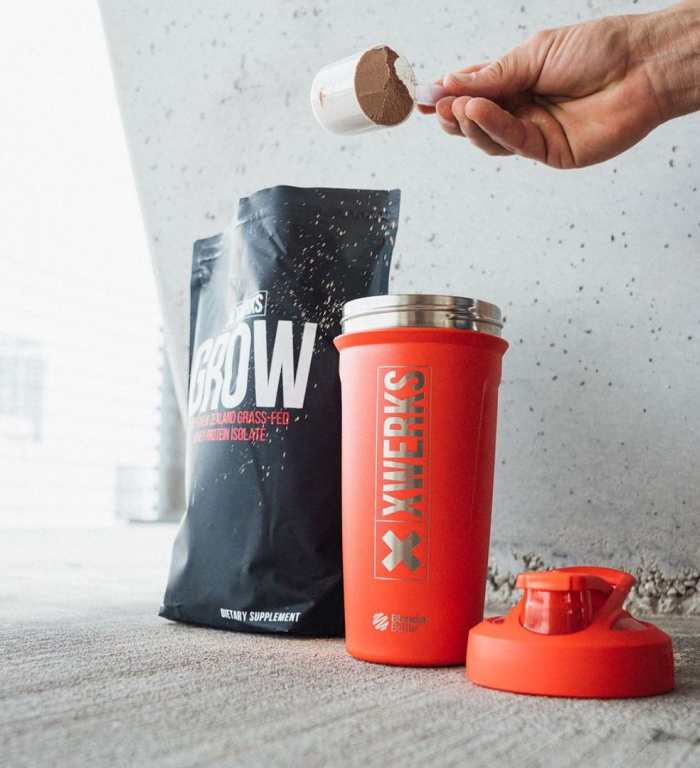
Explore XWERKS Grow protein for CrossFit for flavor-by-flavor nutrition, meal ideas and practical ways to fit a shake into your training day.
Why whey isolate for CrossFit
Post-WOD appetite
A hard metcon (Fran, Murph-like workouts, AMRAP formats) can wreck appetite for 30-60+ minutes. Many athletes feel nauseated and genuinely can't eat solid food immediately post-WOD. A whey isolate shake goes down easily when food won't — and hits the muscle protein synthesis window when it matters most.
Fast digestion
Whey isolate delivers amino acids in 1-2 hours — timing the recovery response within the post-WOD window. Slower proteins (casein, plant blends) are less ideal immediately post-training but work fine at other meal times.
High leucine
Whey isolate contains 10-12% leucine — triggers mTOR and muscle protein synthesis. Getting above the leucine threshold (~2.5-3g per serving) maximally stimulates recovery response. 25g of whey isolate delivers ~2.5g leucine, hitting the threshold.
Low volume for hybrid recovery
After combined heavy lifting + conditioning, getting 30g of protein from solid food often isn't appealing. A shake in 8-12 oz is easier on both appetite and practicality during busy training weeks.
Timing protocol for CrossFit athletes
Post-WOD (0-60 min)
25-30g whey isolate within 60 minutes. Pair with 40-60g carbs for glycogen replenishment. Many athletes mix the shake pre-workout and consume it immediately post-WOD from the car or gym.
Between double sessions
Post-morning class: whey + carbs. Between sessions: real meal 2-3 hours before second session, protein snack 30-45 min before if desired. Skipping protein between sessions directly impacts second-session output and overall recovery.
Pre-bed during heavy training
During heavy training blocks or Open prep, 20-30g protein before bed supports overnight muscle protein synthesis. Casein is traditional here; whey also works and is generally more cost-effective.
Distribution throughout day
Hit 25-35g protein per meal across 4-5 meals. Don't backload everything to post-WOD. Each meal is a separate muscle protein synthesis stimulus — distributing evenly optimizes daily response.
Combining protein with the CrossFit stack
The complete CrossFit stack
- Whey protein isolate: 1.6-2.2g/kg daily target (XWERKS Grow)
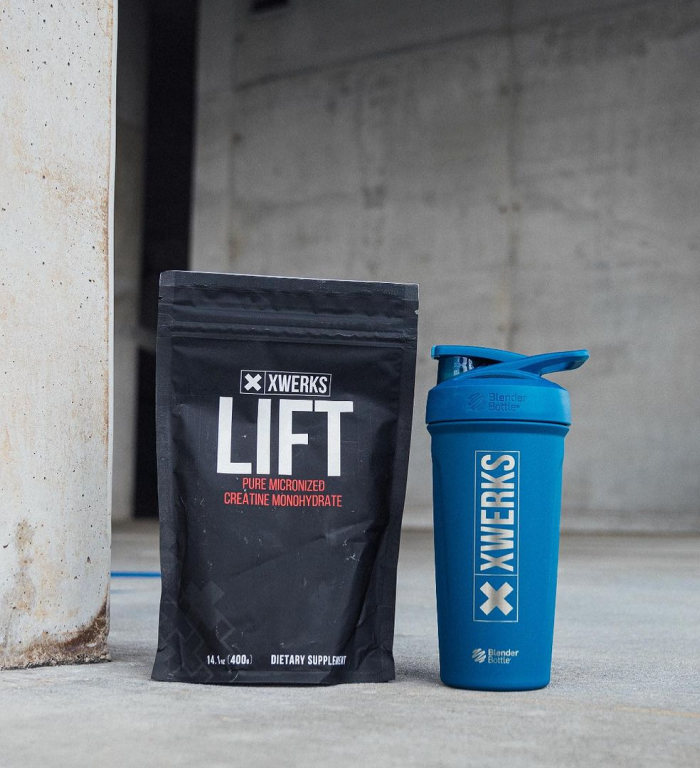
- Creatine monohydrate: 5g daily (XWERKS Lift)
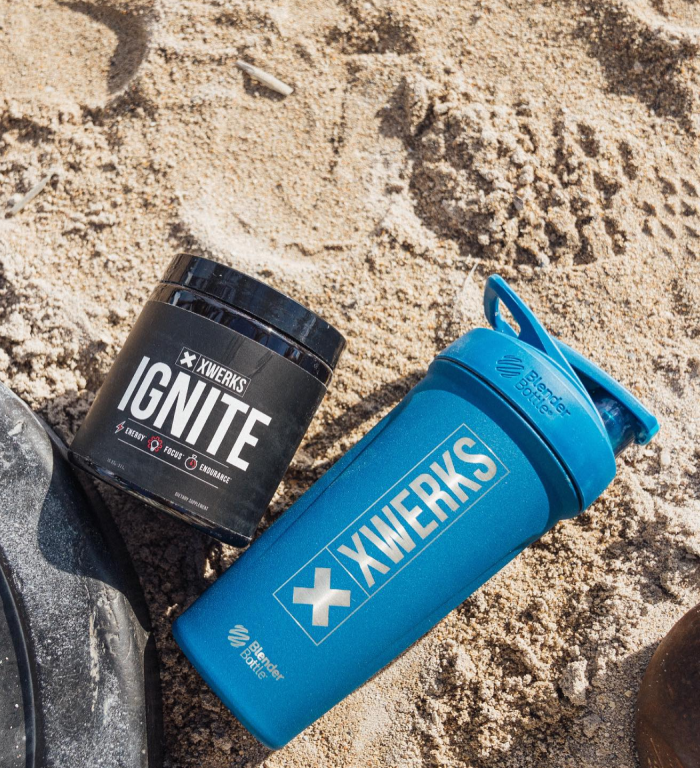
- Pre-workout: Moderate-stim for class/quality sessions (XWERKS Ignite)
- Intra-workout carbs: For long WODs or double sessions (XWERKS Motion)
- Foundation micronutrients: Vitamin D3, omega-3s, magnesium
Key takeaways
CrossFit's hybrid demand drives higher protein needs than pure strength or pure endurance training — target 1.6-2.2g/kg daily depending on training volume and goals.
Whey isolate is ideal post-WOD — fast-digesting, high-leucine, low-volume, GI-tolerant when metcons have wrecked appetite. 25-30g within 60 min hits the recovery window.
Don't undershoot. Hypertrophy phases, Open prep, and cutting phases all require 2.0-2.2g/kg. Distribute across 4-5 meals per day at 25-35g each for optimal response.
Protein for the CrossFit Athlete
Explore Grow’s flavors, compare serving nutrition, and use the daily protein calculator to plan your CrossFit routine.
Explore Grow for CrossFit →Further Reading
References
- Morton RW, et al. A systematic review, meta-analysis and meta-regression of the effect of protein supplementation on resistance training-induced gains in muscle mass and strength. Br J Sports Med. 2018;52(6):376-384.
- Thomas DT, et al. ACSM Joint Position Statement: Nutrition and Athletic Performance. Med Sci Sports Exerc. 2016;48(3):543-568.
- Schoenfeld BJ, Aragon AA. How much protein can the body use in a single meal for muscle-building? J Int Soc Sports Nutr. 2018;15:10.