


Pre-Workout for Boxing: What Works and What Doesn't
TL;DR
- Boxing is a repeated-sprint sport with 3-minute rounds — explosive efforts, aerobic-anaerobic blending, and sustained cognitive demand under impact stress.
- Target profile: moderate caffeine (150-250mg), citrulline (3-6g), beta-alanine (1.5-3g for round-end lactate buffering), L-tyrosine (1-2g for focus).
- Skip mega-stim products: jitters wreck hand-eye coordination, punching accuracy, and defensive reaction time. Elevated HR on top of boxing's cardiovascular load is risky.
- Most combat sport governing bodies ban certain stimulants. Check current regulations for your sanctioning body before using any new pre-workout.
Boxing creates a unique physiological profile: 3-minute rounds of repeated explosive punches and movement, separated by 60-second recoveries, repeated across 4-12 rounds. The sport demands explosive power (ATP-PCr), lactate tolerance (anaerobic glycolysis), aerobic recovery, and sustained cognitive performance under impact stress. Pre-workout helps — but the right profile matters more than in most sports because boxing's skill component (punching accuracy, head movement, defensive reactions) suffers when athletes are over-stimulated. The evidence-backed profile: moderate caffeine (150-250mg), citrulline malate (3-6g), beta-alanine (1.5-3g) for buffering late-round lactate, L-tyrosine (1-2g) for focus. Take 30-45 minutes before training or weigh-in. Mega-stim pre-workouts (300mg+ caffeine, DMAA, DMHA, yohimbine) create jitters that hurt punch accuracy and hand-eye coordination, and several exotic stimulants are banned by boxing sanctioning bodies. Check current regulations for your governing body before using new products.
Why boxing responds to moderate pre-workout
3-minute round physiology
A boxing round combines ATP-PCr power (explosive punches), anaerobic glycolysis (sustained combinations and exchanges), and brief aerobic recovery within the round. Late-round fatigue comes primarily from lactate buildup — beta-alanine directly addresses this.
Reaction time and focus
Boxing is as much mental as physical. Reading the opponent, slipping punches, and timing counters require sharp reaction time and focus. Moderate caffeine and L-tyrosine support these; excessive caffeine degrades them.
Cumulative round load
By round 6-8, both physical and cognitive fatigue compound. Pre-workout ingredients with extended half-lives (caffeine 4-6 hours, beta-alanine chronic loading) support performance across the full bout.
What to look for in a boxing pre-workout
Moderate caffeine: 150-250mg
Enough for focus and perceived effort reduction. 400mg+ creates jitters that hurt punching accuracy and hand-eye coordination. Also spikes resting heart rate unnecessarily before already-elevated fight/training heart rates.
Citrulline malate: 3-6g
Blood flow and muscular endurance support. Valuable for maintaining arm output in late rounds when shoulders and arms fatigue.
Beta-alanine: 1.5-3g per serving
Lactate buffering directly addresses late-round burn. Most effective when loaded to 3-6g daily over 4-6 weeks — fight-camp loading is common in professional boxing.
L-tyrosine: 1-2g
Supports focus, reaction time, and cognitive performance under stress. Dopamine/norepinephrine precursor.
What to skip for boxing
• Mega-stim pre-workouts (300mg+ caffeine): Jitters impair punch accuracy. Elevated resting HR compounds boxing's cardiovascular demands unsafely.
• DMAA, DMHA, exotic stimulants: Banned by USADA, VADA, and most state athletic commissions. Cardiovascular risks in contact sports are real.
• Yohimbine: Anxiety-inducing. Boxing already produces adrenaline — adding yohimbine compounds pre-fight anxiety unhelpfully.
• Anything banned by your sanctioning body: Check WADA, USADA, VADA, or state commission rules. A dirty test can cost you the win, your purse, or your license.
• High-dose niacin ("flush"): Visible skin flushing at weigh-in or walking to the ring is bad optics and genuinely uncomfortable.
Protocol by session type
Bag/mitt work (45-60 min sessions)
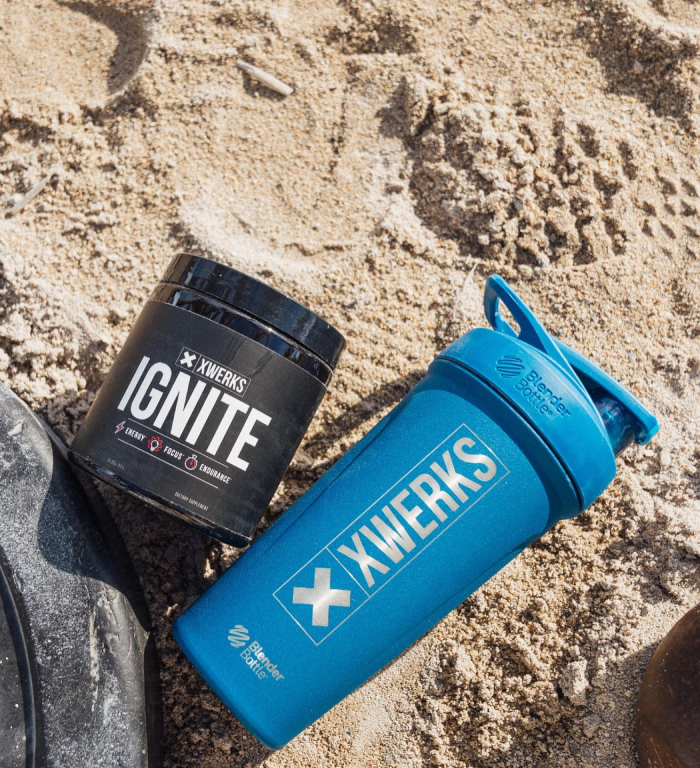
Pre-workout 30-45 min before. XWERKS Ignite's 150mg caffeine is appropriate. Coffee for morning sessions works too.
Sparring sessions
Lower-dose caffeine (100-150mg) is safer. Moderate stimulation preserves defensive reactions and technique. Don't overdose before sparring — your training partners will pay the price.
Fight day / competition
Only use products you've used extensively in training. Test during sparring and simulated rounds first. 150-250mg caffeine 45-60 min before ring walk. Keep total daily caffeine under 6mg/kg (400mg for most boxers).
Strength and conditioning sessions
Full pre-workout okay. This is when higher-end caffeine doses are safer since you're not going into a ring with someone throwing punches at you.
The Bottom Line
Boxing's repeated-sprint round structure responds well to moderate pre-workout — but skill demands (accuracy, reaction time, defensive awareness) suffer with over-stimulation.
Target: moderate caffeine (150-250mg), citrulline (3-6g), beta-alanine (1.5-3g loaded over weeks), L-tyrosine (1-2g). Skip mega-stim products — jitters wreck punch accuracy, and several exotic stimulants are banned by boxing sanctioning bodies.
Always verify your sanctioning body's banned substance list (USADA, VADA, state athletic commissions) before using new pre-workouts. A failed test can cost titles, purses, and licenses.
Pre-Workout for Combat Sports
XWERKS Ignite — 150mg caffeine + citrulline + tyrosine + beta-alanine + rhodiola. No banned stimulants, no proprietary blends, transparent dosing.
SHOP IGNITE →Further Reading
The Athletic Benefits of Caffeine
Clinically Dosed Pre-Workout Guide
References
1. Guest NS, et al. ISSN position stand: caffeine and exercise performance. J Int Soc Sports Nutr. 2021;18(1):1.
2. Hobson RM, et al. Effects of β-alanine supplementation on exercise performance: meta-analysis. Amino Acids. 2012;43(1):25-37.
3. Jongkees BJ, et al. Effect of tyrosine supplementation under stress or cognitive demands. J Psychiatr Res. 2015;70:50-57.