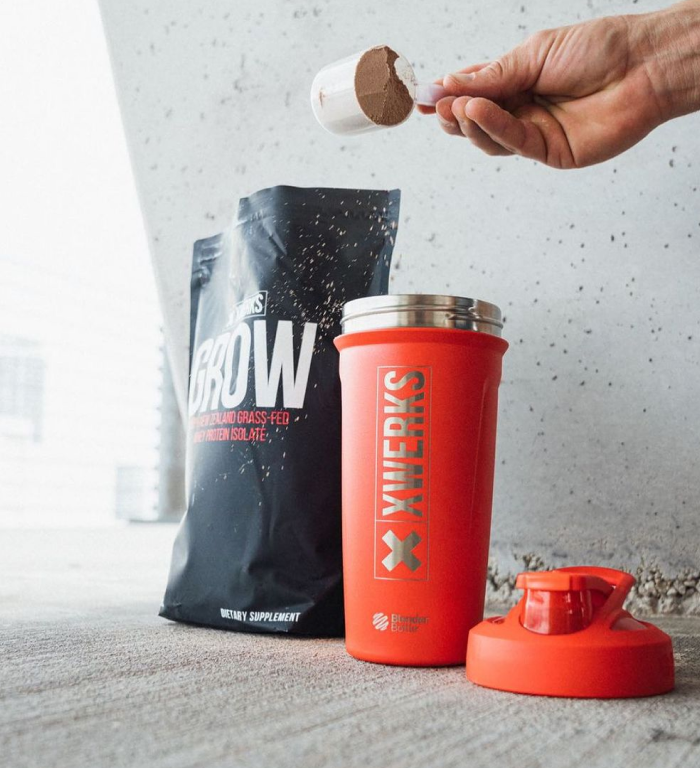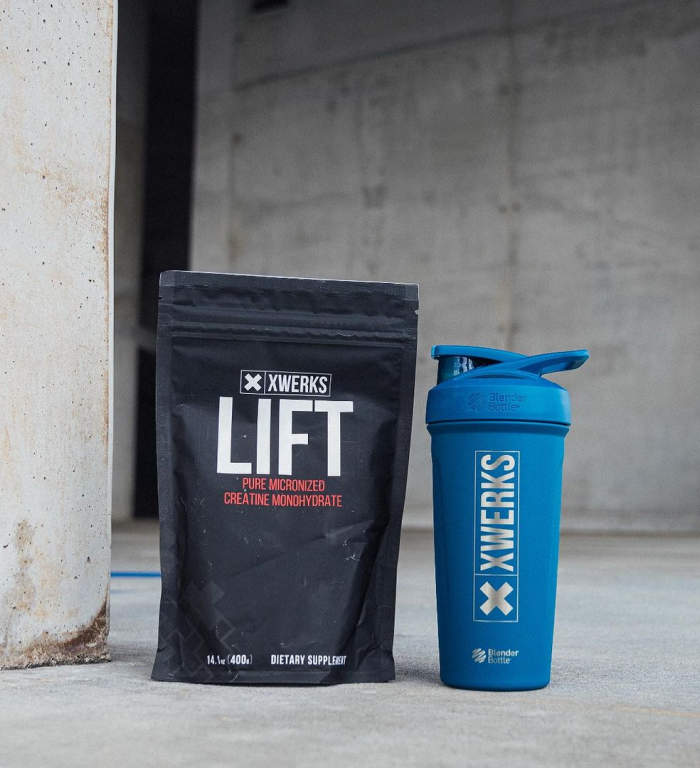


Our pick for backpackers who tolerate dairy and want a flavored shake is XWERKS Grow, a grass-fed whey isolate that can be mixed with water. For a plant-based trip, compare an unsweetened pea protein. The best choice is one that fills a specific gap in your food plan without creating extra preparation or cleanup problems.
A backpacking supplement has to work beyond the kitchen counter. You will carry the packaging, prepare it with the water you have available, and clean the container afterward. Those practical details deserve as much attention as the grams of protein on the label.
Which powder fits your trail food plan?
The listed protein amounts refer to manufacturer servings. They do not mean that the powders have identical scoop weights, calorie content, or packed volume.
| Product | Protein per listed serving | When it makes sense |
|---|---|---|
| XWERKS Grow | 25 g in most flavors; 23 g in peanut butter | A flavored whey isolate shake made with water |
| Naked Whey, unflavored | 25 g | Unsweetened whey for people who add their own flavor |
| Naked Pea, unflavored | 27 g | A plant-based, unsweetened option |
| Transparent Labs Whey Protein Isolate | Brand lists 28 g | Another isolate to compare by flavor, serving weight, and price |
Why Grow is our flavored trail option
Grow provides protein in a powder you can portion before the trip and mix without refrigeration while it remains dry. Its flavored format is convenient when you do not want to carry additional ingredients just to make a shake appealing. That is a preparation advantage, not a claim that it is a complete backpacking meal.
If dairy does not fit your diet, Grow is not the right selection. Whey isolate remains milk-derived. If your preference is to control all sweetness and flavor yourself, an unsweetened powder may be more flexible, even though it creates a different drinking experience with plain water.
Protein per scoop is only part of the pack-weight calculation
A large protein number can come from a large serving. For a fair weight comparison, divide grams of protein by grams of dry powder on the label. Then account for packaging and the container you will actually bring. Do not compare one product’s scoop with another product’s tablespoon as though they weigh the same.
Your total food supply matters too. A protein powder selected for high protein concentration may contribute less of the other energy you need than a mixed meal or trail snack. Decide whether you are filling a protein gap, adding calories, or replacing an inconvenient breakfast component. Those are different jobs.
Exercise nutrition guidance emphasizes sufficient overall protein within a diet that supports training. The ISSN protein position stand does not suggest replacing a balanced food plan with isolated powder. For a demanding trip, plan the whole day of eating first.
Pack for the way you will actually use it
Portion dry powder into food-safe containers that close securely, and label each portion with the product and serving information. Keep the ingredient and allergen details available, especially if sharing food. Protect the powder from moisture and follow its storage directions.
Think through the sequence at camp: access to safe drinking water, where the shake will be mixed, when it will be consumed, and how the container will be cleaned. Mix when you are ready to drink it rather than leaving a prepared dairy shake warm for hours. Follow local food-storage rules and pack out waste.
Test the shake before committing to several days of it
Use a day hike or an ordinary training day to try the powder with the same bottle and water ratio you plan to use on the trip. Notice flavor fatigue, residue, cleanup, and how much extra water the process needs. A product that works well in a blender may be less convenient in your trail bottle.
Do not make an unfamiliar supplement the only backup for an important meal. Carry foods you already tolerate and enjoy. If the shake feels like another chore after a long day, a different food choice may be more practical than buying a different flavor of powder.
For preparation options, see what to mix protein powder with. Our guide to traveling with supplements covers keeping a routine organized away from home.
Compare the complete trail shake, not just the scoop
Make a small packing list for the entire setup: powder, portion bags, any scoop you carry, the mixing bottle, and the water access needed to prepare and clean it. A nutrition panel describes the powder, but your backpack carries the system.
Weigh the dry setup if pack weight is part of the decision. Then compare it with the food option it would actually replace or supplement. Comparing a protein powder with a complete meal by protein grams alone leaves out the other food you still need to carry.

Use a simple portion worksheet
For each planned shake, record the day, flavor, measured portion, protein from its current label, and the meal it accompanies. A hypothetical three-serving plan using a powder with 25 grams of protein per serving would supply 75 grams from the powder across the trip. That is not 75 grams each day and does not describe the rest of your food.
Add the actual packaging weight separately. Protein grams and powder grams are not interchangeable, and the volume occupied by a serving can differ between products. Measure the powder and packaging you own rather than estimating from the front of a bag.
Label each portion so you can tell the flavor and serving apart without opening every bag. Keep ingredient and allergen information available, particularly when sharing food or traveling with someone whose dietary needs differ from yours.
Decide when the shake will be worth the work
Choose a moment when you expect to have suitable water, time to drink, and a practical way to clean the container. A powder may fit breakfast at camp more easily than a brief stop on an exposed trail. Your route and camp routine should choose the preparation window.
Keep a familiar food alternative in mind if the plan changes. A late arrival, an unexpected detour, or an inconvenient water stop can make the planned shake less useful. The backup should fit the food plan, not simply duplicate another supplement.
Use a bottle you have already tried. Check whether the opening is easy to fill without spilling powder and whether the cap is straightforward to clean. A shaker accessory that works well at home may add pieces you do not want to manage on the trail.
Trial flavor fatigue before a longer trip
Drink the proposed flavor on several ordinary days, including with the water-only preparation you will use outdoors. A flavor you enjoy occasionally may feel different when it appears repeatedly beside the same breakfast.
If you plan to mix powder into food, test that exact preparation too. Stirring it into oatmeal is a different experience from making a shake, and it changes which container needs cleaning. Follow a preparation you have practiced instead of improvising with your only meal at the end of a long day.
Make the final buying decision
Grow is a practical flavored option when a whey shake fits your dietary needs and trail routine. An unsweetened or plant-based powder may fit a different menu better. Choose the format that you will willingly prepare, finish, and clean up after.
The strongest reason to carry protein powder is a specific food-planning benefit. If the complete setup feels burdensome on a short trial, familiar food may be the better answer for that trip.
Frequently asked questions
Is protein powder necessary for backpacking?
No. It is an optional convenience when it fills a gap in your planned meals. Many trips can be fueled entirely with ordinary foods.
Can I carry Grow without a cooler?
Keep the dry powder stored according to the package directions. Once mixed, handle it as a prepared food and drink it promptly rather than keeping it warm in a bottle.
Which option is better for a dairy-free trip?
Choose a suitable plant-based powder, such as the unflavored pea protein compared here, and review the current allergen and manufacturing information for your needs.
How much protein does three servings provide for a trip?
Multiply the protein on your exact flavor label by three. For an illustrative powder with 25 grams per serving, that is 75 grams across the trip, before counting other foods.
Should I compare trail powders by scoop volume?
Use measured powder weight, label protein, and the complete packed setup. Scoop volume alone does not tell you the protein supplied or the weight and equipment you will carry.
Our recommendation
Choose XWERKS Grow when a flavored whey shake solves a specific trail-food problem. Check packed weight, water use, and cleanup on a shorter outing before making it part of a multi-day plan.
How we chose these products
This guide is published by XWERKS, which sells one of the products compared. We evaluated current manufacturer information for protein source, serving information, sweetening approach, dietary fit, and practical trail preparation. These are editorial recommendations based on labels and intended use; they do not represent hands-on testing or a clinical comparison of brands. Product details were checked on September 10, 2026. Check the current label for your chosen flavor and size.