


TL;DR
- Protein gummies are a small, candy-format way to consume a few grams of protein. Most contain 3-6g of protein per gummy or per several-piece serving — a fraction of what a scoop of protein powder delivers.
- The honest math: hitting realistic daily protein targets (100-200g) via gummies would mean eating 30-50+ gummies per day, which is impractical and would deliver substantial added sugar or sugar alcohols alongside the protein.
- Most protein gummies use collagen, gelatin, or whey protein as the protein source. Collagen and gelatin are incomplete proteins (low in some essential amino acids) — not equivalent to whey or other complete sources for muscle-building.
- The compromise: protein gummies trade protein density and quality for convenience and taste. They're a snack, not a serious protein source — they don't replace shakes, meals, or proper protein supplementation.
- Honest framework: protein gummies are fine as a treat or a small protein top-up if you genuinely enjoy them — but for hitting daily protein targets, dedicated protein powder or whole-food protein is dramatically more efficient.
Protein gummies have become one of the fastest-growing categories in the supplement aisle — sold as a chewable, candy-format alternative to protein powder, often marketed at busy adults who don't want to deal with shakers and scoops. The pitch is appealing: get protein the way you'd take a vitamin gummy, no mixing, no powder, just chew. The honest picture: protein gummies deliver only a few grams of protein per piece, use lower-quality incomplete protein sources, and would require eating dozens of gummies per day to meaningfully contribute to a real protein target — which would also mean substantial added sugar or sugar alcohol intake. They're a snack and a treat, not a serious protein supplementation tool. This guide covers what protein gummies actually are, the protein-per-piece math, why the protein source matters, and how to think about the category honestly.
What protein gummies actually are
Protein gummies are a confectionery format — essentially candy gummies (gelatin or pectin-based) with added protein. Specifics vary:
• Protein per gummy: typically 1-2g per individual gummy, or 3-6g per serving of multiple pieces
• Protein source: most commonly collagen, gelatin, or whey protein; some products use plant proteins
• Other ingredients: sugar, sugar alcohols (often erythritol, xylitol, or maltitol), pectin or gelatin (for texture), natural and artificial flavors, citric acid, colorings
• Calories per serving: often 50-100 calories for a 3-6g protein serving — a less efficient protein-per-calorie ratio than dedicated protein powder
The format is genuinely appealing: chewable, portable, tastes like candy, no preparation. But the format constraints — the volume of a gummy is mostly sugar/sugar-alcohol matrix, not protein — fundamentally limit how much protein you can fit into one piece.
The protein-per-piece math
This is the math that defines the category. A typical protein gummy delivers 1-2g of protein per piece, or 3-6g per multi-gummy serving.
For context on protein needs (see 11 high-protein foods):
• Sedentary adult RDA: 46g (women) / 56g (men) per day
• Active adult target: 1.6-2.2g per kg body weight — typically 100-180g per day for most active people
• Per-meal target for muscle protein synthesis: ~25-40g
Now the gummy math:
• To hit a single 25g per-meal protein dose from a 2g/gummy product, you'd need to eat 12-13 gummies
• To hit a 150g daily protein target from gummies alone, you'd need ~75 gummies
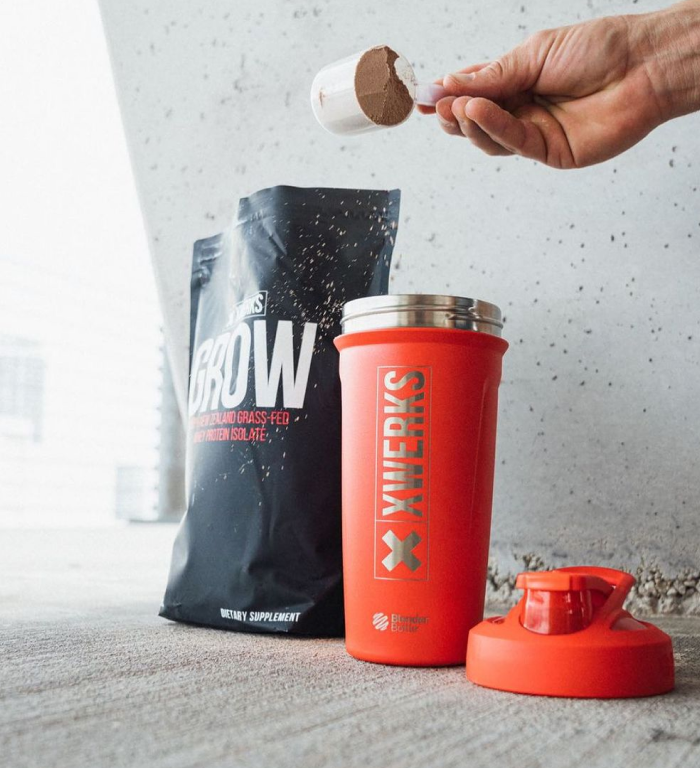
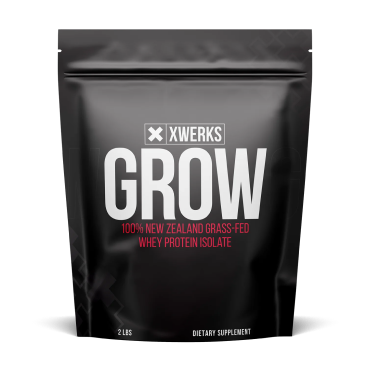
• By contrast, one scoop of XWERKS Grow delivers 25g of complete whey isolate protein in about 60 seconds
• A chicken breast delivers 25-30g of complete protein per serving
• An egg delivers 6g, three eggs 18g
The practical implication: protein gummies don't scale to meet real protein needs. Even eating an aggressive serving (5-6 gummies = ~12g protein) puts you at less than half of a single 25g protein target, while delivering a meaningful sugar/sugar alcohol load.
The protein source matters
Collagen-based protein gummies
Incomplete proteinMany protein gummies use collagen as the protein source. Collagen is a structural protein — it's rich in glycine, proline, and hydroxyproline but low in the essential amino acids your body needs for muscle protein synthesis, particularly low in leucine (the key MPS trigger). Collagen has its own uses (skin, connective tissue support has some evidence), but it's not equivalent to whey, casein, or other complete proteins for building or maintaining muscle. A gummy listing "5g of collagen protein" is not the same nutritional contribution as 5g of whey isolate.
Gelatin-based protein gummies
Also incompleteGelatin is essentially collagen — it's derived from collagen and shares the same incomplete amino acid profile. Same limitations apply: real protein on the label, but not the kind that drives muscle protein synthesis.
Whey-based protein gummies
Complete, but limited doseWhey-protein-based gummies use the same complete protein found in whey powder — high in leucine, full amino acid profile, MPS-supportive. The catch: getting enough whey into a chewy candy matrix is a manufacturing challenge, so whey-based protein gummies still typically deliver only 1-3g of whey per gummy. Higher quality protein, still limited dose.
The label-reading rule
Source determines real valueAlways check the protein source on the ingredient list. "Protein" on the front of the bottle doesn't tell you the kind. Whey or pea (complete) is meaningfully different from collagen or gelatin (incomplete) for muscle-building purposes — even at identical gram amounts.
The sugar and sugar alcohol issue
A gummy is mostly sugar matrix — either real sugar or sugar alcohols. The same volume that limits protein content per piece is filled by carbohydrate.
• Sugar-sweetened protein gummies: often contain 4-8g of added sugar per serving. Multiple servings per day means meaningful added sugar intake.
• Sugar-alcohol-sweetened protein gummies: often use erythritol, xylitol, or maltitol to keep added sugar low. The tradeoff is GI distress in sensitive users — bloating, gas, laxative effect — especially at multiple-gummy doses.
• Calorie-per-protein-gram ratio is poor: a serving with 5g protein and 80 calories has a much worse macro profile than 5g of chicken (which has roughly 25 calories) or 5g of whey isolate (roughly 25 calories).
This is the hidden cost: scaling up protein gummies to a meaningful protein dose also scales up the sugar or sugar alcohol load.
Where protein gummies genuinely fit
As a treat, not a primary protein source
Snack-level useIf you genuinely enjoy protein gummies and use them as an occasional treat that happens to deliver a few grams of protein, that's a reasonable use. Treat them like protein-fortified candy — not as a real protein supplement. A few gummies as a snack between meals is fine.
For people who refuse shakes
Better than nothingFor someone who genuinely won't use protein powder — doesn't like the texture, doesn't want to deal with mixing, won't drink shakes — protein gummies are some additional protein. Better than zero supplementation if shakes are off the table entirely. Just go in honest about the limited contribution.
As a kids' or convenience-format option
Acceptable use caseChildren who won't drink shakes may take protein gummies, and they can play a useful role in a varied diet. Same honest caveats apply — they're not a substitute for whole-food protein and shouldn't be expected to deliver real per-meal protein targets.
What protein gummies don't replace
• A protein shake. One scoop of whey isolate delivers 25g of complete protein — 12-13 gummies' worth, in 60 seconds, for less money.
• A high-protein meal. Chicken, eggs, Greek yogurt, fish, lean beef deliver 20-30g of complete protein per typical serving at a fraction of the calorie cost.
• Post-workout protein. Hitting the post-workout MPS window with 2-3g of collagen from gummies isn't comparable to a 25g whey isolate dose with full leucine content.
• Daily protein targets for active adults. 100-180g/day from gummies alone is impractical and would deliver a substantial sugar/sugar alcohol load.
• Quality whey protein supplementation. Convenience is the gummy's only advantage; protein per dollar, per calorie, and per minute of preparation all favor whey powder dramatically.
What to skip in protein gummy marketing
• "Get your daily protein in gummies": the math doesn't work without eating dozens of gummies per day.
• "Build muscle with gummies": small doses of (often incomplete) protein per piece don't drive muscle protein synthesis the way a real protein dose does.
• "Better than protein powder": on every dimension that actually matters (protein per dose, completeness, cost per gram, calorie efficiency), protein powder wins. Gummies win on format and taste only.
• Premium pricing for low protein content: protein gummies are often priced like a quality supplement while delivering candy-level protein doses.
• "Sugar-free" claims that hide heavy sugar-alcohol use: erythritol, xylitol, maltitol cause GI issues at scale. Read the full ingredient list.
• "Complete protein" claims on collagen-based products: collagen is not a complete protein and isn't equivalent to whey for muscle-building.
Common questions about protein gummies
"Are protein gummies as good as protein powder?"
No — not by any of the metrics that matter for serious protein supplementation. One scoop of whey isolate delivers 12-13 gummies' worth of protein, often with higher-quality (complete) protein, in less time, for less money. Gummies win on format and taste; powder wins on substance.
"Can I build muscle from protein gummies?"
Realistically, no. Building muscle requires regular protein doses (~20-40g per meal) of complete protein. Protein gummies deliver a fraction of that per serving, often with incomplete protein sources. They're not the right tool for the job.
"How many protein gummies should I eat per day?"
Treat them like candy — a small treat, not a daily protein source. Eating enough to hit real protein targets means consuming a lot of sugar or sugar alcohols along the way. Better to get your protein from real sources and use gummies (if at all) as an occasional snack.
"What's the best protein gummy?"
If you're going to use them, look for: (1) whey or other complete protein source rather than collagen-only, (2) low sugar AND not loaded with sugar alcohols that cause GI issues, (3) honest labeling on protein per piece. But the bigger question is whether protein gummies are the right format for your actual protein needs — usually they aren't.
"Are collagen gummies the same as whey protein?"
No. Collagen is an incomplete protein, low in the essential amino acids (particularly leucine) that drive muscle protein synthesis. It has its own uses but is not equivalent to whey for building or maintaining muscle. A 5g collagen serving is not 5g of muscle-building protein.
The Bottom Line
Protein gummies are a small, candy-format way to consume a few grams of protein — typically 1-2g per piece, 3-6g per multi-gummy serving. The format fundamentally limits protein density.
The math doesn't scale: hitting realistic daily protein targets (100-180g) via gummies would require eating dozens per day, with substantial sugar or sugar alcohol intake alongside the protein.
The protein source matters: collagen and gelatin (common in protein gummies) are incomplete proteins, not equivalent to whey or other complete sources for muscle-building. Whey-based gummies use complete protein but still deliver limited dose per piece.
Protein gummies are a snack, not a serious protein source. They don't replace shakes, meals, or proper protein supplementation. If you enjoy them as an occasional treat that delivers a small protein top-up, that's reasonable. As a primary protein strategy, they don't work.
For serious protein needs, whey isolate (like XWERKS Grow) delivers 25g of complete protein per scoop, mixes in 60 seconds, costs less per gram, and supports muscle protein synthesis in ways gummies can't. Whole-food protein (chicken, eggs, Greek yogurt, fish, lean meat) delivers similar amounts per serving with great macronutrient efficiency. See 11 high-protein foods.
The honest framework: protein gummies are protein-fortified candy. Treat them that way. They're fine as treats; they're not protein supplementation.
Dig deeper: 11 high-protein foods · whey protein isolate benefits · whey protein vs collagen · creatine gummies vs powder · best-tasting whey protein