Why Protein Matters More After 60: The Case for Whey Protein in Senior Nutrition
If you're over 60 and feeling like you're losing strength, struggling to recover from activities, or noticing that your clothes fit differently despite eating the same way you always have, you're not alone. These changes aren't just normal aging that you have to accept—they're signs that your body's relationship with protein has fundamentally changed.
Here's something most people don't realize: the official protein recommendations haven't kept pace with the science. That 0.8 grams per kilogram per day guideline? It was designed decades ago based on short-term studies in young adults. For older adults trying to maintain muscle mass, strength, and independence, it's simply not enough.
The Hidden Crisis: Sarcopenia
Sarcopenia—the progressive loss of muscle mass and strength with age—affects roughly 30% of people over 60 and more than 50% of those over 80. We're not talking about a slight decline in gym performance. Sarcopenia directly impacts your ability to live independently, increases fall risk, makes recovery from illness harder, and is associated with higher mortality rates.
The muscle loss starts earlier than you might think. After age 30, most people lose 3-8% of lean muscle mass per decade, and this accelerates after 60. By 80, many people have lost 30-40% of the muscle mass they had in their prime. That's not just aesthetics—it's functional capacity, metabolic health, and quality of life walking out the door.
But here's the encouraging part: sarcopenia isn't inevitable or irreversible. Two factors can dramatically slow or even reverse this process: resistance exercise and adequate protein intake. And when it comes to protein, both the amount and the type matter significantly.
Why Your Protein Needs Increase With Age
The cruel irony of aging is that just when you need more protein to maintain muscle, your body becomes less efficient at using it. This phenomenon is called "anabolic resistance"—older adults need roughly twice as much protein (0.60 vs 0.25 g/kg body weight) compared to young adults to stimulate the same muscle protein synthesis response.
Several factors contribute to this:
Reduced Digestive Efficiency: As we age, stomach acid production decreases, digestive enzymes become less abundant, and the gut absorbs nutrients less effectively. This means even if you're eating enough protein, you might not be getting as much benefit from it as you once did.
Decreased Muscle Blood Flow: Aging brings reduced capillarization in skeletal muscle, which can hinder the delivery of amino acids to muscle tissue. Even if protein is in your bloodstream, it has a harder time getting where it needs to go.
Appetite Changes: Many older adults simply eat less. Social isolation, medications that affect taste, dental problems, and age-related appetite suppression all conspire to reduce overall food intake, making adequate protein consumption even more challenging.
Chronic Inflammation: Age-related increases in inflammatory markers can accelerate muscle breakdown and interfere with the muscle-building signals that protein normally triggers.
The New Protein Guidelines for Seniors
Based on extensive research over the past decade, expert groups including the PROT-AGE Study Group and the European Society for Clinical Nutrition and Metabolism have recommended that healthy older adults consume 1.0-1.2 grams of protein per kilogram of body weight per day—significantly higher than the outdated 0.8 g/kg recommendation.
For a 150-pound person, that's roughly 68-82 grams of protein daily. For someone with sarcopenia, requirements may be even higher—potentially 1.2-1.5 g/kg/day or more.
But it's not just about total daily intake. Research suggests that older adults need to consume 25-30 grams of high-quality protein per meal to maximally stimulate muscle protein synthesis. Spreading protein evenly throughout the day, rather than consuming most of it at dinner, appears to be more effective for maintaining muscle mass.
This is where many older adults struggle. Getting 25-30 grams of protein at breakfast is challenging when you're used to cereal and toast. A typical chicken breast might have 30 grams, but that requires planning, preparation, and a healthy appetite.
Why Whey Protein Is Ideal for Seniors
Not all protein sources are created equal, especially for older adults. Whey protein—derived from the liquid portion of milk during cheese production—has emerged as particularly beneficial for aging populations for several compelling reasons.
Superior Amino Acid Profile
Whey protein is a complete protein containing all nine essential amino acids in optimal ratios. Most importantly, it's exceptionally rich in leucine—the amino acid that acts as the primary trigger for muscle protein synthesis.
To consume 2.7 grams of leucine (the amount shown to optimally stimulate muscle building), you'd need approximately 32 grams of whey protein, compared to 47 grams of casein, 55 grams of soy protein, or 48 grams of pea protein. For older adults who may struggle to consume large amounts of food, this efficiency matters.
Rapid Absorption and Bioavailability
Whey protein is rapidly digested and absorbed, creating a quick spike in blood amino acid levels. For older adults with anabolic resistance, this rapid delivery appears to better stimulate muscle protein synthesis than slower-digesting proteins.
Whey protein isolate—the most refined form—is 90% protein by weight and contains minimal lactose and fat, making it easier to digest for those with lactose sensitivity or digestive issues.
Evidence-Based Benefits
Multiple studies have demonstrated whey protein's effectiveness in older populations:
-
Systematic reviews show that whey protein supplements promote muscle protein synthesis in the elderly, improving muscle performance and aerobic capacity while protecting against sarcopenia and reducing fall risk
-
Research indicates whey supplementation significantly increases lean body mass gains compared to other protein sources when combined with resistance training
-
Studies on hospitalized elderly patients show that whey supplementation improves grip strength and knee extensor force, contributing to better rehabilitation outcomes
-
Meta-analyses confirm that whey protein supplementation combined with resistance exercise produces greater improvements in lean mass and leg strength than exercise alone
Beyond Muscle: Additional Health Benefits
Whey protein offers benefits beyond muscle maintenance:
-
Glutathione Production: Whey is one of the best dietary sources for boosting glutathione, the body's master antioxidant. Glutathione levels decline with age, contributing to oxidative stress, inflammation, and various age-related conditions.
-
Blood Pressure Management: The bioactive peptides in whey protein may help reduce blood pressure, an important consideration for cardiovascular health in older adults.
-
Immune Function: Whey contains immunoglobulins and lactoferrin that support immune system function, which naturally declines with age.
-
Weight Management: For seniors struggling with unintentional weight loss, whey protein can help maintain healthy body weight while specifically preserving lean muscle mass rather than adding fat.
How to Use Whey Protein Effectively
Dosage and Timing
For optimal results, aim for 20-30 grams of whey protein per serving. Older adults may benefit from doses at the higher end of this range due to anabolic resistance.
Timing matters, though perhaps not as much as consistency:
- Post-exercise: If you're doing resistance training (which you should be), consuming whey within an hour after exercise enhances muscle protein synthesis
- Between meals or with meals: Both approaches work. Some research suggests taking protein with meals may help reach the 25-30 gram per meal threshold without suppressing appetite for the rest of your food
- Before bed: A serving before sleep can support overnight muscle protein synthesis and recovery
Choosing the Right Type
For most seniors, whey protein isolate is the best choice. It's:
- 90% protein by weight with minimal carbs and fat
- Very low in lactose, making it suitable for those with mild lactose intolerance
- Rapidly absorbed and easily digested
- Higher in protein per calorie than concentrates
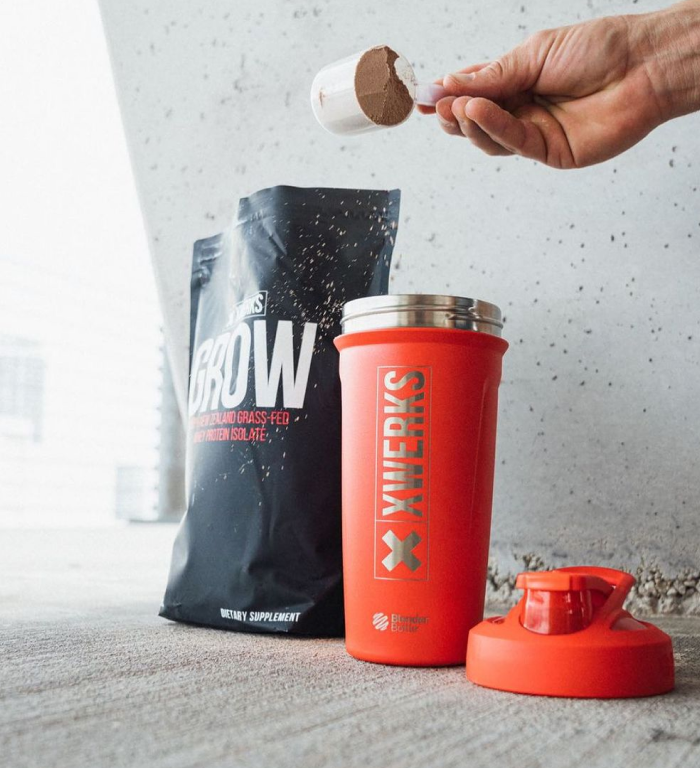
Xwerks Grow provides exactly this—grass-fed whey protein isolate with 25g of protein per serving, sourced from New Zealand cows raised without hormones or antibiotics. The microfiltration process removes lactose while preserving the beneficial protein fractions, and it mixes smoothly into water, milk, or smoothies.
Combining with Other Strategies
Whey protein works best as part of a comprehensive approach to healthy aging:
-
Resistance Training: Protein supplementation produces the greatest benefits when combined with regular resistance exercise. Even bodyweight exercises or light resistance bands can make a significant difference.
-
Adequate Total Nutrition: While protein is crucial, you still need sufficient calories overall. Undereating while increasing protein won't produce optimal results.
-
Vitamin D: Many older adults are deficient in vitamin D, which is important for muscle function. Combining whey with vitamin D supplementation may enhance outcomes.
-
Hydration: Adequate fluid intake supports protein metabolism and overall health.
Integrating Whey Protein Into Your Routine
Many older adults worry that adding protein supplements means choking down chalky shakes. The reality is much more pleasant. Quality whey protein isolate like Xwerks Grow mixes easily and tastes good, making it simple to incorporate into daily life:
- Morning smoothies: Blend with fruit, vegetables, and milk or yogurt for a nutrient-dense breakfast
- Post-walk or exercise: Mix with water or milk for convenient recovery nutrition
- Coffee or tea: Some people add unflavored whey to their morning coffee
- Baking: Mix into oatmeal, pancake batter, or homemade protein bars
- Simple shakes: Sometimes the simplest approach—just protein and milk—is the most sustainable
The key is consistency. Having a high-quality protein source that's convenient and enjoyable makes it easier to meet your daily protein needs every single day, not just when you remember to cook chicken.
Beyond Protein: Supporting Overall Performance
While protein is foundational for maintaining muscle mass as you age, other nutritional strategies can support your overall health and vitality:
-
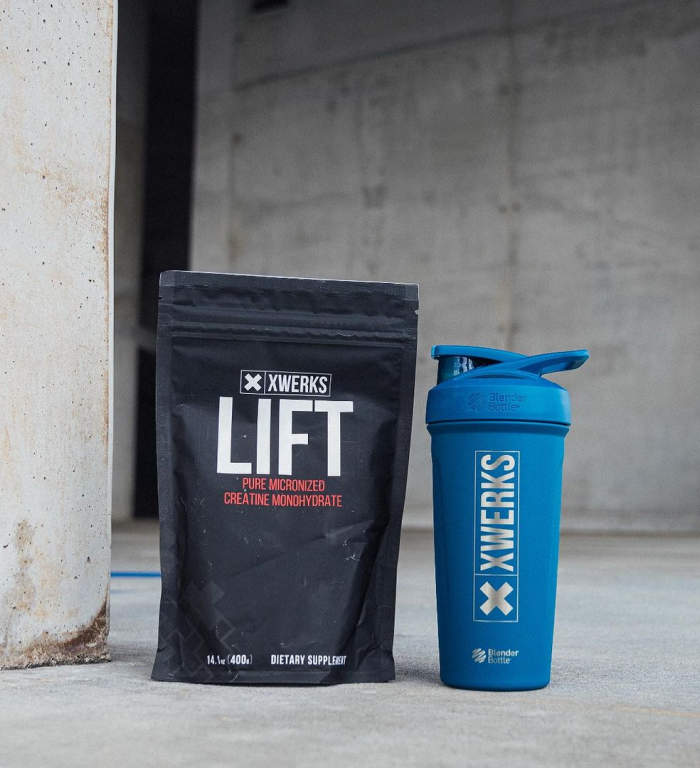
Creatine: Not just for young athletes, Xwerks Lift provides creatine monohydrate, which research shows benefits older adults by supporting muscle strength, cognitive function, and bone health
-
Quality nutrition: Whether you're active or just trying to maintain independence, having access to science-backed supplements can make a meaningful difference in how you feel and function day to day
Who Needs to Pay Special Attention to Protein?
While all older adults benefit from adequate protein, certain groups have particularly high needs:
- Those recovering from illness, injury, or surgery: Healing dramatically increases protein requirements
- People with sarcopenia or muscle loss: Higher protein intake is essential for rebuilding muscle
- Individuals with poor appetite: Concentrated protein sources help meet needs with less volume
- Those who are underweight or experiencing unintentional weight loss: Protein helps maintain muscle while gaining weight healthily
- Anyone doing regular resistance training: Exercise increases protein needs at any age
Make the plan work with appetite and convenience
A practical protein plan only helps if the food is accessible and enjoyable. Review which meal is hardest to prepare, whether chewing or appetite makes eating difficult, and whether a convenient shake would fill a real gap.
Protein is part of a broader diet. Do not let a shake displace all the variety that regular meals provide. For related practical ideas, see protein for a small appetite and building a breakfast shake. Anyone with a prescribed dietary restriction should use an individualized plan.
The Bottom Line
The science is clear: older adults need more protein than current general recommendations suggest, and whey protein is one of the most effective ways to meet those needs. It's not about vanity or looking muscular—it's about maintaining the strength to carry groceries, get up from a chair without assistance, recover from illness, and live independently for as long as possible.
Sarcopenia and age-related muscle loss aren't inevitable if you take action. Research consistently shows that combining adequate high-quality protein with regular resistance exercise can maintain or even rebuild muscle mass well into your 70s, 80s, and beyond.
The goal isn't to turn back time—it's to ensure the years ahead are active, strong, and independent. High-quality whey protein like Xwerks Grow makes meeting your increased protein needs simple, convenient, and effective. Your 80-year-old self will thank you for the investment you make today.