Ashwagandha, Rhodiola, and Recovery
If you're pushing your body to its limits in the gym, on the track, or in competition, you've probably experienced that frustrating plateau where no matter how hard you train, progress seems to stall. Your recovery takes longer, workouts feel harder, and your performance just isn't where you want it to be. This is where adaptogens might become your secret weapon.
Adaptogens are natural compounds—mostly derived from plants—that help your body adapt to stress, whether that's physical, mental, or environmental. Think of them as training wheels for your stress response system, helping you maintain balance when things get intense. For athletes, two adaptogens are generating serious buzz backed by legitimate science: ashwagandha and rhodiola rosea.
What Makes Adaptogens Different?
Unlike stimulants that give you a quick jolt followed by a crash, adaptogens work more subtly by regulating stress response. They don't artificially amp you up or knock you out. Instead, they support your body's natural ability to handle whatever you're throwing at it, whether that's a grueling training session or the recovery period afterward.
The beauty of adaptogens is that they're bidirectional—they help normalize function rather than push it in one extreme direction. If your cortisol is too high from overtraining, adaptogens can help bring it down. If you're dragging and need more energy mobilization, they can support that too.
Ashwagandha: The Stress-Crushing Powerhouse
Ashwagandha (Withania somnifera) has been used in Ayurvedic medicine for thousands of years, but modern science is finally catching up with what traditional practitioners have known all along. For athletes, ashwagandha is particularly interesting because research shows it can significantly improve both strength and endurance.
The Performance Benefits
Multiple studies have demonstrated ashwagandha's ability to enhance physical performance. In one eight-week study, athletes taking 300mg of ashwagandha root extract twice daily showed substantially higher recovery rates compared to the placebo group. They also experienced greater increases in muscle strength, particularly in the bench press and leg exercises.
But it's not just about getting stronger. Research on VO2 max—the gold standard measure of cardiovascular fitness—shows that ashwagandha supplementation can significantly improve cardiorespiratory endurance. In one study, athletes taking ashwagandha for eight weeks showed statistically significant improvements in their maximum aerobic capacity compared to those taking a placebo.
Recovery and Adaptation
Here's where things get really interesting for anyone serious about training: ashwagandha appears to help your body recover faster from the damage caused by intense workouts. Studies show it can reduce muscle damage markers like creatine kinase (CK) levels and help athletes bounce back more quickly between training sessions.
The mechanism likely involves ashwagandha's effects on cortisol—the stress hormone that, when chronically elevated, can interfere with recovery and adaptation. By helping modulate cortisol levels, ashwagandha supports your body's natural recovery processes without suppressing the beneficial stress signals that drive adaptation.
The Testosterone Connection
For male athletes, there's an additional benefit: some research suggests ashwagandha supplementation is associated with approximately a 15% increase in testosterone levels. Higher testosterone within natural ranges can support muscle growth, strength gains, and overall recovery capacity.
Dosing and Timing
Most research shows benefits with 300-600mg taken twice daily—once in the morning and once in the evening. The effects aren't immediate; you'll typically need to supplement consistently for 4-8 weeks to see meaningful changes in performance metrics.
Rhodiola Rosea: The Endurance Enhancer
While ashwagandha excels at strength and recovery, rhodiola rosea (also called golden root or arctic root) has earned its reputation as an endurance athlete's best friend. This hardy plant grows in the harsh, high-altitude regions of Siberia and has been used by Russian athletes and cosmonauts for decades to enhance stamina and resilience.
Endurance and Time to Exhaustion
The research on rhodiola and endurance performance is compelling. Acute supplementation—meaning taking it about an hour before exercise—can prolong time-to-exhaustion and improve time trial performance. If you're a runner, cyclist, or involved in any sport requiring sustained effort, that's huge.
What's particularly interesting is that rhodiola seems to work differently than many ergogenic aids. Rather than simply masking fatigue, it appears to help your body use energy more efficiently. Studies show rhodiola can reduce lactate accumulation during intense exercise, which means you can maintain higher intensities for longer before hitting that wall.
Muscle Protection and Recovery
Beyond endurance, rhodiola has shown promise in reducing muscle damage and inflammation. Research indicates it can lower levels of C-reactive protein (CRP) and creatine kinase—two key markers of muscle damage and systemic inflammation—both immediately after exercise and several days into recovery.
This muscle-protective effect is likely related to rhodiola's potent antioxidant properties. Intense training generates oxidative stress, and while some oxidative stress is necessary for adaptation, too much can impair recovery. Rhodiola appears to strike a beneficial balance, supporting recovery without blunting the positive training adaptations.
Mental Performance Under Stress
Here's an often-overlooked benefit for athletes: rhodiola can help maintain mental performance when you're physically exhausted. Research shows it reduces perceived exertion during exercise, meaning hard workouts feel slightly less brutal. For endurance athletes or anyone grinding through high-volume training blocks, that psychological edge can be the difference between giving up and pushing through.
Dosing Protocols
The research suggests two effective approaches with rhodiola. For acute performance benefits, take ~200mg containing 1% salidroside and 3% rosavin about 60 minutes before exercise. For longer-term benefits to recovery and adaptation, higher daily doses of 1500-2400mg taken chronically for 4-30 days have shown positive effects.
Stacking for Synergistic Benefits
While both ashwagandha and rhodiola are powerful on their own, many athletes find value in combining adaptogens as part of a comprehensive supplementation strategy. The key is understanding that these compounds work through different mechanisms and support different aspects of athletic performance.
The Complete Performance Stack
For optimal results, consider how adaptogens fit into your broader nutrition strategy. Your foundation should always be:
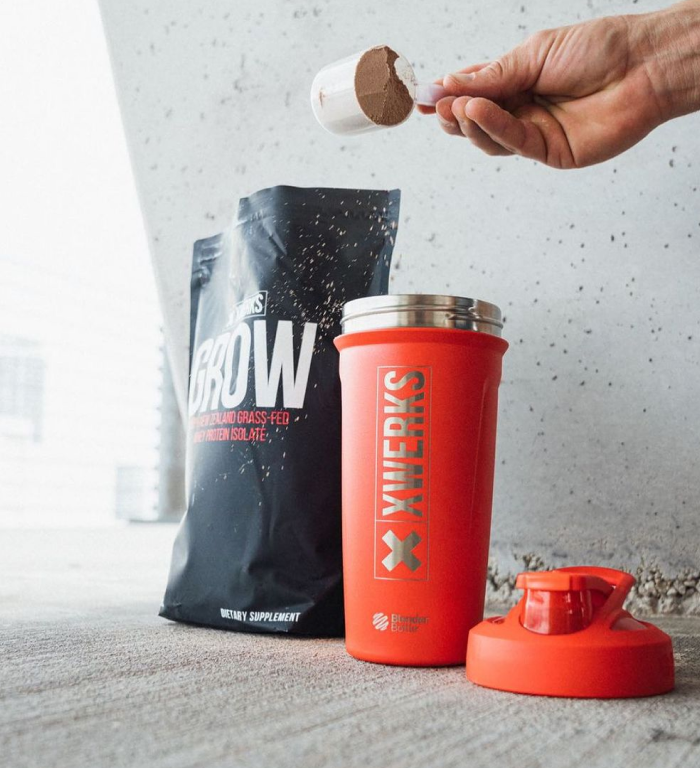
- High-quality protein for muscle recovery and growth - Xwerks Grow provides 25g of grass-fed whey protein isolate per serving, giving your muscles the building blocks they need to repair and adapt
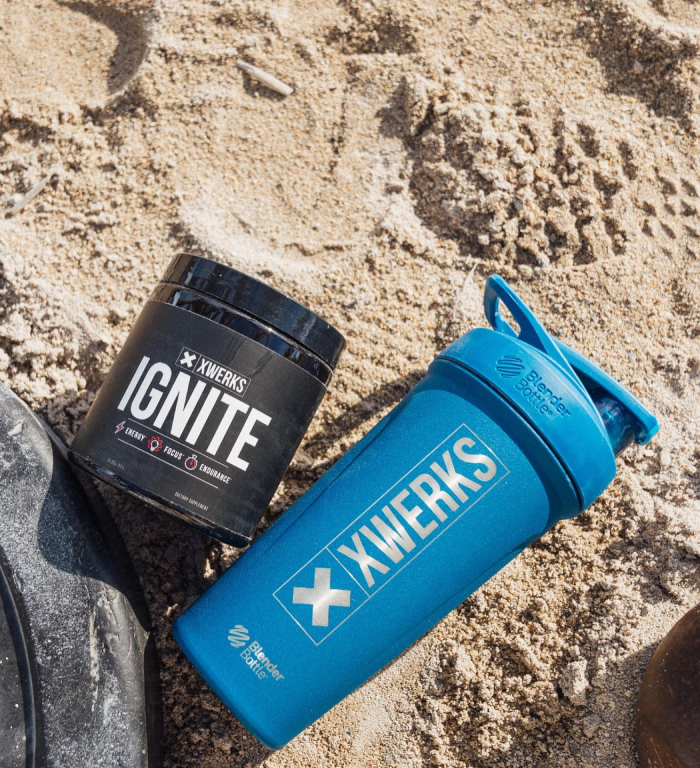
- Strategic pre-workout nutrition to fuel intense training - Xwerks Ignite combines performance-enhancing ingredients with focus-supporting nootropics
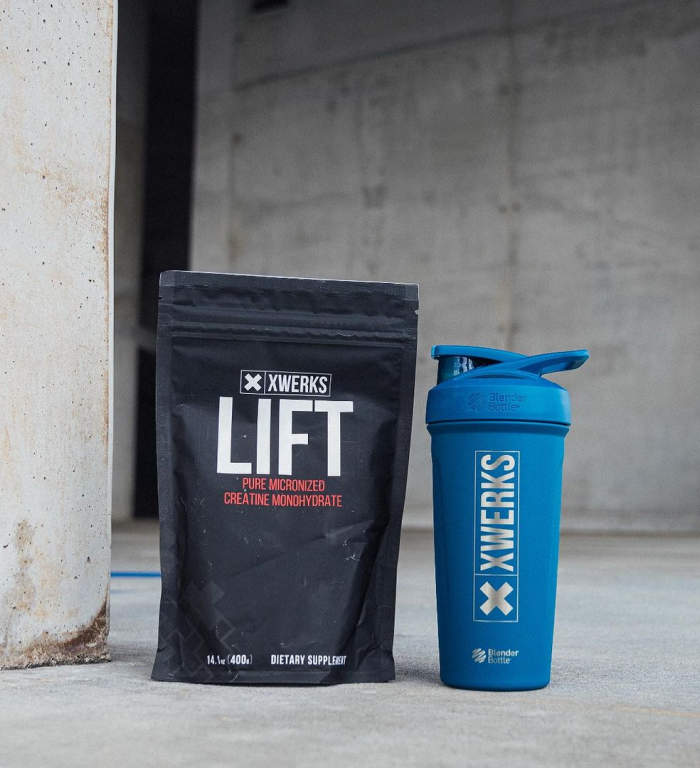
- Creatine for power and strength - Xwerks Lift offers pure micronized creatine monohydrate, the most researched supplement for athletic performance
- Intra-workout carbohydrates and electrolytes for sustained energy - Xwerks Motion provides cluster dextrin carbs, BCAAs, and electrolytes to keep you performing
Adaptogens like ashwagandha and rhodiola then layer on top of this foundation, supporting your body's ability to handle training stress and recover optimally.
Who Should Consider Adaptogen Supplementation?
Adaptogens aren't magic pills, and they're not necessary for everyone. But they're worth considering if you:
- Train at high volumes or intensities consistently
- Struggle with recovery between sessions
- Feel mentally or physically fatigued despite adequate sleep and nutrition
- Are in a heavy training block or competition season
- Notice your performance plateauing despite consistent training
- Experience high stress from sources beyond just training (work, relationships, etc.)
The Bottom Line
The research on ashwagandha and rhodiola rosea for athletic performance is genuinely impressive. These aren't fringe supplements with questionable evidence—multiple well-designed studies show measurable improvements in strength, endurance, recovery, and adaptation to training stress.
That said, adaptogens work best as part of a comprehensive approach to performance optimization. They can't compensate for poor sleep, inadequate nutrition, or programming errors in your training. Think of them as amplifiers of good habits rather than band-aids for bad ones.
If you're already training smart, eating well, and recovering properly but looking for that extra edge to push your performance to the next level, adaptogens like ashwagandha and rhodiola deserve a place in your supplement stack. Start with quality products, be consistent with dosing, and give them 4-8 weeks to work. Your training stress is the stimulus, and adaptogens help ensure your body responds with the adaptations you're working so hard to earn.
Ready to take your training and recovery to the next level? Explore the complete line of science-backed supplements at Xwerks designed to support every aspect of your athletic performance.