Pre-Workout for Hiking: Does It Actually Help?
TL;DR
- Pre-workout can meaningfully improve hiking performance — particularly for long-day hikes, summit attempts, or elevation gain efforts over 60 minutes.
- Ideal profile: moderate caffeine (100-200mg), citrulline (3-6g), L-tyrosine (1-2g). Skip mega-stim products; extended duration and remote environments make jitters, GI issues, and elevated HR more problematic than beneficial.
- Timing: 30-45 min before trailhead. For multi-hour or multi-day hikes, caffeine via coffee at trailhead + caffeinated gels during hike often beats pre-workout formulas.
- Pair with intra-hike carbs and electrolytes for efforts over 90 minutes — hydration and sodium matter more than pre-workout on long days.
Hiking's duration and environmental context make it different from most sports. A typical "workout" is 2-8 hours of sustained aerobic effort, often in heat or cold, at elevation, far from bathrooms and medical resources. Pre-workout helps — particularly for long-day summit attempts, technical alpine routes, or trail efforts with heavy pack weight — but the ideal profile is moderate, not mega-stim. Research on caffeine (3-6mg/kg body weight) consistently shows 2-4% endurance improvements plus reduced perception of effort, both valuable on long hikes. But high-caffeine products create GI urgency problems that are particularly bad on trail (limited bathroom access), elevated heart rate on top of already-stressed cardiovascular systems at altitude, and post-hike sleep disruption that compounds over multi-day efforts. The evidence-backed profile for hiking: moderate caffeine (100-200mg), citrulline (3-6g), L-tyrosine (1-2g) for focus during technical terrain, taken 30-45 minutes before trailhead. For long efforts, pair with intra-hike fueling (30-60g carbs/hour) and electrolytes (400-800mg sodium/hour).
When pre-workout actually helps hiking
Long-day hikes (4+ hours)
Mental fatigue accumulates over long hikes. Caffeine's effect on perceived effort and focus makes late-hike decision-making sharper (line choice on technical terrain, continuing vs turning around). The benefit compounds with duration.
Elevation gain efforts
Summit attempts and significant vertical gain work both aerobic and anaerobic systems. Citrulline supports blood flow during sustained leg work; caffeine reduces perceived effort on sustained climbs.
Early starts / alpine starts
3am alpine starts or pre-dawn trail efforts benefit from moderate caffeine support. Most hikers underperform with early starts simply because they're undercaffeinated — a strategic pre-workout solves this.
Technical terrain
Scrambling, Class 3-5 routes, exposure sections — focus matters as much as endurance. L-tyrosine supports cognitive function under stress and fatigue.
Pack-heavy backpacking days
Carrying 30-50+ lbs for 6-10 miles is a full-body effort. Pre-workout's combined endurance + muscular endurance effects apply directly.
What to look for — and avoid
Target profile
• Caffeine: 100-200mg — moderate, sustained, predictable
• Citrulline malate: 3-6g — blood flow support
• L-tyrosine: 1-2g — focus on technical terrain
• Rhodiola (optional): 200-500mg — adaptogenic support for stress and altitude
• Low-dose beta-alanine (under 2g): Helps with sustained climbing efforts; doses over 2g cause uncomfortable tingling that's distracting on trail
What to skip for hiking
• Mega-stim products (300mg+ caffeine): GI urgency on trail = bad news. Elevated HR at altitude = cardiovascular stress.
• Niacin-flush products: Bad sunburn-like sensation during sun-exposed hikes.
• DMAA / DMHA / exotic stims: Cardiovascular risk at altitude, diuretic effects worsen dehydration.
• Anything new on a long hike: Test in short training hikes first. New GI issues in the backcountry are a serious problem.
Protocol by hike type
Short hikes (under 2 hours)
Coffee at trailhead is usually enough. Full pre-workout is overkill unless you want the focus benefit.
Half-day hikes (2-4 hours)
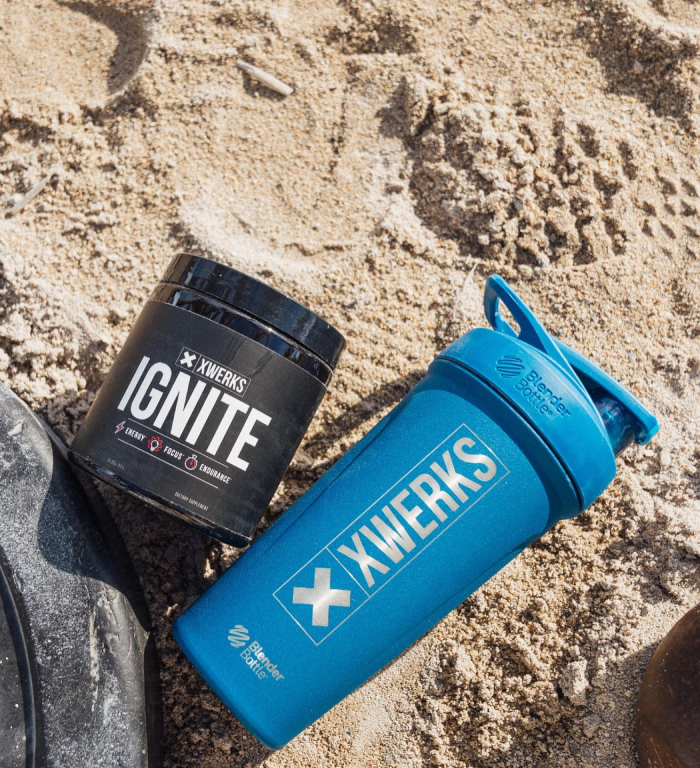
Pre-workout 30-45 min before trailhead. XWERKS Ignite's 150mg caffeine + citrulline + tyrosine is appropriate. Water + electrolytes on trail.
Full-day hikes (4-8 hours)
Pre-workout 30-45 min before trailhead. Intra-hike fueling: 30-60g carbs/hour from a drink mix or real food (bars, dates, PB&J sandwiches). Electrolytes 400-800mg sodium/hour. Consider a second caffeine dose via gel at the 3-4 hour mark.
Multi-day backpacking
Moderate pre-workout on "push" days (summit attempts, longer mileage days). Skip on rest days and days with late afternoon starts. Bring caffeine tablets for flexible dosing without carrying extra powder. Prioritize sleep recovery — avoid late-day caffeine that disrupts backcountry sleep.
The Bottom Line
Pre-workout helps hiking, particularly for long or technical efforts — 2-4% endurance improvement plus reduced perception of effort and better focus.
Target moderate formulas: 100-200mg caffeine + citrulline (3-6g) + L-tyrosine (1-2g). Skip mega-stim products — GI urgency on trail, elevated HR at altitude, and sleep disruption on multi-day trips all outweigh the boost benefit.
For long hikes, pair with intra-hike fueling — 30-60g carbs/hour and 400-800mg sodium/hour matter more than pre-workout on sustained efforts.
The Hiker's Pre-Workout
XWERKS Ignite — 150mg caffeine + citrulline + tyrosine + rhodiola. Moderate stimulation for long-day efforts without the jitters or GI issues of mega-stim products.
SHOP IGNITE →Further Reading
Intra-Workout for Trail Running
The Athletic Benefits of Caffeine
References
1. Guest NS, et al. ISSN position stand: caffeine and exercise performance. J Int Soc Sports Nutr. 2021;18(1):1.
2. Thomas DT, et al. ACSM Joint Position Statement: Nutrition and Athletic Performance. Med Sci Sports Exerc. 2016;48(3):543-568.
3. Jongkees BJ, et al. Effect of tyrosine supplementation on clinical and healthy populations under stress or cognitive demands. J Psychiatr Res. 2015;70:50-57.