Best Supplements for Spartan Race Training
TL;DR
- Spartan Race training requires supplements that support endurance, strength, grip, and recovery simultaneously. Single-focus endurance or bodybuilding stacks miss the hybrid demands.
- The essential stack: whey protein (1.8-2.2g/kg daily), creatine monohydrate (5g daily for obstacles and grip), intra-workout carbs+electrolytes for long sessions and races, vitamin D3, and omega-3s.
- Race-day specific: caffeine-based pre-workout (150-200mg caffeine) 30-45 min before start; intra-race fueling for any race over 75 minutes (Sprint rarely, Super often, Beast always).
- The non-supplement foundation matters most: base running + strength + grip work + obstacle practice. Supplements are the multiplier, not the program.
Spartan Race distances — Sprint (~5K, 20 obstacles), Super (~10K, 25 obstacles), Beast (~21K, 30 obstacles), and Ultra (~50K, 60 obstacles) — demand a uniquely hybrid training approach: base aerobic conditioning, strength and power for heavy carries and vertical obstacles, grip endurance for rigs and monkey bars, and skill work on specific obstacles. Your supplement stack should support all four demands simultaneously, not just one. The essential stack includes whey protein (1.8-2.2g/kg daily for recovery from hybrid training load), creatine monohydrate (5g daily for grip endurance and explosive power), intra-workout carbs plus electrolytes for long training sessions and races, vitamin D3, and omega-3s. Race-day additions include a caffeine-based pre-workout and intra-race fueling for any event over 75 minutes. The non-supplement foundation (consistent training, sleep, whole-food nutrition) matters most — supplements are the multiplier.
Why Spartan training needs a specialized supplement approach
Most supplement guides fall into two camps: "endurance" or "bodybuilding." Spartan Racing requires both. Understanding what each component does helps you build a coherent stack:
Aerobic capacity (running portions)
Spartan races involve 3-21+ miles of running over variable terrain. This requires base aerobic fitness, which is primarily a product of training — no supplement will transform your aerobic capacity. Supplements that support endurance include intra-workout carbs, electrolytes, and caffeine.
Strength and power (heavy carries, walls, atlas stones)
Obstacles like bucket carries, atlas carries, sandbag carries, and wall scaling require substantial strength. Creatine, adequate protein, and training support this.
Grip endurance (rigs, monkey bars, rope climbs)
This is where many Spartan racers fail. Grip fatigues faster than anything else during a race. Creatine supports grip endurance, and the real answer is specific grip training — but supplementation helps at the margins.
Recovery capacity
Serious Spartan training involves 4-6 sessions per week across multiple modalities. Recovery becomes the rate-limiting factor. Protein, sleep, vitamin D, magnesium, and omega-3s all support recovery.
The essential supplement stack
1. Whey Protein Isolate
Why: Spartan training produces significant muscle damage from both running (eccentric loading) and obstacles (heavy resistance). Adequate protein intake is the foundation of recovery.
Target: 1.8-2.2g protein per kg body weight daily. For a 170-lb (77 kg) athlete, that's 140-170g per day. Higher than pure endurance athletes because of the strength/power component.
When: 25-50g whey within 30-60 min post-training (this is when MPS is most responsive). Plus at every meal throughout the day — don't save all protein for dinner.
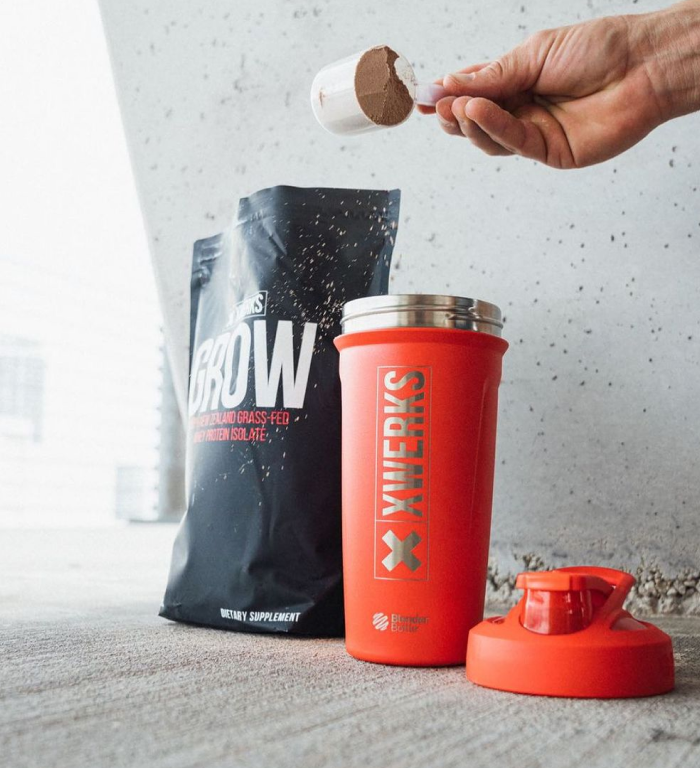
Which: XWERKS Grow provides 25g NZ grass-fed whey isolate per scoop with ~2.5-3g leucine. Clean-tasting, minimal additives, easy on the stomach.
2. Creatine Monohydrate
Why for Spartan: Creatine supports the three highest-fatigue demands in Spartan racing: grip endurance (phosphocreatine fuels sustained hand clenching), explosive power for vertical obstacles, and recovery between training sessions. One of the most valuable single supplements for OCR.
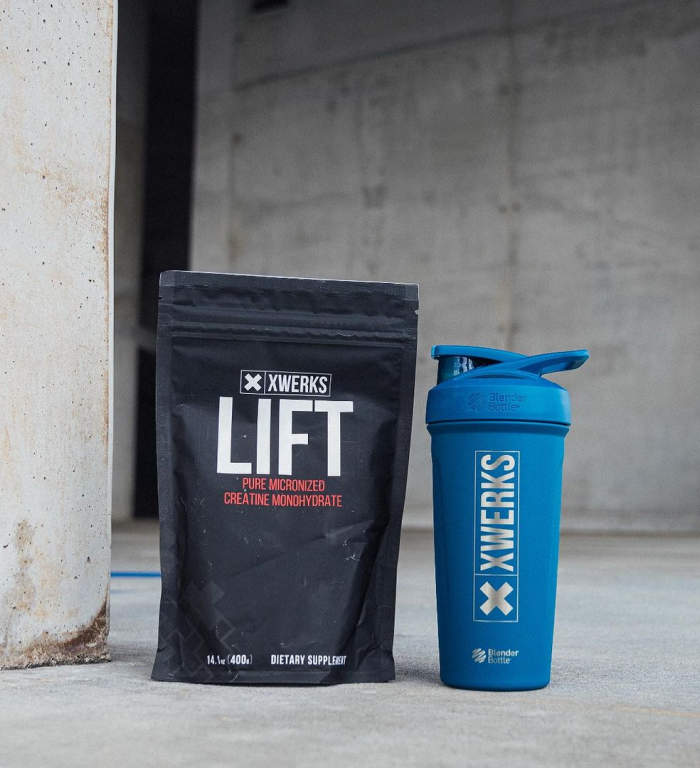
Dose: 5g daily of creatine monohydrate. No loading needed. XWERKS Lift provides 5g per scoop of micronized monohydrate.
Timing: Doesn't matter — take it consistently every day including rest days and race day.
3. Intra-Workout Carbs + Electrolytes
Why: Training sessions over 90 minutes deplete glycogen and produce significant sweat losses. Races from Super upward take 90+ minutes for most racers. Intra-workout fueling prevents bonking and cramping.
What to use: A carbohydrate-electrolyte drink providing 30-60g carbs per hour plus sodium, potassium, and magnesium. Cluster Dextrin is ideal because of its low osmolarity (easy on the stomach during high-intensity effort) and minimal GI distress.
Which: XWERKS Motion — 25g Cluster Dextrin + 3g BCAAs + Ca/Mg/Na electrolytes. Mix 1 scoop per bottle; sip throughout long training sessions and race day (in a handheld or hydration pack for longer races).
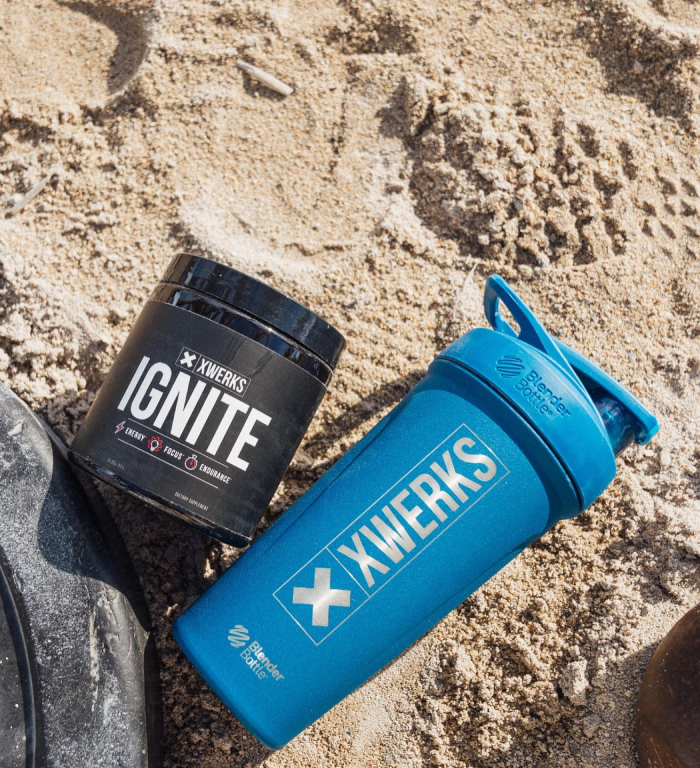
4. Pre-Workout (Ignite)
Why: For hard training sessions and race day. Caffeine improves power output, reaction time, pain tolerance, and reduces perceived effort. Citrulline improves blood flow and endurance. Tyrosine supports focus.
Which: XWERKS Ignite — 150mg caffeine + 3g citrulline malate + 2g L-tyrosine + 1.5g beta-alanine + 500mg rhodiola + 200mg DMAE. Moderate-stim pre-workout formulated for sustained effort (not just short-duration power).
Timing: 30-45 minutes before hard sessions or race start. Don't use every day — save it for workouts that need it and race day.
Race day: Test it in training first. Don't experiment on race day.
5. Vitamin D3
Why: Supports muscle function, immune health (critical during heavy training blocks), testosterone in men, and bone density. Outdoor training provides some vitamin D but most athletes still benefit from supplementation.
Dose: 2,000-4,000 IU daily. Test 25(OH)D blood levels — target 40-60 ng/mL.
6. Omega-3 Fish Oil (EPA/DHA)
Why: Reduces chronic inflammation from high-volume training, supports joint health (knees, shoulders, wrists all take significant stress), supports cardiovascular health, and enhances muscle protein synthesis response.
Dose: 2-3g combined EPA+DHA daily with a meal containing fat.
7. Magnesium Glycinate
Why: Supports sleep quality, muscle recovery, energy metabolism, and cramping prevention. Most athletes consume less magnesium than they need.
Dose: 200-400mg evening (glycinate or citrate form; avoid oxide).
Race-specific protocols by distance
Sprint (~5K, ~45-90 min)
Pre-race (30-45 min before): XWERKS Ignite or caffeine equivalent.
During race: Usually short enough to skip intra-race fueling. Water at aid stations is sufficient for most racers. Fast elites finishing in 40-50 min definitely don't need carbs mid-race.
Post-race: Whey shake + carbs within 30-60 min.
Super (~10K, 60-150 min)
Pre-race: Pre-workout 30-45 min before start.
During race: For mid-pack and recreational racers (90+ min expected), intra-race fueling makes a meaningful difference. Use a small handheld flask with XWERKS Motion or gels with water at aid stations.
Post-race: Full recovery — whey + carbs + electrolytes.
Beast (~21K, 2-4+ hours)
Pre-race: Pre-workout 30-45 min before start. Solid breakfast 2-3 hours before.
During race: Intra-race fueling is non-negotiable. Plan on 30-60g carbs per hour. Hydration pack or handheld bottles with XWERKS Motion. Gels as backup. Electrolyte supplementation at 60-90 min intervals.
Post-race: Substantial recovery nutrition. Whey + carbs within 30-60 min, then a real meal within 2 hours.
Ultra (~50K, 6-12+ hours)
Pre-race: Pre-workout timing and real breakfast critical. Practice your fueling plan extensively in training.
During race: Carb and electrolyte strategy is race-critical. 30-60g carbs per hour minimum. Rotate between liquid carbs (Motion), gels, whole foods at aid stations (when available). Electrolyte caps or supplementation every 30-60 minutes in hot conditions.
Mid-race recovery: In very long events, a whey shake or protein source at a mid-race aid station supports muscle protein synthesis and reduces late-race muscle breakdown.
Post-race: Multi-day recovery plan. Whey + carbs immediately, then consistent protein and calorie intake for 48-72 hours.
Race-week nutrition strategy
3-5 days out: Maintain normal training and nutrition. Slight taper in volume but not in quality.
2 days out: Begin gentle carbohydrate loading. Add an extra 100-150g of carbs per day. Maintain protein intake. Reduce fiber slightly to minimize GI volume.
Day before race: Carb-heavy meals. Familiar foods only. Avoid new foods, restaurants, or anything experimental. Hydrate well throughout the day.
Race morning: Familiar breakfast 2-3 hours before race start. Example: oatmeal + banana + small protein (2 eggs or 1 scoop whey). Continue hydrating. Pre-workout 30-45 min before start.
Post-race: Recovery nutrition within 30-60 min. Real meal within 2 hours.
What about pre-race carb-loading and creatine loading?
Carb-loading: Worth doing for Beast and Ultra distances. Two days of elevated carb intake (7-10g/kg per day) significantly boosts muscle glycogen. For Sprint and Super, regular eating is fine.
Creatine-loading: Unnecessary if you've been taking creatine daily. If you haven't been taking creatine and want to start 2-3 weeks before a big race, a 5-7 day loading protocol (20g/day split into 4 doses of 5g) saturates muscle stores faster.
Beta-alanine loading: If you're going to use beta-alanine for lactic acid buffering, you need to have been taking it for at least 4-6 weeks. It doesn't work acutely — benefits accumulate over weeks. XWERKS Ignite includes 1.5g beta-alanine per serving.
The non-supplement foundations
All of the supplementation above is secondary to the basics:
Consistent training across all four modalities — running, strength, grip, and obstacle skill. Don't only run.
Progressive overload in all training modalities. Heavier carries. Harder runs. Longer grip holds.
Sleep 7-9 hours per night. Non-negotiable for recovery from high training volume.
Whole-food nutrition as the majority of calories. Supplements should supplement, not replace, a foundation of good eating.
Hydration. 2-3 liters of water daily. More in hot conditions or during heavy training.
Stress management. Chronic stress accelerates catabolism. Sleep, downtime, social connection, and active recovery matter.
The Bottom Line
Spartan Race training requires a hybrid supplement stack — single-focus endurance or bodybuilding approaches miss the dual demands of running plus strength plus grip plus recovery.
The essential stack: whey protein isolate (1.8-2.2g/kg daily), creatine monohydrate (5g daily for grip and power), intra-workout carbs+electrolytes (for 90+ minute training and races), pre-workout for hard sessions and race day, vitamin D3, omega-3s, and magnesium.
Race-specific: Sprint needs basic pre-race prep; Super benefits from mid-race fueling for non-elites; Beast and Ultra require full intra-race fueling strategies (30-60g carbs per hour, electrolytes every 30-60 min).
Supplements are the multiplier, not the program. Consistent training across running, strength, grip, and obstacle skill — combined with sleep and whole-food nutrition — is the foundation. Supplements amplify a solid foundation; they don't rescue a weak one.
The Complete Spartan Stack
XWERKS Grow (whey isolate for recovery) + Lift (creatine for grip and power) + Motion (intra-race fueling) + Ignite (race-day pre-workout). Everything you need to train and race well.
SHOP GROW → SHOP LIFT → SHOP MOTION →Further Reading
Protein Powder for Obstacle Course Racing
Intra-Workout for Trail Running
Creatine for Endurance Athletes
Best Pre-Workout for Endurance
References
1. Thomas DT, et al. American College of Sports Medicine Joint Position Statement: Nutrition and Athletic Performance. Med Sci Sports Exerc. 2016;48(3):543-568.
2. Kreider RB, et al. International Society of Sports Nutrition position stand: safety and efficacy of creatine supplementation in exercise, sport, and medicine. J Int Soc Sports Nutr. 2017;14:18.
3. Jäger R, et al. International Society of Sports Nutrition Position Stand: protein and exercise. J Int Soc Sports Nutr. 2017;14:20.
4. Goldstein ER, et al. International Society of Sports Nutrition position stand: caffeine and performance. J Int Soc Sports Nutr. 2010;7(1):5.
5. Trexler ET, et al. International Society of Sports Nutrition Position Stand: beta-Alanine. J Int Soc Sports Nutr. 2015;12:30.