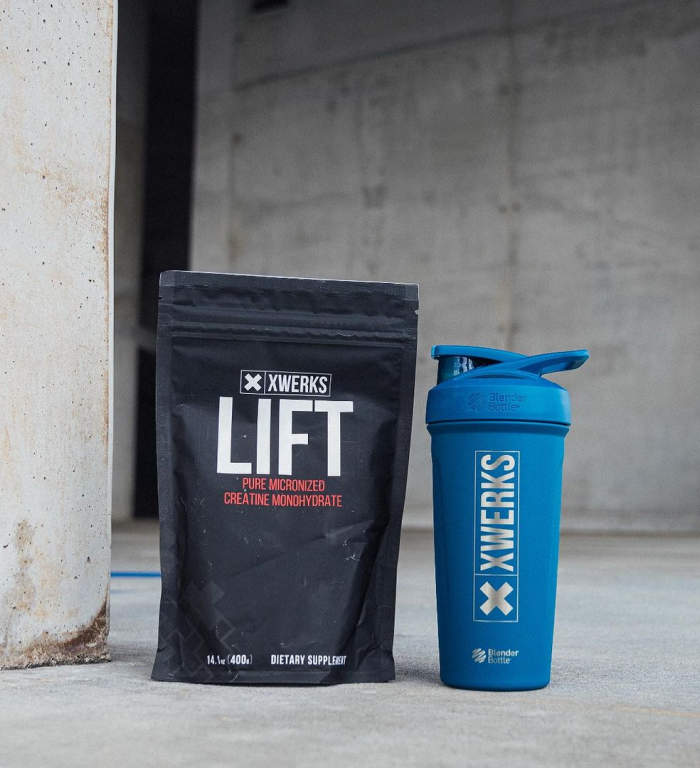
Our pick for athletes who want to replace part of their gel intake with a measured drink serving is XWERKS Motion, with 25 grams of carbohydrate per serving. If your plan requires more carbohydrate from each bottle, compare Skratch Super High-Carb. The best replacement matches the fuel you need and the amount of fluid you can comfortably drink.
You do not have to enjoy gels to build an endurance fueling plan. Drinks and familiar foods can contribute carbohydrate too. The key is replacing the amount and function of the fuel, rather than assuming one bottle automatically equals one packet.
Which drink is the best gel alternative for your plan?
The comparison below uses labeled carbohydrate amounts. Follow the mixing directions for the product and flavor you choose.
| Product | Carbohydrate per listed serving | Best fit |
|---|---|---|
| XWERKS Motion | 25 g | Replacing a measured portion of gel-based carbohydrate |
| Skratch Super High-Carb Sport Drink Mix | About 50 g | A larger liquid-fuel contribution |
| Skratch Hydration Sport Drink Mix | About 19–20 g, depending on flavor | A smaller carbohydrate contribution alongside food |
Why Motion is our straightforward starting point
Motion supplies a clear 25-gram carbohydrate serving from highly branched cyclic dextrin, also called Cluster Dextrin. That makes it easy to account for the drink when you reduce gels or combine liquid fuel with snacks. It is a format change you can quantify.
We are not claiming that Motion or any other drink eliminates stomach problems. A different texture may suit your preferences, but carbohydrate amount, concentration, pace, and the whole fueling routine still matter. Practice the complete plan before relying on it for an important event.
Replace carbohydrate grams, not package counts
Read the carbohydrate amount on the gel you currently use. Then calculate how many drink servings supply the amount you intend to replace. Gel brands and packet sizes differ, so “one gel” is not a universal unit.
For example, if two gels in your plan supply 25 grams each, replacing their 50-gram contribution would require two Motion servings. One approximately 50-gram serving of Skratch Super High-Carb supplies a similar carbohydrate total, but the ingredients and preparation are different. These are label calculations, not instructions to mix both products at the same concentration.
Also account for anything the original gel contributed beyond carbohydrate, such as caffeine or sodium. A noncaffeinated drink does not replace the caffeine in a caffeinated gel. Decide whether you wanted that ingredient in the first place rather than carrying it over automatically.
Liquid-only fueling connects your fuel plan to your bottle plan
If all your carbohydrate comes from a drink, missing a refill affects both fuel and fluid. A long queue, a dropped bottle, or an unexpected change in weather can therefore disrupt two parts of the plan at once. Work out where supplies come from and what backup food is practical.
Do not force extra fluid simply to reach a carbohydrate target. When fluid needs and fuel needs differ, use an appropriate mix of drink and food, or a product concentration you have already practiced within its directions. A gel-free plan can still include chewable or ordinary food options.
When a higher-carbohydrate drink makes sense
A higher-carbohydrate serving can be useful when you have an established target and want more of it in liquid form. Skratch Super High-Carb provides roughly twice Motion’s carbohydrate per labeled serving. That changes serving count, but it does not determine what your body needs or guarantee better tolerance.
For prolonged demanding exercise, the ISSN nutrient-timing position stand discusses carbohydrate during activity. Apply the guidance to your event and experience; do not jump to a high intake solely because a product can supply it.
Practice the plan in stages
Start with a familiar training session and change one part of your current routine. Keep track of the drink servings, water amount, other foods, and the time over which you consume them. Notice taste, practical bottle access, and how the plan feels as the session gets harder.
Once the smaller change works, try the full arrangement in a session that resembles the event. Refill logistics and flavor fatigue are easier to discover in training than on race day. If symptoms keep recurring, get individual help rather than repeatedly switching brands at random.
Our gut-training guide covers practicing a fueling routine. For more on Motion’s carbohydrate source, see Cluster Dextrin for workout fueling.
Replace the job the gel was doing
Look at the gel you planned to use and write down its carbohydrate amount, whether it contains caffeine, and any preparation directions relevant to your routine. A drink replacement should account for those functions separately.
Then calculate the carbohydrate you intend to replace. Package count alone is not useful because gels differ, and a sports drink's serving size is its own unit. Keep the math visible before changing the number of bottles you carry.

| Drink | Carbohydrate per labeled serving |
|---|---|
| XWERKS Motion | 25 g |
| Skratch Super High-Carb | Approximately 50 g; check flavor |
A worked replacement example
Suppose your existing plan includes two hypothetical gels with 25 grams of carbohydrate each. Together they contribute 50 grams. Two Motion servings would also contribute 50 grams, while one approximately 50-gram serving of Skratch Super High-Carb would contribute a similar carbohydrate amount.
This is label arithmetic, not a claim that the preparations are interchangeable in every way. Their mixing directions, ingredients, fluid requirements, and how you consume them differ. If your actual gels contain a different amount, redo the calculation using their labels.
Do not carry caffeine over by assumption. Replacing a caffeinated gel with a drink that does not contain caffeine changes that part of the plan too. Decide whether caffeine belongs in the routine separately rather than adding it automatically to make the replacement identical.
Test the liquid plan in an ordinary training session
Choose a session that lets you practice the actual bottle, preparation, and access you expect to use. Start with the manufacturer's mixing directions and a plan suited to the session, rather than combining an unfamiliar drink with your hardest or longest effort.
Record how much you prepared, how much you finished, and when you could reach the bottle. Note tolerance and convenience. A drink you enjoy at the kitchen counter still needs to work while moving, waiting at a stop, or carrying other equipment.
If the plan needs adjustment, change one element at a time. Switching flavor, concentration, total carbohydrate, and drinking schedule together makes it difficult to identify the cause of a problem.
Avoid making fuel depend on a missing bottle
Map the refill points and how you will carry replacement portions. Check whether the supplies are dependable for your event or route, and have a familiar alternative if a bottle is lost or a planned stop changes.
That alternative does not have to be a gel. A familiar carbohydrate-containing food or another practiced drink option can serve the plan when it is accessible and suitable for the activity. The important feature is that you know what it contributes and how you will use it.
Choose flexibility over an all-or-nothing rule
Disliking gels does not require every gram of carbohydrate to come from a drink. A combination of liquid fuel and familiar food may fit your appetite, bottle capacity, and route better than a liquid-only approach.
Motion works as an easy-to-count contribution when its serving fits the plan. A higher-carbohydrate drink can reduce the number of labeled servings needed for a given carbohydrate total, but that convenience still needs to fit the mixing directions and the amount you can comfortably consume.
Frequently asked questions
Can I fuel an event without gels?
Potentially, yes. Drinks and foods can supply carbohydrate. The plan still needs to fit event duration, access to supplies, fluid needs, and what you have practiced.
Does one Motion serving replace one gel?
Only if the gel supplies the same carbohydrate amount you want to replace. Motion provides 25 grams per serving; check the gel label rather than assuming.
Will a drink be easier on my stomach than gels?
Individual tolerance varies. A drink changes the format, but no product guarantees symptom-free use at every concentration or exercise intensity.
Do two drinks always replace two gels?
No. Compare carbohydrate grams using the exact labels. Also check caffeine, mixing directions, and the fluid needed for your planned preparation.
Can I combine a carb drink with ordinary food instead of gels?
Yes, when the foods and drink fit your practiced fueling plan. Count the carbohydrate actually consumed from both and choose options you can carry and use during the activity.
Our recommendation
Choose XWERKS Motion when 25-gram carbohydrate servings fit your gel-free plan. Choose a higher-carbohydrate option when your established needs call for it, and practice the bottle logistics as carefully as the fuel amount.
How we chose these products
This guide is published by XWERKS, which sells one of the products compared. We evaluated current manufacturer information for labeled carbohydrate contribution, delivery format, mixing directions, and practical replacement of gel-based fuel. These are editorial recommendations based on labels and intended use; they do not represent hands-on testing or a clinical comparison of brands. Product details were checked on September 10, 2026. Check the current label for your chosen flavor and size.