Benefits of Boron: The Underrated Mineral for Testosterone and Bone Health
TL;DR
- Boron is an underrated trace mineral with real research support for testosterone optimization.
- Naghii 2011 showed 10mg of boron daily for one week increased free testosterone by 28% and decreased estradiol by 39% in healthy men.
- Works primarily by reducing SHBG — particularly valuable for men with high SHBG or symptomatic low free T despite "normal" total T.
- Also supports bone mineral density, reduces inflammation, and supports cognitive function. 6mg/day (as in XWERKS Rise) is in the research-backed range.
Boron is an underrated trace mineral that increases free testosterone by reducing SHBG (sex hormone binding globulin), lowers estradiol levels in men, supports bone mineral density, reduces inflammation, and improves cognitive function. The most cited research (Naghii et al. 2011) showed that just 10mg of boron daily for one week increased free testosterone by 28% and decreased estradiol by 39% in healthy men. At 6mg daily (as found in XWERKS Rise), boron is one of the most cost-effective testosterone-supporting supplements with a solid research base, particularly valuable for men with high SHBG or low free testosterone despite normal total T.
What is boron?
Boron is a trace mineral found naturally in soil, water, and certain foods. Unlike more famous minerals (calcium, magnesium, zinc, iron), boron wasn't historically considered "essential" for human health — it doesn't appear on most micronutrient deficiency panels, and there's no official RDA for boron. However, research over the past 30+ years has revealed that boron plays important roles in hormonal balance, bone health, inflammation, and cognitive function — enough that many researchers now consider it functionally essential even though it's not officially classified that way.
Boron is found in plant-based foods — particularly fruits (raisins, prunes, avocados), nuts (almonds, walnuts), legumes, and vegetables. Typical Western diets provide 0.5-3mg per day, with wide variability. Research-backed supplemental doses are 3-10mg daily.
The 5 key benefits of boron
1. Increases free testosterone (by lowering SHBG)
This is boron's most famous benefit. A 2011 study by Naghii et al. found that 10mg of boron daily for one week in healthy men produced a 28% increase in free testosterone and a 39% decrease in estradiol. Free testosterone is the biologically active fraction of testosterone — the part actually available to bind androgen receptors and exert its effects on muscle, libido, mood, and performance.
Boron appears to work primarily by reducing SHBG (sex hormone binding globulin). SHBG binds to testosterone in the bloodstream, rendering it biologically inactive. Less SHBG means more free testosterone available to tissues, even if total testosterone remains unchanged. This is particularly valuable for men who have "normal" total testosterone but elevated SHBG, producing symptoms of low free T.
2. Reduces estradiol (estrogen) in men
In the same Naghii 2011 study, boron supplementation produced a 39% decrease in estradiol alongside the testosterone increase. Estradiol is an important hormone for men (it's needed for bone health, cognitive function, and libido), but elevated levels — particularly elevated estradiol relative to testosterone — can produce symptoms like low libido, fatigue, water retention, fat gain, and gynecomastia.
Boron's mechanism for reducing estradiol isn't fully understood but may involve effects on aromatase (the enzyme that converts testosterone to estrogen) or altered estrogen metabolism in the liver. The effect is modest but clinically meaningful for men with estrogen-dominant hormonal profiles.
3. Supports bone mineral density
Boron influences calcium and magnesium metabolism in bone tissue. Research has shown that boron supplementation can reduce urinary calcium excretion and support bone mineral density, particularly in women and older adults. The mechanism appears to involve boron's effects on vitamin D metabolism and parathyroid hormone activity.
A 1987 study by Nielsen et al. found that boron supplementation in postmenopausal women reduced urinary calcium excretion by 44% and magnesium excretion by 33%, while increasing serum concentrations of 17β-estradiol and testosterone. For aging men and women concerned about bone density, boron may offer meaningful support alongside calcium, vitamin D, and K2.
4. Reduces inflammation
Research has shown that boron supplementation reduces inflammatory markers including C-reactive protein (CRP), IL-6, and TNF-α. A 2015 review by Pizzorno suggested that boron has anti-inflammatory effects relevant to arthritis, joint pain, and general inflammatory conditions. The anti-inflammatory effects may partially explain boron's observed benefits for bone and joint health.
Epidemiological observations show that populations with higher dietary boron intake tend to have lower rates of osteoarthritis — suggesting that boron's anti-inflammatory and bone-supporting effects may combine to protect joints over time.
5. Supports cognitive function
Boron deprivation has been shown to impair cognitive performance in research trials. Studies by Penland et al. found that low boron intake (approximately 0.25mg/day) impaired performance on tasks requiring attention, memory, and motor control, while adequate boron intake (3.25mg/day) supported normal cognitive function. The mechanism may involve boron's effects on brain electrical activity and neurotransmitter metabolism.
While boron isn't typically marketed as a nootropic, the research suggests that adequate boron intake may support cognitive sharpness — particularly in people whose diets may be low in boron-rich foods.
How much boron do you need?
Research-backed doses are 3-10mg daily. The Naghii 2011 study used 10mg; many supplement formulations use 3-6mg. The upper tolerable limit is approximately 20mg per day for adults — significantly above typical supplemental doses. Boron is considered very safe at normal supplemental doses.
XWERKS Rise provides 6mg of boron per serving — in the research-backed range, well below any safety concerns, and designed to work synergistically with Tongkat Ali, Zinc, and Shilajit for multi-pathway testosterone support.
Food sources of boron
The richest food sources of boron include:
Dried fruit: Raisins (~4mg per 100g), prunes, dried apricots, dates
Nuts: Almonds, walnuts, hazelnuts, Brazil nuts (1-3mg per 100g)
Legumes: Beans, chickpeas, lentils
Fruits: Avocados, apples, pears, grapes, peaches
Vegetables: Broccoli, potatoes, leafy greens
People with diets rich in fruits, nuts, and vegetables may get 3-4mg of boron daily from food alone. People on restrictive diets (particularly low-carb or carnivore) may get significantly less and benefit more from supplementation.
The Bottom Line
Boron is an underrated trace mineral with real research support for testosterone optimization. The key benefits: increases free testosterone by reducing SHBG (Naghii 2011 showed 28% increase in free T from 10mg/day), reduces estradiol in men (39% decrease in the same study), supports bone mineral density, reduces inflammation, and supports cognitive function.
At 6mg daily (as in XWERKS Rise), boron is one of the most cost-effective testosterone-supporting supplements with solid research backing — particularly valuable for men with high SHBG or low free T despite normal total testosterone. It's part of a multi-pathway approach alongside Tongkat Ali, Zinc, and Shilajit.
Boron + Tongkat Ali + Zinc + Shilajit
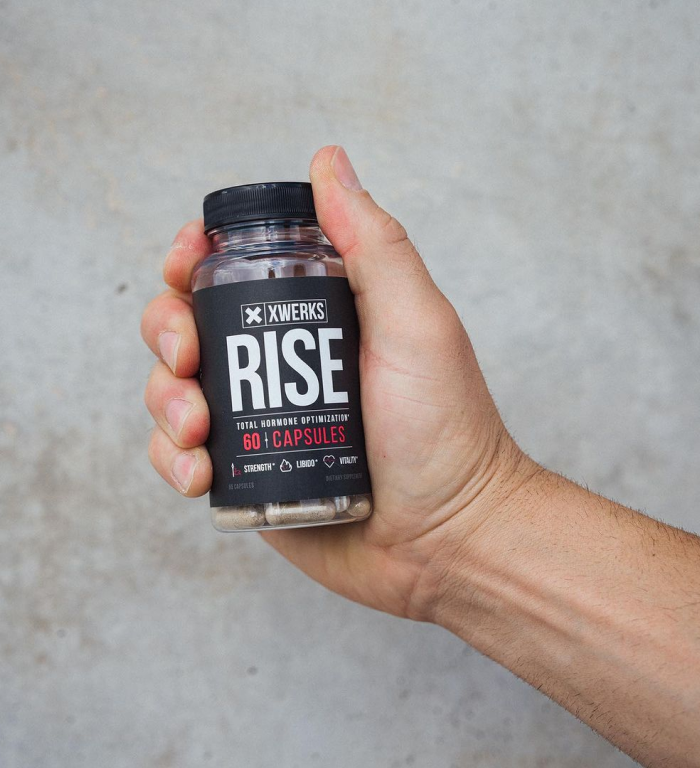
XWERKS Rise — 400mg Tongkat Ali, 15mg Zinc, 6mg Boron, 250mg Shilajit, 10mg BioPerine. Multi-pathway testosterone support with clinically-studied ingredients at research-backed doses.
SHOP RISE →Further Reading
Tongkat Ali FAQ — The primary ingredient in Rise.
Tongkat Ali and SHBG — How SHBG affects free testosterone.
Does Zinc Increase Testosterone?
Low Testosterone in Young Males
References
1. Naghii MR, et al. Comparative effects of daily and weekly boron supplementation on plasma steroid hormones and proinflammatory cytokines. J Trace Elem Med Biol. 2011;25(1):54-58.
2. Nielsen FH, et al. Effect of dietary boron on mineral, estrogen, and testosterone metabolism in postmenopausal women. FASEB J. 1987;1(5):394-397.
3. Pizzorno L. Nothing boring about boron. Integr Med (Encinitas). 2015;14(4):35-48.
4. Penland JG. The importance of boron nutrition for brain and psychological function. Biol Trace Elem Res. 1998;66(1-3):299-317.
5. Nielsen FH. Update on human health effects of boron. J Trace Elem Med Biol. 2014;28(4):383-387.