


The Ultimate Guide to Nootropics for Athletes
TL;DR
- Nootropics are cognitive-enhancing compounds that support focus, reaction time, stress tolerance, and motivation — all of which directly affect athletic performance beyond pure physical capacity.
- The evidence-backed athletic nootropics: caffeine, L-tyrosine, rhodiola rosea, L-theanine, creatine, alpha-GPC, and citicoline. Each has specific clinical doses and mechanisms.
- For most athletes, a pre-workout with caffeine + tyrosine + rhodiola covers the high-impact bases. Layering standalone nootropics is a refinement, not a starting point.
- Critical caveats: some nootropics (racetams, modafinil) are banned by WADA and collegiate athletic bodies. Natural nootropics (caffeine, tyrosine, rhodiola, creatine) are both legal and better-researched for sports contexts.
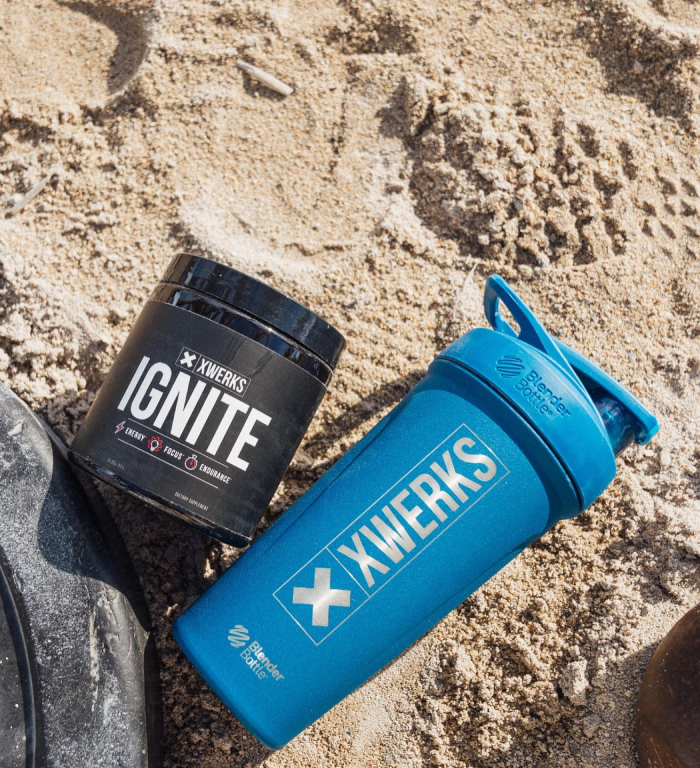
Elite athletic performance isn't just physical — it's cognitive. Reaction time, focus, decision-making under fatigue, stress tolerance, motor-pattern execution, and motivation all depend on brain function, and they all fade as physical and mental fatigue compound during training or competition. Nootropics (sometimes called "cognitive enhancers" or "smart drugs") are compounds that support cognitive function — attention, memory, processing speed, mental stamina, and stress resilience. For athletes, the most useful nootropics are those with both evidence-backed cognitive benefits and a track record of athletic use: caffeine (3-6mg/kg body weight), L-tyrosine (1-2g), rhodiola rosea (200-600mg), L-theanine (100-200mg), creatine (5g daily), alpha-GPC (300-600mg), and citicoline (250-500mg). A well-designed pre-workout already combines several of these — XWERKS Ignite provides caffeine, L-tyrosine, rhodiola, and DMAE in one formulation. Layering standalone nootropics is a refinement for athletes who've already optimized the basics (sleep, nutrition, foundational supplementation).
What are nootropics?
The definition
The term was coined in 1972 by Romanian chemist Dr. Corneliu Giurgea, who proposed five criteria: (1) enhance memory and learning ability, (2) support cognitive function under adverse conditions like fatigue or hypoxia, (3) protect the brain from chemical or physical injury, (4) enhance normal brain signaling, (5) have very few side effects and low toxicity.
In modern usage, "nootropic" is used more broadly to include any compound that supports cognitive function — caffeine is typically considered a nootropic, though it wouldn't have met all five of Giurgea's original criteria.
Natural vs synthetic nootropics
Natural nootropics are derived from plants, fungi, and naturally occurring compounds. Examples include caffeine, L-theanine (from tea), rhodiola rosea, lion's mane, bacopa monnieri, L-tyrosine (from protein), citicoline, and creatine. Generally well-studied, broadly considered safe at clinical doses, and rarely banned in sports.
Synthetic nootropics are lab-created compounds, often designed for specific cognitive effects. Examples include the racetam family (piracetam, aniracetam, noopept), modafinil, and various research chemicals. These tend to have smaller evidence bases in athletic populations, vary in legal status across regions, and may be banned by sports governing bodies. For athletes, natural nootropics are typically the better choice — both from a safety/research perspective and a compliance perspective.
How nootropics help athletic performance
The connection between cognitive function and physical performance is more direct than many athletes realize:
1. Focus and attention under fatigue
Late in workouts, matches, and races, mental fatigue accumulates. Decision quality deteriorates, technique gets sloppy, and errors increase. Nootropics that support sustained attention (caffeine, tyrosine, L-theanine) help maintain performance quality as fatigue compounds.
This matters most in skill-heavy sports (racquet sports, motorsports, team sports) but also affects strength training technique late in sessions and pace judgment late in endurance events.
2. Reaction time
For sports requiring split-second responses (boxing, martial arts, racquet sports, motorsports, baseball), reaction time is often the difference between victory and defeat. Research has shown caffeine and certain choline precursors (alpha-GPC) measurably improve reaction time.
3. Stress tolerance and pre-competition anxiety
Competition creates physiological and psychological stress. Adaptogenic nootropics (rhodiola, ashwagandha) help modulate the stress response, while L-theanine specifically reduces anxiety without sedation. Athletes who struggle with pre-race nerves or who can't "show up" mentally on game day benefit most from stress-focused nootropics.
4. Mental stamina during long efforts
Marcora et al. 2009 conducted a now-famous study showing that 90 minutes of demanding cognitive work before cycling reduced time-to-exhaustion from 754 seconds to 640 seconds — a ~15% drop in physical endurance from mental fatigue alone. This demonstrates that cognitive reserves directly limit physical performance. Nootropics that reduce mental fatigue (caffeine, tyrosine under stress, citicoline) also extend physical performance capacity.
5. Motivation and training consistency
Consistency over months and years determines athletic development far more than any single workout. Nootropics that support mood and motivation (rhodiola, caffeine, tyrosine) make it easier to show up and train hard on days when motivation is low. The cumulative effect on training consistency often matters more than the acute performance effect of any single session.
6. Reduced perception of effort
Caffeine specifically reduces ratings of perceived exertion (RPE) during exercise — the same physical work feels easier. This allows athletes to push harder without the psychological "pull back" signal that normally limits output.
The evidence-backed nootropics for athletes
Caffeine
Benefits: Endurance (~2-4% improvement in meta-analyses), reduced perception of effort, improved muscular endurance, enhanced reaction time, better mood.
Mechanism: Blocks adenosine receptors (reducing fatigue signaling), stimulates epinephrine release, enhances calcium handling in muscle.
Dose: 3-6mg per kg body weight, taken 45-60 min pre-exercise. For a 170-lb athlete, 230-460mg.
Best for: Essentially all sports. The single most-researched and most-effective athletic nootropic. Deep dive on caffeine for athletes.
In XWERKS Ignite: 150mg per serving — the middle of the clinical range for most athletes.
L-Tyrosine
Benefits: Preserves cognitive performance under stress, heat, cold, and sleep deprivation. Supports working memory, focus, and decision-making when stress is high.
Mechanism: Precursor to dopamine and norepinephrine — the neurotransmitters most depleted during stress. Supplementing tyrosine provides raw material for their resynthesis.
Dose: 1-2g taken 30-60 min before stressful performance situations.
Best for: High-pressure competition, sports with heavy cognitive demands (motorsports, racquet sports, combat sports), training in extreme conditions.
In XWERKS Ignite: 2g per serving — at the upper clinical dose.
Rhodiola Rosea
Benefits: Adaptogenic effect on stress, reduced mental fatigue, improved mood, potential endurance support. Particularly valuable for athletes experiencing training-related chronic stress or burnout.
Mechanism: Modulates stress response through effects on the hypothalamic-pituitary-adrenal (HPA) axis, influences monoamine neurotransmitters (serotonin, dopamine, norepinephrine).
Dose: 200-600mg daily of extract standardized to 3% rosavins and 1% salidroside. Can be used daily or strategically before high-stress events.
Best for: Athletes managing high training loads, combat sports pre-competition anxiety, sports requiring mental endurance across long events.
In XWERKS Ignite: 500mg per serving.
L-Theanine
Benefits: Produces relaxed alertness, reduces anxiety without sedation, smooths the caffeine response (less jittery, more focused). Often used in 2:1 ratio with caffeine (e.g., 200mg L-theanine with 100mg caffeine).
Mechanism: Increases alpha brain wave activity (associated with relaxed focus), modulates glutamate and GABA neurotransmission.
Dose: 100-200mg, often combined with caffeine.
Best for: Athletes who experience jitters or anxiety from caffeine alone; skill sports requiring calm focus; pre-competition anxiety management.
Creatine Monohydrate
Benefits: Primarily known for muscle performance, but also demonstrated cognitive benefits — supports working memory, reasoning under stress, and cognitive function during sleep deprivation (Avgerinos 2018 systematic review).
Mechanism: Increases brain phosphocreatine stores, supporting ATP regeneration under high cognitive demand.
Dose: 5g daily of creatine monohydrate — the same dose used for physical performance.
Best for: Essentially all athletes. Double benefit (cognitive + physical) at a single low dose.
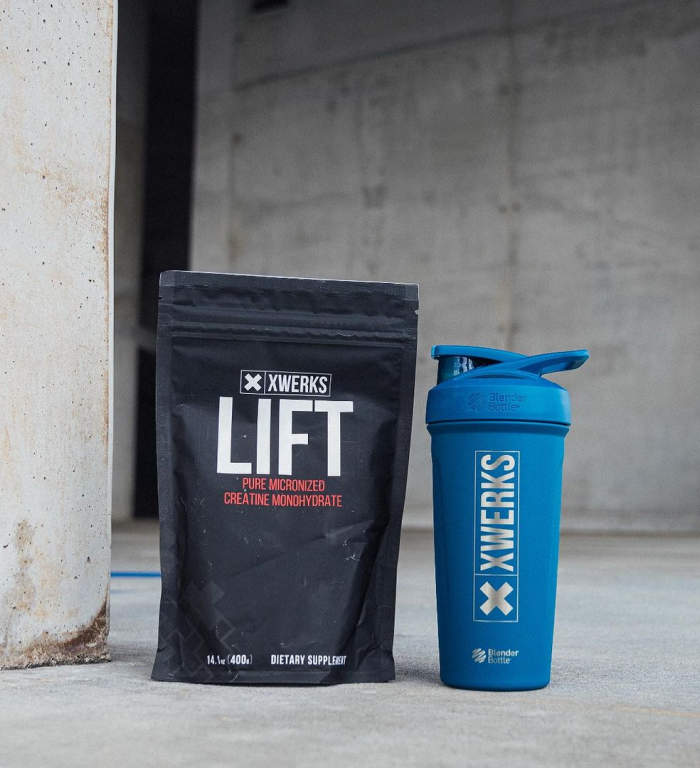
Standalone product: XWERKS Lift.
Alpha-GPC (L-Alpha Glycerylphosphorylcholine)
Benefits: Improved reaction time, enhanced power output in some studies, supports acetylcholine production for neuromuscular signaling. Marsh et al. 2015 found alpha-GPC supplementation improved lower-body force production.
Mechanism: Provides choline that efficiently crosses the blood-brain barrier, increasing acetylcholine synthesis. Acetylcholine is critical for muscle contraction and cognitive processing.
Dose: 300-600mg pre-exercise.
Best for: Sports requiring fast reaction time (combat sports, motorsports, racquet sports), explosive power athletes.
Caveat: Some research has raised cardiovascular questions with long-term high-dose use. Periodic use (not every day) may be more prudent until more evidence emerges.
Citicoline (CDP-Choline)
Benefits: Similar to alpha-GPC but with a different mechanism. Supports attention, memory, and mental energy. Studied for cognitive performance in healthy adults.
Mechanism: Provides choline and cytidine, which convert to uridine — supports brain cell energy production (ATP) alongside acetylcholine synthesis.
Dose: 250-500mg daily. Cognizin® branded citicoline has the strongest research backing.
Best for: Daily cognitive support, athletes managing high cognitive loads alongside training.
Ashwagandha
Benefits: Reduces stress and cortisol, supports recovery, potentially improves strength gains in athletes (Wankhede 2015). Supports sleep quality, which indirectly supports cognitive and physical performance.
Mechanism: Adaptogenic; modulates HPA axis, influences cortisol regulation.
Dose: 300-600mg daily of quality extract. More of a daily/chronic nootropic than a pre-workout one.
Best for: Athletes experiencing high chronic stress, poor sleep, or elevated cortisol from high training loads. Not a pre-workout — effects build over weeks.
Standalone product: XWERKS Ashwa.
Lion's Mane Mushroom
Benefits: Supports neurogenesis (nerve growth factor), potentially long-term cognitive function. Evidence is stronger for baseline cognitive support than acute athletic performance.
Mechanism: Contains compounds (hericenones, erinacines) that stimulate nerve growth factor production.
Dose: 500-3,000mg daily of standardized extract.
Best for: Long-term cognitive health, combat sports athletes concerned about neurological health, athletes recovering from concussion (discuss with physician).
Bacopa Monnieri
Benefits: Improved memory and learning over 8-12 weeks of consistent use. Not acute — don't expect same-day effects.
Mechanism: Modulates acetylcholine, serotonin, and dopamine systems; antioxidant effects on brain tissue.
Dose: 300-600mg daily of extract standardized to 50% bacosides.
Best for: Athletes learning complex motor patterns, skill acquisition sports, long-term cognitive maintenance.
Summary table: nootropic doses for athletes
| Nootropic | Clinical Dose | Timing | Primary Benefit |
|---|---|---|---|
| Caffeine | 3-6 mg/kg | 45-60 min pre | Endurance, focus, RPE |
| L-Tyrosine | 1-2 g | 30-60 min pre | Stress, focus |
| Rhodiola Rosea | 200-600 mg | Daily or pre-event | Stress adaptation |
| L-Theanine | 100-200 mg | With caffeine | Calm focus |
| Creatine | 5 g | Daily | Physical + cognitive |
| Alpha-GPC | 300-600 mg | Pre-exercise | Reaction, power |
| Citicoline | 250-500 mg | Daily | Attention, mental energy |
| Ashwagandha | 300-600 mg | Daily (chronic) | Cortisol, recovery |
| Lion's Mane | 500-3,000 mg | Daily (chronic) | Long-term brain health |
| Bacopa Monnieri | 300-600 mg | Daily (8-12 weeks) | Memory, learning |
Nootropics banned in sports — critical compliance check
Before using any nootropic, athletes competing under anti-doping regulations (WADA, NCAA, USADA, professional league rules) must verify the substance's status.
• Modafinil — banned by WADA as a stimulant
• Adderall, Ritalin (amphetamines/methylphenidate) — banned in competition (therapeutic use exemptions available for ADHD)
• Racetam family (piracetam, aniracetam, phenylpiracetam) — phenylpiracetam is specifically banned; others in gray zones
• Selank, Semax — research peptides, not approved for athletic use
• DMAA, DMHA — banned by WADA and often sold as pre-workout ingredients
Natural nootropics (caffeine at normal doses, tyrosine, rhodiola, ashwagandha, L-theanine, creatine, alpha-GPC, citicoline, lion's mane) are all permitted by WADA. When in doubt, check the current WADA prohibited list for your sport or consult the Global DRO database.
Practical stacks by athletic goal
Basic pre-workout nootropic stack
For athletes new to nootropics, start here:
• Caffeine: 150-300mg (per body weight)
• L-Tyrosine: 1-2g
• Rhodiola: 200-400mg
Most of this is covered by a well-designed pre-workout like XWERKS Ignite, which combines these plus complementary ingredients (citrulline, beta-alanine, DMAE, BioPerine).
Daily cognitive foundation
For athletes wanting baseline cognitive support independent of training timing:
• Creatine: 5g daily
• Omega-3 fish oil: 2-3g combined EPA+DHA
• Optional: citicoline 250-500mg or lion's mane 500-1,000mg
• Optional: ashwagandha 300-600mg if managing high stress
Skill/reaction sports stack
For racquet sports, combat sports, motorsports, baseball/cricket batting:
• Caffeine: 150-200mg (lower end — avoid jitters that impair fine motor control)
• L-Theanine: 100-200mg paired with caffeine
• L-Tyrosine: 1-2g
• Alpha-GPC: 300-600mg (optional, for reaction time)
Endurance sports stack
For running, cycling, triathlon, Hyrox:
• Caffeine: 3-6mg/kg 45-60 min pre-event
• L-Tyrosine: 1-2g pre-event (particularly for heat or altitude)
• Rhodiola: 300mg daily during training block
• Creatine: 5g daily
High-stress pre-competition stack
For athletes dealing with pre-competition anxiety or high-pressure events:
• L-Theanine: 200mg 30-60 min pre-event
• L-Tyrosine: 1-2g pre-event
• Rhodiola: 300-400mg pre-event
• Caffeine: lower end of range (2-3mg/kg) or avoid if anxiety is severe
Common mistakes athletes make with nootropics
1. Stacking too many nootropics at once. Start with one or two; evaluate response; add carefully. Stacking 6-8 nootropics simultaneously makes it impossible to identify what's working, what's not, and what's causing side effects.
2. Expecting immediate results from chronic-use nootropics. Bacopa, lion's mane, and ashwagandha produce benefits over 4-12 weeks of consistent use, not on first dose. Don't abandon them based on day-one response.
3. Using mega-stim pre-workouts as "nootropics." Kitchen-sink pre-workouts with 400mg+ caffeine, DMAA, and exotic stimulants cause jitters that actively harm skill-based performance. More stimulation ≠ more cognitive support.
4. Ignoring sleep impact. Caffeine and stimulant-adjacent nootropics taken within 8 hours of bedtime disrupt sleep, which degrades all subsequent performance. The nootropic that harms tonight's sleep costs more performance than it provides tomorrow.
5. Skipping the compliance check. Competitive athletes sometimes add banned nootropics (phenylpiracetam, modafinil, etc.) without checking their sport's regulations. A failed test can end a career over a compound the athlete didn't realize was prohibited.
6. Using nootropics to substitute for sleep or nutrition. Nootropics amplify a well-rested, well-fed athlete. They don't rescue someone who's under-slept, under-fueled, or overtrained. Fix the foundation before optimizing the nootropic stack.
7. Experimenting on race day. Test any new nootropic extensively in training before using it in competition. Unexpected side effects (jitters, GI distress, headache, anxiety) on race day are catastrophic.
Side effects and safety considerations
Common side effects at higher doses
• Caffeine: jitters, anxiety, insomnia, GI urgency, elevated heart rate
• Rhodiola: rarely — dry mouth, mild stimulation (avoid evening doses for some users)
• Alpha-GPC: headaches, potential cardiovascular concerns with long-term high-dose use
• Ashwagandha: GI upset, drowsiness, thyroid hormone interactions
• Bacopa: GI upset (typically resolves with continued use)
• Lion's Mane: rarely — skin tingling, mild GI effects
Medication interactions
Nootropics can interact with medications. Notable interactions:
• Caffeine with stimulant medications (ADHD meds), blood pressure medications, certain antibiotics
• Rhodiola with antidepressants (potential serotonin effects)
• Ashwagandha with thyroid medications, sedatives, immunosuppressants
• Bacopa with thyroid medications
Always consult your physician before adding nootropics if you take prescription medications.
Quality and sourcing
Supplement quality varies significantly. Look for:
• Third-party testing (NSF Certified for Sport is the gold standard for athletes under drug testing)
• Specific standardization (e.g., rhodiola standardized to 3% rosavins / 1% salidroside)
• Branded, researched ingredient forms (Cognizin® citicoline, KSM-66 or Sensoril ashwagandha, Suntheanine® L-theanine)
• Transparent per-ingredient dosing (no proprietary blends)
• Reputable manufacturers with established track records
The Bottom Line
Nootropics support cognitive function — focus, reaction time, stress tolerance, mental stamina, motivation — all of which directly affect athletic performance beyond pure physical capacity. Marcora's research showed mental fatigue alone can reduce physical endurance by ~15%.
Evidence-backed nootropics for athletes: caffeine (3-6mg/kg), L-tyrosine (1-2g), rhodiola rosea (200-600mg), L-theanine (100-200mg), creatine (5g daily), alpha-GPC (300-600mg), citicoline (250-500mg), plus chronic-use options (ashwagandha, lion's mane, bacopa).
For most athletes, a well-designed pre-workout covers the high-impact bases. XWERKS Ignite combines caffeine (150mg), L-tyrosine (2g), rhodiola (500mg), DMAE, and supporting ingredients in one formulation. Layering standalone nootropics is a refinement for athletes who've already optimized the basics.
Critical compliance check: modafinil, amphetamines, phenylpiracetam, DMAA/DMHA, and several research peptides are banned by WADA and other sports governing bodies. Natural nootropics are both better-researched for athletic use and safer from a compliance perspective. When in doubt, check the current WADA prohibited list.
A Nootropic-Powered Pre-Workout
XWERKS Ignite — 150mg caffeine, 2g L-tyrosine, 500mg rhodiola rosea, 200mg DMAE, plus 3g citrulline malate, 1.5g beta-alanine, and BioPerine. The high-impact nootropics for athletic performance, combined with ergogenic ingredients, in one clinically dosed formulation.
SHOP IGNITE →Further Reading
The Athletic Benefits of Caffeine
Clinically Dosed Pre-Workout: The Complete Guide
Creatine for Cognitive Function and Aging
Creatine Neuroprotective Effects
5 Benefits of Ashwagandha for Men
References
1. Guest NS, et al. International society of sports nutrition position stand: caffeine and exercise performance. J Int Soc Sports Nutr. 2021;18(1):1.
2. Marcora SM, et al. Mental fatigue impairs physical performance in humans. J Appl Physiol. 2009;106(3):857-864.
3. Jongkees BJ, et al. Effect of tyrosine supplementation on clinical and healthy populations under stress or cognitive demands — a review. J Psychiatr Res. 2015;70:50-57.
4. Avgerinos KI, et al. Effects of creatine supplementation on cognitive function of healthy individuals: A systematic review of randomized controlled trials. Exp Gerontol. 2018;108:166-173.
5. Marsh DTS, et al. The effects of six weeks of supplementation with multi-ingredient performance supplements and resistance training on anabolic hormones, body composition, strength, and power in resistance-trained men. J Int Soc Sports Nutr. 2019.
6. Panossian A, Wikman G. Effects of Adaptogens on the Central Nervous System and the Molecular Mechanisms Associated with Their Stress-Protective Activity. Pharmaceuticals. 2010;3(1):188-224.
7. Stough C, et al. Improving general intelligence with a nutrient-based pharmacological intervention (bacopa monnieri). Intelligence. 2001.
8. Kelly SP, et al. L-theanine and caffeine improve task switching but not intersensory attention or subjective alertness. Appetite. 2008.