TL;DR
- Vitamins don't "give" you energy — they fix deficiencies that sap it. If you're not actually deficient, supplementing produces minimal effect on how energetic you feel.
- The deficiencies that most commonly cause fatigue: vitamin D, vitamin B12, iron, magnesium. Test before supplementing — you can't know what you need without knowing what you're low on.
- CoQ10, B-complex, and creatine have mechanisms relevant to cellular energy (ATP production), but the real-world energy boost is modest in non-deficient people.
- "Energy drinks" and "energy shots" loaded with B vitamins work because of the caffeine — the B vitamins are marketing. Your body excretes excess water-soluble B vitamins in urine.
- Persistent fatigue that doesn't respond to sleep, nutrition, and stress management warrants a physician visit — not another supplement. Thyroid disease, sleep apnea, anemia, depression, and chronic infections all cause fatigue.
The phrase "vitamins for energy" is one of the supplement industry's most successful pieces of marketing. It conflates two different meanings of "energy": metabolic energy (ATP production at the cellular level, which vitamins do participate in) and subjective energy (how alert, motivated, and vital you feel, which vitamins don't directly produce). The result is billions of dollars spent on B-complex shots, "energy" gummies, and multi-ingredient "focus and energy" formulas that — for most people — don't meaningfully change how they feel. The honest picture: vitamins can dramatically improve energy if you're deficient in them. If you're not deficient, they won't do much. And the most common causes of persistent fatigue aren't vitamin-related at all — they're inadequate sleep, chronic caffeine overuse, thyroid dysfunction, iron deficiency, sleep apnea, under-eating, overtraining, depression, or an undiagnosed medical condition. This guide covers which vitamins actually matter for energy, who benefits from supplementing them, what to skip, and when to stop buying supplements and see a doctor instead.
The two meanings of "energy"
Metabolic energy is the production of ATP (adenosine triphosphate) in your cells — the chemistry that powers everything your body does. Several vitamins (particularly B-complex, CoQ10) are cofactors in this process. They're required for the machinery to work.
Subjective energy is how you feel — alert, motivated, awake, capable of effort. This is produced by adequate sleep, appropriate nutrition, cardiovascular health, mental state, and neurotransmitter balance. It's only partially related to cellular ATP production.
Supplementing B vitamins when you already have adequate levels is like adding more oil to a car that already has enough — the engine doesn't run "more." Your body excretes what it doesn't need (B vitamins are water-soluble; your kidneys clear excess in urine). The "energy" most people feel from B-complex drinks comes from the caffeine, not the B vitamins.
Before supplementing: identify what's actually wrong
The single most impactful thing you can do for energy isn't starting a supplement stack — it's identifying which of the common fatigue causes applies to you. Most are fixable without supplements.
Sleep quantity and quality
7-9 hours consistent · dark cool roomThe single largest energy lever for most adults. Chronic sleep restriction (under 6-7 hours) produces persistent fatigue that no supplement can override. If you have untreated sleep apnea — loud snoring, witnessed breathing pauses, daytime fatigue despite adequate sleep hours — see a physician. Untreated sleep apnea is a common hidden cause of fatigue, cognitive issues, and cardiovascular risk.
Caffeine dependency
Test: cut for 2 weeks, assess baselineMany people who feel chronically "low energy" are actually caffeine-dependent — they feel normal when caffeinated and fatigued when the caffeine wears off. Habitual caffeine intake raises baseline fatigue over time and disrupts sleep quality, which raises fatigue further. A 2-week caffeine reduction trial often reveals how much of your "low energy" is actually caffeine withdrawal cycling.
Under-eating or inadequate nutrition
Adequate calories for your activity levelChronic caloric restriction, aggressive diets, intermittent fasting taken too far, or simply skipping meals can produce profound fatigue. Under-carbing (below 100-150g/day for active adults) often drops energy significantly. Under-protein (below 1.2g/kg) impairs recovery and energy over time. If you're cutting hard and feel bad, eating more is often the answer.
Chronic stress and overtraining
Match output to recovery capacityProlonged elevated cortisol from work stress, overtraining, or life overwhelm produces fatigue, poor sleep, and reduced motivation. Paradoxically, reducing training volume often produces better energy than adding supplements.
Medical causes of fatigue
Require physician evaluationPersistent fatigue that doesn't respond to sleep, nutrition, and stress management can signal thyroid disease (hypothyroidism is common and often missed in women), anemia (iron deficiency anemia, B12 deficiency, folate deficiency), sleep apnea, depression, chronic infections (Lyme, post-viral syndromes), autoimmune conditions, diabetes, kidney or liver dysfunction, and others. No supplement substitutes for medical diagnosis. If you've been tired for months, see a doctor.
Vitamins that actually affect energy (if you're deficient)
These are the nutrients where deficiency directly causes fatigue, and correcting deficiency restores energy. If you're not deficient, supplementing produces minimal effect — but correcting a real deficiency can be dramatic.
Vitamin D3
2,000-4,000 IU daily · test firstVitamin D insufficiency is present in 40% of American adults and higher in winter months, northern latitudes, and people with darker skin. Deficiency is associated with fatigue, low mood, muscle weakness, and impaired immune function. Correction often produces meaningful energy improvements — particularly in people with blood levels below 30 ng/mL.
Testing: Blood 25(OH)D. Target 40-60 ng/mL. One of the most useful blood tests you can get if fatigue is a concern.
Quality brands: Nordic Naturals Vitamin D3, NOW Foods D3, Thorne D3, Pure Encapsulations D3. Take with a fat-containing meal for absorption. D3 (cholecalciferol) is more effective than D2.
Vitamin B12 (methylcobalamin)
500-1,000mcg daily (if deficient); 100-500mcg generalB12 is essential for red blood cell formation, nerve function, and DNA synthesis. Deficiency causes fatigue, cognitive symptoms, pins and needles in extremities, and eventually anemia. Absorption decreases with age (reduced stomach acid), making B12 deficiency common in adults 50+. Vegetarians and vegans are at elevated risk regardless of age.
Testing: Serum B12 (less sensitive — can miss functional deficiency) or methylmalonic acid and homocysteine (more sensitive). If B12 is low-normal but methylmalonic acid is elevated, functional deficiency is likely.
Forms: Methylcobalamin (active form) is better absorbed than cyanocobalamin for most people. Sublingual tablets absorb well.
Quality brands: Jarrow Methyl B-12, Thorne Methylcobalamin, Pure Encapsulations B12, Nature's Way.
Iron (if deficient — requires medical guidance)
Do not self-supplement without testingIron deficiency — with or without anemia — is a common and often overlooked cause of fatigue, particularly in menstruating women, endurance athletes, and vegetarians. Symptoms include exhaustion, shortness of breath on exertion, difficulty concentrating, and cold hands and feet. Iron deficiency is dramatically common: roughly 20% of menstruating women are iron-deficient by ferritin testing, even when hemoglobin is normal.
Testing matters: Iron overload is also a problem (hemochromatosis). Never take high-dose iron without blood work. Request ferritin (iron storage), hemoglobin, and transferrin saturation. Optimal ferritin for athletic women: 50+ ng/mL. Many women feel suboptimal with ferritin below 30, even when technically "normal."
If deficient: Work with a physician. Common forms include ferrous sulfate (cheap, often causes GI issues) or ferrous bisglycinate (better tolerated). Take with vitamin C for absorption; avoid with calcium, coffee, or tea. Rechecking labs in 2-3 months confirms response.
Magnesium
200-400mg daily · glycinate form preferredMagnesium is involved in 300+ enzymatic processes including ATP production, muscle function, and sleep quality. Most adults under-consume magnesium from diet alone. Supplementation has research support for sleep quality improvement, which translates to better daytime energy. Direct "energy boost" effects are modest unless you're deficient.
Form matters: Glycinate (well-absorbed, calming, best for evening/sleep). Threonate (cognitive benefits). Citrate (decent but can cause loose stools at higher doses). Skip magnesium oxide (poorly absorbed).
Quality brands: Pure Encapsulations Magnesium Glycinate, Thorne Magnesium Bisglycinate, Doctor's Best High Absorption Magnesium, Natural Vitality Calm.
Supplements with cellular-energy mechanisms
These have legitimate roles in ATP production or cellular energy metabolism. Whether they translate into noticeable subjective energy depends on your baseline status.
Creatine Monohydrate
5g daily · any consistent timeCreatine works by increasing muscle phosphocreatine stores, which directly supports ATP regeneration during short, intense efforts. It also has cognitive benefits under conditions of stress, sleep deprivation, and fatigue — some research (Avgerinos 2018) supports cognitive performance improvements in cognitively demanding tasks. Not a "wake you up" effect like caffeine, but a capacity effect — you have more to give during effort.
Who benefits most: People doing strength, power, or high-intensity work. Cognitive benefits are clearest in older adults and during sleep-deprived or high-stress periods. Vegetarians and vegans (who have lower baseline creatine) often notice the largest effects.
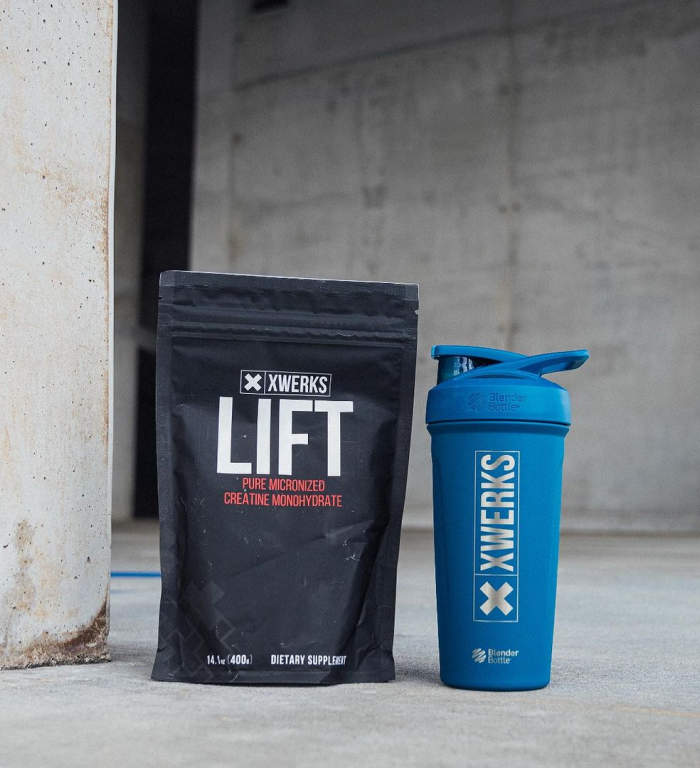
Quality brands: Any Creapure-certified monohydrate, XWERKS Lift, Optimum Nutrition Creatine, BulkSupplements, NOW Foods.
CoQ10 (Ubiquinol)
100-200mg daily · ubiquinol form preferredCoQ10 is essential for mitochondrial ATP production — it shuttles electrons in the electron transport chain. Production declines with age, and statin medications deplete CoQ10. Research supports CoQ10 supplementation for statin-associated muscle symptoms, modest cardiovascular benefits in people with heart failure, and potentially mitochondrial support in older adults.
Energy benefits: Most meaningful in statin users (who may have iatrogenic CoQ10 deficiency) and older adults. Effects in healthy young adults are modest.
Forms: Ubiquinol is the active reduced form and is better absorbed than ubiquinone, particularly in older adults and people with absorption issues.
Quality brands: Doctor's Best Ubiquinol, Jarrow Formulas Ubiquinol, Qunol, Life Extension Super Ubiquinol CoQ10.
B-Complex (thiamine, riboflavin, niacin, B6, folate, B12)
General supplementation · not mega-dosesB vitamins are cofactors in energy metabolism, protein synthesis, and red blood cell formation. If you're deficient in one or more (common in heavy drinkers, people with malabsorption, vegetarians), supplementation can produce meaningful improvement. In well-fed adults with adequate B intake from food, B-complex supplementation has minimal "energy" effect.
Mega-dose products: "Energy" drinks and shots with 1,000%+ daily values of B vitamins are marketing. Your body excretes water-soluble excesses. The bright yellow urine from B-complex products is riboflavin (B2) being flushed — not absorbed "energy."
Methylated forms: If you've done genetic testing and have MTHFR variants, methylated folate (L-methylfolate) and methylated B12 (methylcobalamin) are better-absorbed forms. For most people, standard forms work fine.
Quality brands: Thorne Basic B Complex, Jarrow Formulas B-Right, Pure Encapsulations B-Complex Plus, Life Extension BioActive Complete B-Complex.
Omega-3 (EPA+DHA)
2-3g combined EPA+DHA dailyOmega-3s don't directly produce energy, but research supports effects on cardiovascular function, inflammation, and mood — all of which indirectly affect perceived energy. Correcting omega-3 deficiency can meaningfully improve fatigue in people with inflammatory conditions, cardiovascular issues, or depression.
Quality brands: Nordic Naturals ProOmega, Carlson Labs, Thorne, Wiley's Finest, Kirkland Signature.
What about adaptogens?
Ashwagandha
300-600mg standardized extract dailyAshwagandha doesn't give "energy" in the stimulant sense, but research supports improved sleep quality, reduced cortisol, and improved stress resilience — all of which can translate into better daytime energy. Particularly useful for "wired but tired" presentations where stress is driving poor sleep, which drives fatigue.
Quality brands: XWERKS Ashwa, Jarrow Formulas, Himalaya, Thorne.
Rhodiola Rosea
200-500mg standardized extract, morningOf the adaptogens, rhodiola has the clearest research for acute anti-fatigue effects — particularly in shift workers, students during exams, and physicians on high-stress rotations. Effects are moderate but fast-acting (often felt within days). Take in the morning; can be mildly stimulating.
Quality brands: Nordic Naturals, NOW Foods, Thorne, Gaia Herbs. Look for SHR-5 extract (most-researched) with 3% rosavins, 1% salidroside.
Ginseng (Panax ginseng or American ginseng)
200-400mg standardized extractModerate evidence for reducing fatigue and improving cognitive performance, particularly in people with chronic fatigue or post-illness recovery. Quality varies enormously across commercial products — look for standardized extracts with confirmed ginsenoside content.
Quality brands: Auragin Korean Red Ginseng, Nature's Bounty Korean Ginseng, Sun Ten Panax Ginseng.
What to skip
• Mega-dose B-complex "energy shots": The "energy" is the caffeine; the B vitamins are marketing. Your kidneys excrete excess B vitamins in urine.
• Proprietary "energy blends": Unknown doses of mixed ingredients. Can't dose what you can't measure. Typically contain caffeine plus adaptogens at sub-clinical amounts.
• "Adrenal fatigue" stacks: "Adrenal fatigue" is not a recognized medical diagnosis. Symptoms attributed to it are usually explained by chronic stress, poor sleep, thyroid issues, or anemia. Work with a physician to identify the actual cause rather than buying expensive unproven supplement protocols.
• Nitric oxide / "pump" supplements for daytime energy: These are marketed for vascular effects during training, not general daytime energy. The "energy" sensation is often caffeine content or placebo.
• Vitamin IV drips: IV vitamin therapy has virtually no evidence base for energy improvement in non-deficient people. Expensive placebo. Exceptions exist for medical conditions requiring IV supplementation, but those should be physician-directed.
• "Detox" products claiming to boost energy: Your liver and kidneys are your detox system; they don't need supplementation. "Detox" products have no evidence for the claims made about them.
• "Methyl B12" at 5,000-10,000mcg doses unless specifically indicated: Useful for actual deficiency but mega-doses aren't better than moderate doses. Wastes money.
• Cordyceps, maca, and exotic mushroom/root powders: Limited research evidence, highly variable product quality, expensive. If ashwagandha and rhodiola don't work for you, these are unlikely to either.
When persistent fatigue warrants a physician
If you've addressed sleep, stress, caffeine, and tried a reasonable supplementation trial, but fatigue persists for weeks or months, see a physician. Common medical causes of fatigue that require diagnosis and treatment:
- Hypothyroidism: Particularly common in women 30+. Signs: fatigue, cold intolerance, dry skin, constipation, weight gain, hair thinning. Requires TSH (thyroid-stimulating hormone) blood test; sometimes free T4 and free T3.
- Iron deficiency anemia: Signs: exhaustion, shortness of breath on exertion, cold hands and feet, pale skin, brittle nails. Requires complete blood count, ferritin, iron panel.
- B12 deficiency: Signs: fatigue, tingling/numbness in extremities, cognitive fog, mood changes. Requires serum B12 and potentially methylmalonic acid.
- Sleep apnea: Signs: loud snoring, witnessed breathing pauses, morning headaches, daytime fatigue despite adequate sleep hours. Requires sleep study (home or in-lab).
- Depression: Signs: persistent low mood, loss of interest, appetite/sleep changes, fatigue, cognitive slowing. Treatable with therapy, medication, or both.
- Diabetes or pre-diabetes: Signs: fatigue, excessive thirst, frequent urination, unexplained weight changes. Requires fasting glucose and/or HbA1c testing.
- Chronic infections: Lyme disease, Epstein-Barr reactivation, post-viral fatigue syndromes. Requires specialized testing.
- Autoimmune conditions: Lupus, rheumatoid arthritis, Hashimoto's, others can all cause fatigue as a primary symptom.
- Kidney or liver dysfunction: Less common but can cause persistent fatigue. Requires comprehensive metabolic panel.
Complete blood count (CBC), comprehensive metabolic panel (CMP), thyroid panel (TSH, free T4), vitamin D 25(OH)D, vitamin B12, ferritin, iron panel, HbA1c or fasting glucose. If you menstruate, the iron panel is particularly important. If you snore or have witnessed breathing pauses, request sleep apnea screening. These tests are standard and inexpensive, and will identify the most common medical causes of fatigue.
Building your protocol
Tier 1: Rule out the obvious
• Getting 7-9 hours of sleep consistently
• Caffeine under 400mg daily, nothing after noon
• Eating adequately (calories and protein)
• Not chronically overtrained
• Not in a period of acute life stress
If you answered "no" to any of these, address that before buying supplements.
Tier 2: Test before supplementing
Request the basic fatigue workup from your physician. Identify what you're actually deficient in. Correct targeted deficiencies — don't shotgun-supplement everything. Particularly important: vitamin D, B12, iron/ferritin, thyroid.
Tier 3: Foundational supplements for most active adults
• Vitamin D3: 2,000-4,000 IU daily (test and adjust)
• Omega-3 fish oil: 2-3g EPA+DHA daily
• Magnesium glycinate: 200-400mg evening for sleep quality
• Creatine monohydrate: 5g daily for ATP support, cognition, and training
• Quality B-complex (not mega-dose): if diet is questionable
Tier 4: Situational additions
• Ashwagandha 300-600mg evening — for stress-driven "wired but tired" fatigue
• Rhodiola 200-500mg morning — for acute stress periods, shift work, jet lag
• CoQ10 100-200mg — particularly for statin users or adults 50+
• Iron — only if medically indicated; not self-directed
The Bottom Line
Vitamins don't give you energy — they fix deficiencies that sap it. If you're not deficient, supplementing produces minimal subjective energy improvement. Correcting an actual deficiency (vitamin D, B12, iron) can produce meaningful changes.
Test before supplementing. Request a basic fatigue workup: CBC, CMP, thyroid panel, vitamin D, B12, ferritin, HbA1c. You can't know what you need without knowing what you're low on.
Address the lifestyle drivers first: sleep, caffeine load, adequate nutrition, stress management, training recovery. These produce larger energy improvements than any supplement.
See a physician if: fatigue is persistent and doesn't respond to the basics. Thyroid disease, sleep apnea, iron deficiency, depression, and other conditions all cause fatigue and require medical diagnosis.
Skip: mega-dose B-complex "energy shots," proprietary energy blends, "adrenal fatigue" protocols, vitamin IV drips, and "detox" products marketed for energy.
Foundational Support, Transparently Dosed
Creatine monohydrate for cognitive and ATP support (XWERKS Lift). Ashwagandha for stress-driven fatigue (XWERKS Ashwa). No proprietary blends, no "energy matrix" marketing — just research-backed ingredients at clinical doses.
Shop XWERKS