Supplements for Women Over 40: An Evidence-Based Guide
TL;DR
- After 40, women face accelerating muscle loss, declining bone density, and shifting hormones — and a few well-chosen supplements can genuinely help, on top of training, protein, and sleep.
- The highest-value, best-evidence picks: protein, creatine, vitamin D, and magnesium — plus electrolytes and omega-3s depending on your needs.
- Protein and creatine are the two that most directly fight age-related muscle and strength loss when paired with resistance training.
- Skip the bloated "women's multivitamin" hype — focus on the handful of things with real evidence and clean dosing.
- Hormonal changes around perimenopause and menopause make this a smart time to check in with your doctor, especially for vitamin D and any new supplement.
The supplement aisle is full of products marketed to women over 40 — most of them underdosed multivitamins promising the world. The truth is simpler and more useful: a small number of well-researched supplements can meaningfully support the things that actually change with age — muscle, bone, energy, and recovery. This guide cuts through the marketing and focuses on what the evidence supports, why it matters specifically for women in their 40s and beyond, and how to use each one. The foundation is always training, protein, and sleep; these supplements support that foundation.

What changes for women after 40
Understanding the "why" makes the supplement choices obvious. From the 40s onward, women typically experience a gradual loss of muscle mass and strength (sarcopenia), declining bone mineral density, and the hormonal shifts of perimenopause and menopause as estrogen declines. These changes affect metabolism, body composition, energy, recovery, and long-term health and independence.
The two most powerful countermeasures aren't supplements at all — they're resistance training and adequate protein. Everything below works best as support for those fundamentals, not as a replacement for them.
The supplements worth taking
1. Protein — the #1 priority
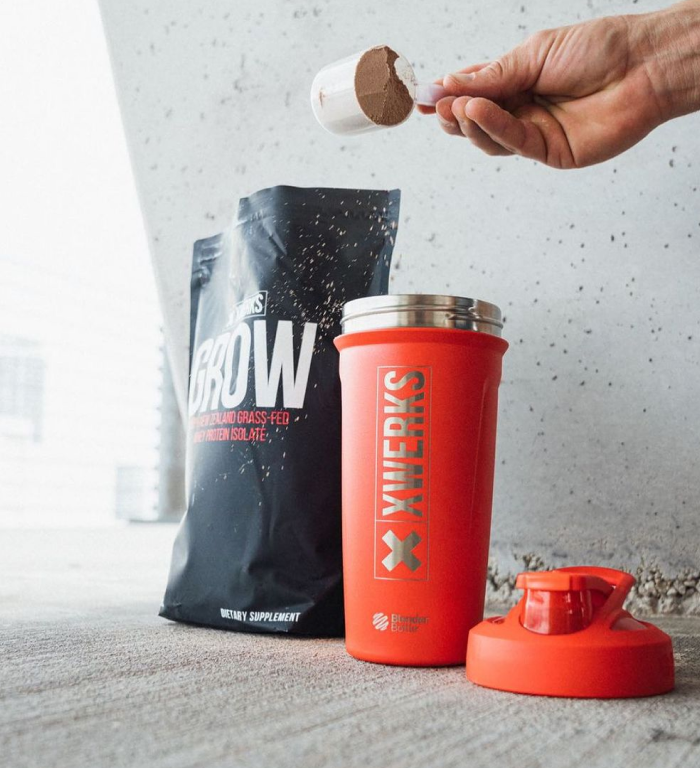
Best evidence · highest impactProtein needs actually rise with age because older muscle is less responsive to it ("anabolic resistance"), yet many women over 40 under-eat protein. Adequate intake — around 1.6–2.2g per kg of bodyweight daily — is the single most important nutritional lever for preserving muscle, supporting metabolism, and staying strong. A clean whey isolate like XWERKS Grow (25g per scoop, leucine-rich) makes hitting that target realistic, especially at breakfast where women most often fall short.
2. Creatine — the most underrated
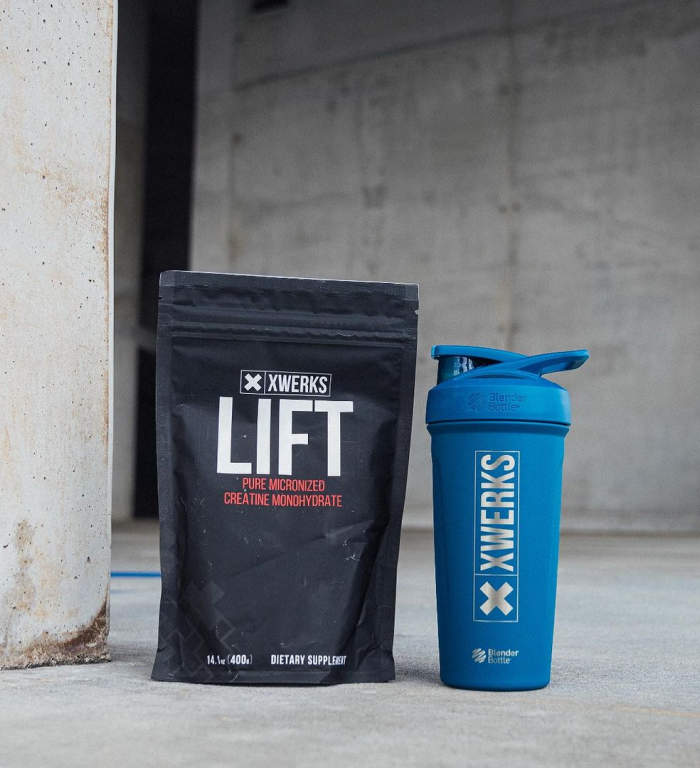
Strong evidence · muscle, strength, bone, possibly cognitionLong mislabeled a "men's" supplement, creatine may be one of the most valuable supplements for women over 40. It supports muscle and strength (directly countering sarcopenia), shows promise for bone health when paired with resistance training, and is being researched for energy and cognition — all areas relevant during perimenopause and menopause. Women store less creatine naturally, so there may be more to gain. 5g of monohydrate daily (XWERKS Lift). We go deep on this in creatine for menopause.
3. Vitamin D — bone, muscle, and more
Strong evidence · widely deficientVitamin D supports bone health (critical as bone density declines), muscle function, and immune health — and deficiency is extremely common, especially in those with limited sun exposure. It's one of the few supplements genuinely worth testing for and correcting. Ask your doctor to check your level; supplementation is often warranted, frequently paired with vitamin K2 for bone support. (XWERKS doesn't make a vitamin D product — this is a general recommendation; any quality D3 works.)
4. Magnesium — sleep, muscle, and stress
Good evidence · commonly lowMagnesium is involved in hundreds of processes — muscle and nerve function, sleep quality, stress regulation, and bone health — and many women don't get enough. It can be particularly helpful for the sleep disruption and muscle cramping some women experience around menopause. Magnesium glycinate is a well-tolerated, well-absorbed form. (A general recommendation — any quality magnesium glycinate works.)
5. Omega-3s (fish oil) — heart, joints, brain
Good evidence · situationalOmega-3 fatty acids (EPA/DHA) support cardiovascular health, joint comfort, and brain health — all increasingly relevant with age. If you don't eat fatty fish regularly, a quality fish oil is a sensible add. (A general recommendation.)
6. Electrolytes — for active women & hot climates
Situational · performance & hydrationIf you train regularly, do hot-weather workouts, or experience cramping, electrolytes (sodium, potassium, magnesium) support hydration and muscle function better than water alone. XWERKS Motion pairs electrolytes with carbohydrate for active sessions. See electrolytes vs water for when they matter.
What to skip (or be skeptical of)
Mega "women's over 40" multivitamins. Most are underdosed across the board and overpriced. You're usually better off targeting the specific things you need (protein, creatine, D, magnesium) at effective doses.
"Hormone-balancing" and "metabolism-boosting" blends. These often rely on proprietary blends and big claims with thin evidence. Be skeptical of anything promising to "reset" hormones or "melt" fat.
Mega-dose fat burners and stimulants. High-stim products can disrupt the sleep and stress regulation that matter even more as you age. A moderate approach wins.
Collagen as a muscle protein. Collagen has a place for skin and joints, but it's a poor muscle-building protein — don't let it replace your complete protein. (See collagen vs whey.)
A simple starting stack for women over 40
If you want a clean, evidence-based place to start — layered on top of resistance training 2–3x/week and good sleep:
Daily foundation: Hit your protein target (1.6–2.2g/kg) with Grow filling the gaps, 5g creatine (Lift), vitamin D (dose per your doctor/bloodwork), and magnesium glycinate in the evening.
Add as needed: omega-3s if you don't eat much fatty fish; electrolytes (Motion) around training or in heat.
That's it — a handful of high-value, well-dosed supplements instead of a cabinet full of underdosed hype.
The Bottom Line
For women over 40, a few well-chosen supplements genuinely help — but they work on top of the real foundation of resistance training, adequate protein, and sleep, not instead of it.
The highest-value picks: protein (1.6–2.2g/kg — the #1 priority) and creatine (5g daily) to fight age-related muscle and strength loss, plus vitamin D and magnesium, which are commonly low. Electrolytes and omega-3s are useful situational adds.
Skip the hype — underdosed "women's 40+" multivitamins and "hormone-balancing" blends rarely deliver. Focus on the few things with real evidence, dose them properly, and loop in your doctor (especially for vitamin D). Grow and Lift cover the two that matter most.
Further Reading
References
1. Bauer J, et al. Evidence-based recommendations for optimal dietary protein intake in older people: PROT-AGE Study Group. J Am Med Dir Assoc. 2013;14(8):542-559.
2. Smith-Ryan AE, et al. Creatine supplementation in women's health: a lifespan perspective. Nutrients. 2021;13(3):877.
3. Chilibeck PD, et al. Effects of creatine and resistance training on bone health in postmenopausal women. Med Sci Sports Exerc. 2015;47(8):1587-1595.
4. Bischoff-Ferrari HA, et al. Vitamin D and muscle function. Osteoporos Int. 2019;30(1):1-12.
5. Morton RW, et al. A systematic review, meta-analysis and meta-regression of the effect of protein supplementation on resistance training-induced gains. Br J Sports Med. 2018;52:376-384.