Fasted Cardio: Does It Actually Burn More Fat?
TL;DR
- Fasted cardio does burn slightly more fat during the session — but over 24 hours, total fat loss comes out about the same as fed cardio.
- What actually drives fat loss is your overall calorie deficit and total protein across the day — not whether you train on an empty stomach.
- Fasted cardio is fine if you like it (some people prefer training before eating, and it's convenient in the morning) — but it has no magic fat-burning advantage over fed cardio.
- The real downside: training fasted can feel lower-energy and may risk some muscle breakdown on longer or harder sessions — protecting muscle matters more than chasing marginal fat burn.
- If you do fasted cardio, keep it easy-to-moderate, stay hydrated with electrolytes, and prioritize protein around it to protect muscle.
Fasted cardio — doing your cardio before eating, usually first thing in the morning — has been sold for years as a fat-loss "hack." The logic sounds compelling: with no food to burn, your body taps into stored fat instead. But does it actually lead to more fat loss over time? The research has a clear answer, and it's not what the hype suggests. Here's what fasted cardio really does, when it makes sense, and how to do it without sabotaging your muscle.

What "fasted cardio" actually means
Fasted cardio simply means doing cardiovascular exercise in a fasted state — typically after an overnight fast, before breakfast. The idea is that with low insulin and depleted carbohydrate availability, your body relies more on stored fat for fuel during the session. That part is actually true: you do oxidize more fat during a fasted session. The problem is what that does (and doesn't) mean for actual fat loss.
The myth: more fat burned during = more fat lost overall
Here's where the hype falls apart. Burning more fat during a single session doesn't mean you lose more fat over time. Your body's fuel use is dynamic and self-balancing: if you burn more fat during fasted morning cardio, you tend to burn correspondingly more carbohydrate (and less fat) later in the day, and vice versa. What matters for fat loss is the 24-hour and weekly picture, not one snapshot.
What actually drives fat loss
If fasted cardio isn't the lever, what is? The same fundamentals that always apply:
A consistent calorie deficit
Losing fat requires burning more energy than you consume over time. This is the primary driver — everything else is a detail on top of it.
Adequate protein
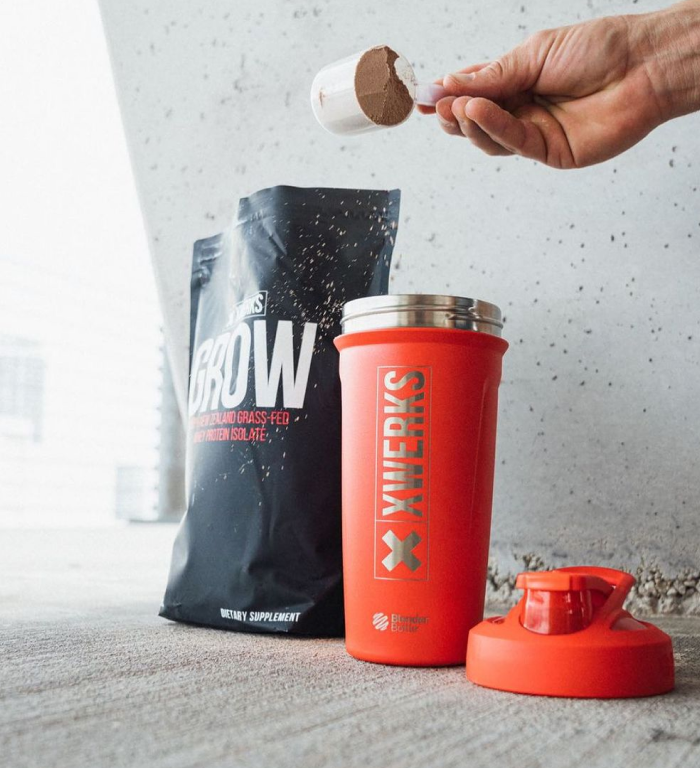
High protein (1.6–2.2g/kg/day) preserves muscle in a deficit and keeps you full. This matters far more than cardio timing. A lean whey isolate like XWERKS Grow makes hitting the target easy on lower calories.
Resistance training
Lifting weights preserves (and builds) the muscle that keeps your metabolism up while you lose fat. It's more important for body composition than any cardio protocol.
Total activity and consistency
Cardio helps create the deficit — fasted or fed. Doing it consistently in a way you enjoy and can sustain beats chasing a "fat-burning" trick you'll abandon.
So is fasted cardio bad? No — here's when it makes sense
None of this means fasted cardio is wrong. It just isn't magic. There are genuinely good reasons some people prefer it:
Convenience
Training first thing in the morning before eating is simple and gets it done before the day fills up. If that's when you'll actually do it, fasted cardio wins by default.
Some people feel better training on an empty stomach
Light cardio with food sloshing around is uncomfortable for some. If you feel lighter and more comfortable training fasted, that's a perfectly valid reason.
It can pair with intermittent fasting
If you already eat in a time-restricted window, morning fasted cardio fits naturally into that schedule.
The real downside to watch for: muscle
The legitimate concern with fasted cardio isn't fat loss — it's muscle. Training fasted, especially longer or higher-intensity sessions, may increase muscle protein breakdown when there are no incoming amino acids. For most people doing easy-to-moderate cardio for 30–45 minutes, this is minor. But if you're doing long or intense fasted sessions, protecting muscle becomes worth a little attention.
How to do fasted cardio well
Keep it easy-to-moderate. Zone 2 / conversational-pace cardio is ideal fasted. Save high-intensity work for fed sessions.
Stay hydrated with electrolytes. You're often doing this first thing in the morning, already somewhat dehydrated from sleep. Water plus electrolytes (Motion) keeps performance up — see electrolytes vs water for when each matters.
Eat protein soon after. Break the fast with a protein-forward meal or shake to support recovery and muscle.
Don't force it. If fasted cardio leaves you weak, dizzy, or wrecked, just eat something light first. Fed cardio loses you nothing in fat-loss terms.
The Bottom Line
Fasted cardio burns slightly more fat during the session, but not more fat overall. When calories and protein are matched, fasted and fed cardio produce the same fat loss. The deficit is the driver — not training on an empty stomach.
It's fine if you like it. Convenience, comfort, and fitting an eating window are real reasons to do fasted cardio — just don't expect a magic fat-burning bonus. What actually moves the needle is a consistent deficit, high protein, and resistance training.
Protect your muscle. Keep fasted sessions easy-to-moderate, prioritize protein (Grow) around them, stay hydrated with electrolytes (Motion), and consider a light EAA/BCAA hedge on longer sessions. Muscle preservation matters more than chasing marginal fat burn.
Further Reading
Body Recomposition: Lose Fat & Build Muscle
How to Lose Fat and Gain Muscle
References
1. Schoenfeld BJ, et al. Body composition changes associated with fasted versus non-fasted aerobic exercise. J Int Soc Sports Nutr. 2014;11:54.
2. Hackett D, Hagstrom AD. Effect of overnight fasted exercise on weight loss and body composition: a systematic review and meta-analysis. J Funct Morphol Kinesiol. 2017;2(4):43.
3. Vieira AF, et al. Effects of aerobic exercise performed in fasted v. fed state on fat and carbohydrate metabolism in adults: a systematic review and meta-analysis. Br J Nutr. 2016;116(7):1153-1164.
4. Aird TP, et al. Effects of fasted vs fed-state exercise on performance and post-exercise metabolism: a systematic review and meta-analysis. Scand J Med Sci Sports. 2018;28(5):1476-1493.