Creatine for Menopause: Why It May Be One of the Most Useful Supplements for Women 40+
TL;DR
- Creatine isn't just for bodybuilders — it's one of the most-researched, safest supplements available, and emerging evidence suggests it may be particularly valuable for women in perimenopause and menopause.
- The menopausal transition brings loss of muscle and strength, declining bone density, and changes in energy and cognition — areas where creatine has shown supportive effects, especially when paired with resistance training.
- Women may benefit from creatine even more than men because they store less creatine naturally and tend to get less from diet.
- The protocol is simple and the same as for anyone: 5g of creatine monohydrate daily, every day, no loading required.
- Creatine is well-tolerated with a strong safety record, but as with any supplement during menopause, it's worth a quick conversation with your doctor — especially if you have kidney concerns.
Creatine has spent decades labeled a "muscle-building supplement for men" — but that reputation badly undersells it, especially for women navigating perimenopause and menopause. As estrogen declines, women face accelerated muscle loss, falling bone density, and shifts in energy and mood. A growing body of research suggests creatine — one of the safest, most-studied supplements in existence — may help support several of these areas, particularly alongside strength training. Here's what the evidence actually shows, why women may benefit even more than men, and how to use it.

What changes during menopause — and why it matters
The menopausal transition involves a significant decline in estrogen, and estrogen does far more than regulate the reproductive system. It plays a role in muscle maintenance, bone density, energy metabolism, and brain function. As it falls, many women experience accelerated loss of muscle mass and strength (sarcopenia), declining bone mineral density, lower energy, and changes in mood and cognition.
These changes aren't just about appearance — muscle and bone are central to staying strong, mobile, and independent with age. The two most powerful tools for protecting them are resistance training and adequate protein. Creatine is emerging as a supportive third lever, particularly because it works hand-in-hand with strength training.
Why women may benefit from creatine more than men
What the research suggests creatine may help with
Muscle mass and strength
This is creatine's best-established benefit. Combined with resistance training, creatine supports gains in muscle mass and strength — directly countering the sarcopenia that accelerates after menopause. For women, maintaining muscle is one of the most important things for long-term health, metabolism, and independence. Creatine helps you get more out of each strength session.
Bone health
Declining bone density is a major menopausal concern. Some research — notably longer-term studies pairing creatine with resistance training in postmenopausal women — suggests creatine may support bone health when combined with training, likely by enhancing the muscle-on-bone loading stimulus. The evidence here is promising but still developing; creatine is a supportive tool alongside training, not a replacement for bone-health medical care.
Energy and reduced fatigue
Creatine's core role in the body is rapid energy production (regenerating ATP). Some research suggests creatine may help with energy and reduce fatigue, which can be relevant for women experiencing the energy dips common in menopause.
Cognition and mood
The brain is energy-hungry and contains creatine. Emerging research is exploring creatine's effects on cognition, mental fatigue, and mood — areas many women report changing during menopause. This is one of the most exciting frontiers in creatine research, though it's earlier-stage and not yet definitive.
Is creatine safe for menopausal women?
Creatine monohydrate is one of the most extensively studied supplements in existence, with a strong safety record across decades of research and hundreds of trials. It's not a hormone, not a stimulant, and doesn't interact with estrogen. The common myths — that it damages kidneys or causes "bulkiness" — aren't supported by the research in healthy individuals. (Worried about bloating? See does creatine make you bloated — the short answer is the water goes into muscle, not under the skin.)
That said, menopause is a time of many changes, and it's always sensible to talk with your doctor before starting a new supplement — particularly if you have any history of kidney issues or take medications. This article is educational and not a substitute for personalized medical advice.
How to take creatine during menopause
5g of creatine monohydrate daily
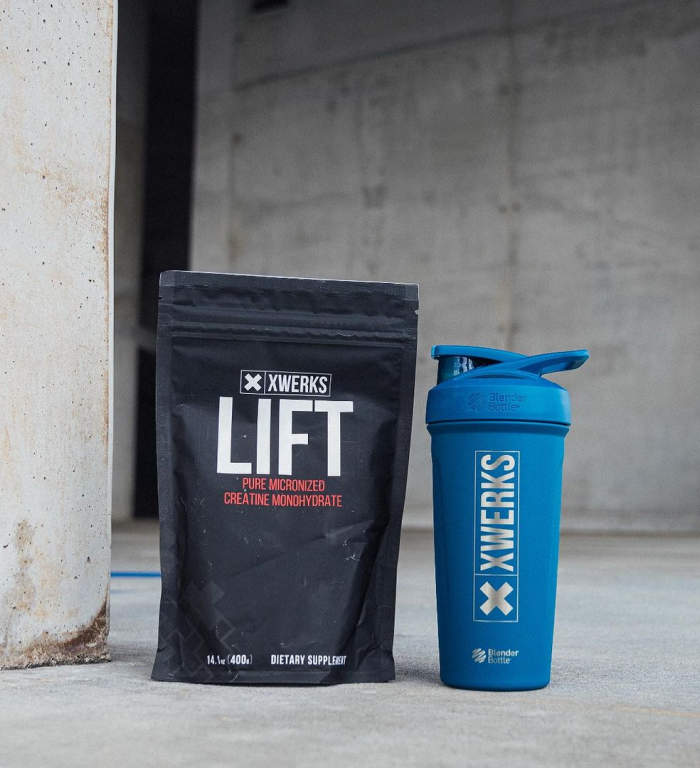
The protocol is the same as for anyone, and it's refreshingly simple: 5g of creatine monohydrate every day. You don't need a "loading phase" — a steady daily dose reaches full muscle saturation in 3–4 weeks with less chance of any stomach discomfort. XWERKS Lift provides exactly 5g of micronized monohydrate per scoop.
Take it every day, consistently
Creatine works through saturation, so the daily habit matters far more than timing. Pick a time you'll remember — with breakfast, in your morning coffee, or in a post-workout shake — and take it on training and rest days alike. No need to cycle on and off.
Pair it with resistance training and protein
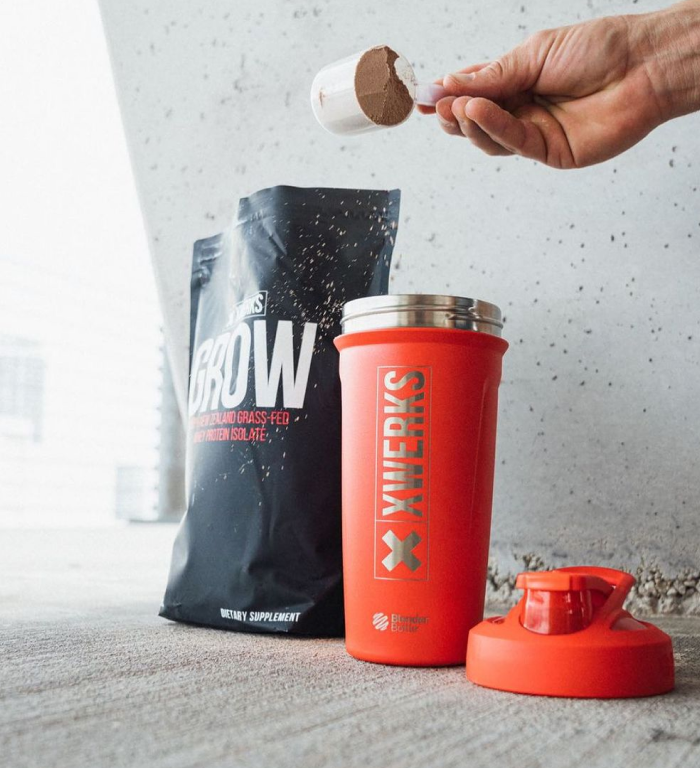
Creatine amplifies the benefits of strength training; it doesn't replace it. The most powerful menopausal health combination is resistance training 2–3x/week, adequate protein (a quality whey isolate like XWERKS Grow makes hitting your target easy), and daily creatine. Together they directly target the muscle and bone changes that matter most.
Choose plain micronized monohydrate
Don't pay extra for exotic "buffered" or "HCl" forms — monohydrate is the most-researched, most-effective, and best-value form. Just choose a micronized version so it mixes cleanly and sits easy on the stomach.
The Bottom Line
Creatine deserves a serious look from women in perimenopause and menopause. As estrogen declines and muscle, bone, energy, and cognition shift, creatine — one of the safest, most-studied supplements there is — offers supportive benefits, with the strongest evidence for muscle and strength when paired with resistance training.
Women may benefit even more than men, since they store less creatine naturally and get less from diet. The protocol is simple: 5g of monohydrate (Lift) every day, no loading, alongside strength training and adequate protein.
It's well-tolerated with a strong safety record — but menopause is a good time to loop in your doctor before starting anything new. Think of creatine as a safe, supportive tool that works alongside training, protein, and good medical care — not a magic fix.
Further Reading
Does Creatine Make You Bloated?
References
1. Smith-Ryan AE, et al. Creatine supplementation in women's health: a lifespan perspective. Nutrients. 2021;13(3):877.
2. Candow DG, et al. Creatine supplementation and aging musculoskeletal health. Endocrine. 2014;45(3):354-361.
3. Chilibeck PD, et al. Effects of creatine and resistance training on bone health in postmenopausal women. Med Sci Sports Exerc. 2015;47(8):1587-1595.
4. Forbes SC, et al. Creatine supplementation and brain health. Nutrients. 2022;14(5):921.
5. Kreider RB, et al. International Society of Sports Nutrition position stand: safety and efficacy of creatine supplementation. J Int Soc Sports Nutr. 2017;14:18.