Walk into any CrossFit box and you'll find a spectrum of athletes—from the person nervously attempting their first wall ball to the regional qualifier chasing a Games invitation. One common thread? Questions about supplements. What should I take? When? How much? Does it even matter?
Here's the truth most supplement articles miss: your supplement strategy should evolve as your CrossFit journey progresses. What makes sense for someone crushing three WODs per week is wildly different from what an athlete needs when training 10+ hours weekly with multiple sessions per day.
Let's break down supplement strategy across the CrossFit journey—from complete beginner to competitive athlete—so you can make informed decisions based on where you actually are, not where you want to be.
View our curated collection of CrossFit Supplements
The Foundation: What Every CrossFit Athlete Actually Needs
Before we talk about training level, let's establish the non-negotiables that apply to every single person doing CrossFit, regardless of experience or goals.
Adequate Protein
Whether you're doing three WODs per week or training for the Open, you need 1.6-2.2g of protein per kilogram of body weight daily. This isn't optional. CrossFit's combination of heavy lifting, high-rep barbell work, and metabolic conditioning creates significant muscle damage that requires protein for recovery.
The problem? Most people significantly underestimate how much protein they're actually consuming. Track your intake for three days and you'll probably discover you're eating 60-80g when you need 120-140g.
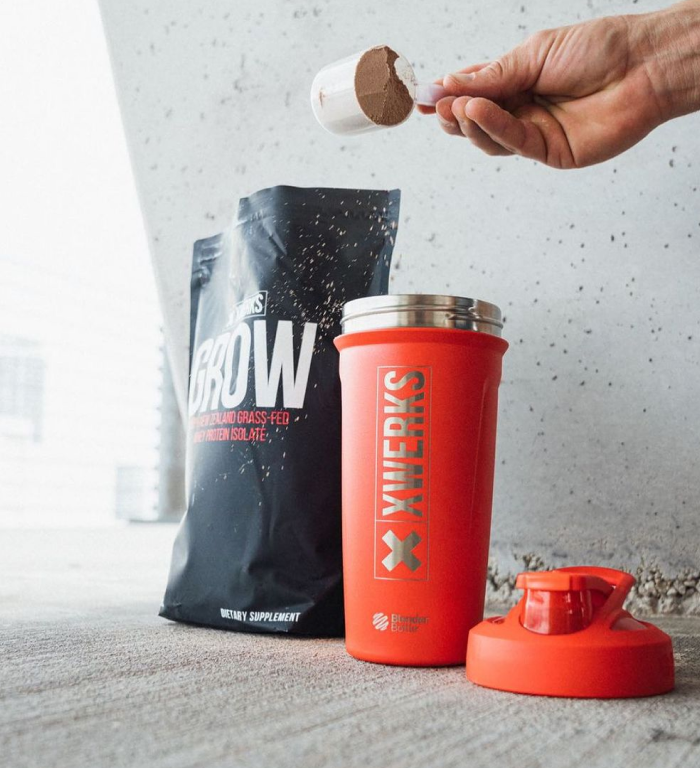
Xwerks Grow provides 25g of grass-fed whey protein isolate per serving—an easy way to bridge the gap between what you're eating and what you need. Mix it post-WOD, blend it into overnight oats, or drink it between meals. The form doesn't matter; hitting your daily total does.
Sufficient Hydration
Dehydration of just 2% body weight impairs performance significantly. You're not "tough" for grinding through a WOD while dehydrated—you're just training suboptimally and increasing injury risk.
Water is the foundation, but during intense sessions, you're losing electrolytes (primarily sodium) that need replacement. Don't wait until you're cramping during wall balls to think about electrolytes.
Sleep
No supplement compensates for inadequate sleep. If you're sleeping 5-6 hours per night, your supplement strategy should be "go to bed earlier," not "buy more pre-workout." Recovery happens during sleep. Period.
Now, let's look at how supplement needs change as training demands increase.
Level 1: The Beginner (3-4 WODs Per Week)
You've been doing CrossFit for a few months. You're learning movements, building work capacity, and probably sore in places you didn't know existed. Your goals are simple: show up consistently, improve technique, and avoid injury.
What You Actually Need
Honestly? Not much beyond the basics.
Protein: Your primary supplement focus should be hitting daily protein targets through food first, supplementation second. If you're getting 100-120g from meals, a single protein shake with Xwerks Grow post-WOD gets you where you need to be.
Creatine: This is where I'd start if you're adding one supplement beyond protein. Creatine monohydrate at 3-5g daily will help with:
- Strength gains on your lifts
- Power output during metcons
- Recovery between training sessions
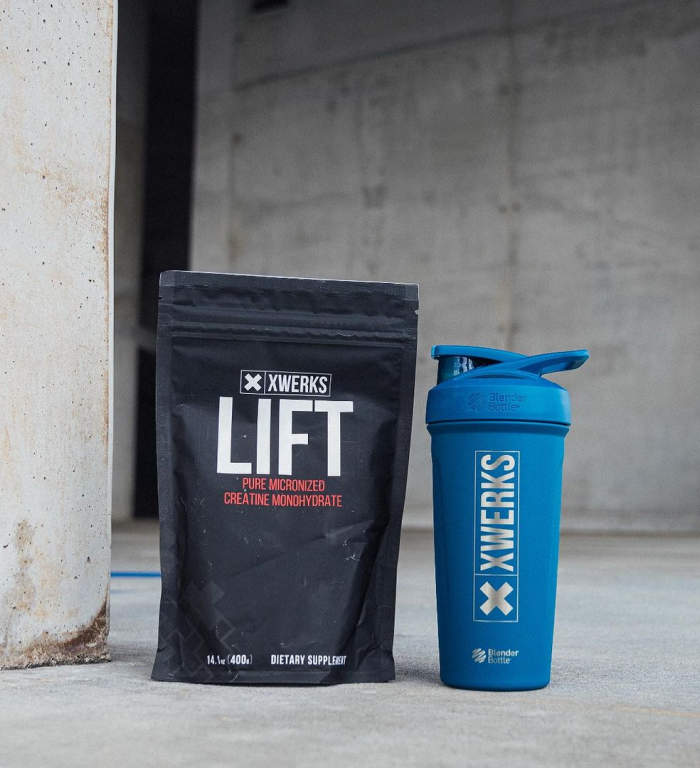
Xwerks Lift provides pure creatine monohydrate. Take it daily—timing doesn't matter. Just consistency.
What You Don't Need
- Pre-workout: You're not training at an intensity that requires it, and you're better off learning to push hard without stimulants
- Intra-workout carbs: Your sessions are under 60 minutes; your muscle glycogen is fine
- BCAAs: Total waste if you're hitting protein targets
- "Fat burners" or "thermogenics": Focus on technique and consistency, not shortcuts
The Beginner's Stack
- Daily: Xwerks Lift (3-5g creatine)
- Post-WOD: Xwerks Grow (25g protein)
- That's it.
Level 2: The Committed Athlete (5-6 Days Per Week, Competition Curious)
You're now a regular. You've done a local throwdown or two, maybe signed up for the Open. You're working on skills consistently, following a structured program, and training is a legitimate part of your lifestyle. Your weak points are clear, and you're actively addressing them.
Evolving Needs
Your training volume has increased significantly. You might be doing strength work before or after class, dedicating time to gymnastics skills, and pushing intensity harder than before. Your body is adapting, but recovery is becoming more challenging.
Supplements That Make Sense Now
Creatine: Still foundational. Continue 3-5g daily.
Protein: Your needs haven't changed in principle, but timing becomes more relevant. If you're training twice in one day or doing a long session (90+ minutes), splitting protein intake strategically helps:
- Post-training: 25-30g within 2 hours
- Throughout the day: Spread remaining intake across 3-4 meals
- Before bed: 20-30g for overnight recovery
Pre-Workout (Strategic Use): Notice I said "strategic," not "daily." Reserve pre-workout for:
- Testing 1RMs or heavy lifting days
- Benchmark WODs where you want to push limits
- Competition or simulated competition workouts
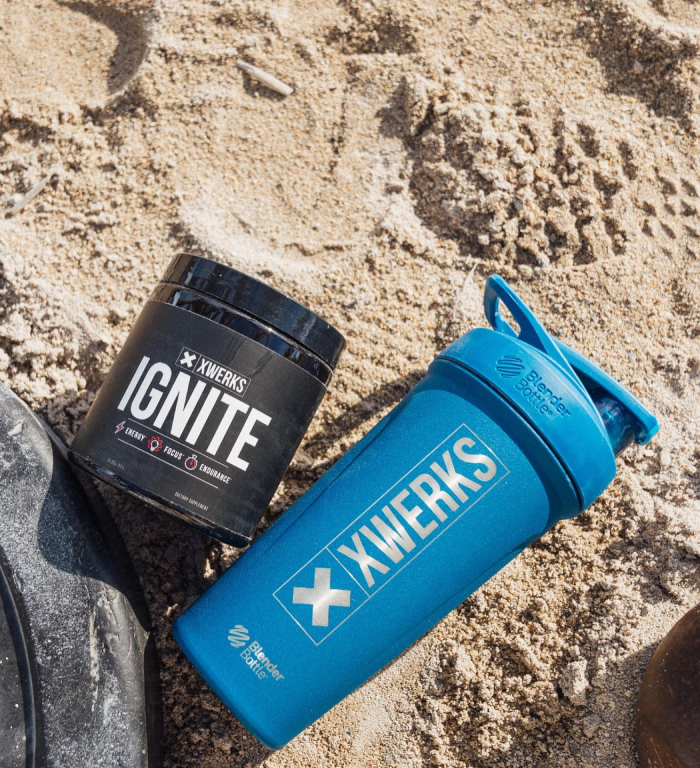
Xwerks Ignite provides caffeine for focus, beta-alanine for buffering lactate, and citrulline for blood flow. But don't become dependent on it for regular training.
Electrolytes for Longer Sessions: If your training extends beyond 75-90 minutes, or you're doing multiple sessions in a day, electrolyte replacement becomes important. Mix Xwerks Motion and sip during extended sessions.
What's Still Unnecessary
- Daily pre-workout: Save it for when you need it
- Intra-workout carbs: Unless sessions regularly exceed 90 minutes
- Exotic supplements: Stick with what has solid research
The Committed Athlete's Stack
- Daily: Xwerks Lift (3-5g creatine)
- Daily/Post-WOD: Xwerks Grow (protein as needed to hit targets)
- Strategic: Xwerks Ignite (heavy days, tests, competitions)
- Longer sessions: Xwerks Motion (when training exceeds 90 minutes)
Level 3: The Competitive Athlete (7+ Days Per Week, Multiple Sessions)
You're training with purpose and structure. You qualified for Semifinals or you're chasing that goal. You're doing dedicated strength programs, skills work, multiple metcons per week, and actively working weaknesses. Training is 10-15+ hours weekly across multiple daily sessions.
At this level, recovery becomes as important as training. You're constantly depleting and trying to replenish. Suboptimal nutrition or supplementation directly impacts your ability to train the next day.
Advanced Supplementation Strategy
Carbohydrate Strategy Becomes Critical
This is the level where intra-workout carbohydrates stop being optional. When you're doing a 90-minute strength session followed by a metcon, or training twice daily, you need to actively replenish glycogen between sessions.
Xwerks Motion with cluster dextrin provides:
- Fast-absorbing carbohydrates without GI distress
- Electrolytes for hydration
- BCAAs for muscular support during extended training
Use it liberally during and between training sessions. Aim for 30-60g of carbohydrates per hour during longer sessions.
Beta-Alanine for Buffering
At higher training volumes, beta-alanine supplementation (3-6g daily) increases muscle carnosine levels, helping buffer the lactate accumulation that makes high-rep thrusters feel like death. It takes 4-6 weeks to saturate, so consistency matters more than timing.
Xwerks Ignite contains beta-alanine, but if you're using pre-workout sparingly, consider standalone beta-alanine supplementation.
Omega-3s for Recovery
The training volume creates significant systemic inflammation. Omega-3 fatty acids (2-3g EPA/DHA daily) support:
- Anti-inflammatory processes
- Joint health (crucial with Olympic lifting volume)
- Overall recovery capacity
Micronutrient Insurance
At high training volumes, micronutrient needs increase. A quality multivitamin isn't sexy, but deficiencies in vitamin D, magnesium, zinc, or B vitamins directly impair performance and recovery.
What Still Doesn't Matter
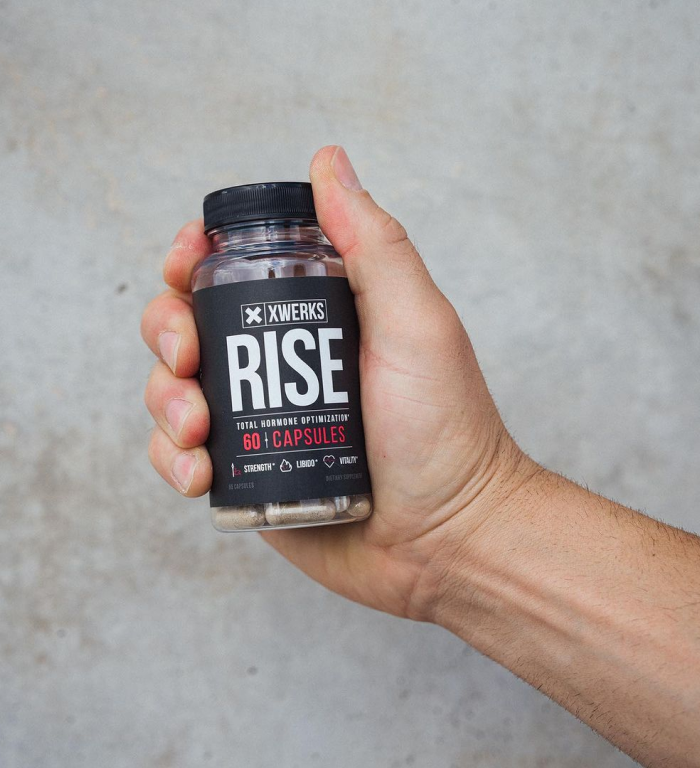
- Testosterone boosters: If you're training this much and not recovering, you need better programming and sleep, not supplements
- Excessive pre-workout: More caffeine doesn't mean better training
- Proprietary "performance blends": Stick with ingredients that have research backing
The Competitive Athlete's Stack
- Daily: Xwerks Lift (3-5g creatine)
- Daily: Xwerks Grow (multiple servings to hit 1.6-2.2g/kg protein)
- During training: Xwerks Motion (any session over 60 minutes)
- Strategic pre-workout: Xwerks Ignite (max effort days, competitions)
- Daily: Omega-3s (2-3g EPA/DHA)
- Daily: Quality multivitamin
- Daily: Magnesium (300-400mg for recovery)
Competition Day: A Different Game
Whether it's a local throwdown, Quarterfinals, or Semifinals, competition day nutrition is its own beast.
Pre-Competition (45-60 Minutes Before First Event)
Xwerks Ignite provides the caffeine, beta-alanine, and citrulline you want for enhanced performance. But don't try this for the first time on comp day—test your protocol in training.
Between Events
This is where Xwerks Motion becomes crucial. Between heats, you need to:
- Replenish glycogen rapidly
- Restore hydration and electrolytes
- Minimize muscle damage accumulation
Sip Motion between events along with easily digestible whole foods.
Post-Competition
Protein and carbohydrates within 60 minutes. Xwerks Grow mixed with fruit is an easy, effective option when you're exhausted and not ready for a full meal.
The Mistakes Athletes Make at Every Level
Beginners: Taking everything at once because competitors do. You don't need the same stack as someone training 15 hours weekly when you're doing 3-4 WODs per week.
Intermediate Athletes: Relying on pre-workout daily. You're building caffeine tolerance and dependence when you should be building work capacity.
Advanced Athletes: Neglecting the basics in favor of exotic supplements. Creatine, protein, and carbohydrates will always matter more than the latest "game-changing" ingredient.
Everyone: Not tracking whether supplements actually improve performance. If you can't tell whether something is working, you're wasting money.
The Honest Truth About Supplements and CrossFit
Supplements are tools, not magic. They support training—they don't replace it. The best supplement stack can't compensate for:
- Inconsistent training
- Poor movement quality
- Inadequate sleep
- Terrible programming
- Chronic stress
But when training, sleep, nutrition, and recovery are dialed in, strategic supplementation provides legitimate performance advantages. The key is matching your supplement strategy to your actual training demands, not your aspirations or what you see competitors doing.
Start with the basics—creatine and protein. As training volume and intensity increase, add targeted supplements that address specific demands. Don't waste money on things that don't apply to your current level.
A practical supplement checklist for CrossFit
| Decision | What to check |
|---|---|
| Daily supplements | Follow the label and build a repeatable routine; do not assume every ingredient must be taken immediately before a WOD. |
| Pre-workout caffeine | Count caffeine from all products and drinks, and consider tolerance and the time until bedtime. |
| Long sessions or competition days | Plan food, carbohydrate, fluid, and breaks around the actual event schedule. |
| After training | Plan the next meal; use a shake when normal food is inconvenient. |
Do I need a long supplement stack?
Start with the gap you are trying to solve. A long list of possible supplements is not a requirement to take all of them. Review the ingredient panels for overlap before combining products.
How do I compare a blend with separate ingredients?
Compare the disclosed amounts and serving instructions. A product name or a long ingredient list does not tell you whether the serving fits your needs. Keep the competition-day plan specific, and try any new routine during training first.
Building Your Personal Stack
Ask Yourself:
- How many hours per week am I actually training?
- Am I hitting 1.6-2.2g protein per kg daily through food?
- Do my training sessions regularly exceed 60-90 minutes?
- Am I training multiple times per day?
- Am I competing or planning to compete?
Your answers dictate your supplement needs. Be honest about where you are, not where you want to be.
Ready to build a supplement strategy that matches your training? Explore the Xwerks nutrition collection for science-backed supplements designed for serious CrossFit athletes. Check out the Xwerks blog for more training and nutrition strategies.