TL;DR
- Sun exposure's effect on testosterone is mostly indirect via the vitamin D pathway. Research linking direct sun exposure to acute testosterone elevation in humans is very limited.
- What's solid: adequate vitamin D status correlates with healthier testosterone in observational data; fixing deficiency may modestly support T in deficient men. Pilz et al.'s vitamin D supplementation trial showed modest T increases in deficient men.
- What's overstated: direct testicular sun exposure as testosterone hack, dramatic T elevation from "sunbathing," replacing supplementation/sleep/training with sun exposure. Marketing claims dramatically exceed evidence.
- Practical framework: 10-30 minutes of midday sun exposure most days (latitude-dependent), check vitamin D level, supplement if deficient, treat sun exposure as one input among many for testosterone health.
- Skip: testicular sun exposure protocols (no good evidence; skin cancer risk), tanning beds, extreme exposure protocols, treating sun as substitute for fixing deficiency through supplementation when needed.
"Sun exposure for testosterone" is a popular men's health topic with widely circulated claims that often exceed what research supports. The honest picture: sun exposure's effect on testosterone is mostly indirect, mediated through vitamin D production in the skin. Direct research linking sun exposure itself to acute testosterone elevation in humans is very limited. The robust pathway is: UVB radiation triggers vitamin D synthesis in the skin; vitamin D status correlates with testosterone in observational research; correcting vitamin D deficiency may modestly support testosterone in deficient men. The dramatic claims popular in some men's health circles — testicular sun exposure as testosterone hack, sunbathing as substitute for sleep and training, dramatic T elevation from outdoor time — don't have research support. The legitimate framework treats sun exposure as one input among many for vitamin D status and overall health, with modest indirect benefit for testosterone in men whose vitamin D status improves. For men already in healthy vitamin D range, additional sun exposure produces minimal additional testosterone benefit. The supplementation question is real: in northern latitudes during winter months, dietary intake plus sun exposure often can't maintain adequate vitamin D, and supplementation may be more reliable. This guide covers what research supports, the vitamin D pathway, the dramatic claims that exceed evidence, optimal sun exposure protocols, and what to skip.
The vitamin D pathway — the actual mechanism
The pathway from sun to testosterone is indirect:
1. UVB radiation triggers skin synthesis. Specific UVB wavelengths (290-315nm) convert 7-dehydrocholesterol in skin to pre-vitamin D3, which converts to vitamin D3 (cholecalciferol).
2. Vitamin D becomes active hormone. Liver and kidney conversion produce 25-hydroxyvitamin D (storage form, what's measured) and 1,25-dihydroxyvitamin D (active form).
3. Vitamin D status correlates with testosterone. Pilz et al. found vitamin D supplementation modestly increased testosterone in vitamin D deficient men. Wehr et al.'s observational research documents associations between vitamin D status and testosterone levels.
4. Effect size is modest. The testosterone effect of correcting vitamin D deficiency is real but typically modest (10-25% increases in deficient men). For men already in healthy range, additional vitamin D doesn't continue producing T benefits.
What the pathway suggests practically:
• If you're vitamin D deficient, fixing it (via sun, food, or supplement) may modestly support testosterone
• If you're already in healthy vitamin D range, more sun produces minimal T benefit
• Sun exposure is one route to vitamin D adequacy; supplements work too
• The testosterone effect is modest; not transformation
Confounding factors:
Outdoor time correlates with physical activity, lower body fat, more sleep, time in nature, social activity — all of which independently support healthy testosterone. Some sun-T correlation reflects these confounders, not sun exposure specifically.
The dramatic claims — what evidence doesn't support
• "Testicular sun exposure boosts testosterone": Based on a single small study from 1939 with methodological limitations and no rigorous replication. Modern research doesn't support this protocol. Skin cancer risk on testicular skin is a serious concern; the practice is dermatologically inadvisable regardless of T claims.
• Dramatic acute testosterone elevation from sunbathing: Acute sun exposure doesn't produce dramatic same-day T elevation. The pathway operates through vitamin D status improvement over weeks-months, not acute hormonal response.
• Sun exposure replaces sleep, training, body composition for testosterone: The biggest testosterone factors are sleep, body composition, training, and overall health. Sun exposure is a minor contributor at most. Dramatic T transformation through sun exposure alone isn't realistic.
• Specific timing protocols ("morning sun on genitals for X minutes") for T optimization: Marketing-driven specificity without research support. Standard sun exposure for vitamin D status is the actual evidence base.
• "Sunlight as primary T intervention": The actual evidence supports sun-T effect modestly via vitamin D, not dramatically through other pathways. Sleep, training, nutrition fundamentally drive T more than sun exposure.
• "Tanning beds for testosterone": Significant skin cancer risk; not justified as T intervention. Sun exposure for vitamin D specifically is reasonable; tanning beds are not.
• Combining sun exposure with cold plunge / Wim Hof / other protocols for compound T effects: Compound claims often without compound evidence.
For evidence-based testosterone optimization, see naturally raise testosterone.
Practical sun exposure protocols
For vitamin D status
10-30 min midday sun, latitude-dependent• Skin exposure: Arms, legs, back — substantial skin area uncovered for efficiency
• Time of day: Midday (10am-3pm) when UVB is most available; outside this window, UVB is much lower especially at higher latitudes
• Duration: 10-30 minutes most days, latitude and skin tone dependent
• Latitude consideration: Above ~37° N (Virginia, Kentucky, central California north), winter UVB is insufficient regardless of time spent. Equatorial latitudes provide UVB year-round.
• Skin tone consideration: Darker skin requires longer exposure for equivalent vitamin D synthesis. Lighter skin synthesizes faster.
• Sunburn: Stop before any redness or burning. Burns produce no extra vitamin D; produce skin damage.
• Combine with sunscreen application after: 10-30 minutes brief unprotected exposure for vitamin D, then sunscreen for extended outdoor time prevents skin damage.
Outdoor time more broadly
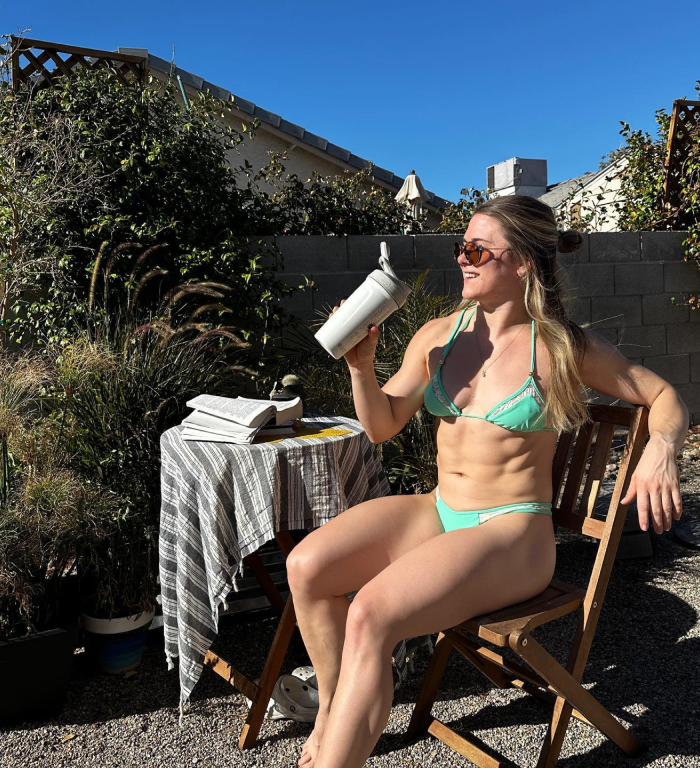
Multiple compounding benefitsBeyond vitamin D specifically, outdoor time provides:
• Circadian rhythm support: Morning sun exposure (within 30-60 min of waking) reinforces healthy circadian patterns supporting sleep and T
• Mental relaxation in nature: Stress reduction effects of natural environments
• Movement opportunities: Outdoor time often includes walking or activity
• Mood elevation: Light exposure supports mood through serotonin and circadian effects
• Possible grounding effects: If barefoot on natural surfaces — see grounding/earthing benefits
The compound benefits of outdoor time may matter more than vitamin D synthesis specifically for overall health and testosterone.
When sun isn't enough
Supplementation considerations• Higher latitudes in winter: Insufficient UVB regardless of outdoor time; supplement
• Office workers with limited midday outdoor time: Sun alone may not maintain adequate status
• Older adults: Reduced skin synthesis efficiency with aging; supplementation often needed
• Higher BMI: Vitamin D sequestered in adipose tissue; effective levels may require higher supplementation
• Darker skin in temperate climates: Longer exposure needed; supplementation may be more reliable
• Sunscreen-using populations: Reduces UVB synthesis; supplementation more reliable
For deficient men: vitamin D3 supplementation 1,000-4,000 IU daily (depending on starting status) typically restores adequate levels. Testing 25-hydroxyvitamin D guides supplementation. See vitamin D from sun vs supplement for the detailed comparison.
What actually moves testosterone (for context)
To put sun exposure in context, the major testosterone factors:
1. Sleep adequacy and quality: Single night of 5-hour sleep can drop daytime testosterone substantially. Chronic sleep deprivation reliably suppresses T. Foundational.
2. Body composition: Excess body fat (particularly visceral fat) contributes to elevated estrogen and lower testosterone via aromatase activity. Body composition optimization may produce larger T effects than most other interventions.
3. Resistance training: Acute T elevation post-training; chronic adaptation supporting T. Foundational for T health in adult men.
4. Adequate calories and protein: Severe caloric restriction suppresses T. Adequate calories with adequate protein supports T health.
5. Stress management: Chronic cortisol elevation suppresses T. Sleep, exercise, social connection support stress regulation.
6. Specific deficiencies: Vitamin D, zinc, magnesium correction in deficient men supports T modestly.
7. Sun exposure / outdoor time: Modest contribution via vitamin D, circadian rhythm, mental health, activity. Real but modest.
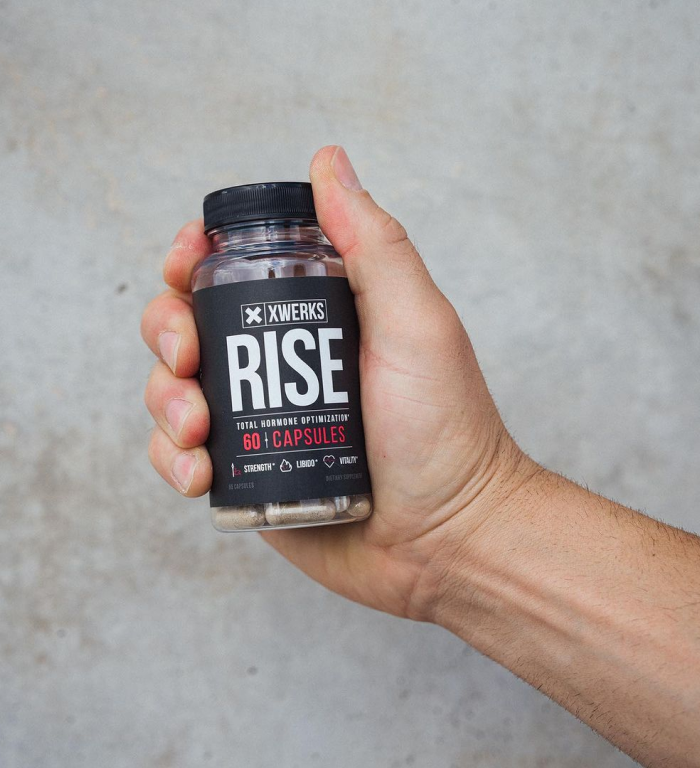
8. Supplements (Tongkat Ali, Boron, etc.): Specific evidence-supported supplements may modestly support T. XWERKS Rise combines Tongkat Ali, Zinc, Boron, and Shilajit for T support.
The main message: sun exposure is one modest contributor. Without sleep, training, body composition, and nutrition fundamentals, sun exposure won't produce meaningful T optimization. With those fundamentals, sun exposure adds modest additional support.
Common questions about sun exposure for testosterone
"Will more sun exposure boost my testosterone?"
If you're vitamin D deficient, correcting it (via sun, food, or supplement) may modestly increase T. If you're already in healthy vitamin D range, more sun produces minimal additional T benefit. Test vitamin D before assuming more sun will help.
"Should I do testicular sun exposure for T?"
No. The single old study cited has methodological limitations and no rigorous replication. Skin cancer risk on testicular skin is a serious concern. The practice is not supported by current evidence and is dermatologically inadvisable.
"Is morning or midday sun better for T?"
For vitamin D synthesis specifically: midday sun (when UVB is highest). For circadian rhythm support: morning sun. For overall health: include both if possible. The T-specific benefit comes mostly through vitamin D pathway, suggesting midday matters more for that mechanism.
"What if I live in northern climate — can I get T benefit from sun?"
Northern latitudes have insufficient UVB during winter for vitamin D synthesis regardless of outdoor time. Supplementation is more reliable for vitamin D status in these contexts. Outdoor time still produces other health benefits (mood, circadian rhythm, activity) but vitamin D synthesis specifically is limited.
"Tanning bed for testosterone?"
No. Skin cancer risk substantially outweighs any vitamin D / T benefit. Sun exposure for vitamin D is reasonable; tanning beds aren't justified for T optimization.
"How much will my T go up from fixing vitamin D deficiency?"
Research suggests modest increases (typically 10-25%) in deficient men when status is corrected. For men already in adequate range, additional vitamin D doesn't continue producing T benefits. Realistic expectations matter.
Already optimized the fundamentals?
If you've got sleep, training, body composition, and nutrition handled and want evidence-based testosterone support: XWERKS Rise combines 400mg Tongkat Ali, 15mg Zinc, 6mg Boron, and 250mg Shilajit — ingredients with research support for natural T optimization in healthy men.
Shop RiseThe Bottom Line
Sun exposure's effect on testosterone is mostly indirect via the vitamin D pathway. Direct research linking sun exposure itself to acute testosterone elevation in humans is very limited.
What's solid: adequate vitamin D status correlates with healthier testosterone in observational data; fixing deficiency may modestly support T in deficient men (typically 10-25% increases).
What's overstated: testicular sun exposure protocols, dramatic acute T elevation from sunbathing, sun exposure as substitute for sleep/training/body composition fundamentals.
Practical framework: 10-30 min midday sun exposure most days when UVB-available, check vitamin D level, supplement if deficient (especially in northern latitudes during winter), treat sun as one modest input.
Skip: testicular sun exposure protocols (no good evidence; skin cancer risk), tanning beds, extreme exposure protocols, dramatic T elevation claims, treating sun as primary T intervention.
Real T factors in order of impact: sleep, body composition, resistance training, adequate calories/protein, stress management, specific deficiency correction (vitamin D, zinc, magnesium), supplements (Tongkat Ali, Boron, etc.), then sun exposure.
Honest summary: sun exposure is a real but modest contributor to testosterone health, mostly via vitamin D status. Don't expect transformation; do incorporate moderate sun exposure as one input among many. For meaningful T optimization, focus on the bigger levers first.
Dig deeper: naturally raise testosterone · how to increase testosterone · vitamin D from sun vs supplement · signs of high testosterone · hack your sleep · grounding/earthing benefits