TL;DR
- Keep protein the same on rest days. Same 1.6-2.2g/kg you'd eat on a training day — there's no good reason to drop it.
- Muscle protein synthesis stays elevated for 24-48 hours after a training session, so a rest day is when much of the actual building happens. Cutting protein then is badly timed.
- The instinct to eat less because you "didn't earn it" confuses protein with calories. Total calories can reasonably dip slightly on rest days; protein shouldn't.
- Practical version: same protein target, same 4-5 feedings, adjust carbs down modestly if you want to match lower activity.
- If anything, rest days are when people under-eat protein most — no post-workout shake, no gym routine to anchor the day around.
It's an intuitive question with a counterintuitive answer. You didn't train, so surely you need less protein? No — and rest days may be the most important days to hit your target. The repair and growth your training stimulated doesn't happen during the session; it happens across the following 24-48 hours, much of which lands on your rest day. Here's the reasoning and the practical version.

Why the requirement doesn't drop
Muscle protein synthesis runs for 24-48 hours
Resistance training elevates muscle protein synthesis well beyond the session itself — research shows the response persists for roughly 24-48 hours in trained individuals, with the strongest elevation in the first day.
So the day after a hard session, your muscles are actively building. That's not the moment to reduce the supply of raw material. The training created the demand; the rest day is when it gets met.
Protein turnover is constant
Your body continuously breaks down and rebuilds protein — muscle, enzymes, immune cells, connective tissue — whether or not you trained. Daily protein needs are driven mostly by this baseline turnover plus training-induced repair, not by what you did that specific afternoon.
The confusion is protein vs calories
Reducing intake on rest days makes some sense for total calories — you burned less, so eating a bit less is reasonable if you're managing weight. But protein isn't the macronutrient to cut. If you want to reduce intake on rest days, take it from carbohydrate, which is the macronutrient most directly tied to fuelling activity.
The practical version
Protein: unchanged
1.6-2.2g/kg if building, 2.0-2.4g/kg if in a deficit. Same on Tuesday as on the Monday you squatted.
Distribution: unchanged
4-5 feedings of 25-40g. The absence of a workout doesn't change how muscle protein synthesis responds to meals.
Carbs: reduce modestly if you like
Lower activity means lower glycogen demand, so trimming carbohydrate on rest days is a reasonable way to manage weekly calories — particularly during a cut. Don't cut them to zero; you're still refilling glycogen from the previous session.
Fats: keep them steady
Fat intake supports hormone production and shouldn't swing dramatically day to day. Keep it consistent.
Where rest days actually go wrong
• No post-workout shake. For many people that shake is 25-30g of their daily total, and it silently disappears on rest days.
• No routine to hang meals on. Training days have structure. Rest days — especially weekends — often mean later breakfasts, skipped meals, and less deliberate eating.
• Social eating. Restaurant and social meals tend to be carb- and fat-dominant relative to their calories.
• The "I didn't earn it" instinct. Understandable and misapplied — recovery is precisely what you earned.
If your weekly protein average is falling short, rest days are almost always where the gap is.
FAQ
How much protein do I need on rest days?
The same as training days — 1.6-2.2g/kg for building muscle, or 2.0-2.4g/kg in a calorie deficit. Muscle protein synthesis stays elevated for 24-48 hours after training, so rest days are when much of the building actually occurs.
Should I eat fewer calories on rest days?
You can, and it's a reasonable way to manage weekly intake. Take the reduction from carbohydrate rather than protein, and keep fat steady.
Should I take protein powder on rest days?
If you need it to hit your target, yes. There's nothing workout-specific about whey — it's just a convenient protein source, and rest days are when many people fall short.
Does creatine still need taking on rest days?
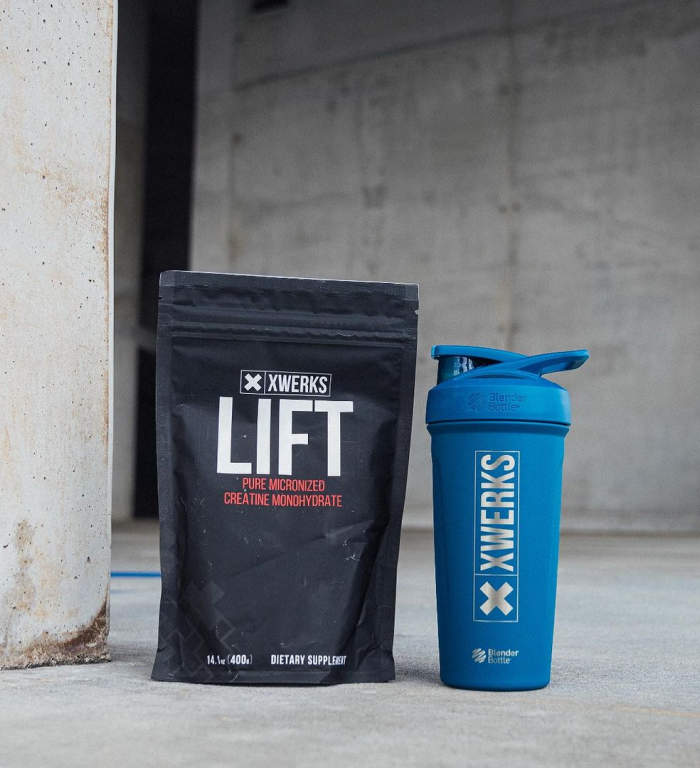
Yes. Creatine works through saturating muscle stores, so daily consistency matters more than timing — including on days you don't train.
The Bottom Line
Protein stays the same on rest days. Muscle protein synthesis runs elevated for 24-48 hours after training, so rest days are when much of the building actually happens.
Cut carbs, not protein, if you want to reduce rest-day calories. Keep fat steady.
Same distribution too — 4-5 feedings of 25-40g. The absence of a workout doesn't change how meals stimulate MPS.
Watch for the silent shortfall. No shake, no routine, social meals — rest days are where most people's weekly protein average quietly drops.