How to Recover Faster After a Workout: 7 Things That Actually Work
TL;DR
- Faster recovery comes from the fundamentals, not gadgets: protein, carbs, hydration, and sleep do the heavy lifting.
- The fastest wins: eat protein and carbs after training, rehydrate with electrolytes, and prioritize 7–9 hours of sleep.
- Active recovery (light movement) and managing your training load beat passive "recovery hacks" for most people.
- Tools like foam rolling, cold/heat, and massage feel good and may help slightly — but they're the finishing touches, not the foundation.
- Soreness (DOMS) is normal and not the same as damage — you can train around it, and good recovery habits reduce it over time.
Everyone wants to recover faster — to feel less sore, bounce back for the next session, and keep progressing without burning out. The internet is full of expensive "recovery hacks," but the truth is that the fastest recovery comes from nailing a handful of basics most people skip. Here are the seven things that genuinely speed recovery, roughly in order of impact, plus where the popular tools actually fit in.

What's actually happening when you "recover"
A hard workout leaves you with three things to fix: micro-damage to muscle fibers, depleted glycogen (your muscles' stored carbohydrate), and lost fluid and electrolytes from sweat. Recovery is simply the process of repairing, refilling, and rebalancing all three — and adapting so you come back stronger. Everything below works by accelerating one of those processes. The faster you supply what your body needs, the faster you recover.
The 7 things that speed recovery
Eat protein after training
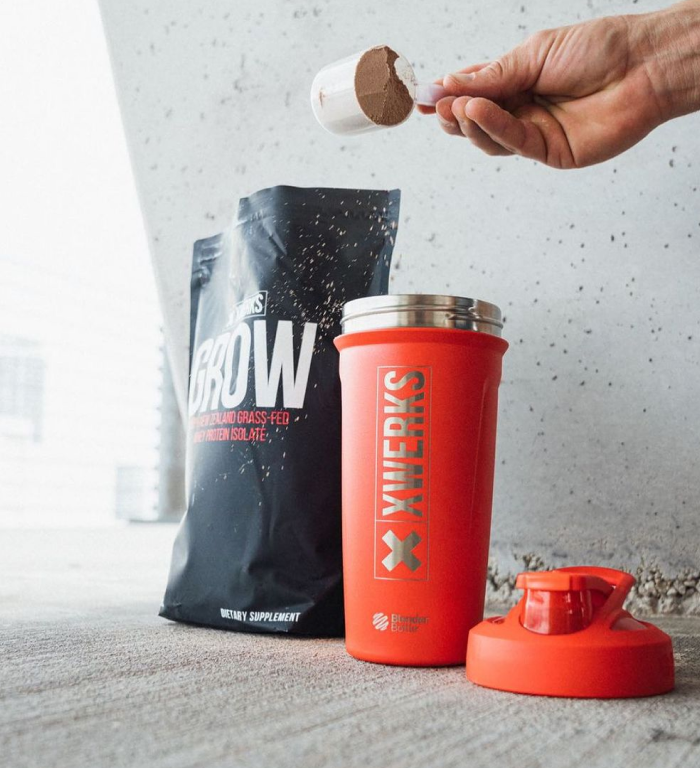
Protein supplies the amino acids that repair damaged muscle — it's the single most impactful recovery move. Aim for 25–40g after your session, and hit roughly 1.6–2.0g per kg of bodyweight across the day. A fast-digesting whey isolate like XWERKS Grow is ideal post-workout because it's absorbed quickly, right when your muscles are primed to use it.
Refill carbs (especially after hard or long sessions)
Carbohydrates restock the muscle glycogen you burned, which is essential if you train hard, train twice a day, or do endurance work. Pairing carbs with your post-workout protein speeds glycogen replenishment. A low-osmolality carb like the Cluster Dextrin in XWERKS Motion refills the tank efficiently without GI distress.
Rehydrate with electrolytes — not just water
You lose fluid and sodium through sweat, and replacing both restores the balance your muscles and nervous system need. After long, hot, or sweaty sessions, an electrolyte drink rehydrates you faster and more completely than plain water. (See electrolytes vs water for when each matters.)
Prioritize sleep (7–9 hours)
This is the most powerful recovery tool there is — and the one people sacrifice first. The bulk of muscle repair and hormonal recovery happens during sleep. No supplement, ice bath, or massage gun comes close to the recovery impact of consistently good sleep. Protect it.
Do light active recovery
Gentle movement on rest days — walking, easy cycling, light mobility work — increases blood flow to recovering muscles and tends to reduce soreness more than complete couch rest. Keep it genuinely easy; the goal is circulation, not another workout.
Manage your training load
You can't out-recover relentless overtraining. Sensible programming, rest days, and periodic deload weeks are recovery tools in themselves. Pushing maximum intensity every single session digs a hole faster than any recovery method can fill it.
Support with creatine and smart daily nutrition
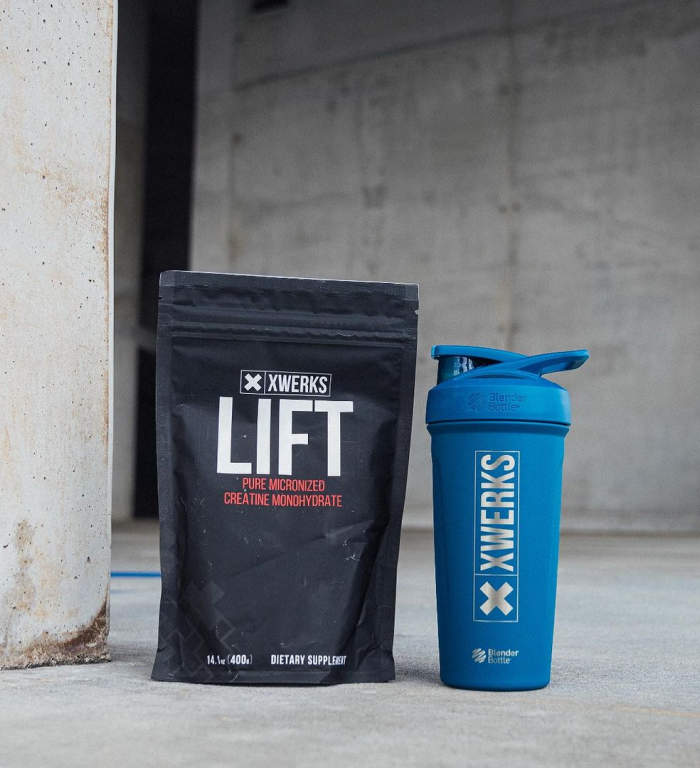
Consistent daily creatine (5g, like XWERKS Lift) supports recovery and helps you retain performance session to session, and adequate total daily calories and protein underpin everything else. Recovery is a 24-hour process, not just a post-workout window.
Where the popular recovery tools actually fit
A quick word on soreness (DOMS)
Delayed-onset muscle soreness — the stiffness that peaks a day or two after a hard or unfamiliar workout — is normal and isn't a measure of how good your workout was, nor the same thing as injury. It fades as your body adapts. Good recovery habits (protein, sleep, hydration, light movement) reduce it over time, and you can usually train around mild soreness. For more, see our piece on lactic acid and soreness — and note that, contrary to the myth, lactic acid does not cause DOMS.
The Bottom Line
Recovering faster comes down to fundamentals, not gadgets. The biggest levers, in order: post-workout protein, refilling carbs, rehydrating with electrolytes, and — above all — 7–9 hours of sleep.
Add active recovery and smart training-load management, and support it with daily creatine and solid overall nutrition. Recovery is a 24-hour process, not a 30-minute post-workout window.
Foam rolling, massage, and cold/heat are finishing touches — fine to include, but they can't rescue poor sleep, inadequate protein, or overtraining. Nail the basics with Grow post-workout and the rest follows.
Further Reading
Best Supplements for Muscle Recovery
References
1. Jäger R, et al. International Society of Sports Nutrition position stand: protein and exercise. J Int Soc Sports Nutr. 2017;14:20.
2. Kerksick CM, et al. ISSN exercise & sports nutrition review update: research & recommendations. J Int Soc Sports Nutr. 2018;15:38.
3. Dupuy O, et al. An evidence-based approach for choosing post-exercise recovery techniques. Front Physiol. 2018;9:403.
4. Roberts LA, et al. Post-exercise cold water immersion attenuates acute anabolic signalling and long-term adaptations in muscle. J Physiol. 2015;593(18):4285-4301.